If you’re dreaming of stepping off the beaten path and into the heart of Ethiopia’s vibrant indigenous cultures, a 3-day Omo Valley tour might just be what you’re looking for. While we haven’t personally taken this exact trip, the detailed itinerary and glowing reviews suggest it offers an immersive glimpse into some of the region’s most fascinating tribes and traditions.
What we love about this tour is how it combines cultural encounters with scenic travel—getting you close to communities like the Hamer, Mursi, Karo, Nyangatom, Banna, and Ari. Plus, the opportunity to visit local weekly markets promises a lively, authentic atmosphere.
One possible consideration is the timing and travel logistics. With long drives and a packed schedule, you’ll want to be prepared for some early mornings and bumpy roads. This tour is best suited for travelers eager for a deep cultural dive and comfortable with basic rustic conditions.
If you’re the kind of traveler who craves meaningful interactions with local tribes and wants to understand how Ethiopia’s rapid change impacts traditional lifestyles, this tour offers an excellent fit. It’s also a solid choice if you’re looking for a small-group experience with flexible options for discounts and personalized attention.
- Key Points
- The Itinerary in Detail: What to Expect
- Day 1: Addis Ababa to Jinka via Turmi and the Hamer Tribe
- Day 2: From Turmi to Jinka via Murele and Nyangatom
- Day 3: Mursi and Departure
- Why This Tour Offers Good Value
- Practical Tips for Travelers
- Who Should Consider This Tour?
- Frequently Asked Questions
- The Best Of Addis Ababa!
- More Tours in Addis Ababa
- More Tour Reviews in Addis Ababa
Key Points
- Authentic Cultural Encounters: Visit tribes with distinctive traditions, like body scarification, body painting, and bull-jumping.
- Local Markets: Scheduled visits to regional markets give insight into daily life and commerce.
- Small Group Size: Max of 8 travelers ensures personalized experiences and better interaction.
- Comprehensive Itinerary: Includes visits to several tribes and scenic drives, with knowledgeable guides.
- Value for Money: At $1,100, the trip covers transportation, entrance fees, snacks, bottled water, and taxes—offering a lot of value.
- Limited Flexibility: Cancellations are free up to 24 hours, but the schedule is tightly packed, so flexibility is limited.
👉 See our pick of the 2 Best Tours & Things To Do In Addis Ababa (With Prices)
The Itinerary in Detail: What to Expect
You can also read our reviews of more tours and experiences in Addis Ababa.


Day 1: Addis Ababa to Jinka via Turmi and the Hamer Tribe
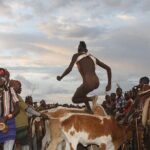
Your journey begins with a flight from Addis Ababa to Jinka, a small but lively town in southern Ethiopia. From there, a drive takes you to Turmi, the hub for visiting the Hamer tribe. Known for their dramatic body scars, intricate clay hairstyles, and the tradition of bull-jumping—a rite of passage for young men—this stop is a highlight for anyone interested in living traditions.
The Hamer are one of Ethiopia’s most photogenic tribes, and you’ll find their colorful beadwork and body decoration both striking and meaningful. The tour mentions that “scarring of their bodies” and their unique hairstyles are some of the most well-known practices. You might also see the Banna tribe en route, adding another layer to your cultural mosaic.
Tip: Be respectful and curious—these communities are proud of their customs and happy to share if approached kindly. The overnight stay at Emerald Lodge in Turmi offers some comfort after a day of travel.
Day 2: From Turmi to Jinka via Murele and Nyangatom
The second day takes you on a drive, with stops at the Karo tribe in Murele. Renowned for their elaborate body painting, the Karo are often considered one of Ethiopia’s most visually stunning tribes. Their intricate patterns are a living art form, and you’ll likely get a chance to observe or even participate in some body-painting if you’re lucky.
Next, a visit to a Nyangatom village will show you a community living along the banks of the Omo River, far from tourist eyes. The Nyangatom are less frequently visited, making their encounter more exclusive and authentic.
Returning to Turmi for lunch, you’ll explore the Ari tribe—known for their farming and trading skills—before heading back to Jinka, where you’ll stay overnight. The Jinka accommodations offer a comfortable base after a full day of exploration.
Remember: Entrance fees are included, so the focus stays on discovering rather than worrying about costs. Also, some reviews note that the tour’s pacing is efficient, covering several tribes in one day without feeling rushed.
Day 3: Mursi and Departure
On your final day, an early morning drive takes you to Mago National Park to visit the Mursi tribe, easily the most famous of Ethiopia’s tribes thanks to their lip plates. The women insert clay disks into their lower lips as a sign of beauty and social status.
This visit is one of the most unique cultural sights in Ethiopia—definitely a photo opportunity, but also an opportunity to learn about the tribe’s traditions and ways of life. Afterward, you’ll return to Jinka for your flight back to Addis Ababa, with an optional farewell dinner featuring traditional folk dance.
Note: The tour concludes with a transfer to the airport, making it a smooth end to a busy itinerary.
Why This Tour Offers Good Value
At $1,100 per person, the tour includes most essentials: flights, entrance fees, snacks, bottled water, and taxes. While that may seem steep to some, it’s fairly comprehensive, considering the remote locations and the logistics involved. The inclusion of local guides enhances the experience, providing context that enriches your understanding of each community.
Compared to independent travel in such a remote region, this package offers both convenience and safety—plus the chance to see multiple tribes in just three days. The guided aspect ensures you avoid the pitfalls of navigating unfamiliar terrain and cultural sensitivities.
Most reviews highlight how well-organized and friendly the experience is. One reviewer praised the hospitality and local guides, emphasizing that “the trek is very fascinating with different scenery and friendly locals to say hello to along the way.” This suggests a warm, welcoming atmosphere that makes these visits even more meaningful.




Practical Tips for Travelers
- Prepare for early mornings and long drives; the schedule is packed, but it’s worth it for the depth of experience.
- Respect local customs—these communities are proud of their traditions, so approach with curiosity and kindness.
- Bring a good camera, especially for capturing the vibrant body painting and scenic landscapes, but be respectful about photographing people—always ask first.
- Stay flexible—weather or local circumstances can sometimes alter plans, but your guides will do their best to keep things smooth.
- Pack light but practical: lightweight clothing, sun protection, and a small gift (like pens or soap) can be appreciated by the locals.
Who Should Consider This Tour?
This tour is ideal for travelers seeking a deep cultural experience in Ethiopia. It’s suited for those comfortable with basic rustic accommodations and long travel days. Since the tour size is limited to 8 people, it offers a more intimate experience—perfect if you enjoy small groups and personalized attention.
If you’re curious about indigenous cultures, fascinated by traditional ceremonies, or simply want to see a side of Ethiopia few travelers get to experience, this trip offers a compelling window into a rapidly changing world.
However, if you prefer luxury accommodations or a more relaxed pace, this might not be the best fit. Also, keep in mind that visiting remote tribes involves some logistical challenges, including bumpy roads and early starts.
03 Days Omo Valley Tours
Frequently Asked Questions
Is transportation included in the tour?
Yes, transportation during the tour includes flights from Addis Ababa to Jinka and the local drives to the tribes and national park. The package also covers entrance fees, snacks, bottled water, and taxes.
How many people typically join the tour?
The tour is designed for a small group, with a maximum of 8 travelers, ensuring a more personalized experience.
Are meals included?
While snacks and bottled water are included, meals are not specified as part of the package, so you might want to bring some extra snacks or plan for meals in towns.
Can I participate if I have limited mobility?
The itinerary involves some rough roads and walking around villages. Travelers should be comfortable with basic physical activity and uneven terrain.
What’s the best way to prepare for cultural visits?
Dress modestly, be respectful, and listen to your guides. A friendly attitude and curiosity go a long way in connecting with local communities.
Is this tour suitable for children?
The tour is designed for most travelers, but due to the nature of visits and travel conditions, it’s best suited for older children or teenagers comfortable with adventurous travel.
A 3-day tour exploring Ethiopia’s Omo Valley tribes offers an incredible chance to see some of the most unique and vibrant cultures in Africa. It provides a well-rounded mix of culture, scenic travel, and authentic community interactions. For those interested in anthropology, traditional ceremonies, or just broadening their worldly horizons, this experience delivers.
While it demands a bit of flexibility and an appetite for adventure, the chance to witness such traditions firsthand—body scarification, body painting, bull-jumping—makes it a memorable journey. If you’re ready to step out of your comfort zone and into a living tapestry of customs and stories, this tour is a worthwhile pursuit.
In the end, this experience is best suited for those who value authenticity over luxury and are eager to learn from and about some of Africa’s most intriguing cultures. It’s a rare opportunity to connect with Ethiopia’s diverse peoples and see how they are adapting to a changing world—an adventure that promises both eye-opening and soul-stirring moments.