
- Exploring the 5-Day Langtang Valley Trek: A Practical Guide
- Key Points
- A Closer Look at the Langtang Valley Trek Experience
- Starting Point and Overall Atmosphere
- The 5-Day Itinerary Breakdown
- Accommodations and Meals
- Guides, Permits, and Transportation
- What About Costs and Extras?
- When Is the Best Time To Go?
- Practical Tips and Considerations
- Who’s This Trek Best For?
- Final Thoughts: Why Choose This Trek?
- FAQ
- More Hiking & Trekking Tours in Langtang Valley
- More Tour Reviews in Langtang Valley
Exploring the 5-Day Langtang Valley Trek: A Practical Guide
 1 / 6
1 / 6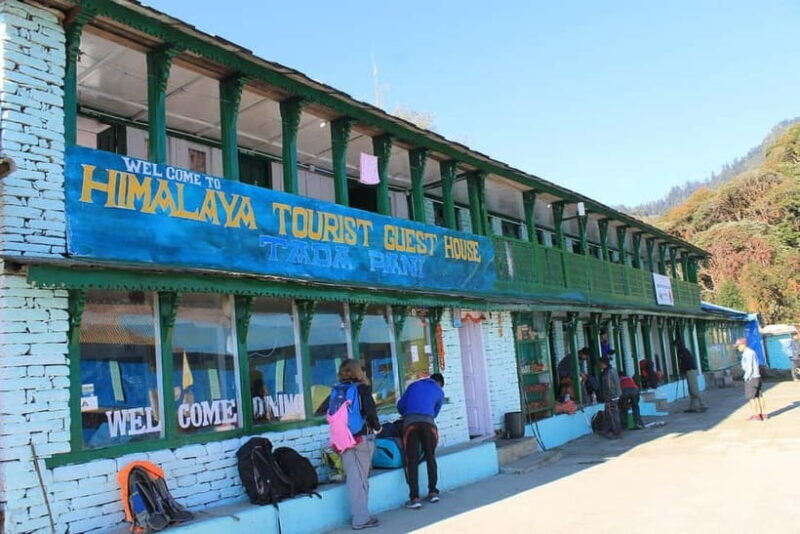 2 / 6
2 / 6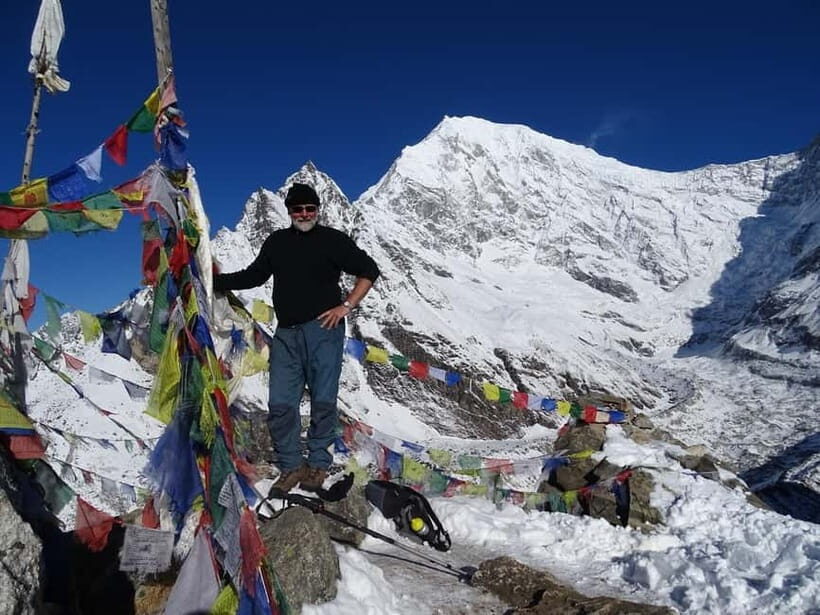 3 / 6
3 / 6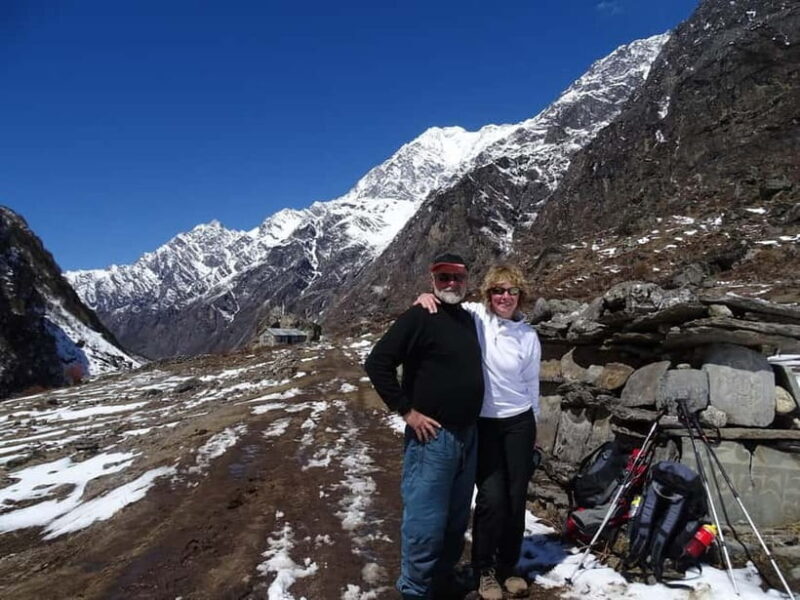 4 / 6
4 / 6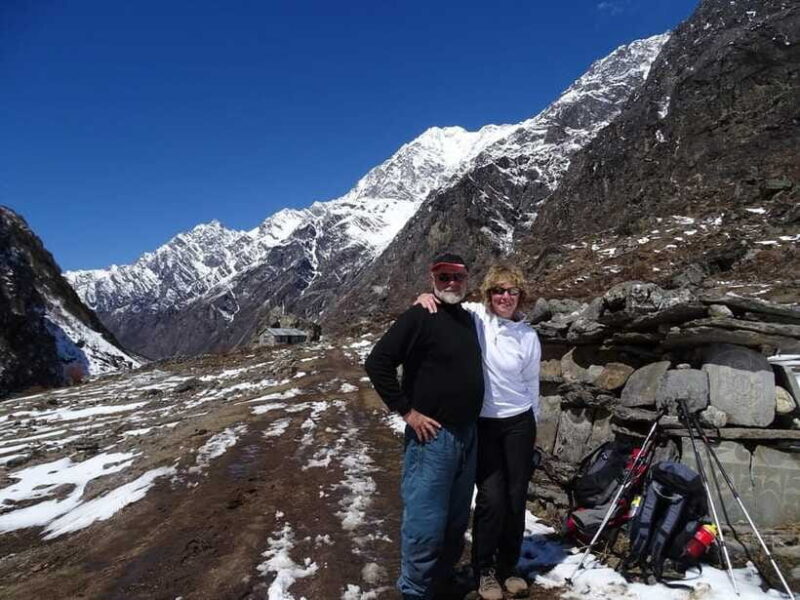 5 / 6
5 / 6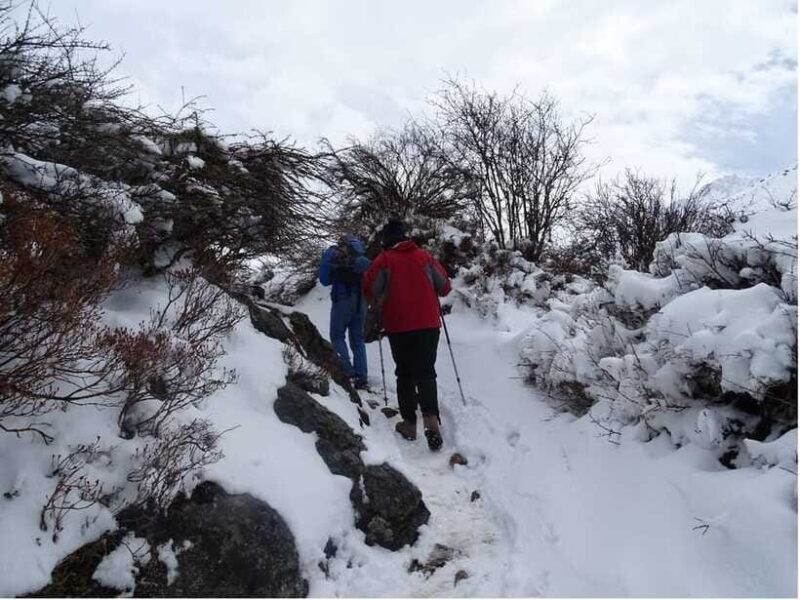 6 / 6
6 / 6If you’re considering a trekking adventure that combines breathtaking Himalayan scenery with accessible routes and comfortable accommodations, the Langtang Valley Trek might just be your ideal choice. Offered by Alpine Asian Treks and Expedition Ltd, this five-day journey captures the essence of Nepal’s rugged beauty without the lengthy commitment of a month-long expedition. While it’s not for those with mobility issues or very young children, it’s perfect for travelers who want a manageable yet authentic Himalayan experience.
What we love about this trek is the opportunity to witness stunning views of snow-capped peaks, particularly Mt. Langtang Lirung, and to connect with local Tamang and Sherpa communities. The inclusive guide, permit, and transport make it straightforward for solo travelers or small groups to experience the region safely and comfortably. On the flip side, a potential drawback could be the limited included amenities—meals, Wi-Fi, hot showers—are optional extras, so budget accordingly.
This trek suits travelers looking for an authentic Himalayan adventure with a touch of comfort. If you’re a nature enthusiast eager to see Himalayan wildlife and vibrant mountain flora, or if you want a well-organized route with friendly guides, this trek should be on your radar.
You can check availability for your dates here:Key Points
- Stunning Himalayan views including Mt. Langtang Lirung and other snow-capped peaks
- Cultural encounters with Tamang and Sherpa communities
- Comfortable guesthouses with options for hot showers and Wi-Fi (extra cost)
- Well-organized logistics with guides, permits, and private transportation included
- Optimal travel seasons are spring and autumn for stable weather and vibrant scenery
- Not suited for those with limited mobility or very young children
You can also read our reviews of more tours and experiences in Langtang Valley.
A Closer Look at the Langtang Valley Trek Experience
Starting Point and Overall Atmosphere
The trek begins just north of Kathmandu, in the picturesque Langtang Valley. You’ll travel by private transport, which means no waiting around for group pickups and a more seamless start. The journey itself offers its own appeal—scenic drives through lush hillsides and small villages—setting a relaxed tone for what’s ahead. You’ll be stepping into a landscape that’s both rugged and welcoming, with mountain peaks looming nearby and forests of rhododendron that bloom beautifully in spring.
The 5-Day Itinerary Breakdown
Day 1: Kathmandu to Syabrubesi
Most itineraries kick off with a drive from Kathmandu, taking approximately 7 hours, depending on traffic and road conditions. This initial leg sets the scene with views of terraced fields and forested hills. Syabrubesi, a quaint village, becomes your base for the night. Here, you’re introduced to the local Tamang culture and can get your gear organized.
Day 2: Syabrubesi to Lama Hotel and on to Langtang Village
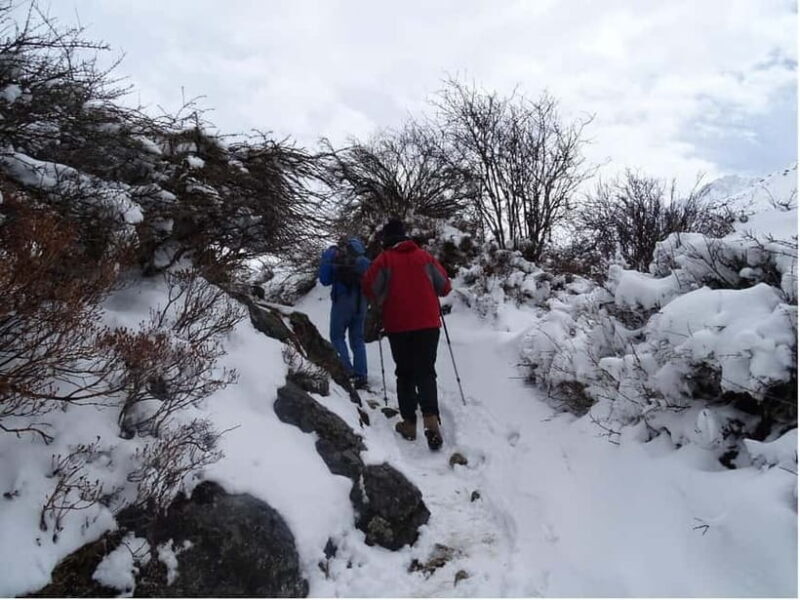
The walk starts gentle but gains altitude quickly. You’ll traverse forests of rhododendron, pine, and bamboo, encountering wildlife and birdlife. The highlight is reaching Langtang Village, a small settlement with traditional houses, where you get a glimpse of everyday life amidst towering peaks.
Day 3: Lama Hotel to Kyanjin Gompa
This is a short but scenic walk—ideal for acclimatization—culminating at Kyanjin Gompa. The monastery offers sweeping views of Mt. Langtang Lirung (7,200m) and surrounding peaks. Here, you’ll visit the monastery and enjoy the breathtaking mountain vistas. The village is the last stop before the higher elevations and serves as a hub for exploring the surrounding trails.
Day 4: Exploring Kyanjin and Surroundings
A day to appreciate the landscape — optional hikes include visiting a local cheese factory, climbing a small hill for panoramic views, or just soaking in the atmosphere of this remote mountain hamlet. You may also spot wildlife like Himalayan Tahr or red pandas, or simply enjoy the tranquility of the area.
Day 5: Return to Kathmandu
After breakfast, you descend back through the forests, retracing your steps to Syabrubesi and onward to Kathmandu by vehicle. The drive offers a chance to reflect on the journey and enjoy the lush scenery one last time.
Accommodations and Meals
Guesthouses along the route are comfortable by trekking standards. Some feature private rooms, others shared, with basic amenities—but many now offer hot showers and Wi-Fi for an extra fee. The communal dining hall fosters camaraderie, where you can share stories over local dishes like Dal Bhat, momos, or noodles. While meals are generally safe and freshly prepared, it’s wise to carry trail snacks for quick energy boosts, especially on longer trekking days.
Guides, Permits, and Transportation
Having a professional English-speaking guide makes all the difference; they’re not just navigation experts but also cultural ambassadors. The package includes entrance fees to Langtang National Park and private transport to the trek’s starting point, making logistics smoother and safer. No need to worry about carrying extra gear or navigating tricky roads—you’re in good hands.
What About Costs and Extras?
The base price of $310 per person covers guide, permits, and transport. However, meals, accommodations, and extras like Wi-Fi, hot showers, or porters are available at additional cost. This allows flexibility: you can choose to keep your budget low or indulge in some comfort. The value here is in the ease of organization and the quality of the guiding service.
When Is the Best Time To Go?
Spring (March to May) and autumn (September to November) are the prime trekking seasons. The weather is relatively stable, temperatures are moderate, and the landscape is bursting with color—vibrant rhododendron blooms in spring or clear, crisp air in autumn. Be aware that weather can change suddenly, so packing layers and rain gear is wise.
Practical Tips and Considerations
- Bring comfortable shoes and warm clothing—mountains can be cold, especially at higher altitudes.
- Carry a hat, sunscreen, and personal medication.
- Pack a camera and plenty of batteries or power banks for capturing those unforgettable mountain vistas.
- Carry Nepalese Rupees for personal expenses; ATMs are limited beyond certain points.
- Respect local customs—this is mountain country with strong cultural traditions.
- Be prepared for weather shifts and carry a reusable water bottle to reduce plastic waste.
Who’s This Trek Best For?
This trek is ideal for travelers who want a moderate challenge with spectacular scenery. It suits those who appreciate cultural encounters, wildlife spotting, and the comfort of well-organized logistics. It’s not suited for children under five, pregnant women, mobility-impaired travelers, or anyone with serious health issues, given the altitude and terrain.
Final Thoughts: Why Choose This Trek?
The Langtang Valley Trek offers a delicate balance of adventure, comfort, and culture. You’ll get stunning views of the Himalayas, the chance to experience local Tamang and Sherpa lifestyles, and the safety of guided support—all at a reasonable price. It’s a perfect option if you’re short on time but want a genuine Himalayan escape that you’ll remember long after you return home.
Whether you’re after picture-perfect mountain panoramas, cultural exchanges, or simply a well-managed trek that minimizes stress, this journey packs a lot into just five days. It’s a chance to see Nepal beyond Kathmandu, in a way that’s authentic, accessible, and deeply rewarding.
5 Day Langtang Valley Trek; Guide; Transport; permit
FAQ
What is included in the price of $310?
The fee covers a professional English-speaking guide, entrance fees to Langtang National Park, and private transportation to and from the trek’s start. Meals, accommodation, and extras are optional and can be added on request.
Are accommodations comfortable?
Guesthouses along the trail are modest but comfortable by trekking standards, with some offering private rooms, hot showers, and Wi-Fi for an extra fee. They provide a cozy base after a day of walking.
What kind of scenery can I expect?
Expect to see lush forests, blooming rhododendrons in spring, snow-capped peaks like Mt. Langtang Lirung, and panoramic mountain vistas—truly some of the best views in Nepal.
What should I bring?
Pack comfortable shoes, warm clothing, a hat, sunscreen, water, camera, snacks, personal medication, and trekking gear. Also, carry Nepalese Rupees for expenses since ATMs are limited beyond certain areas.
When is the best time to go?
Spring (March-May) and autumn (September-November) are optimal for clear skies, stable weather, and vibrant scenery.
Is this trek suitable for children or people with health issues?
No, it’s not suitable for children under five, pregnant women, or those with mobility impairments or serious health problems, due to the altitude and terrain.
If you’re ready for a manageable trek packed with spectacular views and authentic culture, the Langtang Valley is calling—don’t miss the chance to see Nepal from a new perspective.
You can check availability for your dates here: