Introduction
Planning a trek up Mount Kilimanjaro can feel overwhelming, especially with so many routes, prices, and opinions flying around. If you’re looking for a cost-effective way to scale Africa’s highest peak without sacrificing comfort, the 5-Day Marangu Route offered by Moorland Safari and Trekking is worth considering.
This route, often called the “Coca-Cola” route, has been around longer than most others and offers a unique mix of convenience and tradition.
What we love about this tour? First, the sleeping huts in dormitory style make the experience more comfortable than setting up tents in unpredictable mountain weather. Second, the inclusion of guided support ensures you’re well looked after, which is especially reassuring for first-timers or those with moderate fitness levels.
That said, a possible drawback is the shorter time frame—it’s a rapid ascent that could make acclimatization trickier, increasing the chances of altitude sickness if you’re not prepared.
This tour is best suited for travelers who want a cost-conscious climb with the comfort of huts, without the hassle of camping gear or longer treks. If you’re after a straightforward, well-supported Kilimanjaro experience that won’t break the bank, it might just be your best bet.
- Key Points
- The Marangu Route: A Practical Overview
- Starting Point and First Day
- Second Day: From Rainforest to Moorlands
- Third Day: Into the Saddle and Night Preparations
- The Summit Push: Climbing to Uhuru Peak
- Returning and Reflecting
- What the Reviews Say
- Practical Considerations
- Transportation, Group Size, and Support
- Price and Value: Is It Worth It?
- Who Should Consider This Tour?
- Final Thoughts
- FAQ
- The Best Of Arusha!
- More 5-Day Experiences in Arusha
- More Tour Reviews in Arusha
Key Points
- Affordable at $1,869.24 per person, offering a good balance of cost and experience
- Hut accommodations provide more comfort than camping options, with communal dining halls and basic washrooms
- The short 5-day itinerary makes for a quicker climb, but demands good physical readiness and quick altitude adaptation
- Well-reviewed guides and support make for a smoother, more enjoyable ascent
- The route’s popularity means it can be crowded, especially at the huts
- Ideal for travelers seeking organized support and value without extensive camping or longer treks
👉 See our pick of the Arusha’s 7 Best Tours & Things To Do
The Marangu Route: A Practical Overview
The Marangu route has earned its nickname “Coca-Cola” because it’s familiar, widely used, and often the first choice for many climbers. It’s also the only route on Kilimanjaro that offers dormitory-style huts for the overnight stays, rather than tents. For anyone who prefers a bit more comfort after a day’s hike, this is a significant plus, albeit with the trade-off of less scenic diversity and a busier trail.
You can also read our reviews of more tours and experiences in Arusha
Starting Point and First Day
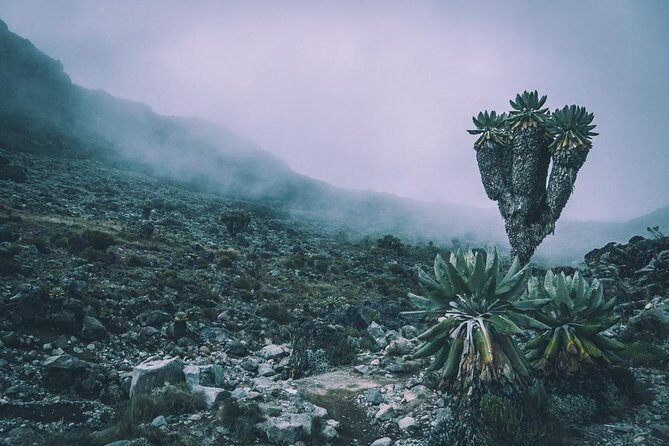
Your adventure kicks off with a morning pickup in Arusha, followed by a drive of about 45 minutes to Kilimanjaro National Park Gate. Here, you’ll register and then begin your hike through the lush rainforest, which is a lush and often mist-shrouded environment. Walking roughly 8 km (around 3-4 hours), this first day is manageable and takes you to Mandara Hut at 9,000 feet. The walk is gentle but offers a good introduction to Kilimanjaro’s flora—giant lobelias and groundsels are common sights. A quick side trip to Maundi Crater can add an extra layer of scenic interest if time permits.
Second Day: From Rainforest to Moorlands
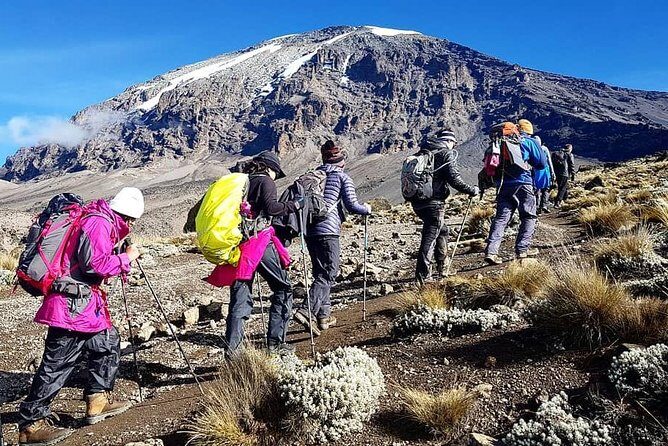
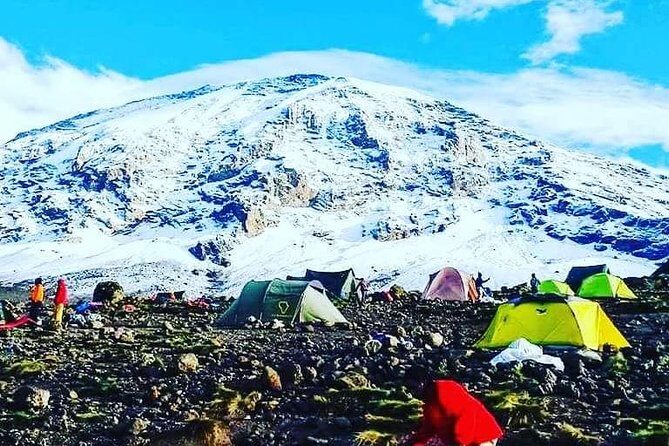
The next day’s trek covers about 12 km (5-7 hours). You’ll leave the rainforest behind, stepping into open moorlands with spectacular views of Kibo’s summit and Mawenzi’s jagged peaks. The terrain becomes more exposed, but the gradual ascent gives your body a chance to adapt. Many climbers use this day for acclimatization, which can boost your chances of summit success. The familiar sight of giant lobelias and groundsels continues, making the landscape truly distinctive. The guide’s knowledge helps travelers understand the mountain’s ecosystem and prepare for the higher stages.
Third Day: Into the Saddle and Night Preparations
The third day is a longer, more challenging trek—about 9.5 km with 5-7 hours walking—taking you into the saddle between Kibo and Mawenzi peaks. The vegetation thins out, giving way to desert-like terrain. Here, you’ll reach the last water point before you gear up for the night’s summit push. Many reviews highlight the importance of this stage for acclimatization. The guide will prepare you for a very early start, usually around 11:30 pm, for the final ascent.
The Summit Push: Climbing to Uhuru Peak
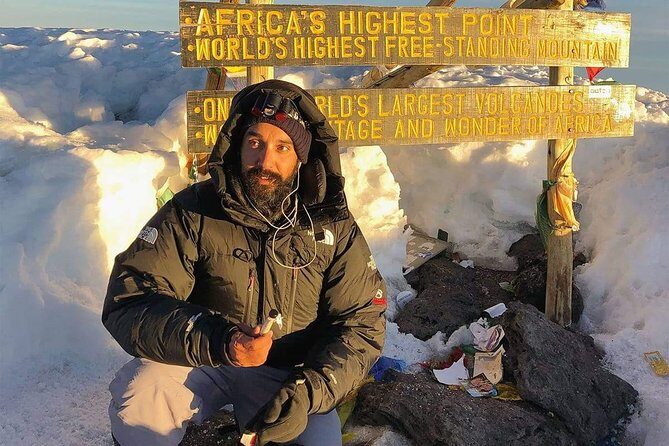
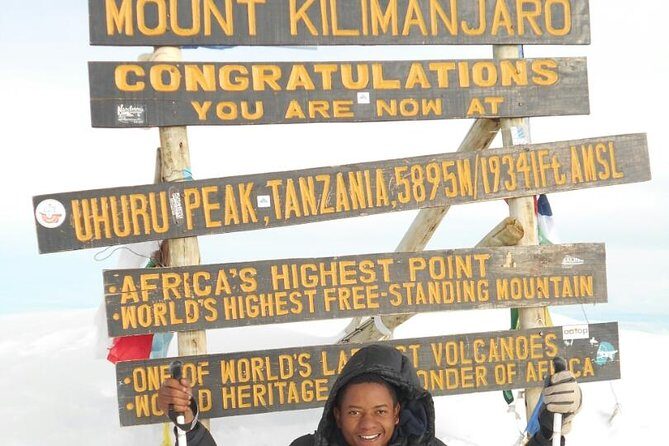
The early morning start is the most intense part of the trip. The goal is to reach Gilman’s Point at about 18,640 feet by sunrise, then continue to Uhuru Peak at 19,340 feet—Africa’s highest point. Expect to battle cold, wind, and fatigue, but the views from the rim are breathtaking. As one reviewer noted, “While at the summit you will take your pictures and thereafter start descending down to Kibo hut for breakfast and a rest.” The descent is faster but requires focus to avoid missteps, especially in icy conditions.
Returning and Reflecting
On the last day, a steady descent takes you back through lush forests to Mandara Hut before reaching the park gate. The entire trek covers around 20 km, taking roughly 5 hours. Your vehicle will be waiting at the gate to drive you back to Arusha. Many hikers describe feeling a profound sense of accomplishment, even if the pace was brisk.
What the Reviews Say
Multiple travelers praise the tour for its “unbelievable” support and “comfortable” experience. One reviewer mentioned, “The services we got from Moorland Safari made the trip unbelievable and enjoyable,” echoing the value of guided support and organized logistics. Another highlighted the “brilliant climbing experience” and the professionalism of the guides, emphasizing their knowledge and friendliness.
Guide expertise appears to be a key factor making the climb smoother, especially for those who have a moderate fitness level but are new to high-altitude trekking. The shared communal huts are described as a positive feature, providing a social environment after a day of exertion. However, some noted the crowded nature of the route, especially at the huts, which could detract from the sense of wilderness.
Practical Considerations
The route’s short duration means less time for slow acclimatization, which could increase the risk of altitude sickness for some. While the itinerary includes an extra acclimatization day at Horombo Hut if requested, it does require extra planning. The price point positions this as an affordable option compared to longer, more remote routes, making it appealing for budget-conscious travelers.
Transportation, Group Size, and Support
Transportation is included from your hotel in Arusha to Kilimanjaro National Park Gate. The tour is private, so only your group will participate—ideal for those who value personalized support and flexibility. Tours start early at 6:30 am, giving you ample time to acclimate and enjoy each stage.
Guides and porters are professional and knowledgeable, often praised in reviews for their support, humor, and expertise. They carry most of the gear, leaving you free to focus on walking and enjoying the mountain views. The communal huts, equipped with mattresses and pillows, make for a more relaxed sleeping environment than tents, though you still need to bring your own sleeping bag.
Price and Value: Is It Worth It?
At just under $1,900 per person, this tour offers a competitive price for Kilimanjaro climbing options, especially considering the included guiding, park fees, and hut accommodations. While some might argue it’s a “shortcut,” the quality of support and the familiarity of the huts make it a good value for those wanting a less stressful ascent.
You’re paying not just for the climb but for the peace of mind that comes with organized logistics, decent shelter, and experienced guides. If you’re on a budget but still want a reliable, guided Kilimanjaro experience, this tour strikes a good balance.
Who Should Consider This Tour?
This route is ideal for first-timers or those with moderate fitness who prefer not to camp overnight. It suits travelers who want a guided, organized experience without the long, strenuous treks that some of the alternative routes demand. Its short duration appeals to those with limited time but still eager to stand on the roof of Africa.
However, those seeking an ultra-scenic or solitary adventure might find the crowds and less varied scenery less appealing. It’s also better for individuals comfortable with a quick ascent, understanding that it offers less time for acclimatization than some longer routes.
Final Thoughts
Climbing Kilimanjaro via the Marangu Route with Moorland Safari and Trekking offers a compelling blend of affordability, comfort, and support. The huts provide a more relaxed environment, and the guided support ensures safety and encouragement. It’s especially well-suited for those new to high-altitude trekking or travelers who want an organized experience without the longer commitment of more remote routes.
While it might be busier and less scenic than other routes, it delivers a solid chance to reach Uhuru Peak without the hassle of camping or extra expenses. The positive reviews highlight the professionalism of the guides, the overall value, and the unforgettable sense of achievement.
If you’re after a straightforward, supported climb that balances cost and comfort, this Kilimanjaro Marangu Route is worth considering. Just be prepared for the quicker pace and potential crowds.
5 Days cheapest Kilimanjaro Marangu Route
FAQ
How long is the trek?
The entire tour lasts approximately 5 days, with each day dedicated to specific stages from the rainforest to the summit and descent.
What is included in the price?
Your price covers park entrance fees, guiding, accommodations in huts, and transportation from Arusha to the park gate. It does not specify if sleeping bags are included, so you should prepare accordingly.
Is this route suitable for beginners?
Yes, especially with the support of experienced guides, but a moderate level of fitness is recommended due to the quick ascent and altitude changes.
What are the accommodations like?
You’ll sleep in dormitory-style huts with mattresses and pillows. Basic washrooms are available, with some facilities like flushing toilets at the lower huts.
Is food provided?
The tour includes communal dining halls, and meals are typically provided. Details aren’t specified, but most guided Kilimanjaro treks include meals during the trip.
How crowded is this route?
It is one of the most popular routes, so expect a good number of fellow climbers, especially at the huts.
Can I request additional acclimatization days?
Yes, extra days can be added on request, which can improve your chances of a successful summit.
What is the best time to climb Kilimanjaro via this route?
While not specified, Kilimanjaro generally has two dry seasons—January to March and June to October—ideal for climbing.
How difficult is the summit night?
It’s physically demanding with cold temperatures and the need for an early start, but guides prepare you for the challenge.
What happens if I need to cancel?
You can cancel up to 24 hours before the tour for a full refund, making it flexible if your plans change.
To sum it up, this 5-day Kilimanjaro Marangu Route offers a practical, well-supported ascent that balances comfort, affordability, and authentic mountain adventure. It’s perfect for those who want to tick off the world’s highest free-standing mountain without a long, grueling trek or camping in harsh conditions. Just pack your warm layers, be ready for crowds, and prepare for an experience that many remember for a lifetime.