Planning to climb Africa’s highest peak? The 5 Days Kilimanjaro Marangu Route Trek offers a compelling mix of comfort, adventure, and stunning scenery. While it’s not the shortest or easiest route, it’s arguably the most popular and accessible for many trekkers. Our review will help you understand what makes this climb special, what to expect, and whether it’s the right fit for you.
We’re especially fond of the comfortable mountain huts that provide a cozy resting place after a day’s hike, and the professional guides who accompany you every step of the way. These elements make the journey smoother and more manageable for those new to high-altitude trekking. On the flip side, some travelers mention that the ascent can be physically demanding, especially on the summit night, so preparation is key.
This trek caters best to those with a moderate level of fitness who want to experience Kilimanjaro without the hassle of camping.
If you’re looking for a trek with reliable logistics, stunning vistas, and a chance to see local wildlife like monkeys, this tour could be a great choice. It offers a well-organized itinerary that balances effort with comfort, making it ideal for first-timers, group travelers, or those who want a memorable challenge without sleeping under the stars.
- Key Points
- Introduction: What to Expect from the Kilimanjaro Marangu Route
- Exploring the Itinerary: Step by Step
- Day 1: Arrival and Preparation
- Day 2: From Marangu Gate to Mandara Hut
- Day 3: Mandara to Horombo Hut
- Day 4: Horombo to Kibo Hut
- Day 5: The Summit and Return
- Day 6: Return to Moshi
- What Makes This Trek Stand Out?
- Comfortable Mountain Huts
- Expert Guides and Safety
- Variety of Landscapes
- The View from the Top
- Cost and Value Analysis
- Practical Tips for Your Kilimanjaro Trek
- The Sum Up: Who Should Consider This Trek?
- FAQ
- The Best Of Moshi!
- More 5-Day Experiences in Moshi
- More Hiking & Trekking Tours in Moshi
- More Tour Reviews in Moshi
Key Points
 1 / 3
1 / 3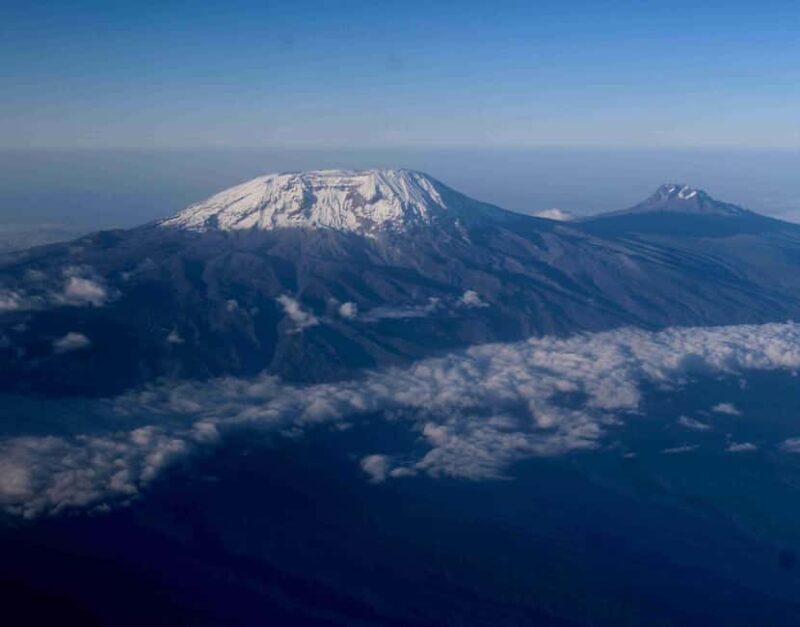 2 / 3
2 / 3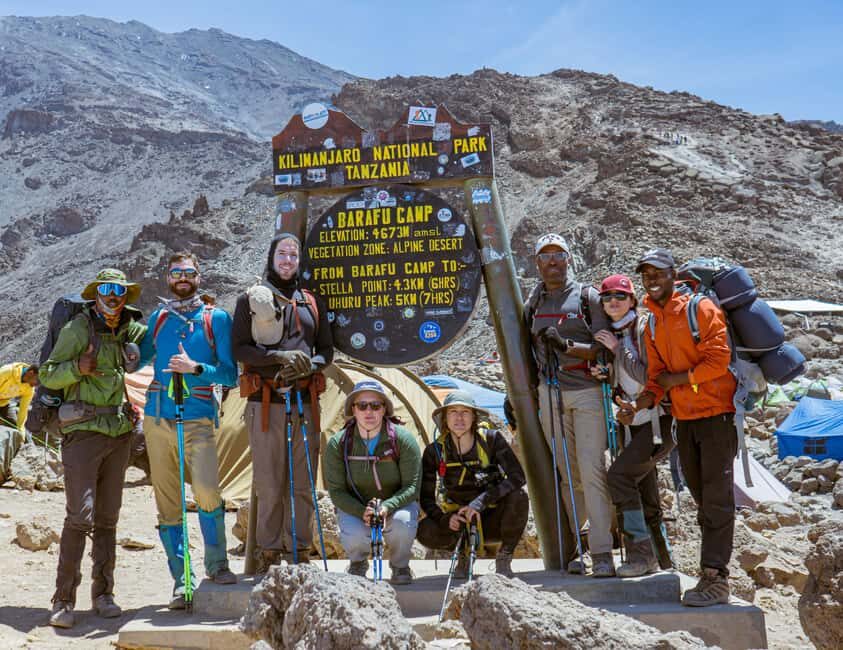 3 / 3
3 / 3- All-in-one package: Guided trek with permits, park fees, accommodations, and meals included.
- Comfortable accommodations: Stay in mountain huts with fewer logistical worries.
- Diverse landscapes: Rainforests, moorlands, alpine deserts, and the icy summit.
- Expert guides: Knowledgeable professionals focusing on safety and success.
- Moderate difficulty: Suitable for trekkers of various experience levels.
- Value for money: At $1,350, the price includes most essentials, making it a practical choice.
👉 See our pick of the Moshi’s 16 Top Tours & Things To Do
Introduction: What to Expect from the Kilimanjaro Marangu Route
If you’ve been dreaming of standing atop Africa’s tallest mountain, this 5-day trek offers a solid route with a focus on comfort and scenic variety. The Marangu Route, often called the “Coca-Cola Route,” is renowned for its ease of access and the availability of huts along the way. It’s an ideal introduction to high-altitude trekking, especially if you’re new to mountain climbing but eager to challenge yourself.
What we appreciate most about this trek is its combination of stunning views and practical logistics. The guided approach ensures you’re never alone in unfamiliar terrain, and the inclusive package simplifies planning. Plus, staying in huts rather than camping saves you the hassle of setting up tents in unpredictable weather, which can be a real relief.
However, it’s worth noting that the summit night still requires stamina, as you’ll be hiking in the dark on a strenuous route. Some reviews mention that the climb to Uhuru Peak is tough, but the sense of achievement and the breathtaking sunrises make it worthwhile. This tour suits reasonably fit travelers seeking a guided, comfortable, yet adventurous climb to one of the world’s most iconic summits.
You can also read our reviews of more hiking tours in Moshi
Exploring the Itinerary: Step by Step
Day 1: Arrival and Preparation
Your journey begins with a warm welcome at Kilimanjaro International Airport. After a transfer to your hotel in Moshi, you’ll meet your guide for a briefing that covers what to expect, safety tips, and gear essentials. It’s an opportunity to get your questions answered and feel confident before starting the trek.
Day 2: From Marangu Gate to Mandara Hut
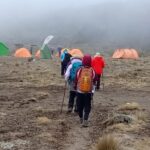
Starting around 8:00 AM, your group heads to Marangu Gate. The initial walk takes about five hours through dense rainforest, where the humidity and lush foliage create a vibrant environment. Here, you might spot some local primates—a fun bonus for nature lovers.
Reaching Mandara Hut at 2,700 meters, you’ll have time to explore Maundi Crater, which offers panoramic views—an excellent spot for photos and acclimatization. The landscape begins to change here, shifting from rainforest to the more open moorlands.
More Great Tours NearbyDay 3: Mandara to Horombo Hut
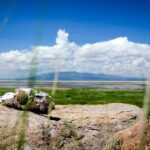
After an early breakfast, you’ll leave the lush environment behind and enter the heath and moor zone. The 6-hour trek covers 12.5 km and provides sweeping vistas of Mawenzi, Kibo, and the Maasai Steppe. The terrain is more open, with expansive views and fewer trees.
Reaching Horombo Hut at 3,700 meters, you’ll notice the altitude starting to impact breathing slightly, so take it slow. This stop is critical for acclimatization, and the views here are truly expansive, making it a favorite for many trekkers.
You can also read our reviews of more tours and experiences in Moshi

Day 4: Horombo to Kibo Hut
This day involves a longer, more demanding hike of about 9.5 km, taking roughly 5-6 hours. You’ll pass the Last Water Point and the saddle, a stark, windswept landscape that prepares you for the final push. Staying at Kibo Hut at 4,700 meters prepares you physically and mentally for summit night.
In the evening, you’ll have an early dinner and rest, as the real challenge begins in the middle of the night. The guides emphasize pacing and hydration, knowing that the ascent to the summit is as much about endurance as altitude.
Day 5: The Summit and Return
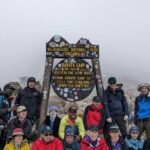
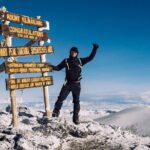
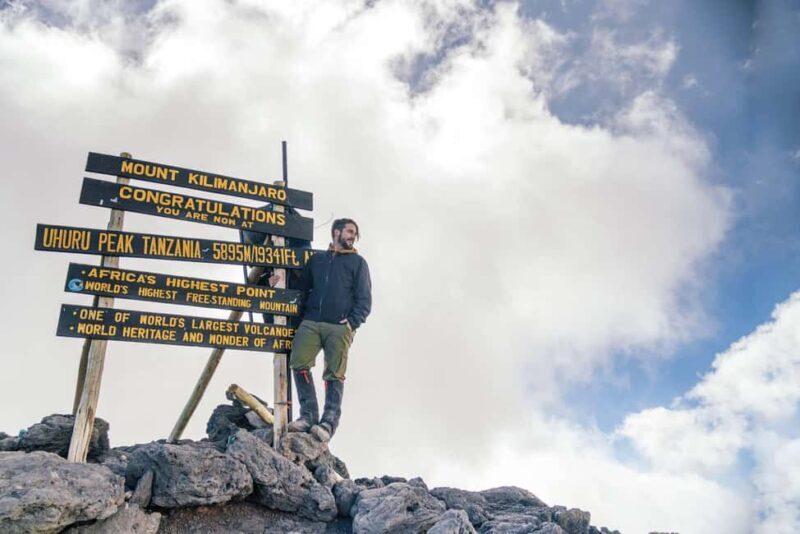
The midnight start is tough but essential. Climbing in the dark, you’ll make your way up the steep, rocky trail toward Gillman’s Point, arriving at sunrise for some spectacular photo opportunities. From there, it’s a short but steep walk to Uhuru Peak, the highest point in Africa at 5,895 meters.
After celebrating your achievement, you descend back to Kibo Hut for a warm meal. The descent is long—more than 12 hours overall—but the sense of accomplishment and the views of the sunrise make it worth every step.
Day 6: Return to Moshi
Your last day involves descending through the same diverse landscapes, back to Marangu Gate. After a final lunch and break, you’ll be transferred to Moshi, where a hot shower and celebration await.
What Makes This Trek Stand Out?
Comfortable Mountain Huts
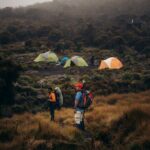
While many Kilimanjaro routes involve camping, the Marangu Route’s huts give trekkers a welcome break from setting up camp. These hut accommodations are basic but comfortable, with beds and some communal space. The warmth and shelter they provide can make a real difference in managing altitude and fatigue.
Expert Guides and Safety
The reviews highlight how knowledgeable guides keep the group safe, provide encouragement, and share interesting facts about the mountain’s flora and fauna. With safety equipment like oxygen tanks and first aid kits included, the tour emphasizes responsible management of the altitude risks.
Variety of Landscapes
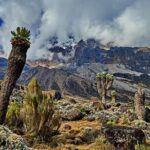
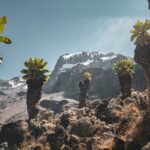
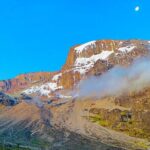
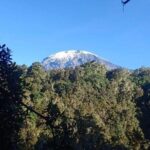
From lush rainforests filled with primates to barren alpine deserts, the route offers a visual feast. Trekkers often comment on the incredible diversity of scenery, making each day feel like a different adventure.
The View from the Top
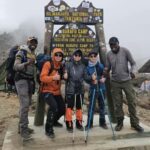
Reaching Uhuru Peak is a profound achievement. Many mention the breathtaking vistas and the thrill of standing at the rooftop of Africa. The sunrise views are often described as unforgettable, making the effort worthwhile.
Cost and Value Analysis
At $1,350 per person, this tour includes almost everything you need: airport transfers, park fees, permits, guided support, meals, accommodations, and safety gear. For a guided trek in a remote mountain with logistical complexities, this price offers good value, especially considering the all-inclusive nature and the convenience of staying in huts.
Though extra costs like international flights and personal gear aren’t included, the package simplifies your planning, letting you focus on the climb. Reviews note that the guides and porters are highly professional, adding to the overall value.
Practical Tips for Your Kilimanjaro Trek
- Prepare physically: Moderate fitness helps, especially for the summit night.
- Pack thoughtfully: Bring layers, sun protection, and a good sleeping bag.
- Stay hydrated: Water is provided, but sipping regularly makes a difference.
- Listen to your guides: Their experience is your best resource.
- Respect the environment: Leave no trace, especially in fragile alpine zones.
The Sum Up: Who Should Consider This Trek?
This Kilimanjaro tour is best suited for adventurers who value comfort without sacrificing challenge. It strikes a nice balance between accessibility and the sense of achievement, making it ideal for first-time mountain climbers or those who prefer guided support. The well-organized itinerary, combined with stunning scenery and knowledgeable guides, promises an experience that’s both rewarding and manageable.
If you’re after a reliable, scenic, and supported climb with most logistical details handled for you, this route offers excellent value for your money.
For travelers looking for a more rugged, camping-focused experience, other routes might be better. But for those wanting a smoother ascent with the safety net of huts and guides, the Marangu Route delivers.
5 Days Kilimanjaro Marangu Route Trek
FAQ
Is this trek suitable for beginners?
The Marangu Route’s moderate difficulty and comfortable huts make it accessible to those with decent fitness levels, even if it’s their first high-altitude trek.
What is included in the price?
The $1,350 fee covers airport transfers, park fees, permits, experienced guides, porters, meals during the trek, accommodations in huts, safety equipment, and a summit certificate.
Are meals provided during the trek?
Yes, breakfast, lunch, and dinner are included each day of the climb, with provisions for hydration and energy.
What should I bring?
Bring passport, hiking shoes, layered clothing, sun protection, rain gear, gloves, a sleeping bag, personal gear, and a reusable water bottle.
Are there any restrictions on who can participate?
The tour is not suitable for vegans, vegetarians, or people over 70 years old, based on the available information.
How long is the final summit push?
The summit attempt begins around midnight, lasting approximately 12-15 hours, including the ascent to Uhuru Peak and the descent.
What is the group size?
While specific group sizes aren’t provided, guided tours like this typically operate with a manageable group to ensure safety and personal attention.
Can I book the tour now and pay later?
Yes, the provider offers a flexible reserve-and-pay-later option to keep your plans adaptable.
In summary, the 5 Days Kilimanjaro Marangu Route Trek offers a solid, well-supported climb for those seeking a balance of comfort and adventure. With stunning landscapes, expert guides, and inclusive logistics, it’s a practical choice for a memorable ascent. Whether it’s your first high-altitude trek or a bucket-list trip, this tour packs significant value into a manageable, scenic journey.
You can check availability for your dates here: