Exploring the 5 Days Marangu Route Climbing Experience
Our review of the 5-day Marangu Route on Mount Kilimanjaro offers a practical look at what travelers can expect from this popular trek. Known as the “Coca-Cola” or tourist route, this climb is often favored by those who want a more comfortable and straightforward ascent without sacrificing the thrill of reaching Africa’s highest point.
What we particularly appreciate about this package is the comfortable sleeping huts at each camp, equipped with solar lighting and cozy beds — a significant upgrade over tent camping on other routes. Plus, the route’s short duration makes it accessible for those with limited time while still offering memorable scenery and a genuine sense of achievement.
Of course, no journey to the summit is without its challenges, and the altitude and early morning summit push can be tough for even seasoned hikers. It’s also worth noting that this route is ideal for travelers who prefer a less physically demanding experience with some creature comforts along the way. Perfect for first-timers or those with moderate fitness who want to tick off this iconic peak comfortably.
Key Points
- Comfortable huts at every campsite make this route more appealing for those who prefer a roof over their head.
- Shorter duration (5 days) provides a quicker ascent, suitable for those with limited time.
- Expert guides and shared communal meals add to the friendly, energetic atmosphere.
- Stunning views of Mawenzi, Kibo, and the surrounding landscape are highlights of each day’s trek.
- Altitude awareness is necessary, especially during the summit push, which is physically demanding.
- The route offers a good balance of scenery, comfort, and accessibility, making it a popular choice.
👉 See our pick of the Moshi’s 16 Top Tours & Things To Do
- Key Points
- Detailed Review of the 5-Day Marangu Route Climb
- Introduction to the Marangu Route
- The Itinerary Breakdown
- The Experience of the Huts and Guides
- The Value and Cost
- Authentic Experiences and Authentic Guides
- Who Should Consider This Tour?
- Final Thoughts
- FAQs
- The Best Of Moshi!
- More 5-Day Experiences in Moshi
- More Tour Reviews in Moshi
Detailed Review of the 5-Day Marangu Route Climb
You can also read our reviews of more tours and experiences in Moshi
Introduction to the Marangu Route
The Marangu Route, often called the Coca-Cola Route because of its reputation for being the easiest and most straightforward path to Uhuru Peak, is a favorite among climbers seeking comfort and efficiency. Unlike more rugged routes, Marangu’s distinctive feature is the network of sleeping huts at each major camp, equipped with solar lights and beds with sponge mattresses — a rare luxury at altitude.
While it’s the shortest route, don’t mistake its simplicity for a walk in the park. Ascending to 5,895 meters (19,341 feet), you’re still tackling a formidable challenge, but with the added benefit of shared dining huts and communal energy, which creates a lively atmosphere among climbers from around the world.
The Itinerary Breakdown
Day 1: Moshi to Mandara Hut via Rainforest
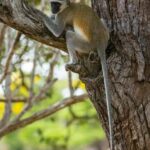
Your adventure kicks off after a morning pickup in Moshi, followed by about an hour’s drive to Kilimanjaro National Park Gate. Here, you’ll register and start your walk through the lush montane forest of Kilimanjaro’s lower slopes. Expect to see towering eucalyptus trees, active Colobus monkeys, and a variety of birdlife.
The hike covers about 8km (5 miles) in roughly 3-4 hours. The rainforest ambiance is peaceful, and the side trip to Maundi Crater offers panoramic views over Northern Tanzania and Kenya. The emphasis here is on acclimatization and gentle start, setting a relaxed tone for the days ahead.
Day 2: Mandara Hut to Horombo Hut via Heathland
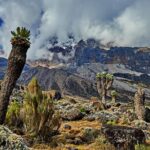
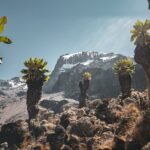
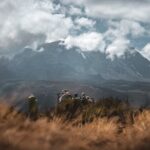
Leaving the rainforest behind, your path opens up onto moorlands with sweeping views of Mawenzi and the Kibo summit. This 12km (7.5 miles) trek takes around 5-6 hours, traveling through an open landscape dotted with giant lobelias and ground grouse. The terrain starts to change, and some climbers report feeling the effects of altitude here.
The Horombo Hut sits at 3,700 meters (12,139 feet), and this camp provides a good place to rest and acclimate. The communal atmosphere in the hut is lively, with climbers sharing stories and preparing for the ascent on the following days.
Day 3: Horombo to Kibo via Saddle
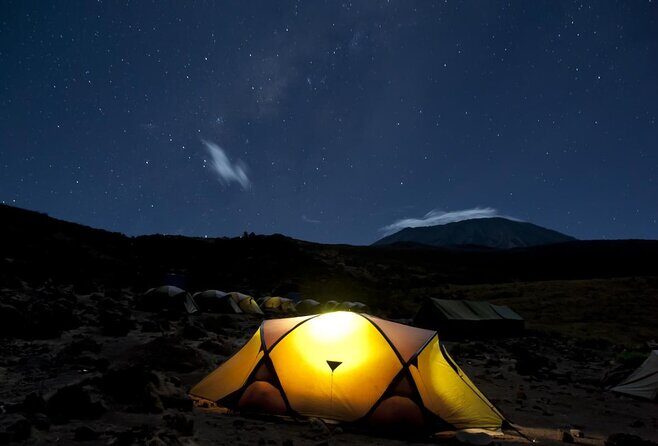
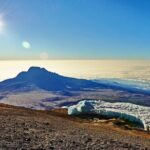
The journey continues over about 9km (5.5 miles) in 5-6 hours, ascending onto the saddle between the peaks of Kibo and Mawenzi. Vegetation diminishes as you approach the moonscape of the alpine desert zone. The landscape is stark and otherworldly, perfect for dramatic photos.
This is the last water source before the summit, so it’s a critical stop for rehydration and rest. The atmosphere is quiet but expect some anticipation as everyone prepares for the early start the next day.
Day 4: Summit Day — Gilmans Point and Uhuru Peak
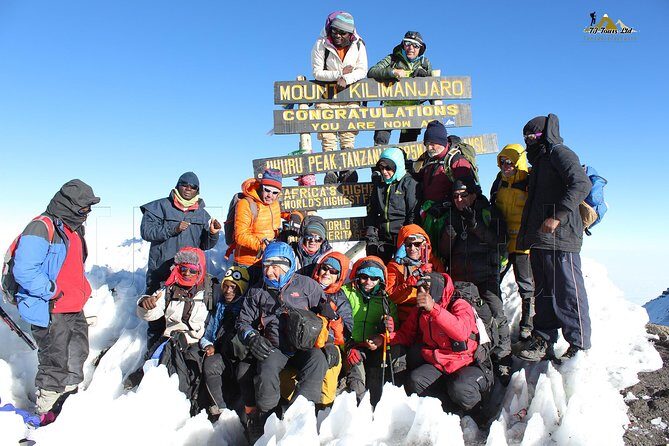
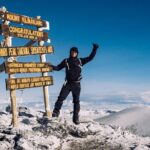
Starting around midnight, you face the most physically demanding part of the ascent. The trail is steep, covered with scree or snow, and requires careful footing. The climb to Gilmans Point (5,680 meters / 18,638 feet) and then to Uhuru Peak (5,895 meters / 19,341 feet) takes roughly 6-8 hours, depending on pace.
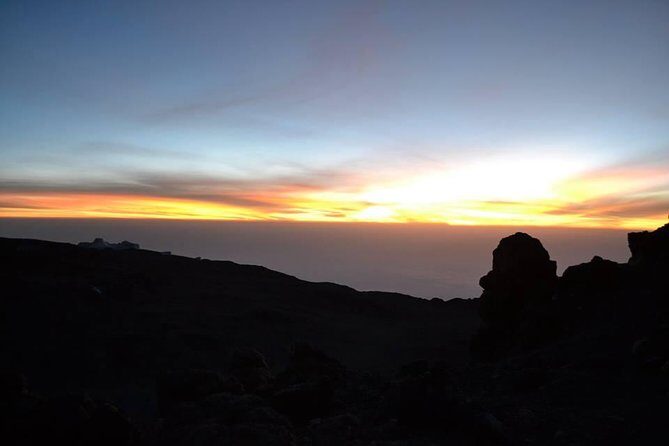
This is the moment to put your headlamp to good use and bundle up against the cold. The views from the summit are unforgettable, with expansive vistas and a sense of accomplishment. Many climbers mention the cold and fatigue but agree the thrill of standing on Africa’s highest point is worth every effort.
After a quick celebration and photos, you’ll begin your descent back to Kibo, then to Horombo Hut for a well-earned rest and meal.
Day 5: Descend to Moshi
The final day involves a 4-5 hour walk downhill through lush forest, covering about 20km (12.5 miles). Muddy terrain at the lower levels and the need for gaiters and trekking poles are common considerations. Once back at the park gate, a vehicle will transfer you to your hotel in Moshi, ending your trek.
The Experience of the Huts and Guides
The huts at Mandara, Horombo, and Kibo are a distinctive feature of the Marangu route. With 60 beds at Mandara and Kibo, and 120 beds at Horombo, the communal environment fosters camaraderie among climbers. Many reviews praise the knowledgeable guides — called Kelvin and Peter in the glowing testimonials — for their professionalism, friendliness, and ability to keep spirits high.
Climbing in a group from many nations, you’ll share meals and stories, creating a lively, energetic atmosphere that makes the journey more enjoyable. The guides’ expertise in navigating the terrain and acclimatization strategies contribute significantly to the success of the climb.
Bathrooms and running water at the lower camps add to the comfort, although basic latrines are the norm at the higher camps. The huts are equipped with solar lights, which help you feel a bit more at home at altitude.
The Value and Cost
Priced at around $2,043 per person, this package offers good value considering includes all park fees, guides, meals, and accommodations. The comfort level—sleeping in huts with beds—adds to the overall experience, especially for those who dislike camping in tents.
When comparing this to more rugged routes, the added convenience often justifies the slightly higher price. On top of that, the shorter duration means less overall fatigue and a quicker route to bragging rights.
Authentic Experiences and Authentic Guides
From the reviews, it’s clear that guides like Kelvin and Peter leave a strong positive impression. Their local knowledge and friendly approach make the climb smoother and more engaging. Many climbers note that the guides help them navigate the challenging altitude, making a difficult trek feel achievable.
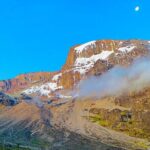
The stunning scenery — from rainforests to moonscape plains and snow-capped summit — combined with the shared meals and camaraderie at the huts, creates a genuine, memorable adventure that goes beyond just reaching the top.
Who Should Consider This Tour?
This climb is well-suited for those who want an accessible introduction to Kilimanjaro without skipping the iconic scenery and summit experience. It’s perfect if comfort matters to you, and you’re willing to accept the physical challenge with some support and amenities.
Travelers with moderate fitness levels who are prepared for early mornings and altitude fatigue will find this route rewarding. First-time climbers or those short on time but eager to reach Africa’s highest point will appreciate the efficient itinerary.
It’s also an excellent choice for travelers who value guided expertise and a lively, communal atmosphere — the guides and fellow climbers often become part of the memory.
Final Thoughts
The 5-day Marangu Route combines relatively straightforward logistics, comfortable huts, and stunning scenery into a package that offers both adventure and convenience. While the ascent still demands physical effort and altitude acclimatization, the added comfort of shared huts and communal meals makes the experience more welcoming.
The guides’ professionalism and the route’s manageable pace help ensure success, and the spectacular views at each stage keep motivation high. It’s a route that balances ease, comfort, and achievement, making it a popular choice for many climbers.
If you’re seeking a less rugged, more social climb with the thrill of summiting Africa’s highest peak, this Kilimanjaro tour delivers a balanced, well-supported experience that’s hard to beat.
5 Days Marangu Route Climbing
FAQs
What is included in the tour price?
The price covers park entrance fees, guides, meals, and accommodation in huts at each camp. It also includes pickup from Moshi and transportation to the park gate.
How physically demanding is the climb?
You should have a moderate fitness level. The route involves walking 3-6 hours per day on varied terrain, with significant altitude gain. The early morning summit push is the most challenging part.
Are the huts comfortable?
Yes, the huts have solar lighting and beds with sponge mattresses and pillows. They provide a significant upgrade from tent camping, especially for those who prefer some comfort at altitude.
What should I bring?
Prepare for cold temperatures, especially during the summit climb. Warm layers, sleeping gear, waterproof clothing, sturdy hiking boots, and headlamps are essentials. Gaiters and trekking poles are also recommended.
How many people will be in my group?
This is a private tour, so only your group participates. It offers a personalized experience with guides dedicated to your group.
What if I want to extend my stay or customize the trip?
The standard itinerary is 5 days but can be extended to 6 days for better acclimatization. Contact the provider for customization options.
To sum it up, this Kilimanjaro climb offers a blend of convenience, camaraderie, and stunning scenery that appeals to a wide range of travelers. It’s especially suited for those who want to avoid the rigors of tent camping and appreciate the comfort of shared huts, without sacrificing the thrill of conquering Africa’s tallest mountain. The knowledgeable guides and vibrant atmosphere make it a trek worth considering for your Tanzanian adventure.