- Introduction
- Key Points
- A Detailed Look at the 5 Days Marangu Route Kilimanjaro Trekking
- Day 1: From Rainforest to Mandara Hut
- Day 2: From Mandara to Horombo
- Day 3: From Horombo to Kibo
- Day 4: The Summit Push
- Day 5: Descending and Celebrating
- What’s Included and What’s Not
- Transportation & Logistics
- The Experience: What Sets It Apart
- The Food and Support
- The Challenges
- Who Should Consider This Tour?
- The Sum Up
- FAQ
- The Best Of Arusha!
- More 5-Day Experiences in Arusha
- More Hiking & Trekking Tours in Arusha
- More Tour Reviews in Arusha
Introduction
 1 / 3
 2 / 3
 3 / 3
Climbing Mount Kilimanjaro is often seen as a pinnacle of African adventure, and the 5 Days Marangu Route offers a solid way to take on this challenge without getting lost in the crowd. While it’s known as the Tourist or Coca-Cola route — partly because of its popularity and the availability of sleeping huts serving beverages like Coca-Cola — it remains a rewarding choice for travelers seeking a blend of comfort, scenic beauty, and a true feat of endurance.
Two things we especially appreciate about this trek are the well-organized itinerary that balances exertion with rest, and the knowledgeable guides who help make the journey safer and more memorable. That said, the long ascent on the final day is not for the faint-hearted or those unprepared for a very early start.
This tour is ideal for those who want a guided experience with some comfort, enjoy stunning vistas, and are comfortable with a physically demanding adventure. If you’re seeking an organized climb with reliable logistics and a chance to experience Africa’s highest peak, this could be a great fit.
👉 See our pick of the Arusha’s 7 Best Tours & Things To Do
Key Points
- Comfortable overnight stays in huts make the climb accessible and less physically taxing than camping routes.
- Expert guides and included porters ensure safety, support, and local insight throughout the trek.
- Stunning scenery, from lush rainforests to panoramic views from the summit, is a highlight.
- Good value for the price, considering all included services, gear, and accommodations.
- Long days and early mornings are part of the experience, requiring preparation and stamina.
- The route’s popularity means it can get busy, but the infrastructure and services offered are reliable.
You can also read our reviews of more hiking tours in Arusha
A Detailed Look at the 5 Days Marangu Route Kilimanjaro Trekking
Day 1: From Rainforest to Mandara Hut
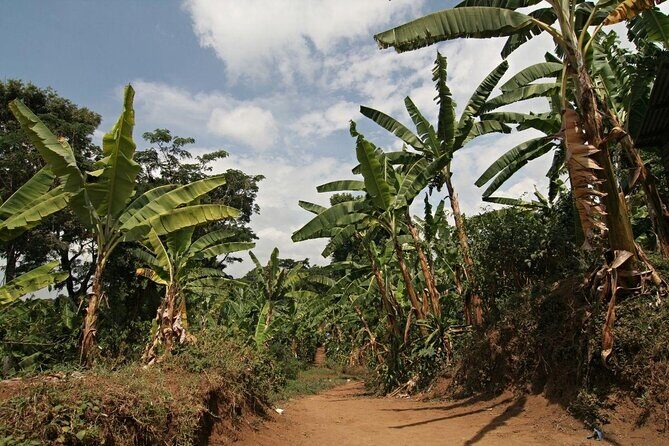
Your adventure begins in Moshi, where you’re picked up early and driven to the Kilimanjaro National Park gate. The first part of the trek takes about five hours, covering 8.3 km through lush, dense rainforest. You’ll notice the impressive vegetation and might catch a glimpse of some primates darting through the trees — a lively start to your ascent.
The highlight here is reaching the Mandara Hut, a cozy spot where you can relax after a good hike. From there, your guide might take you to Maundi Crater for panoramic views of the Kenyan interior — a worthwhile detour that offers a taste of what’s to come. This day is manageable in terms of exertion and sets a relaxed tone, perfect for acclimatization.
Day 2: From Mandara to Horombo
After breakfast, you’ll leave Mandara Hut and trek through varied terrain, passing the timberline and entering the heath and moor zone—a landscape full of heather and giant lobelias. This walk covers 12.5 km in about nine hours, making it a longer day but filled with spectacular scenery.
As you approach the Horombo Hut at 3,700 meters, you’ll be greeted by views of Mawenzi, Kilimanjaro’s eastern peak, and the broad Masai steppe. Many reviews mention the “amazing views overlooking Mawenzi,” which makes the effort worthwhile. This day acts as a vital step in adjusting to the increasing altitude, and the well-maintained trail reflects the route’s popularity.
Day 3: From Horombo to Kibo
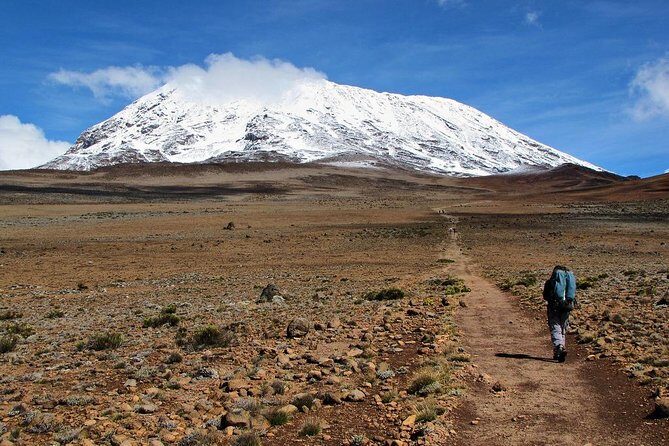
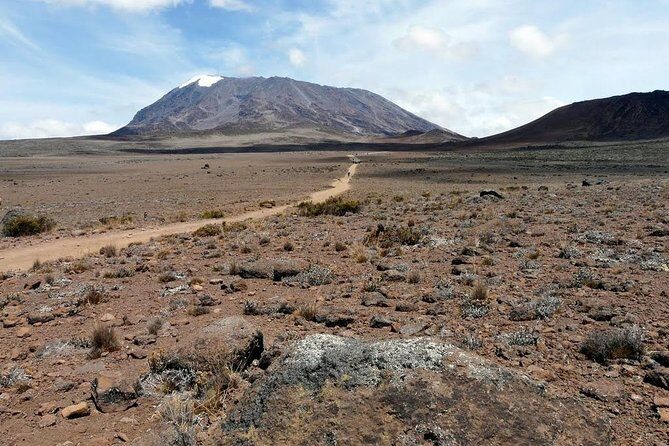
Today’s challenge is a longer, tougher hike of around 9.5 km over approximately seven hours. You’ll pass the Last Water Point and head toward the saddle, a nearly treeless plateau that links Kibo and Mawenzi. The landscape here is less lush, more rugged, and starkly beautiful.
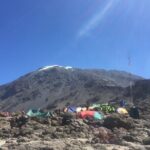
Reaching Kibo Hut at 4,700 meters, you’ll likely feel the altitude more, so your guide’s advice on pacing and hydration will be crucial. Many trekkers report that the short, intense day prepares you well for the final push and that the views are “fantastic” — a reminder that the effort pays off. An early evening meal and rest help prepare for the early start the next day.
You can also read our reviews of more tours and experiences in Arusha
Day 4: The Summit Push
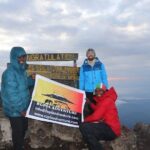
This is the “big day” — the final ascent of around 22 km, which can take between 12 and 15 hours, often starting around midnight. The goal is to reach Uhuru Peak at 5,895 meters, the highest point in Africa.
The climb is long, cold, and demanding, but the sense of achievement at sunrise from Gillman’s Point (5,681 meters) is unmatched. You’ll walk past the Hans Meyer Cave at 5,220 meters, and then, after a few hours of steady climbing, you’ll stand on the summit, gazing out over Africa’s vast landscape.
Post-summit, you’ll descend back down to Kibo Hut, where a hot meal awaits, and then continue down to Horombo Hut. Many reviews highlight the “long and strenuous” nature of this day but also praise the guides’ support and the breathtaking scenery.
Day 5: Descending and Celebrating
The final day involves a descent through the heath zone, passing the Mandara Hut on your way back to the park gate. Covering around 20.8 km in about 8 hours, this part is a mix of jungle-like rainforest and open savanna. As you walk, you’ll reflect on your triumph.
Once you reach the park gate, a transfer takes you back to Moshi, where you can enjoy a warm shower and celebrate your achievement. Many reviewers mention the “sense of pride” and “relief” upon completing the trek, and the feeling of accomplishment is well-deserved.
What’s Included and What’s Not
The tour package covers almost everything you need for a successful climb: professional guides, porters, all camping gear, meals, rescue fees, and taxes. The only extras are optional items like renting climbing gear or a sleeping bag, personal souvenirs, or tips — which many find reasonable considering the comprehensive nature of the package.
While the price of around $1,800 may seem steep for some, it reflects the quality of included services, gear, and the expertly organized support team. Many reviews note the value in having delicious meals and comfortable huts rather than camping rough, making this route more accessible for those less keen on camping.
Transportation & Logistics
You are collected from your Moshi hotel early in the morning, and the transfer to Kilimanjaro National Park is included. The tour operates as a private experience, meaning your group will have dedicated guides and porters, adding a personal touch and flexibility. Starting at 1:30 am for the summit push, the schedule is designed to optimize your chances of reaching the peak safely.
The Experience: What Sets It Apart
This route’s popularity is a double-edged sword. On the positive side, the infrastructure — huts, well-maintained trails, and reliable guides — is top-notch. You’ll appreciate the support and safety that comes with experienced guides, especially on the final, grueling ascent.
Many travelers have praised the guides’ patience, knowledge, and humor, which make the long days more bearable. As one reviewer said, “Walter was patient and made sure I felt comfortable,” highlighting the importance of good leadership. You’ll also love the stunning views of the mountain, the lush rainforest, and the wide-open plains at higher elevations.
The Food and Support
Another highlight is the delicious food served at the huts — many describe it as “excellent” and “tailored throughout the trek.” You’ll enjoy hearty meals after long days, which are crucial for recovery. The included cooking equipment and the porters’ support help make this possible, turning what could be a very uncomfortable experience into something more enjoyable.
The Challenges
The main drawback is the physical strain — especially on the third and fourth days, which involve long, steep climbs and a very early start. Many reviews acknowledge this, noting that stamina and mental toughness are necessary. The ascent on Day 4 involves a midnight start and climbing in the cold, which can be daunting, but many find the sunrise views from Gillman’s Point unforgettable.
Who Should Consider This Tour?
This trek is best suited for adventurous travelers who want a guided, organized climb with some comfort. It’s great for those who prefer sleeping in huts over tents, and who are prepared for some strenuous days. The route’s popularity means it can be busy, but the logistics are solid.
If you’re looking for a challenging yet manageable way to stand on Africa’s highest point, and value having support from experienced guides and porters, this tour offers excellent value. It’s also a good choice if you want a more comfortable experience on Kilimanjaro without sacrificing the adventure of reaching the summit.
The Sum Up
The 5 Days Marangu Route Kilimanjaro Trekking by Mafie Adventures is a well-organized, reliable option for those looking to conquer Africa’s tallest mountain with some comfort and professional support. The inclusion of sleeping huts, expert guides, and delicious meals makes this a practical choice for many climbers, especially those new to high-altitude trekking.
While the ascent is physically demanding and requires mental resilience, the route’s infrastructure and support team make the journey safer and more enjoyable. You’ll love the stunning vistas, the sense of achievement, and the personal attention from guides that many reviews commend.
This experience is perfect for adventurers seeking a guided climb with comfort, travelers who want a safely managed expedition that still offers the thrill of summit day, and those willing to invest in a comprehensive package. If you’re ready for an adventure that combines scenic beauty, cultural richness, and physical challenge, this Kilimanjaro trek is worth considering.
5 Days Marangu Route Kilimanjaro Trekking
FAQ
What does the tour include?
It includes all camping equipment, meals (breakfast, lunch, dinner), porterage, rescue fees, taxes, and a professional guide. Transportation from Moshi to the park gate is also included.
Are the sleeping huts comfortable?
Yes. Unlike camping routes, the Marangu Route offers huts with beds, which provide more comfort and shelter, especially important for rest and recovery at high altitude.
Is this route suitable for beginners?
While not a beginner’s walk in the park, the route’s infrastructure and support make it accessible for those with good physical fitness and determination. Proper acclimatization and preparation are essential.
How difficult is the summit day?
The summit day involves a long, strenuous climb starting around midnight, with a total ascent of about 15 hours. Many find it tough but rewarding, especially with the support of experienced guides.
What if I don’t have climbing gear?
Climbing gear is available for rent. The tour also provides all necessary camping and cooking equipment, so you don’t need to bring much.
How fit do I need to be?
You should be prepared for long days of walking and altitude. The route involves covering up to 22 km on summit day, with significant altitude gain.
What is the best time of year for this trek?
The tour’s schedule isn’t specified, but Kilimanjaro is usually climbed during dry seasons — from late June to October and December to February — when weather conditions are most favorable.
Can I customize this tour?
Since it’s a private tour, you can coordinate with Mafie Adventures for any adjustments, but the standard itinerary is well-structured to maximize safety and experience.
What is the cancelation policy?
This experience is non-refundable and cannot be changed once booked. Planning ahead is recommended to ensure availability.
In short, this Kilimanjaro trek offers a balanced mix of adventure, comfort, and professionalism. With reliable support, stunning scenery, and a challenging climb, it’s a fantastic choice for those ready to take on Africa’s highest peak with confidence.