Climbing Mount Kilimanjaro is a bucket-list goal for many travelers, and the 5-day Marangu Route offers a compelling way to reach Africa’s highest point without breaking the bank or spending too much time. This tour, offered by Intrepid Explorer Tanzania, is designed for those who want a well-organized, supportive climb with authentic local guides and a comfortable, hut-based experience.
While it’s the quickest route to the summit, it also comes with some trade-offs, primarily in success rates and the pace of ascent.
What makes this tour stand out? First, the supportive team of guides, porters, and cooks ensures you’re well cared for throughout the trek. Second, the scenic diversity — from lush rainforests to high-altitude deserts — keeps the experience visually captivating.
On the downside, the fast pace and rapid ascent mean you’ll need to be prepared physically and mentally, and success isn’t guaranteed — this route does have a lower success rate than some slower options.
Still, it’s ideal for travelers who want a balanced mix of challenge and comfort, and who appreciate the value of a full-service climb.
- Key Points
- Introduction: What to Expect from the 5 Days Marangu Route
- Detailed Breakdown of the Itinerary
- Day 1: From Moshi to Mandara Hut (Rainforest Trek)
- Day 2: To Horombo Hut
- Day 3: To Kibo Hut via the Saddle
- Day 4: The Summit Push – Uhuru Peak
- Day 5: Down to Moshi
- What the Tour Includes and What to Consider
- Authentic Support and Local Expertise
- The Value of the Hut Experience
- Success Rate and Physical Demands
- Final Thoughts: Who Will Love This Tour?
- Frequently Asked Questions
- The Best Of Moshi!
- More 5-Day Experiences in Moshi
- More Tour Reviews in Moshi
Key Points
 1 / 5
1 / 5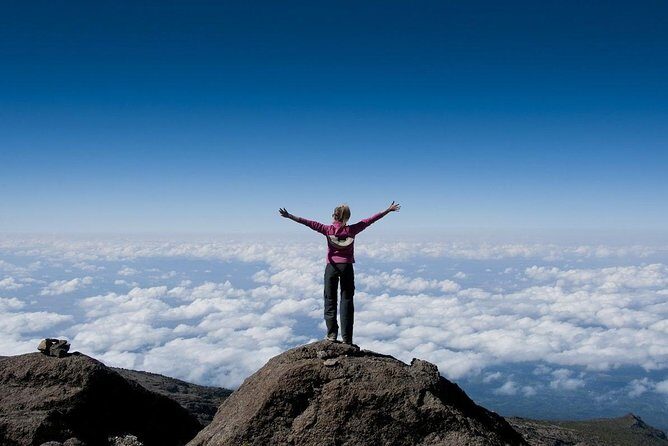 2 / 5
2 / 5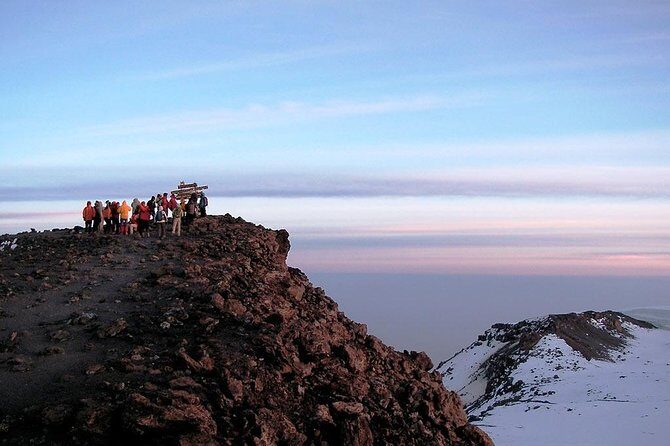 3 / 5
3 / 5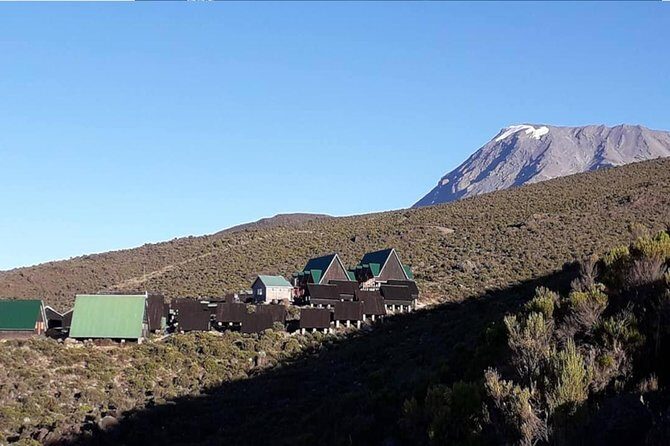 4 / 5
4 / 5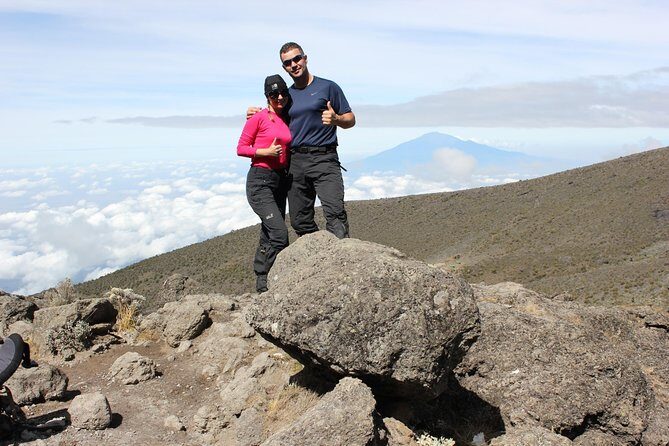 5 / 5
5 / 5- Well-organized support team with experienced guides, cooks, and porters
- Comfortable mountain huts provide shelter and warmth
- Fastest route to Uhuru Peak but with a slightly lower success rate
- Includes all fees and transfers, with hotel stays before and after
- Authentic local experience with knowledgeable guides
- Price point offers a good balance of value and adventure

👉 See our pick of the Moshi’s 16 Top Tours & Things To Do
Introduction: What to Expect from the 5 Days Marangu Route
For travelers looking to summit Kilimanjaro in a shorter amount of time, the Marangu Route is often called the “Coca-Cola Route,” thanks to its popularity and accessibility. This tour is especially appealing if you prefer a more structured, hut-based trek rather than camping** — you’ll sleep in mountain huts along the way, which means less gear to carry and a bit more comfort during those chilly nights.
What we love most about this experience are the dedicated guides who are both knowledgeable and friendly, making the ascent smoother and more enjoyable. You’ll also appreciate the stunning scenery, which transitions from lush rainforests to the moonscape of the Saddle, culminating at the summit. The price—$2,150 per person—includes most essentials, making it a strong value considering the logistics and support you receive.
However, keep in mind that this is a relatively quick ascent, which means your body will need to acclimate quickly to the high altitude. For some, this can lower the chances of reaching Uhuru Peak safely, especially if not in prime shape. This tour suits climbers who are reasonably fit, want a supported experience, and are comfortable with a challenging overnight that begins around midnight.
You can also read our reviews of more tours and experiences in Moshi
Detailed Breakdown of the Itinerary
Day 1: From Moshi to Mandara Hut (Rainforest Trek)
Your adventure begins with a pickup in Moshi, setting the tone for a well-organized trip. After reaching the Marangu gate, you’ll start walking through a dense rainforest, a lush, vibrant environment teeming with primates, birds, and impressive vegetation. The hike to Mandara Hut covers 8.3 km (5.2 miles) over around five hours, so you’ll want to pace yourself.
The guide will likely point out interesting flora and fauna along the way, adding an educational touch to the trek. Once you arrive at Mandara Hut, there’s a chance to explore Maundi Crater, offering panoramic views of the Kenyan interior, which enhances your appreciation of the landscape’s vastness. Many reviews highlight how smoothly this first day unfolds, with friendly staff and a manageable distance making it accessible even for less experienced trekkers.
Day 2: To Horombo Hut
After a hearty breakfast, you’ll depart Mandara and gradually ascend through heath and moorland zones. The trek, covering 12.5 km (7.8 miles) in about nine hours, is longer and more demanding, but the scenery grows more dramatic as you leave the lush rainforest behind. Around 4-6 hours into the day, you’ll reach Horombo Hut (3,700m), where the views of Mawenzi, Kibo, and the Masai steppe become spectacular.
This stage is crucial for acclimatization, and many guides emphasize the importance of pacing to prevent altitude sickness. The atmosphere at Horombo is often described as a lively base camp, with hikers sharing stories and preparing mentally for the next stage. The well-maintained trail, along with the support crew, makes this a memorable day.
Day 3: To Kibo Hut via the Saddle
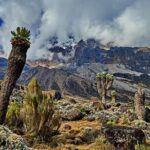
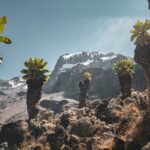
Today’s trek is long and physically demanding, covering about 9.5 km (5.9 miles) over roughly seven hours. The trail passes the Last Water Point, a critical rest stop for refilling supplies, then crosses the Saddle, a stark, vegetationless plateau that joins Kibo and Mawenzi. Walking across this high-altitude desert is akin to stepping onto another planet.
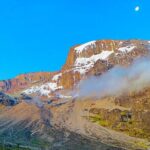
Reaching Kibo Hut (4,700m) signals that you’re getting close to the final summit push. The environment here is stark but awe-inspiring, with views of Kilimanjaro’s crater rim. Many climbers mention feeling tired but motivated, knowing that the next day’s early start is the climax of the adventure.

Day 4: The Summit Push – Uhuru Peak
This is the legendary “big day.” The ascent begins around midnight, and the route takes you through Hans Meyer Cave at 5,220m, then across the crater rim to Gilmans Point (5,681m). The climb is tough, with cold, darkness, and fatigue all working against you, but the sunrise at Gilmans is unforgettable.
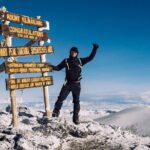
From there, it’s a further 1-2 hour hike to Uhuru Peak (5,895m), the highest point in Africa. Many reviews or guides mention how the final stretch, though grueling, rewards climbers with an incredible sense of achievement. After celebrating your summit, you’ll retrace your steps back to Kibo Hut for a warm meal, then continue downhill to Horombo Hut, completing the day’s long, strenuous journey.
Day 5: Down to Moshi
The final day is about reflection and descent. You’ll leave Horombo, passing through the moorland and rainforest zones again, enjoying a warm lunch at Mandara Hut. The walk back to the gate takes around six hours, and many describe it as a bittersweet experience—relieved to have made it, but sad to leave the mountain behind.
Your guides will assist with your departure at the Marangu gate, and a transfer will take you back to Moshi. Many travelers feel a sense of accomplishment, along with the camaraderie built during the climb, and the chance to relax afterward with a hot shower.
What the Tour Includes and What to Consider
This package covers all fees, taxes, transfers, and accommodations before and after the climb. The support staff — guides, cooks, and porters — are the backbone of this experience, ensuring safety, comfort, and morale.
The price of $2,150 reflects the value of a fully supported, hut-based tour, including hot water, meals, and emergency oxygen (for emergencies only). The fact that hotel stays are included before and after the climb means you can focus on the mountain without worrying about extra logistics or accommodations.
However, extras like personal gear, snacks, water purifying tablets, or optional portable toilets aren’t included, so it’s worth planning accordingly. Also, visas, flights, and travel insurance are separate costs, so budget accordingly.
Authentic Support and Local Expertise
Many reviewers praise the knowledgeable guides who are not only skilled climbers but also passionate storytellers, sharing insights about Kilimanjaro’s geology and local culture. One reviewer noted, “Most friendly staff. From porters to cooks, guides, and the organizer Wence — all went well.” This indicates a supportive team that genuinely cares about your experience.
The Value of the Hut Experience
Sleeping in mountain huts might not appeal to everyone — especially those accustomed to camping or seeking off-the-beaten-path adventures — but it offers benefits in comfort and convenience. Many find it easier to rest, recover, and prepare for the next day in a warm, sheltered environment.
Success Rate and Physical Demands
Given the rapid ascent, success isn’t guaranteed. This route’s higher success rate is slightly lower than slower routes, so proper acclimatization and physical readiness are crucial. Many reviews echo this sentiment, emphasizing the importance of being in good shape and listening to your guides’ advice.
Final Thoughts: Who Will Love This Tour?
This 5-day Marangu Route is an excellent choice for adventurers seeking a supported, hut-based climb with a focus on comfort and efficiency. If you want to maximize your chances without spending too many days, and don’t mind the tight schedule, this tour hits the right notes.
It’s particularly suited for those who appreciate authentic local guides, good value, and scenic variety — from rainforest to alpine desert. If you’re prepared for the physical challenge and motivated to reach the summit within a shorter timeframe, this could be the Kilimanjaro adventure for you.
However, if you’re concerned about success rates or prefer a slower pace for better acclimatization, you might consider longer routes. But for a well-supported, memorable climb, this tour offers a compelling package.
5 days Marangu Route
Frequently Asked Questions
Is the price of $2,150 per person reasonable for this experience?
Considering that it includes all fees, transfers, accommodation before and after, meals, and support staff, it offers good value for a guided Kilimanjaro climb. Support, comfort, and logistics are built into that cost.
Are all meals and water included?
Most meals (5 lunches, 4 dinners, 4 breakfasts) are included, along with hot water for washing and drinking water. Personal snacks or water purifying tablets are not included.
What’s the main benefit of the hut system on Marangu?
Sleeping in mountain huts provides shelter from the elements, saving you from carrying tents and gear, and offers a more comfortable resting place — especially in cold weather.
How long does the final summit day take?
The summit day begins around midnight and can last 12 to 15 hours, depending on pace and conditions. It’s a long, demanding day but culminates in reaching Uhuru Peak.
Is this route suitable for first-time climbers?
While many first-timers have succeeded here, the rapid ascent requires good physical preparation. Be honest about your fitness level and listen to your guides.
What are the main scenery highlights?
Expect lush rainforest at the start, then moorlands, the stark Saddle desert, and finally the crater rim with panoramic views from Gilman’s Point and the summit.
Are the guides experienced?
Yes, reviews praise the guides’ friendliness and expertise, ensuring safety and sharing interesting insights along the way.
Can I arrange additional gear or rent equipment?
Yes, some gear can be rented from the local equipment store in Tanzania. Check with the tour provider about what’s available.
What if I don’t reach the summit?
Altitude sickness or fatigue might prevent success; your guides will advise when to turn back. Safety always comes first.
Is there a cancellation policy?
Yes, you can cancel for a full refund if you do so at least 24 hours before the start. Less notice means no refund.
The 5-day Marangu Route balances support, scenery, and efficiency, making it a solid choice for travelers who want to conquer Kilimanjaro without excessive time commitment. With a team of dedicated guides, cozy huts, and a well-structured itinerary, this tour provides a comprehensive and authentic Kilimanjaro experience. While it’s not the easiest route, the sense of achievement and the stunning landscapes are worth every step. If you’re prepared for the physical challenge and value good support, this climb will likely deliver memories that last a lifetime.