Thinking about tackling Mount Kilimanjaro but unsure where to start? This 6-day Marangu route offers a fascinating mix of convenience and scenery, especially for those who prefer overnight mountain huts rather than camping. As one of the most historically popular routes (often called the Coca-Cola route), it’s a gentle introduction for first-timers or travelers who want a more comfortable trek.
What we like most about this tour is the all-inclusive nature—from park fees to the support staff—and the opportunity to stay in permanent huts at each overnight stop. Plus, the strong reputation it has for expert guides and good organization makes it a trustworthy choice.
On the flip side, some trekkers note that the route’s popularity means it can be crowded, and the scenery, while beautiful, might not feel as remote as camping routes.
This tour is best suited for those who want to reach the summit without camping, are willing to invest in a well-organized and supported climb, and are comfortable with moderate physical activity. If you’re looking for a straightforward way to stand on the highest point in Africa with less logistical hassle, this could be your ideal choice.
- Key Points
- An In-Depth Look at What to Expect
- Starting Out: From Moshi to Marangu
- Stepping Out of the Rainforest: Day Two
- Acclimatization and the Mawenzi Ridge
- Approaching the Summit: Day Four & Five
- Reaching Uhuru Peak
- The Descent and Return to Moshi
- Is It Worth the Price? Breaking Down the Value
- Practical Details: Logistics and Tips
- Authentic Experiences Shared by Travelers
- Final Thoughts: Is This Tour Right for You?
- FAQ
- The Best Of Moshi!
- More 6-Day Experiences in Moshi
- More Tour Reviews in Moshi
Key Points
- Comfortable overnight stays in mountain huts make this route accessible for beginners.
- All-inclusive fees cover park entrance, conservation fees, and support staff, offering clear pricing.
- Expert guides and porters ensure safety, support, and local insights throughout the trek.
- The itinerary balances acclimatization with scenic viewpoints, including Mawenzi and Kibo peaks.
- Tough early mornings and steep sections, especially on summit day, require good physical fitness.
- The price point reflects a well-supported, all-in package—great value for convenience and security.
👉 See our pick of the Moshi’s 16 Top Tours & Things To Do
An In-Depth Look at What to Expect
You can also read our reviews of more tours and experiences in Moshi
Starting Out: From Moshi to Marangu
Your adventure begins with a drive from Moshi to the Marangu gate, about four hours, where you’ll meet your guides and get registered. The initial trek is through Kilimanjaro’s lush rainforest zone, where you might spot colobus monkeys and vibrant birdlife. You’ll appreciate the easy first day—walking about four hours—to reach Mandara Hut, a familiar comfort zone with huts that make for a cozy overnight.
Several reviews praise the effortlessness of this part; one said, “The organization from start to finish was excellent, and the crew did a sensational job,” emphasizing how well everything is handled. The park fee is included, so there are no surprises here, and you’ll even get a glimpse of Maundi Crater’s breathtaking views.
Stepping Out of the Rainforest: Day Two
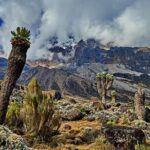
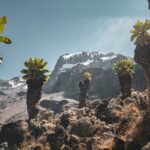
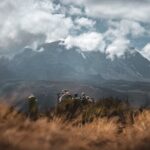
The landscape starts changing as you leave the forest behind into heather and moorland zones. This is where the scenery begins to open up, and you’ll see Kilimanjaro’s iconic peaks—Kibo and Mawenzi—in the background, especially on clear days. Expect a longer hike (about six hours), but one that rewards with spectacular views and the chance to see Kilimanjaro’s groundsel plants, special to the park.
Travelers highlight the gradual ascent and how the landscape’s transition makes the trek feel like a proper mountain experience. One reviewer noted, “Today starts to feel more like a mountain trek with towering peaks in the background.”
Acclimatization and the Mawenzi Ridge
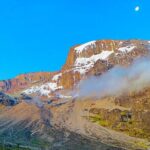
Day three is key for adjusting to the altitude. The route takes you towards Mawenzi Peak, which is often unclimbed and offers a stark, rugged landscape. The aim is to reach the rim of Mawenzi ridge, with stunning views of both the Kibo and Mawenzi peaks. Afterward, you’ll descend to the Horombo Hut for a second night, giving your body time to adapt.
This day’s highlight, according to many, is the alpine desert scenery—a raw, windswept landscape that feels miles from civilization. A reviewer fondly mentioned the “stunning views of peaks” and how the trip’s design supports proper acclimatization.
Approaching the Summit: Day Four & Five
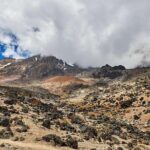
Day four is a steady climb through the barren saddle between Kibo and Mawenzi, leading you into the alpine desert. By this point, the terrain turns into volcanic scree and stark volcanic rock, a landscape that’s both breathtaking and challenging. You’ll arrive at Kibo Hut in the afternoon, resting up for the big push.
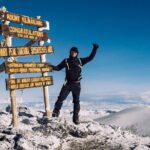
The highlight—and perhaps the most intense moment—is the night ascent to Uhuru Peak. The departure is typically around midnight, with trekkers facing steep, loose volcanic scree in near-freezing temperatures. You’ll zigzag your way past Gilman’s Point and then Stella Point before reaching the summit at 5895 meters. The climb is tough, but reviews praise guides like Calvin and Lightgody for their support, awareness of altitude sickness, and genuine care.
Reaching Uhuru Peak
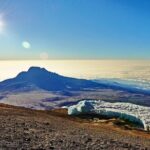
Standing on Africa’s highest point is an unforgettable moment. One reviewer described it as “an unbelievable feeling, with a 360-degree view of the horizon.” The experience is often described as surreal and filled with a sense of achievement. You’ll spend only a short time at the summit because of the thin air before descending back to Kibo Hut for brunch.
The Descent and Return to Moshi
The final day involves a 6-hour descent back through the rainforest zone, passing familiar sights from the start. It’s a steady walk, but the satisfaction of having conquered Kilimanjaro makes it rewarding. Most trekkers leave with a sense of fulfillment—and their group often takes pride in sharing stories from the ascent.
After completing the trek, you’ll be driven back to Moshi, often with the crew nearby to accept gratuities, which are not included in the package but appreciated for their hard work.
Is It Worth the Price? Breaking Down the Value
At $2,210 per person, this all-inclusive package offers good value, especially considering the support staff, park fees, and comfort of mountain huts. The price covers expert guides, porters, meals, water, and safety equipment including emergency oxygen and first aid. It’s clear that the tour prioritizes safety and comfort, which is essential on a mountain as challenging as Kilimanjaro.
Many reviews mention how well-organized and supportive the team was. The inclusion of luggage porter service (carrying 15kg of personal gear per person) allows you to focus on the trek without heavy burdens.
While some may find the cost steep for a 6-day trek, the well-supported nature and huts instead of camping make this more accessible. Plus, the reviews repeatedly praise guides and crew for their professionalism and kindness, making the experience smoother.
Practical Details: Logistics and Tips
The tour starts at 9:00 am from the Shah Tours office in Moshi, with pickups included. The entire trip lasts about six days, with most of the day spent walking through various landscape zones. You should be prepared for early mornings and steep ascents, especially on summit night.
The group size is not specified but given the mention of minimum guide ratios, it suggests a well-managed, intimate experience. The terrain, while challenging, is non-technical, making it suitable for fit amateurs willing to push themselves.
What’s included? Expect park entry, hut fees, park conservation fees, experienced guides, porters, meals, and water from the first hut onward. Extras like personal gear or upgrades are not included, so plan accordingly.
What to bring? While the tour provides basic sleeping mats and utensils, you might want to bring your own warm layers, headlamp, and personal water bottle (since plastic bottles are not permitted on the mountain).
Authentic Experiences Shared by Travelers
Reviewers consistently mention the dedication of guides and porters, describing them as warm, caring, and professional. One wrote about how Calvin went above and beyond, noticing symptoms of altitude sickness and staying with a fellow trekker, even carrying their pack in the final stretch.
The culinary aspect is also a highlight for many, with meals designed for mountain survival but also surprisingly tasty considering the circumstances. A reviewer mentioned, “The cook and assistant prepared just the right meal,” which adds to the comfort of staying in huts.
The sense of camaraderie built during the trek—shared triumphs and the support of guides—frequently emerges as a true highlight. Many describe their guides as friendly, attentive, and knowledgeable, making the climb not just about reaching the summit but about the journey itself.
Final Thoughts: Is This Tour Right for You?
This 6-day Kilimanjaro Marangu climb delivers a reliable, well-supported experience in a package that’s especially appealing to beginners or those who prioritize comfort. The mountain huts eliminate the need for camping gear and allow for restful nights, which can make a big difference in overall enjoyment and recovery.
If you value professional guidance, safety, and a clear, organized itinerary, then this tour offers excellent value. It’s suited for active travelers who are in decent shape and prepared for early starts and steep climbs. The price includes everything, removing surprises and allowing you to focus on the experience.
While it may not be the most remote or challenging route Kilimanjaro has to offer, it strikes a good balance—making Africa’s highest peak accessible without sacrificing the thrill of standing on the summit.
6-Day Kilimanjaro Marangu Climb
FAQ
Is this trek suitable for beginners?
Yes, the route is non-technical and designed to be accessible for beginners, especially those who are physically active and willing to acclimate properly.
Are meals included?
Yes, breakfast, lunch, and dinner are provided, with five dinners and six lunches included in the package.
What is the price of the tour?
The tour costs $2,210 per person, which covers park fees, accommodations in huts, guides, porters, meals, and safety equipment.
Are park entry and hut fees included?
Yes, all fees related to park entry, conservation, huts, and rescue are included in the package.
What support do I get from the guides and crew?
You’ll have certified guides, porters, a personal cook, and waitstaff. They support your safety, help with acclimatization, and provide meals and water.
Can I upgrade to private huts?
Private huts or self-contained accommodations are not included, and upgrades are not listed as part of this package.
What about tips and gratuities?
Tips are not included but are customary and appreciated for guides and crew. They can be handed out at the end of the trek.
What should I bring?
Basic personal gear such as warm clothing, a headlamp, personal water bottle, and any additional personal equipment you prefer—though the tour provides sleeping mats and utensils.
Is the trek suitable for those with altitude concerns?
While acclimatization days are built in, travelers with lung problems or altitude-related medical conditions are advised to consult their doctor before booking.
How do I get to Moshi?
Most travelers arrive in Moshi via Kilimanjaro International Airport or nearby cities, then arrange airport transfers or transport to your lodge.
To sum it up, this tour offers a comfortable yet authentic way to conquer Mount Kilimanjaro. The combination of expert guides, mountain huts, and scenic diversity makes it a superb choice for those wanting a well-supported ascent without the hassle of camping. If you’re seeking a safe, organized, and rewarding climb with a supportive team, this package will meet your expectations and then some.