If you’ve ever looked at Mount Kilimanjaro and thought, “That’s a challenge I’d love to conquer,” then this 6-day Machame Route trek offers a well-balanced mix of adventure, scenery, and support. It’s a popular choice among climbers because of its breathtaking landscapes and relatively good success rate with proper preparation.
We’ve reviewed this experience from the point of view of travelers who want a serious challenge paired with the comfort of professional guides and ethical treatment of porters.
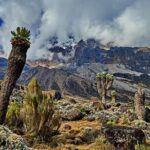
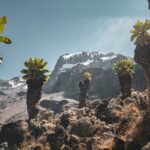
One of the biggest draws of this tour is the scenic beauty—think lush rainforests, dramatic ridges, and glaciers—making each day of hiking visually captivating. The second is the well-organized support system, including experienced guides and enough porters to lighten your load, which significantly enhances safety and comfort.
A potential consideration is the physical toughness required; this is no walk in the park. It demands good health and some acclimatization to high altitude.
This trek is ideal for travelers with a moderate level of fitness who want a comprehensive Kilimanjaro experience without sacrificing safety or authenticity. It’s perfect if you prefer a guided, well-supported climb with clear logistics that allow you to focus on the journey and the spectacular views rather than logistics and navigation.
- Key Points
- An Overview of the Experience
- Day-by-Day Breakdown and What You Can Expect
- Day 1: Machame Gate to Machame Camp
- Day 2: Machame Camp to Shira Camp
- Day 3: Shira Camp to Lava Tower to Barranco Camp
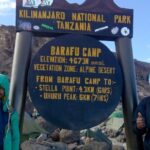
- Day 4: Barranco Camp to Karanga Camp to Barafu Camp
- Day 5: Summit Day – Barafu to Uhuru Peak
- Day 6: Descend to Mweka Camp and Back to Moshi
- What’s Included and What’s Not?
- The Value of the Price: Is It Worth It?
- Practical Considerations
- Final Thoughts: Who Will Love This?
- FAQ
- The Best Of Moshi!
- More 6-Day Experiences in Moshi
- More Tour Reviews in Moshi
Key Points
 1 / 6
1 / 6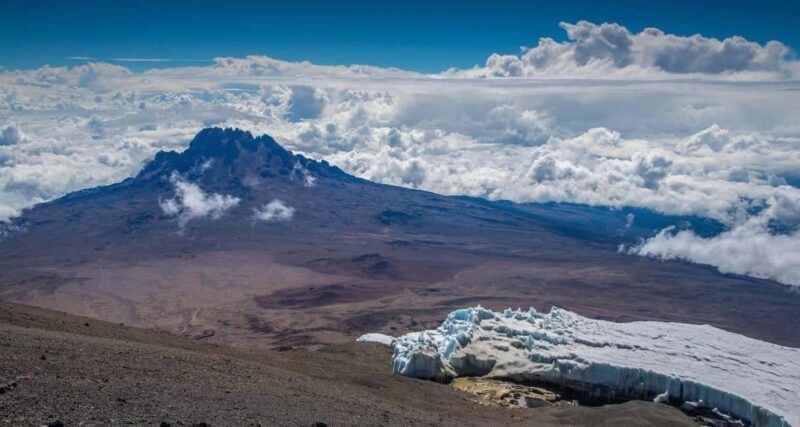 2 / 6
2 / 6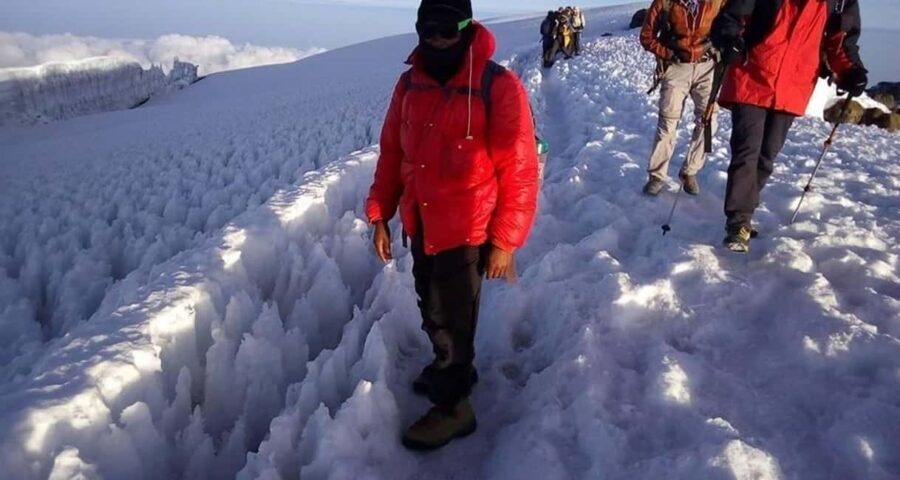 3 / 6
3 / 6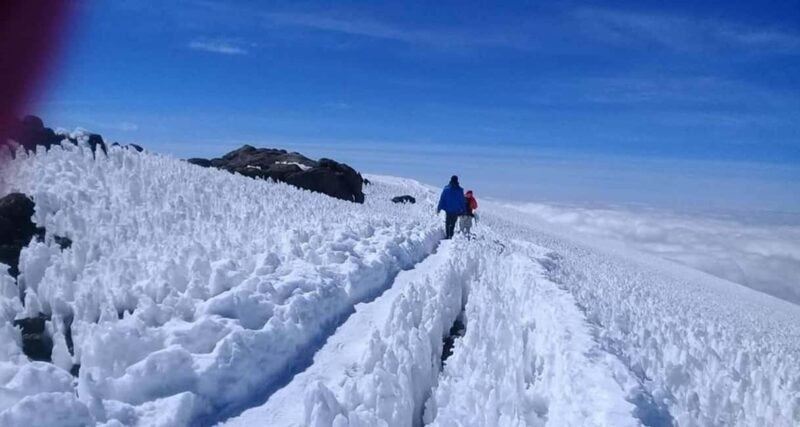 4 / 6
4 / 6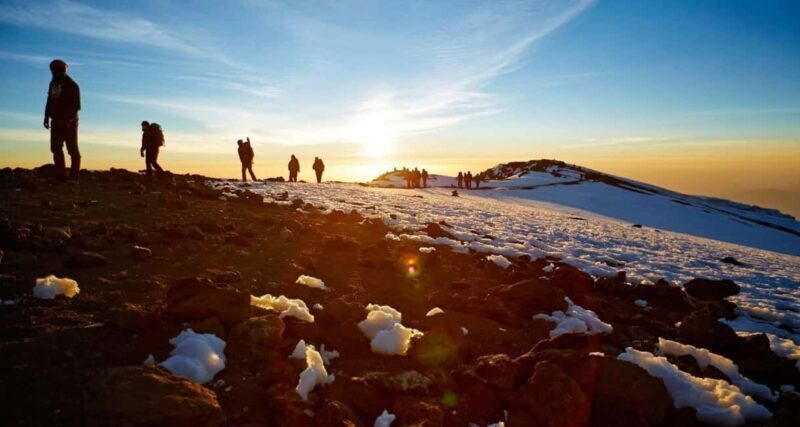 5 / 6
5 / 6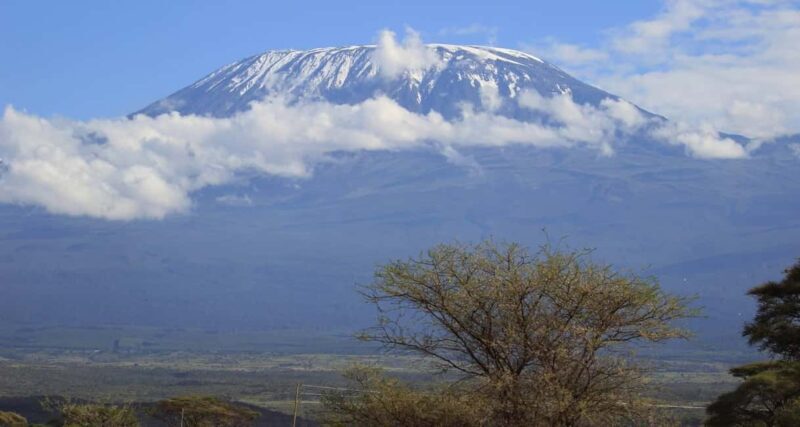 6 / 6
6 / 6- Scenic route through rainforests, rocky ridges, and glaciers, offering a diverse visual experience.
- Professional guides and porters ensure safety, ethical treatment, and logistical support.
- 6-day itinerary balances acclimatization with ascent, increasing your chances of reaching the summit.
- All-inclusive price of $2,184 covers transfers, park fees, permits, guides, porters, and meals.
- Suitable for those with moderate fitness and no major health issues, especially altitude sickness.
- Optional add-ons like hotel stays and transfers are available, but not included in the base price.
👉 See our pick of the Moshi’s 16 Top Tours & Things To Do
An Overview of the Experience
The 6-day Kilimanjaro climb via the Machame Route is designed to offer a manageable yet rewarding ascent to Africa’s highest point. Starting from Moshi, your journey begins with a scenic drive into Kilimanjaro National Park, where lush rainforest signals the start of your adventure. The route is renowned for its beauty and variety, which keep the experience engaging day after day.
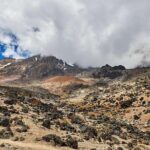
The core appeal lies in the differing landscapes you’ll encounter: from dense rainforest to the alpine desert, to glaciers near the summit. The route is also known as the “Whiskey Route” because of its popularity, but don’t let the name fool you—this journey is physically demanding, especially the final push to Uhuru Peak. Still, the scenery and the sense of achievement are worth every effort.
You can also read our reviews of more tours and experiences in Moshi
Day-by-Day Breakdown and What You Can Expect
Day 1: Machame Gate to Machame Camp
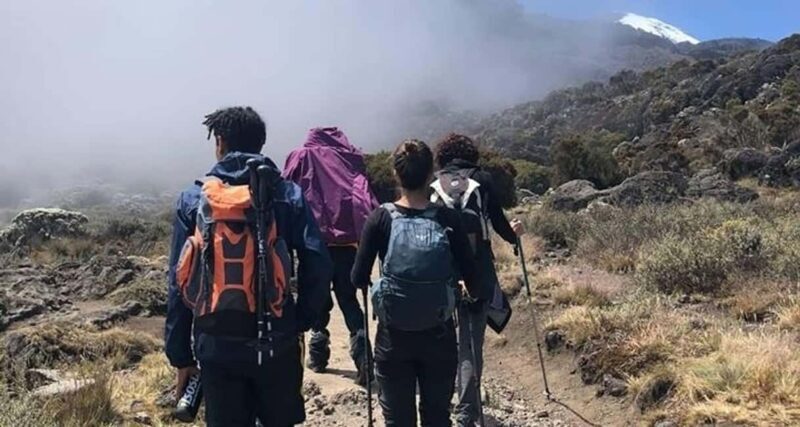
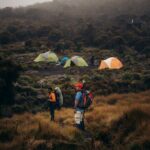
Your adventure kicks off with a drive from Moshi or Arusha to the Machame Gate, where your journey truly begins. Passing through local villages and into the rainforest, you’ll walk along a winding trail that ascends through lush foliage. This first day is relatively gentle but sets the tone—expect to be surrounded by dense greenery, sounds of birds, and the fresh mountain air. The walk ends at Machame Camp, where you’ll set up camp for the night.
What’s notable? This initial stage helps your body start adjusting to the altitude without overexerting yourself. The rainforest environment is soothing and lush, a stark contrast to the rocky terrain ahead.
Day 2: Machame Camp to Shira Camp
Leaving the rainforest behind, day two takes you across a variety of terrains. You’ll cross a small valley and climb a steep, rocky ridge dotted with heather, offering panoramic views of the mountain’s western slopes. The route then turns west along a river gorge, giving a chance to appreciate the stark beauty of the alpine zone.
Travel tip: This part of the trek is physically demanding due to the incline, but the scenery makes it worthwhile. Keep your camera handy—the vistas are impressive. This day also marks the transition from jungle to the semi-desert Shira Plateau.
More Great Tours NearbyDay 3: Shira Camp to Lava Tower to Barranco Camp
Day three involves some of the most striking landmarks: the Lava Tower (called the “Shark’s Tooth”) and the Arrow Glacier. Starting from the Shira Plateau, you ascend along a ridge, passing the junction towards Kibo, the mountain’s highest peak. Reaching Lava Tower at 16,000 feet offers remarkable views and a chance to begin acclimatizing. Afterward, you descend to Barranco Camp, nestled below the Barranco Wall.
Authentic experience: The Lava Tower is an iconic feature, and many climbers find it mentally stimulating to traverse this section. The descent to Barranco Camp allows your body to rest and prepare for the more challenging days ahead.
Day 4: Barranco Camp to Karanga Camp to Barafu Camp
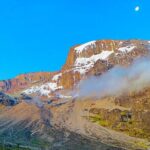
A day of ascent and challenge, this stage involves crossing the Barranco Wall, one of the most physically demanding parts of the route. After tackling this steep section, you reach Karanga Valley, then continue up to Barafu Camp, your base for the summit push. From here, you’ll get impressive views of Mawenzi and Kibo peaks, setting the scene for your early start the next day.
Travel note: The steep ridge and the wall are considered the climb’s “pinnacle” challenges, but the guides are experienced in helping you navigate safely. The camp itself offers a chance to rest and hydrate.
Day 5: Summit Day – Barafu to Uhuru Peak
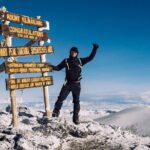
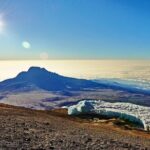
This is the day that tests your resolve. Starting around midnight or early morning, you’ll begin a slow, steady climb across scree and snow toward Stella Point, perched on the crater rim. The ascent to Stella Point is tough but manageable with the right pace. From there, you’ll push through snow fields to reach Uhuru Peak, the highest point on Mount Kilimanjaro and the continent of Africa.
The highlight: Watching the sunrise from Stella Point is often described as “the most magnificent sunrise you’re likely to see” (weather permitting). The feeling of standing on the roof of Africa is indescribable, a true mountaineering milestone.
Day 6: Descend to Mweka Camp and Back to Moshi
After celebrating your summit achievement, you’ll descend along the same route to Mweka Camp, where you can rest and enjoy your last night on the mountain. The descent offers lush forest scenery once again, providing a different perspective of the landscape. Finally, a vehicle will meet you at Mweka Gate to return you to your hotel in Moshi, with your personal summit certificate as a proud souvenir.
What’s Included and What’s Not?
This package offers significant value by covering all park fees, permits, and the services of experienced guides and porters, plus all meals on the mountain. The support staff ensures that your luggage is carried, and you won’t need to worry about carrying heavy gear—your focus can stay on each step.
However, extras like hotel stays before and after the trek, airport transfers, and personal gear are not included but available as add-ons. You’ll need to bring or rent essential gear, such as waterproof boots, warm clothing, and personal toiletries.
The Value of the Price: Is It Worth It?
At $2,184 per person, this trek strikes a good balance between affordability and quality. When you consider the inclusiveness—guides, porters, park fees, meals, permits, and a personal certificate—the value becomes clear. Climbing Kilimanjaro is a serious undertaking, and paying for experienced, ethical support is worth the investment.
TripAdvisor reviews echo this, with climbers appreciating the professionalism of guides and the comfort of well-organized logistics. The route’s scenic variety combined with supportive services makes this an appealing choice for those seeking a manageable but memorable ascent.
Practical Considerations
This climb is suited for most healthy travelers over 12 years old who are prepared to handle some physical exertion and high-altitude conditions. It’s not recommended for pregnant women, those with back, heart, or respiratory issues, or anyone over 254 lbs (115 kg). Altitude sickness can be a concern, so proper acclimatization is built into this 6-day plan.
You’ll want to pack comfortable walking shoes, warm clothes, sunscreen, water, and rain gear. The weather can change quickly, so be prepared for sun, rain, and cold. The tour emphasizes ethical treatment of porters, which is reassuring for socially conscious travelers.
Final Thoughts: Who Will Love This?
This Kilimanjaro climb is perfect for travelers who want a comprehensive, guided experience that balances scenery, safety, and challenge. If you value supporting local guides and porters, and you’re comfortable with basic physical activity, this trek will give you the best shot at reaching Uhuru Peak.
It’s also suitable for those who want a well-organized adventure with all logistics handled, so they can focus on the journey and the incredible views. Not ideal if you’re looking for a quick, easy hike, or if you’re concerned about altitude or physical fitness.
In short, this is a good choice for adventurers who are ready for a rewarding climb and want to do so with the reassurance of professional support and ethical treatment.
6 Days Kilimanjaro Climb Machame Route
FAQ
What is included in the tour price?
The $2,184 fee covers private transportation, airport pickup, all park fees, permits, guides, porters, meals, and your personal summit certificate.
Are hotel stays included?
No, hotel accommodations before and after the trek are not included but can be added optionally. Transfers are also available separately.
What gear do I need to bring?
You should bring comfortable shoes, warm clothing, a hat, snacks, sunscreen, water, rain gear, and gloves. Personal toiletries are not provided.
Can I rent equipment?
Yes, personal trekking gear like sleeping bags and clothes can be rented if needed.
What if I don’t reach the summit?
While the itinerary is designed to maximize success, climbing at high altitude always carries risks. Proper acclimatization and preparation are key, and guides will support you through any difficulties.
Is this tour suitable for children?
It’s not recommended for children under 12, given the physical demands and altitude challenges.
Are there any health restrictions?
People with back, heart, respiratory issues, or altitude sickness should consider their health before booking.
What is the cancellation policy?
You can cancel up to 24 hours in advance for a full refund, offering some flexibility in case plans change.
How hard is the ascent to Uhuru Peak?
The most challenging part is the final ascent, especially crossing scree and snow towards Stella Point. Good physical fitness and proper pacing are essential.
This Kilimanjaro experience provides a well-rounded, supported adventure for those prepared to take on the challenge. With scenic diversity, professional guidance, and a fair price, it offers a genuine opportunity to stand on the highest point of Africa and take home a story of accomplishment.
You can check availability for your dates here: