Climbing Mount Kilimanjaro remains one of Africa’s most sought-after adventures, and the 6-day Rongai Route offers an intriguing way to reach its highest point. We’ve looked into this tour to give you an honest, detailed picture of what to expect. Whether you’re an experienced hiker or a passionate beginner, this trek might be exactly what you need to tick off a major bucket list goal.
What we love about this tour? First, the expert guides seem to really know their stuff, making the climb both safer and more enjoyable. Second, the stunning landscape changes—from lush forests to alpine deserts—keep your eyes glued to the scenery. The potential downside? The price point of $930 per person might seem high for some, but considering the inclusions and the experience, it’s quite reasonable.
This tour best suits those looking for a guided, paced adventure, with a focus on proper acclimatization and authentic experiences.
- Key Points
- What to Expect from the 6-Day Rongai Route Kilimanjaro Climb
- Day-by-Day Breakdown
- The Practicalities of the Tour
- Authentic Feedback from Climbers
- Who Is This Tour Best For?
- The Sum Up: Is This Tour Worth It?
- FAQ
- The Best Of Moshi!
- More Hiking & Trekking Tours in Moshi
- More Tours in Moshi
- More Tour Reviews in Moshi
Key Points
 1 / 7
1 / 7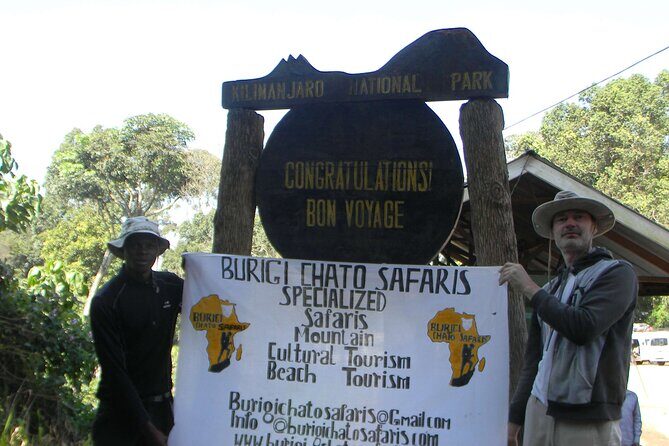 2 / 7
2 / 7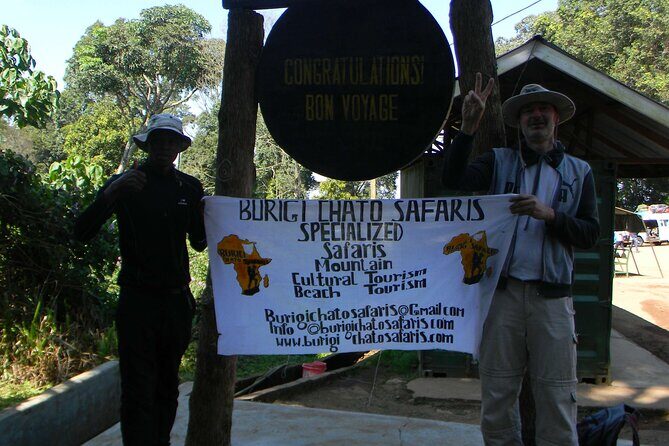 3 / 7
3 / 7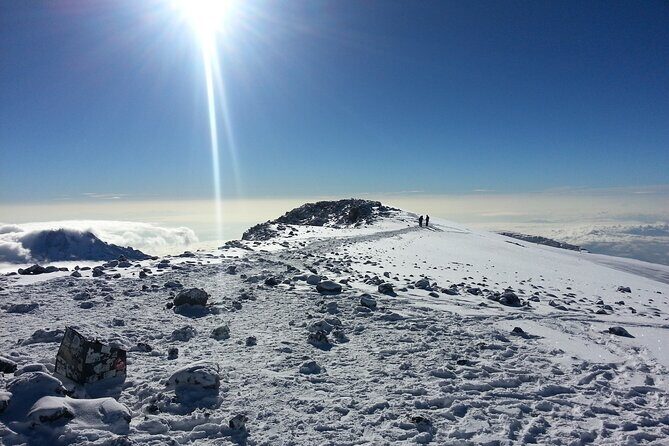 4 / 7
4 / 7 5 / 7
5 / 7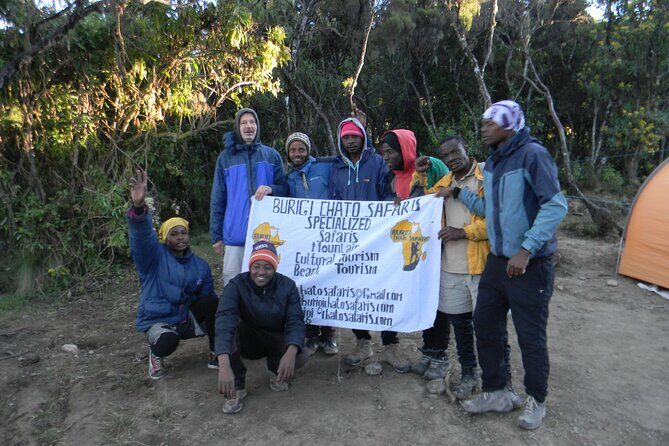 6 / 7
6 / 7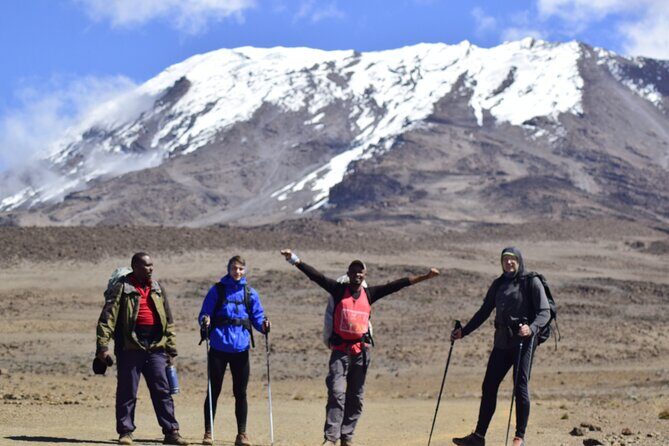 7 / 7
7 / 7- Expert guidance enhances safety and confidence on the mountain.
- Diverse ecosystems provide a dynamic scenery experience.
- Well-structured itinerary allows for gradual acclimatization.
- Value for money given inclusive meals, porters, and permits.
- Good option for first-timers or those with limited time.
- Stunning views and memorable landscapes make every step worth it.
👉 See our pick of the Moshi’s 16 Top Tours & Things To Do
What to Expect from the 6-Day Rongai Route Kilimanjaro Climb
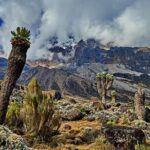
If you’re considering this tour, you’ll appreciate that it’s designed for a balanced and sustainable ascent. The Rongai Route starts at a lower elevation than other routes, giving your body extra time to adapt. Over 6 days, you’ll journey through lush forests, alpine meadows, and stark deserts before finally standing atop Uhuru Peak.
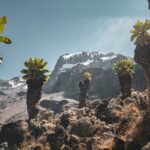
This route is often preferred for its less crowded nature compared to Marangu or Machame, and for its beautiful scenery—including cypress plantations, heather moorlands, and small caves in the valley below Mawenzi.
You can also read our reviews of more hiking tours in Moshi
Day-by-Day Breakdown
Day 1: From Marangu Gate to Nelemoru (Cave Camp)
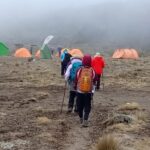
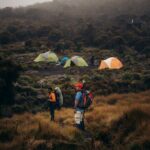
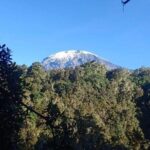
Starting at approximately 1,950 meters, your journey kicks off with a 3-hour drive from Moshi to the Rongai trailhead. If the weather is clear, you’ll have a packed lunch and a chance to enjoy the forested landscape. The trail takes you through cypress trees that might surprise you with the presence of giant monkeys. Arriving at Cave Camp (2,600m), you’ll find your tents already set up by your porters, who might even have popcorn ready—a small but delightful touch. End the day with a shower and a hearty meal, relishing the views and preparing for the days ahead.
What makes this day special? The transition from forest to mountain scenery sets the tone for the journey, and the laid-back start helps you ease into the challenge.
Day 2: Cave Camp to Kikelelwa Cave
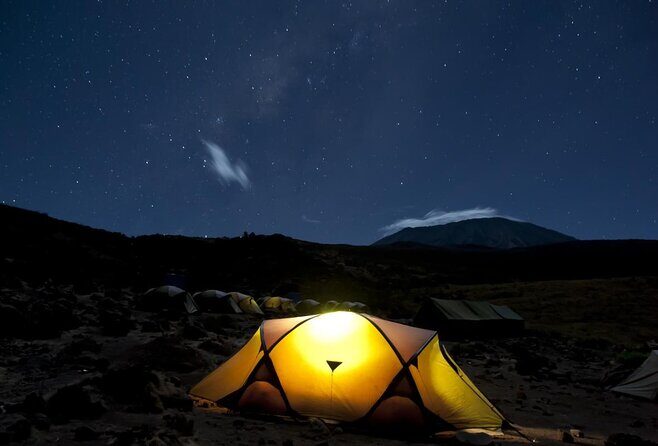
This day is about gaining altitude gradually, which is crucial for acclimatization. You’ll trek for about 7 hours, passing through Heather moorlands and reaching 3,450 meters. The camp, nestled in a valley below the saddle, offers views of small caves and a chance to rest after a long hike. Expect the campsite to be cold, and you’ll likely appreciate the hot drinks and snacks provided.
Review excerpts suggest the guides really know how to keep you comfortable and motivated, and the scenery is described as “alternatively rugged and lush.”
Day 3: Mawenzi Tarn Camp at 4,330 meters
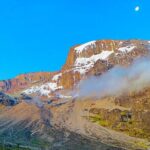
Today’s hike involves a steeper section, culminating at Mawenzi Tarn, a site praised for its spectacular setting—a depression below Mawenzi’s peak, with a nearby small lake. The scenery here is a visual feast, especially during sunset. The day’s pace allows you to acclimate better, and the afternoon is free for exploration or rest.
Authentic feedback notes that this camp offers a great opportunity for photos and relaxing views, making it one of the most scenic stops.
Day 4: From Mawenzi Tarn to Kibo Hut
This trek offers stunning vistas, including an alpine desert environment characterized by little vegetation and sometimes “eternal flowers.” The walk connects with the Marangu Route at the saddle, leading up to Kibo Hut at 4,700 meters. The last stretch is steeper, and arriving here sets you up perfectly for the final ascent.
Readers will appreciate that the day is paced to ensure proper acclimatization, with plenty of time for rest and preparation for the summit push.
Day 5: Summit Day — Uhuru Peak
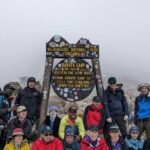
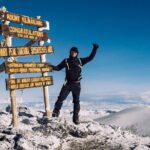
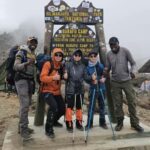
This is the moment everyone has trained for. The wake-up call is at around 11:00 AM, giving your body time to prepare. From Gillman’s Point (5,752m), it’s roughly 1.5 hours to Stella Point, and then a final push to Uhuru Peak. You’ll be walking mostly on snow, along the crater rim, with breathtaking views. The feeling of standing on Africa’s highest point, after a challenging ascent, is indescribable, as various reviewers have attested.
After celebrating briefly at the summit, you’ll descend back to Kibo Hut for lunch and then continue down to Horombo Hut at 3,720 meters. It’s a long day, but the sense of achievement makes every step worthwhile.
One reviewer summed it up: “Reaching the summit was hard but worth it. Having a good guide is important.” Indeed, good guidance makes all the difference.
Day 6: Descent to Marangu Gate
Your final day involves a gentle walk downhill, passing the Mandara Hut to the gate at 1,980 meters. Expect a mixture of relief and satisfaction as you sign out of Kilimanjaro’s registry and receive your certificate—either a green certificate for Gillman’s Point or a gold one for Uhuru Peak.
The last moments often include celebrations and farewells to the crew, making the entire journey feel complete. Your driver will then take you back to Moshi, possibly for a well-earned hot shower and a hearty meal.
The Practicalities of the Tour
Transportation and Inclusions: The tour includes airport pickup/drop-off, all park fees (which can be paid directly or via the operator), meals (5 breakfasts, 6 lunches, 6 dinners), and crew wages. Porters and cooks play a vital role, and their presence ensures a more comfortable experience, especially since they set up tents and supply hot water.
Group Size and Pacing: As a private tour, this experience offers a tailored pace suited for your group, which is particularly beneficial for acclimatization and safety. The itinerary is structured to give ample time for your body to adapt, a common concern on such high-altitude hikes.
Cost and Value: At $930 per person, the price reflects the inclusiveness—meals, permits, guiding, and porters—providing good value. While the cost may be higher than some budget options, it balances safety, comfort, and quality, especially considering the expert guidance and stunning scenery.
Weather Considerations: The tour is weather-dependent, with a full refund offered if canceled due to poor conditions. The high-altitude environment can be unpredictable, so be prepared for cold nights and potential snow, especially near the summit.
Authentic Feedback from Climbers
Several reviews praise the guides and porters, highlighting their professionalism and friendliness. One reviewer described the experience as “unforgettable” and appreciated the “great guides and incredible porters.” They also enjoyed the diverse landscape, emphasizing the dramatic changes in scenery day by day.
Another pointed out that the guides understand each hiker’s ability, helping ensure that even solo travelers can feel supported in reaching the summit. Such personalized attention significantly enhances the overall experience.
Who Is This Tour Best For?
This Kilimanjaro climb via the Rongai Route is ideal for first-time hikers seeking a well-paced, guided climb that emphasizes safety and acclimatization. It’s also suitable for those who value authentic experiences, given the chance to witness changing ecosystems and scenic vistas from different elevations.
If you prefer a more private, less crowded trek and are willing to pay a bit extra for experienced guidance, this tour fits the bill. However, travelers should stay aware that it’s a challenging physical activity, requiring good preparation and a positive attitude.
You can also read our reviews of more tours and experiences in Moshi
The Sum Up: Is This Tour Worth It?
For anyone dreaming of standing atop Africa’s highest peak, this 6-day Kilimanjaro climb via the Rongai Route offers a balanced mix of adventure, scenery, and guided support that’s hard to beat. The knowledgeable guides, stunning landscapes, and well-structured itinerary make it a compelling choice for those looking to make the climb both enjoyable and successful.
The value lies in the inclusive approach—meals, permits, and the expertise of your crew—delivering a well-rounded experience without hidden surprises. While the physical challenge is real, the support system and scenic rewards are equally extraordinary.
This tour would suit adventurous first-timers and experienced hikers alike who appreciate good guidance, proper acclimatization, and the chance to truly connect with the landscape. If you’re seeking a safe, authentic Kilimanjaro experience that respects your pace and offers plenty of memorable moments, this tour deserves serious consideration.
6 Days Kilimanjaro climbing | Hiking Tour via the Rongai Route
FAQ
What is included in the tour price?
The price covers airport pickup and drop-off, park fees (payable either directly or through the operator), all meals (breakfasts, lunches, dinners), and crew wages, including porters and guides.
Do I need to arrange my own hotel before and after the trek?
Yes, hotel accommodations before and after can be booked separately by you or through the tour provider. The tour starts and ends in Moshi.
Can I cancel the tour if my plans change?
Yes, you can cancel for free up to 24 hours in advance of the experience for a full refund.
Is this tour suitable for beginners?
Yes, the 6-day structure and knowledgeable guides make it accessible for first-timers with good fitness levels, especially since proper acclimatization is built into the itinerary.
What gear should I bring?
While not explicitly listed, expect to need layered clothing, waterproof gear, sturdy hiking boots, and personal essentials for cold nights and high-altitude conditions.
How difficult is the summit day?
It’s physically demanding, involving a long hike with steep sections and snow-covered terrain near the top. Good preparation and pacing are crucial.
Will I have time to rest during the trek?
Yes, the itinerary includes rest periods and opportunities to relax or explore scenery at each stop, which helps with acclimatization.
What is the experience like at the campsites?
Camps are set up for you by porters, with hot water and meals provided. Reviewers mention enjoying the views, especially at Mawenzi Tarn and Kibo Hut.
Are tips included?
Tips are not included, and it’s customary to tip guides, porters, and cooks based on your satisfaction.
What is the best time of year to do this climb?
While not specified, most Kilimanjaro climbs are best in dry seasons—generally from June to October and December to February—when weather conditions are more predictable.
In short, this Kilimanjaro tour offers a well-organized, scenic, and supportive climb that balances challenge with enjoyable scenery and professional guidance. If you’re ready for a serious adventure that promises lifelong memories, this might just be the right choice.