- Introducing the 6 Days Kilimanjaro Marangu Route Trek
- Key Points
- The Route and What You’ll Experience
- Day 1: Marangu Gate to Mandara Hut
- Day 2: Mandara Hut to Horombo Hut
- Day 3: Acclimatization at Horombo Hut
- Day 4: Horombo Hut to Kibo Hut
- Day 5: Summit Day – Uhuru Peak
- Day 6: Descent to Marangu Gate
- The Included and Not-Included Components
- Practicalities and Considerations
- The Experience Provider: Bush Lion Trekking & Tours
- Who Should Consider This Tour?
- Final Thoughts
- FAQs
- The Best Of Moshi!
- More 6-Day Experiences in Moshi
- More Hiking & Trekking Tours in Moshi
- More Tour Reviews in Moshi
Introducing the 6 Days Kilimanjaro Marangu Route Trek
 1 / 2
1 / 2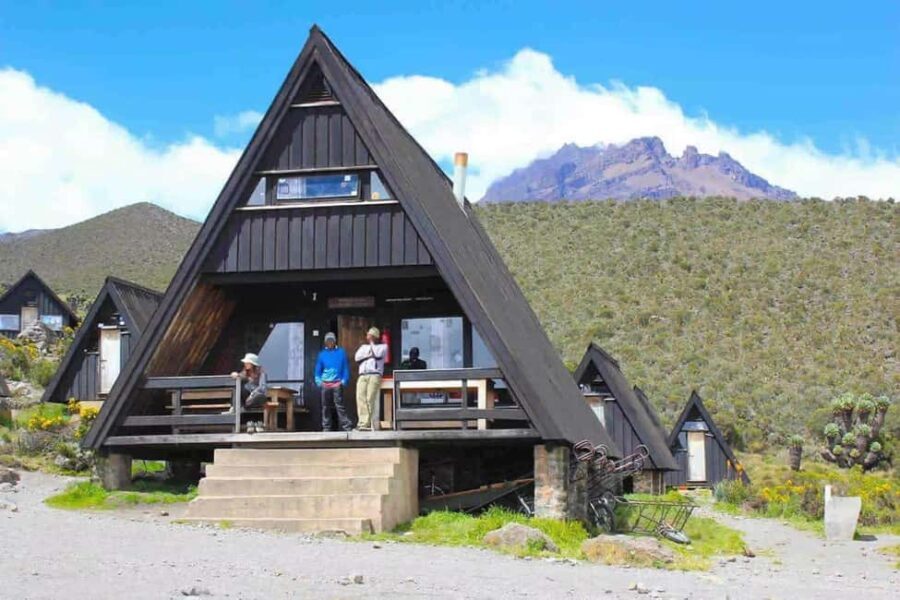 2 / 2
2 / 2If you’re dreaming of reaching Africa’s highest summit but worry about the trek’s difficulty or comfort level, the 6 Days Kilimanjaro Marangu Route Trek might be just what you need. This route, often called the “Coca-Cola” route, is known for its gradual ascent and comfortable mountain huts, making it a popular choice for both first-timers and seasoned hikers who want a more manageable climb without sacrificing the thrill of summiting Kilimanjaro.
Two things we truly appreciate about this tour are its focus on acclimatization, which boosts your chances of reaching the top, and the scenic variety—from lush rainforests to stark alpine deserts, you’ll experience some of Africa’s most diverse landscapes. However, a potential consideration is the price point—$1,550 per person—which includes impressive amenities but still requires a significant commitment. This trek suits those who want a well-organized, comfortable, and rewarding ascent, especially if you’re new to high-altitude trekking or prefer a route with good infrastructure.
You can check availability for your dates here:
👉 See our pick of the Moshi’s 16 Top Tours & Things To Do
Key Points
- Gradual ascent increases success chances for first-timers and seasoned climbers alike
- Comfortable mountain huts provide cozy overnight stays
- Expert guides and porters prioritize safety and enjoyment
- Diverse scenery from rainforests to alpine deserts
- Acclimatization day helps prevent altitude sickness
- All-inclusive price covers most essentials for a smooth experience
You can also read our reviews of more hiking tours in Moshi
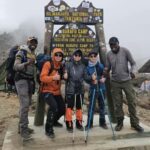
The Route and What You’ll Experience
Day 1: Marangu Gate to Mandara Hut
Starting at Marangu Gate, the journey kicks off through a dense, lively rainforest. We loved the way the scenery felt alive—chirping birds, monkeys swinging overhead, a real jungle vibe. The first 4-5 hours are manageable, giving you time to settle into the rhythm of the climb. You’ll pass through a landscape teeming with wildlife, which adds a touch of excitement to the first stage.
At Mandara Hut (1860m), you’ll enjoy your first night amidst simple, cozy accommodations—something often appreciated by travelers tired from travel but eager for comfort. Before dinner, a short walk to Maundi Crater offers stunning views of the Kenyan plains, a reminder of how close you are to the vast savannahs, even from the mountain.
Day 2: Mandara Hut to Horombo Hut
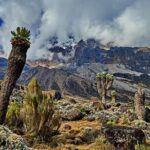
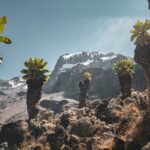
Leaving the rainforest behind, you’ll enter the moorland zone, characterized by open, grassy landscapes dotted with giant lobelias and aloe plants. The longer, but gentle, trail makes for a very scenic walk. Travelers often note the peaceful atmosphere and sweeping views of Kibo and Mawenzi Peaks as highlights.
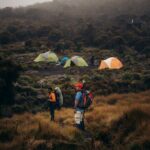
Reaching Horombo Hut (3,700m) after about six hours provides a comfortable base for two nights. The panoramic vistas here are truly memorable, offering a sense of the vastness of Kilimanjaro’s slopes, and the elevation introduces a new thrill. We found the gradual ascent allowed our bodies to adjust without feeling overly rushed.
More Great Tours NearbyDay 3: Acclimatization at Horombo Hut
A key part of this route’s success is the acclimatization day. We loved the short hike to Zebra Rocks, named for its black-and-white striped appearance. The walk not only helps prevent altitude sickness but also offers another chance to appreciate the mountain’s astonishing scenery.
Many reviews emphasize the importance of this day. One traveler said, “It gave me a much better chance of reaching the summit, and I felt more confident after a day of rest and gentle hiking.”
You can also read our reviews of more tours and experiences in Moshi
Day 4: Horombo Hut to Kibo Hut
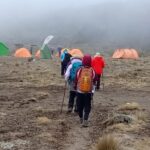
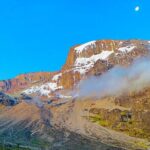
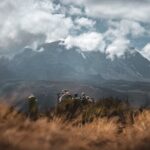
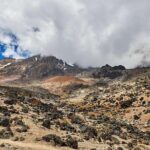
From Horombo, the landscape turns more sparse and rocky as you cross the saddle between Kibo and Mawenzi Peaks. The terrain feels almost surreal—rocky paths stretch endlessly, with little vegetation. The Last Water Point marks a significant milestone; after refilling supplies, you continue upward toward Kibo Hut (4,700m), arriving early afternoon.
Here, late afternoon is dedicated to resting, preparing for the early start at midnight. Many appreciate the well-organized schedule, which helps manage the fatigue and prepares you mentally for the climb ahead.
Day 5: Summit Day – Uhuru Peak
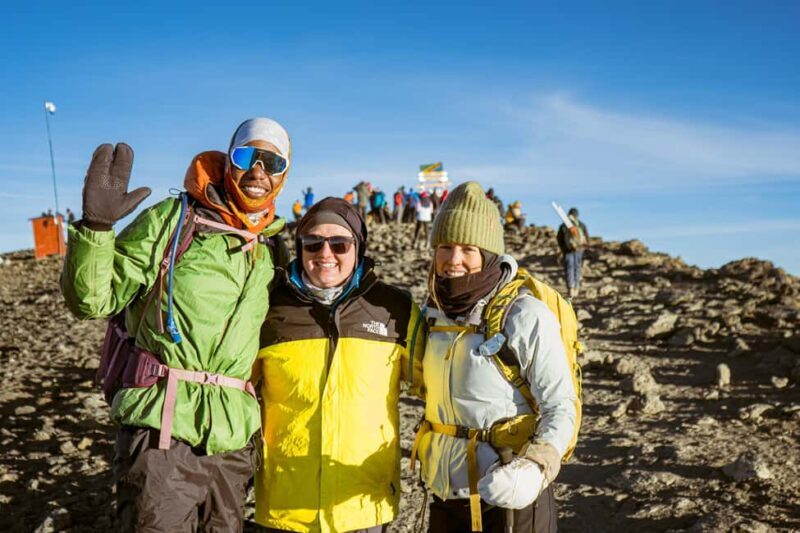
The hardest yet most rewarding part. Starting around midnight, you’ll trek with headlamps along the rugged scree and rocky paths. We loved the anticipation of the early hours, with the silence broken only by your footsteps and occasional whispers of encouragement.
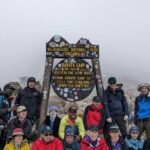
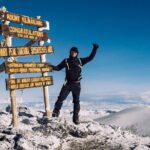
Reaching Gilmans Point at sunrise is a moment of awe—standing at 5895m, gazing down at the plains far below, is an experience you’ll cherish forever. From there, the final push to the summit is tough but doable with proper pacing and determination. Once at the top, the views stretch across Kenya and Tanzania, showing just how distant and vast the landscape is.
After summit celebrations, you’ll descend back to Kibo Hut for a quick rest before returning to Horombo Hut for the night. Many reviews describe this day as the culmination of a journey, often accompanied by a sense of accomplishment and relief.
Day 6: Descent to Marangu Gate
The final day is a retracing of steps, but with a different perspective. Heading down through moorlands and rainforests, you’ll notice the scenery changing again, offering a peaceful reflection of your climb. The descent often feels quicker, but it’s equally scenic and allows you to absorb your achievement.
At Marangu Gate, a certificate awaits you—a tangible reminder of your effort. Many travelers comment on the sense of pride, as well as the comfort of being driven back to Moshi for a well-earned rest.
The Included and Not-Included Components
The package includes airport transfers, pre-climb briefing, transportation to trailhead, park fees, experienced guides and porters, and most meals and accommodations during the trek. The inclusion of safety equipment like oxygen tanks and first aid kits is reassuring, especially for those new to high-altitude trekking.
What’s not included? Your international flights, travel insurance, personal gear, or extra meals before and after may add to your costs. Many reviews suggest bringing good hiking boots, warm clothing, and essentials like insect repellent and gloves.
The value of the package is clear: most of what you need for a safe, well-organized climb is covered, making it easier to focus on the experience rather than logistics. For many, the all-inclusive nature of this tour means less hassle and more enjoyment.
Practicalities and Considerations
The price of $1,550 per person is quite reasonable for a six-day guided trek, considering the inclusion of park fees, permits, guides, porters, and accommodations. When you compare this to the cost of organizing your own trip, it offers good value, especially with the added safety and comfort provided.
The tour operates mainly during January to March and June to October, reflecting the best weather windows. During these months, you can expect clear skies and manageable temperatures, which are important for both safety and enjoyment.
Travelers should be prepared with comfortable shoes, warm clothes, gloves, and a charged smartphone for photos and navigation. The tour provider emphasizes the importance of acclimatization, so taking the scheduled rest days seriously is essential.
The group sizes tend to be manageable, guided by experienced professionals who prioritize safety, fun, and making sure everyone reaches the summit. Many reviewers say the guides are friendly, supportive, and knowledgeable.
The Experience Provider: Bush Lion Trekking & Tours
Bush Lion Trekking & Tours has a reputable standing for organized, professional trips. They provide comprehensive services, including rescue fees and certificate of achievement, adding extra peace of mind for climbers.
Who Should Consider This Tour?
This trek is perfect for those who want an accessible route with comfortable accommodations and good scenery. It’s well-suited for first-timers or those who prefer a more gentle ascent with a focus on safety and comfort. If you’re looking for a challenging technical climb, this isn’t it, but if your goal is to stand at the highest point in Africa, this route offers a solid chance.
Travelers who enjoy diverse landscapes, wildlife, and the idea of crossing different ecological zones will find this route particularly appealing. The inclusion of an acclimatization day makes it more likely you’ll reach the summit, which appeals to those worried about altitude sickness.
Final Thoughts
The 6 Days Kilimanjaro Marangu Route Trek offers an excellent balance of comfort, scenic variety, and safety. With well-organized logistics, expert guides, and a route designed to help avoid altitude sickness, it’s a solid choice for most adventure lovers looking to conquer Africa’s highest peak.
While the price may seem high, the value is evident in the included services, accommodations, and the unforgettable experience of summiting Kilimanjaro. Expect breathtaking views, lush rainforests, and a sense of achievement you’ll carry forever. Whether you’re new to high-altitude trekking or want an easier but still rewarding climb, this tour delivers a memorable journey with authentic touches.
6 Days Kilimanjaro Marangu Route Trek
FAQs
What is included in the price?
The $1,550 fee covers airport transfers, pre-climb briefing, transportation to the trailhead, park fees and permits, experienced guides and porters, all meals and drinking water during the trek, accommodations in huts or tents, camping and safety equipment, rescue fees, and a Kilimanjaro summit certificate.
What’s not included?
You’ll need to arrange your international flights, travel insurance, personal gear such as hiking boots and clothing, extra accommodation or meals before and after the trek, and any personal expenses like souvenirs or drinks.
When is the best time to go?
The top months are January to March and June to October, when weather conditions are usually best for trekking, with clear skies and manageable temperatures.
How physically demanding is this trek?
It’s a moderate climb, thanks to the gradual ascent and acclimatization day. However, you should be prepared for high-altitude conditions and some strenuous walking, especially during summit day.
What kind of accommodations are provided?
You’ll stay in comfortable mountain huts or tents that include basic bedding. Many reviews mention the cozy atmosphere and the advantage of having a roof over your head after a long day.
Are porters helpful?
Absolutely. Porters assist with your gear throughout the trek, allowing you to focus on walking and enjoying the scenery. Their support is vital for a smooth experience.
What should I bring?
Bring comfortable shoes, warm clothes, a hat, gloves, camera, charged smartphone, insect repellent, and hiking gear. Don’t forget your passport and travel insurance.
In the end, this Kilimanjaro route offers a well-rounded, authentic adventure with a focus on comfort, safety, and scenery. It’s perfect for those who want to reach Africa’s rooftop with a bit of ease and a lot of spectacular views.
You can check availability for your dates here: