Introduction
Thinking of conquering Africa’s highest peak? The 7-day Kilimanjaro Rongai climb promises an adventure that’s both less technical and uniquely positioned on the mountain’s northern side. While it’s not the most physically demanding route—no scrambling and fewer crowded trails—it still tests your stamina, especially as you gain altitude.
It’s a fantastic choice for those wanting a slightly quieter climb with the chance for a more authentic experience on Kilimanjaro.
What we love about this trek? First, starting from the north means fewer trekkers and often drier weather, which can make the initial days more comfortable. Second, the knowledgeable guides and attentive crew shine through, making this climb welcoming and well-organized. On the flip side, a possible consideration is that the shorter treks don’t offer as many acclimatization days, so you’ll want to be prepared for the altitude.
This tour suits those seeking a balanced mix of adventure, comfort, and a bit of solitude—perfect for motivated hikers or those with some prior trekking experience.
Key Points
- Unique Route: Only Kilimanjaro route starting from the northern side, offering a less crowded experience.
- Longer Duration Increases Success: 7 days on the mountain improve chances of reaching Uhuru Peak.
- Expert Support: Trained guides, porters, and cooks ensure a smooth trek with good morale.
- All-Inclusive Price: Covers park fees, high-quality meals, camping gear, and rescue services.
- Drier, Less Rainy Start: The Rongai approach tends to be drier than southern routes, helping avoid weather surprises.
- Authentic Experience: Less busy trails and a chance to see the mountain’s diverse landscapes early on.
A Deep Dive into the 7-Day Kilimanjaro Rongai Climb
Why Choose the Rongai Route?
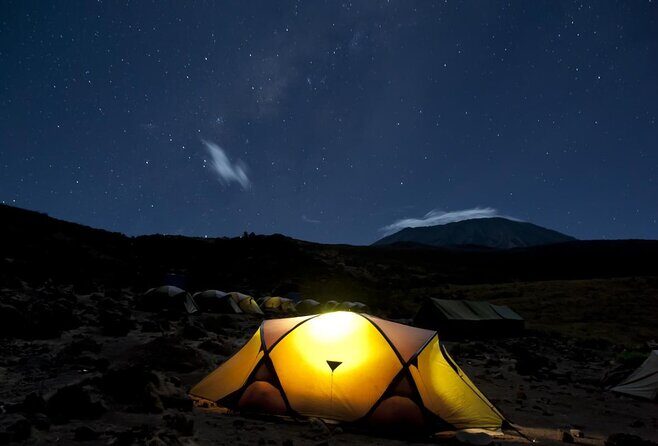
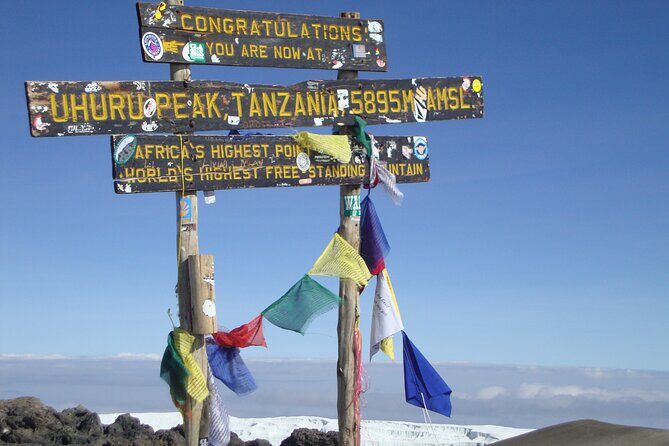
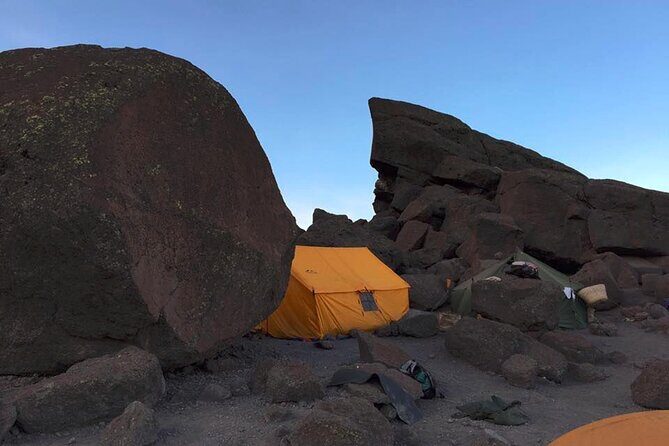
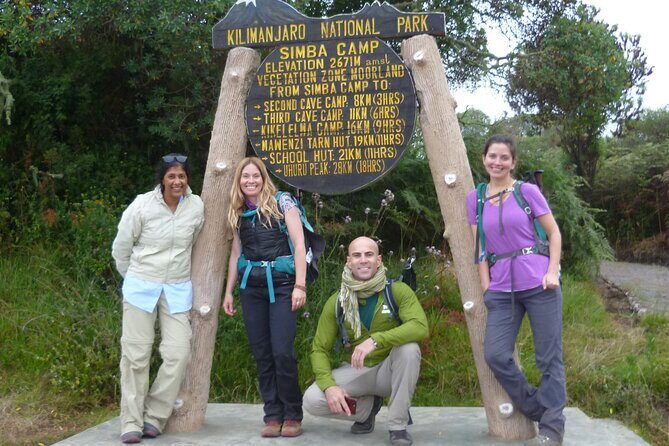
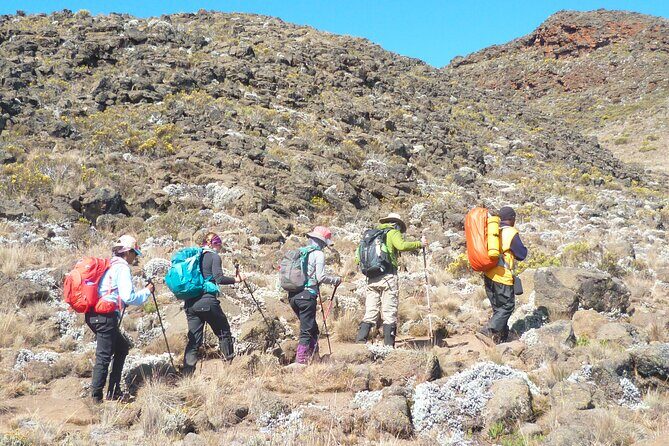
Unlike the more popular Marangu or Machame routes, the Rongai trek begins on the mountain’s northern slopes. From the start, you’ll notice the landscape is drier and less lush, offering a different perspective on Kilimanjaro’s environment. Starting here means fewer trekkers, which makes for a more peaceful first few days—an advantage if you prefer a quieter trek and more personal space.
On top of that, the route approaches the main Kibo cone from the Northeast, often avoiding the heavy rain that can soak southern routes. This drier start can be especially helpful in keeping your mood high and your gear dry. The trek then descends via the Marangu route on the southeast side, providing a varied experience. The overall non-technical, camping-based approach makes it accessible for most physically fit travelers but still challenging enough to feel like a true adventure.
👉 See our pick of the Moshi’s 16 Top Tours & Things To Do
Itinerary Breakdown
Day 1:
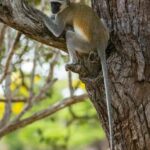
Your journey begins with a road transfer from Moshi to Rongai gate at around 9 AM. After registration, the real fun starts as you walk through a lush rainforest teeming with birdlife and monkeys. Expect about a 5-hour trek to your camp near caves, where the vegetation begins to thin out. The transition from jungle to heather zone marks your first taste of the changing climate and scenery.
What you’ll love: The contrast between the dense forest and the open landscape that follows. The initial trek is not too strenuous but sets a scenic tone.
Day 2:
The trail steepens into the lower alpine moorland. The landscape becomes more barren, with views of the crater rim on a clear day. You’ll reach the second cave camp after about 5 hours, with the chance to venture further for acclimatization. This day is perfect for adjusting to the altitudes and enjoying sweeping views of the mountain’s upper slopes.
Authentic tip: Many reviews highlight how the guides foster confidence as you ascend. One reviewer mentioned their guides “gave us motivation and confidence throughout the trek,” which is crucial in these early days.
Day 3:
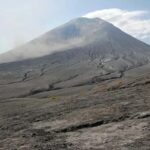
Today, you cross into the region of the rarely climbed Mawenzi peak, diverting slightly to the south. The landscape shifts dramatically—think rocks, moss, and more open terrain. You’ll camp near the Kikelelwa caves, with about 5 hours of walking.
Highlight: Seeing the less-traveled Mawenzi side offers a fresh perspective on Kilimanjaro’s massif—a feature often missed on busier routes.
Day 4:
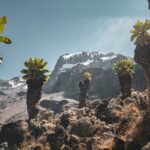
A shorter but more challenging day, this involves a steep climb through grassy slopes into the alpine desert near Mawenzi cone. The environment becomes more stark and dramatic. You’ll set up camp on Mawenzi ridge, located near a tarn lake—an ideal spot for acclimatization walks or simply soaking in the views.
Tip: The optional acclimatization walks here can help your body prepare for the summit push, and many guests find them valuable.
Day 5:
Today, you traverse back toward the Kibo cone, crossing the saddle between Mawenzi and Kibo. The environment gets more barren as you ascend, and the thin air becomes noticeable. You’ll arrive at your base camp, preparing for the final push.
Travel tip: The climb over the saddle is one of the scenic highlights, with dramatic views of the surrounding peaks and glaciers.
Day 6:
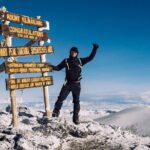
This is the big day—your midnight start for the summit attempt. The ascent to Uhuru Peak takes about 6 hours in the dark, over loose volcanic scree. You’ll pass Gilman’s Point (5,681m) first, then continue to Stella Point before the final, steep push to the highest point in Africa. Once at Uhuru Peak, you’ll take photos, catch your breath, and then begin the descent back to base camp.
Real talk: The climb is tough, especially in the cold early hours, but many find the sense of achievement worth every step.
Review Insight: One traveler described the experience as “steep, cold, and challenging,” but added that the guides’ support made it manageable. Expect to spend a few moments at the summit before descending.
Day 7:
Your final day involves a long but rewarding descent through the rainforest back to Marangu gate. The journey down often feels easier, but the altitude change and the downhill can be tough on your knees. Your vehicle will be waiting to take you back to Moshi, and afterward, it’s customary to tip your crew—a gesture that many reviews highlight as well-deserved.
You can also read our reviews of more tours and experiences in Moshi
What Does the Price Cover and Why Is It Good Value?
At $2,790 per person, this all-inclusive package covers nearly everything you need: park entry fees, camping gear, meals, water, guides, porters, and rescue services. The inclusion of experienced guides and certified support staff ensures safety and a higher chance of success.
Many reviews emphasize the professionalism of the team, with one stating, “The guides were amazing since day 1,” and the overall value for money was praised since all meals and gear are included. The luggage porter service, carrying up to 15kg, allows you to focus on your hike without stressing about your gear—an appreciated convenience.
Note: Tips are not included, but are customary and a good way to show appreciation for the crew’s hard work.
The Experience and Its Unique Benefits
The Rongai route’s less crowded trails mean fewer fellow hikers and a more intimate experience. The scenery switches from lush rainforest to stark alpine desert, providing a variety of visual and environmental stimuli that keep the trek interesting.
The crew’s professionalism, highlighted in reviews, makes a significant difference—guides who motivate you, cooks who prepare hearty meals, and porters who keep the camp organized. The trek’s longer duration gives your body ample time to acclimatize, which many find increases their chances of reaching the summit.
Weather considerations: The generally drier start means fewer rain delays, though high-altitude weather remains unpredictable—be prepared for cold nights and early mornings.
Practicalities and Logistics
Starting at 9:00 AM from Moshi, your trip includes transfers from your lodge and park gate. The entire experience is tailored to small groups, ensuring personalized attention. The trek spans approximately 7 days, with each day carefully planned for a balance of challenge and recovery.
Group size is kept manageable, and the itinerary allows for acclimatization days, critical for success. The camping setup includes all necessary gear—tent, sleeping mats, dining tent—so you don’t need to bring much beyond personal clothing and essentials.
The Sum Up
This 7-day Kilimanjaro Rongai climb offers a well-rounded, authentic experience that balances adventure with comfort. Its less crowded trail and drier start make it particularly appealing for travelers who want a more tranquil trek, yet still aim for the summit. The inclusion of experienced guides, quality meals, and all park fees provides excellent value for the cost.
It’s especially suited for those with a good physical fitness level who are looking for a route that offers a variety of landscapes and a higher success rate due to the extra days on the mountain. If you value professional support, authentic scenery, and a more peaceful climb, this tour is a serious contender.
Keep in mind that the altitude and physically demanding terrain require preparation. The guides’ expertise and the supportive crew make this a climb you can trust to keep you motivated and safe.
7 Day Kilimanjaro Rongai climb
Frequently Asked Questions
Is this tour suitable for beginners?
While the route is less technical, it still requires good physical fitness and endurance. Beginners with prior trekking experience can do well, especially with proper preparation.
How many days will I be on the mountain?
The trek lasts 7 days, which significantly improves your chances of reaching the summit compared to shorter routes.
What does the price include?
It covers all park fees, camping gear, meals, water, guides, porters, rescue services, and other essentials.
Are guides experienced and qualified?
Yes, guides are trained, certified, and work in minimum ratios to ensure safety and support throughout the trek.
What should I pack?
You mainly need personal clothing suitable for cold weather, sturdy hiking boots, and personal toiletries. The tour provides tents, sleeping mats, and meals.
Are tipping the guides and crew expected?
Yes, tipping is customary but not included in the price. Many reviews highlight the crew’s professionalism and the importance of rewarding their effort.
Can I do acclimatization hikes?
Yes, the itinerary includes optional acclimatization walks, which are recommended for increasing success at the summit.
What is the best time of year for this climb?
While not specified, Kilimanjaro generally favors dry seasons—typically January through March and June through October.
How challenging is the summit night?
It’s a steep, cold, and physically demanding experience, but with proper support and pacing, many travelers reach Uhuru Peak successfully.
What are the main benefits of choosing this route?
Fewer crowds, drier weather, and a higher success rate thanks to extra days on the mountain. Plus, the diverse landscapes provide a memorable journey.
This detailed look at the 7-day Kilimanjaro Rongai climb highlights why it’s a top choice for those seeking an authentic and rewarding ascent. With careful preparation and a sense of adventure, you may find yourself standing at the summit of Africa’s highest point, forever proud of the journey you undertook.