Thinking of venturing beyond Marrakech into Morocco’s less-traveled southern regions? This 8-day guided tour offers a fantastic blend of landscapes, culture, and history, making it ideal for travelers eager to experience the authentic side of Morocco.
While the itinerary covers iconic sights like the Dades and Todra valleys, desert dunes, and ancient kasbahs, it also promises intimate encounters with Berber communities and stunning natural beauty.
What we find particularly attractive about this trip is its balance of guided comfort and independent exploration. The inclusion of private transportation ensures smooth travel across varied terrains, from mountain passes to desert sands, while the knowledgeable guides help interpret what you see. Plus, the chance to stay in traditional riads and Kasbah hotels adds genuine Moroccan flavor.
One potential drawback? The itinerary is quite packed, which means long days and some busy travel segments. For those seeking a slow-paced, leisurely holiday, this might feel a bit relentless. But for travelers who appreciate a rundown and want to maximize their time in Morocco, this tour hits the sweet spot.
This experience best suits adventurous travelers who love landscapes, culture, and authentic local encounters—especially if you’re comfortable with group activities and a flexible schedule.
- Key Points
- In-Depth Look at the 8-Day Itinerary
- Day 1: Arrival and the Medina of Marrakech
- Day 2: Cascades d’Ouzoud and Ait Bougmez Valley
- Day 3: From Roses to Kasbahs
- Day 4: Into the Heart of the Gorge and Desert
- Day 5: Sahara and Cultural Encounters
- Day 6: From Ait Saoun to Ouarzazate
- Day 7: Return to Marrakech via the Highlights
- Day 8: Departure and Final Thoughts
- The Real Value of the Tour
- Who Would Love This Tour?
- FAQs
- Final Thoughts
- The Best Of Marrakech!
- More Tour Reviews in Marrakech
Key Points
- Authentic experiences include Berber culture, traditional crafts, and desert camp stays.
- Stunning landscapes from mountain gorges to vast sand dunes make it a visually captivating journey.
- Well-organized logistics with private transport and local guides enhance comfort and insight.
- Value for money is evident, with many included sights and activities, plus authentic accommodations.
- Rich reviews highlight knowledgeable guides, delicious local food, and breathtaking views.
- Long days and travel times mean you’ll want to pack comfortable shoes and patience.
👉 See our pick of the Marrakech’s 16 Best Tours & Things To Do (With Prices & Reviews)
In-Depth Look at the 8-Day Itinerary
You can also read our reviews of more tours and experiences in Marrakech.


Day 1: Arrival and the Medina of Marrakech
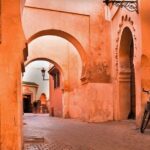
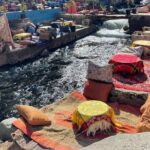
Your adventure begins in Marrakech with a warm welcome from your driver at the airport, who will escort you to your charming riad on the outskirts of the old town. The riad’s location offers a quieter setting but keeps you close enough to explore the famous Djemaa el Fna market in the evening. This lively square is a feast for the senses—snake charmers, storytellers, fire-eaters, and food stalls all combine to create a quintessential Moroccan scene.
Staying in an authentic riad is a big plus, as it offers a more personal experience than a standard hotel. It also sets the tone for the trip’s blend of comfort and local flavor. If you’re lucky, you might enjoy the cool evening air and watch the market come alive, a perfect introduction to Morocco’s vibrant culture.
Day 2: Cascades d’Ouzoud and Ait Bougmez Valley
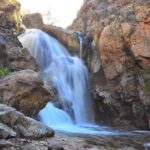
After breakfast, you’ll head to the remarkable Ouzoud Waterfalls, a highlight for many travelers. As you approach, the towering High Atlas mountains—some reaching 4200 meters—come into view. The waterfalls cascade over several tiers, creating a striking sight with their deep red rocks and lush bushes. Expect to see fig trees and jungle-like lianas clinging to the rocky cliffs.
You’ll probably want to get close enough for a photo and maybe take a boat ferry across the river at the base—an enjoyable way to experience the falls. The path to the top provides excellent viewpoints for panoramic shots. Reviewers mention the waterfalls as a “beautiful and lively” spot, perfect for nature lovers.
Next, the journey continues into the Ait Bougmez Valley, a truly scenic part of the High Atlas known as the “Valley of the Happy.” You’ll pass terraced fields still farmed using traditional methods, offering insight into Berber agricultural life. Here, you might meet local Berber nomads or explore on your own, enjoying hikes amidst stunning mountain scenery.
Staying overnight in a Kasbah hotel means experiencing a typical Moroccan structure, often built from local materials, and usually includes hearty Moroccan dinners and breakfast. Many travelers have praised this part of the trip for its “diverse landscapes and authentic Berber culture.”
Day 3: From Roses to Kasbahs
The next morning, after a relaxed breakfast, you’ll leave the Ait Bougmez Valley and head toward Boutghrar, an area renowned for its lunar landscapes—a striking contrast to the lush valleys. The terrain’s surreal colors and shapes create a perfect photo opportunity.
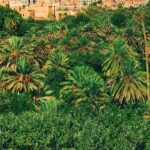
From there, you’ll visit Skoura, famous for its ancient kasbahs and lush palm groves. The traditional fortified villages (ksar) date back to the 17th century and give a glimpse into Morocco’s rural past. The town’s atmosphere is relaxed, and many appreciate the chance to see well-preserved architecture and learn about Berber traditions.
Continuing to Kelâa M’Gouna, also known as the Rose City, you’ll have the opportunity to visit a rose water cooperative—an aromatic and fragrant part of Moroccan craft tradition. Then, the trip takes you to Boumalne Dades, where a scenic hike along the river offers views of the famous Monkey Fingers rock formation. You’ll also see traditional kasbahs and mud-brick houses dotting the landscape—a photo-worthy scene.
Day 4: Into the Heart of the Gorge and Desert
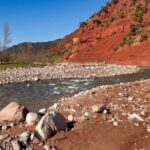
The day begins with a drive to Tinghir and a walk through the Todra Gorge, a narrow, towering canyon with red-brown cliffs rising vertically for hundreds of meters. The walk across the river on a concrete ford offers a close-up encounter with this dramatic landscape, highly praised in reviews.
Afterward, you travel to Erfoud, the gateway town to the sands of the Sahara. The highlight is arriving at Merzouga, where you’ll swap your vehicle for a dromedary ride into the desert. The camp features comfort tents with electricity, offering a surprisingly cozy desert experience. Many travelers comment on the starry nights and the ambiance of sitting around a campfire under the vast Moroccan sky.


Day 5: Sahara and Cultural Encounters
The morning provides a chance for a camel ride or jeep tour—a perfect way to enjoy the dunes. The Sahara’s endless sand stretching into the horizon is a sight that often leaves visitors in awe.
Later, you’ll visit Rissani’s mausoleum and ksar, gaining insights into the region’s spiritual and historical significance. A stop in Alnif for lunch allows a break from desert activities, and visiting the fossil and trilobite museum adds a touch of geological wonder to the day.
Heading towards Tamegroute introduces you to local crafts—pottery families have been making their signature green glazed pottery here for centuries. The library’s collection of ancient texts and manuscripts is another highlight, as mentioned by travelers who appreciate the cultural depth.
Zagora rounds out the day with its bustling weekly market, where locals gather to buy fresh produce, spices, and crafts—an authentic slice of Moroccan life.
Day 6: From Ait Saoun to Ouarzazate
This day begins with a scenic drive over the Ait Saoun Pass, offering spectacular views of the mountain rocks and the Draa Valley’s lush palms. As you descend into the region, you’ll notice the contrast between the green oasis and the rugged mountains.
Arriving in Ouarzazate, often called “Morocco’s Hollywood,” you’ll visit the famous Kasbah of Taourirte, used as a film set in numerous movies. For film buffs, this is a highlight, though some may prefer a quick tour of the local film studios.
The day culminates in a visit to Ait Ben Haddou, a UNESCO World Heritage site. The ancient ksar built into the riverbank is a stunning example of Berber architecture and a popular filming location. Many travelers mention the picturesque setting, perfect for photos and wandering through narrow alleyways.
A detour into the Ounila Valley leads to Telouet, with its rugged mountain scenery and traditional villages. Crossing the Tizi n’Tichka pass at over 2,200 meters offers panoramic views and is an adventure in itself—often snow-capped in winter.
Day 7: Return to Marrakech via the Highlights
Back in Marrakech, the city reveals its many charms. You’ll visit key sites like the Menara Gardens, the Grand Bazaar, the Saadian Tombs, and the Koutoubia Mosque with its iconic minaret. Many reviews highlight the guided tour as a way to appreciate the city’s vibrant atmosphere and historic sites.
For those with extra time, a visit to Jardin Majorelle and Yves Saint Laurent’s house offers a peaceful retreat amid lush greenery and artistic displays. Spending your evening in the lively Djemaa el Fna market again lets you soak in the nightly scene—perfect for dinner or simply people-watching.
Day 8: Departure and Final Thoughts
The final day offers a flexible transfer to the airport, with options to extend your stay in Marrakech, Essaouira, or Agadir. The tour’s included breakfast and private transport make for a smooth departure.
The Real Value of the Tour
At just under $1,500 per person, this 8-day journey offers significant value considering the inclusions—detailed sightseeing, private transportation, experienced guides, and authentic lodgings. The guided elements, especially local guides in Berber villages and the Sahara camp, add depth that self-planned itineraries often lack. Many reviews emphasize the knowledge and friendliness of guides as a standout feature, with one describing Ibrahim as “emphatic and attentive”—a crucial element in making the trip memorable.
The variety of landscapes—mountains, waterfalls, desert dunes, oasis towns—and the cultural insights woven into each stop make this tour well-rounded. It’s a chance to see Morocco’s diverse geography and cultures without the stress of self-organizing.
While the itinerary is busy, it’s designed to maximize your exposure to Morocco’s most iconic sights and hidden gems, striking a good balance between sightseeing, cultural interaction, and relaxation. The accommodation choices—riads, Kasbahs, desert tents—also add a layer of authenticity and comfort.
Who Would Love This Tour?
If you’re the type of traveler who enjoys a mix of landscapes, history, and culture, this trip is perfect. It’s ideal for those who appreciate guided tours that include local insights, enjoy authentic Moroccan accommodations, and are comfortable with a packed schedule. It’s especially suited for adventure seekers who want to explore both the natural and cultural riches of southern Morocco—from stuffed-full markets to starry desert nights.
It’s also a good fit for travelers who value value for money, as many reviews point out the quality of the guide, food, and sights for the price. If your focus is on deepening your understanding of Berber culture and experiencing Morocco’s natural beauty firsthand, this tour will satisfy.
FAQs
Is transportation included during the tour?
Yes, the tour includes private, air-conditioned transportation from start to finish. This ensures smooth travel across mountains, valleys, and desert terrain.
Are meals included?
Breakfast is included every day, and four dinners are part of the package. Lunches are not included, giving you flexibility to explore local eateries or pack a picnic.
Can I participate if I travel alone?
Absolutely. This is a private tour with only your group participating, so solo travelers are welcome and will join a small, personalized group.
What kind of accommodations are provided?
You’ll stay in authentic Moroccan lodgings, such as riads, Kasbah hotels, and desert camps. Many reviews praise the comfortable, traditional style of the hotels.
How physically demanding is the trip?
There are some hikes and walking in gorges and valleys, and camel rides in the desert. Comfortable shoes are recommended, but most activities are suitable for travelers with moderate fitness levels.
What’s the best time of year to go?
While not explicitly stated, Morocco’s climates suggest spring and fall are ideal, avoiding the extremes of summer heat and winter cold. The high mountain passes can be snow-capped in winter.
Is this tour suitable for families?
While not explicitly mentioned, the varied landscapes and experiences could appeal to families with older children comfortable with long travel days and some walking.
8 day round trip to southern Morocco from Marrakech
Final Thoughts
This 8-day guided tour of southern Morocco offers a wonderful opportunity to see the country’s most stunning landscapes and culturally significant sites in one well-organized package. Travelers will appreciate the expert guides, authentic accommodations, and the chance to experience Morocco’s diverse scenery—mountains, waterfalls, deserts, and kasbahs—all within a manageable schedule.
It’s a trip best suited for adventurous, culturally curious travelers who want to avoid the hassle of planning every detail but still crave an immersive experience. While some may find the days long and the pace brisk, the payoff is a thorough, authentic encounter with one of North Africa’s most fascinating regions.
If you’re looking for a trip that balances natural beauty, cultural richness, and good value, this tour deserves serious consideration.
Note: Always check current travel conditions and availability before booking, and consider how your personal pace aligns with a packed itinerary.