- 8 Days Kilimanjaro Climbing Itinerary via the Lemosho Route — A Detailed Look
- Key Points
- Introduction: Why This Kilimanjaro Climb Stands Out
- What to Expect on the Kilimanjaro Lemosho Route
- Day 1: Londorossi Gate to Mti Mkubwa Camp
- Day 2: Mti Mkubwa to Shira 1 Camp
- Day 3: Shira 1 to Shira 2 Camp
- Day 4: Shira 2 to Barranco Camp via Lava Tower
- Day 5: Barranco to Karanga Camp
- Day 6: Karanga to Barafu Camp
- Day 7: Summit Night — Barafu to Uhuru Peak and Mweka Camp
- Day 8: Mweka to Mweka Gate
- Deep Dive: What Makes This Tour Stand Out?
- Support and Professionalism
- Gear and Facilities
- Meals and Permits
- Safety and Emergency Support
- Cost and Value
- Who Is This Tour Best Suited For?
- Final Thoughts: Is This the Right Kilimanjaro Experience for You?
- FAQ
- The Best Of Kilimanjaro!
- More Tour Reviews in Kilimanjaro
8 Days Kilimanjaro Climbing Itinerary via the Lemosho Route — A Detailed Look
Planning a climb up Mount Kilimanjaro is no small feat, but this 8-day itinerary via the Lemosho Route promises a well-paced, scenic, and rewarding adventure. If you’ve ever wondered what it’s like to stand at the continent’s highest point, this package offers a comprehensive way to do so, with expert guides, solid logistics, and enough time for acclimatization.
What we really like about this tour is the emphasis on gradual ascent, helping you avoid the most dangerous pitfalls of altitude sickness, and the diverse scenery, giving you a taste of everything from lush rainforests to high alpine deserts. The route also gently introduces you to some of Kilimanjaro’s most iconic features, like the Lava Tower and Barranco Wall, without rushing.
One potential consideration is the price — at $2,800 per person, it’s a significant investment, but when you factor in everything included, from permits to camping gear, it offers a good value for a guided climb. It’s best suited for travelers who enjoy a structured adventure, are in decent physical shape, and want an authentic Kilimanjaro experience rather than a quick, fast-paced summit.
You can check availability for your dates here:
👉 See our pick of the Kilimanjaro’s 16 Best Tours & Things To Do: Which To Choose?
Key Points
- Diverse landscapes and ecosystems from rainforest to alpine desert make this a visually stunning trek.
- Gradual ascent over 8 days improves chances of successful summit and better acclimatization.
- Comprehensive support: guides, porters, gear, meals — a full-package experience.
- Expert guides and staff ensure safety, local insights, and a smooth journey.
- Value for money considering included permits, gear, and full-board meals.
- Authentic experience with the chance to see Kilimanjaro’s varied terrain up close.
You can also read our reviews of more tours and experiences in Kilimanjaro.
Introduction: Why This Kilimanjaro Climb Stands Out
If you’ve ever envisioned reaching the top of Africa’s highest mountain, this 8-day Kilimanjaro climb via the Lemosho Route looks like a solid choice. It’s designed for those who want a thoughtful, paced ascent with plenty of time to enjoy the scenery and prepare for the summit push.
What makes this trek appealing? First, the route’s scenic variety — from the lush rainforests at the start to the stark, rugged highlands near the summit. Second, the emphasis on acclimatization, which is critical when climbing such a tall peak. Many reviews praise the route’s ability to increase success rates thanks to its gradual elevation gain and strategic overnight stops.
A single drawback might be the cost, but when you consider the included permits, equipment, guides, and meals, it’s a package that offers genuine value. This experience appeals most to adventure travelers who seek a balanced, comprehensive climb with knowledgeable support, rather than a quick dash to the top.
What to Expect on the Kilimanjaro Lemosho Route
Day 1: Londorossi Gate to Mti Mkubwa Camp
Your adventure begins at Londorossi Gate, where you’ll settle paperwork and meet your crew. You’ll then trek through the vibrant rainforest, a lush, insect-filled jungle where you’ll get your first sights of Kilimanjaro’s verdant side. Expect to see an array of flora and possibly some wildlife. The hike to Mti Mkubwa Camp takes about 3-4 hours, and the atmosphere is a mix of excitement and anticipation.
Many reviewers mention the strong contrast between the lush start and the barren landscape to come. Your early introduction to Kilimanjaro’s environment sets the tone for a journey full of visual surprises.
More Great Tours NearbyDay 2: Mti Mkubwa to Shira 1 Camp
Leaving the rainforest behind, you’ll begin a steady ascent into moorland and heath zones, with the landscape transforming around you. The hike to Shira 1 Camp takes about 5-6 hours, offering vistas of the mountainous terrain and the rolling Shira Plateau.
The gradual incline is appreciated by climbers, as it helps with altitude acclimatization. The terrain here feels expansive but also more exposed, so expect cooler temperatures and a chance to enjoy panoramic views.
Day 3: Shira 1 to Shira 2 Camp
On day three, your trek continues across the Shira Plateau, a wide-open highland that offers sweeping views. It takes about 4-5 hours to reach Shira 2 Camp, situated at nearly 3,900 meters.
The highlight? The sense of space and the impressive vistas of the surrounding peaks. Many reviewers find this section both physically manageable and visually rewarding, especially after the previous day’s efforts. You’re now well on your way to higher elevations, making this an important step for acclimatization.
Day 4: Shira 2 to Barranco Camp via Lava Tower
This is a significant day involving a climb to Lava Tower (4,600 meters), which serves as a key acclimatization stop. From Lava Tower, you descend to Barranco Camp at about 3,960 meters. The trek takes about 6-7 hours and introduces a famous feature — the Barranco Wall.
Many reviews describe the Barranco Wall as a fun challenge — a steep, rocky scramble that provides a sense of adventure and spectacular views of the surrounding landscape. This day’s combination of ascent and descent helps your body adapt and prepares you for the higher altitude ahead.
Day 5: Barranco to Karanga Camp
Today, the trail takes you to Karanga Camp, located at 4,035 meters. The route involves climbing the Barranco Wall, which travelers often find thrilling — a quick 1-2 hour climb with breathtaking views. After that, it’s a relatively flat and short trek of 2-3 hours to camp.
According to reviews, this day is manageable but offers stunning scenery, particularly the summit of Barranco Wall. The terrain is rocky and exposed, but the rewarding views make it worthwhile.
Day 6: Karanga to Barafu Camp
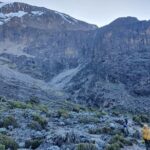
This day is about setting your sights on the final ascent. You’ll hike to Barafu Camp at 4,640 meters, a base camp for the summit attempt. The trek lasts about 4-5 hours, passing through alpine terrain with fewer trees and more rocky, barren slopes.
Many climbers comment that the atmosphere at Barafu is a mix of excitement and nervous energy, as everyone prepares for the early start the next night. Rest and nutrition are key, and many appreciate the support from guides and porters in getting ready.
Day 7: Summit Night — Barafu to Uhuru Peak and Mweka Camp
The most challenging part is waking up in the middle of the night for the midnight start. The climb to Uhuru Peak (5,895 meters) involves navigating steep, icy slopes. Reaching the summit just before sunrise offers spectacular views and a profound sense of achievement.
Many reviews emphasize the emotional impact of standing at the highest point of Africa and witnessing the sunrise over the plains below. The descent to Mweka Camp is strenuous but manageable, and many find it a fitting conclusion after the long climb.
Day 8: Mweka to Mweka Gate
Your descent through the rainforest to the Mweka Gate marks the end of your journey. It’s about 3-4 hours downhill, giving you one last chance to enjoy the diverse ecosystems. After completing formalities, you’ll receive your summit certificate, a tangible souvenir of your achievement.
Deep Dive: What Makes This Tour Stand Out?
Support and Professionalism
The inclusion of guides, assistant guides, porters, and cooks ensures safety, comfort, and local expertise. Reviews praise the staff’s professionalism and friendliness, noting that they go above and beyond to help you at each step. The team’s support is especially valuable during the high-altitude sections, where safety is paramount.
Gear and Facilities
The package covers high-quality camping equipment, including tents, sleeping bags, mats, and dining tents. This means you won’t need to carry or rent gear separately, which adds convenience and comfort. The availability of optional gear rental like trekking poles or gaiters is a nice touch.
Meals and Permits
Full-board meals — breakfast, lunch, and dinner — are provided, which is crucial for maintaining energy. The tour takes care of park entrance fees, camping fees, and permits, removing logistics headaches for travelers. Many reviews highlight the importance of this all-inclusive approach, especially when dealing with unfamiliar environments.
Safety and Emergency Support
Having a first aid kit and emergency oxygen on hand provides peace of mind. Climbers often cite the importance of having trained staff and safety protocols in place, especially given the altitude challenges.
Cost and Value
At $2,800 per person, the price might seem high at first glance. However, when you factor in permits, gear, full meals, guide services, and the summit certificate, it offers a fair value for a guided, supported climb. The inclusive nature reduces unexpected costs and ensures a smoother experience.
Who Is This Tour Best Suited For?
This Kilimanjaro climb is ideal for adventurers who appreciate structure and support. If you’re looking for a well-paced, scenic, and supported ascent, this itinerary offers a healthy balance of challenge and comfort. It’s perfect for those who want to maximize their chances of reaching the summit while enjoying the journey’s natural beauty.
Because it includes professional guides and necessary permits, it’s also suitable for first-timers or those who prefer a organized, all-inclusive experience. If you’re physically prepared for several days of trekking and eager to see Kilimanjaro’s various ecosystems, this trip is a strong contender.
Final Thoughts: Is This the Right Kilimanjaro Experience for You?
This 8-day trek via the Lemosho Route offers a comprehensive, immersive way to reach Uhuru Peak with plenty of time for acclimatization and enjoying the scenery. Its emphasis on support and safety makes it particularly suitable for those seeking a guidded, secure adventure.
You’ll love the diversity of landscapes — from rainforests to glaciers — and the sense of accomplishment on the summit. The inclusion of permits, gear, and full meals provides excellent value, especially given the logistical complexity of a mountain like Kilimanjaro.
However, be prepared for the physical and mental challenge, and consider whether this more relaxed, scenic route aligns with your expectations and fitness level. If you’re eager for an authentic, well-supported climb that balances nature, culture, and adventure, this tour might just be the ideal choice.
8 Days Kilimanjaro Climbing Itinerary via the Lemosho Route
FAQ
What is included in the price?
The cost covers professional guides, assistant guides, porters, and cooks, park entrance fees, camping fees, trekking permits, high-quality camping gear, full-board meals, the summit certificate, and optional gear rentals.
Are meals provided during the trek?
Yes, full board — breakfast, lunch, and dinner — are included, ensuring you stay fueled during the climb.
What gear do I need to bring?
You should bring your personal trekking gear such as boots, clothing, and water bottles. The tour offers optional gear rentals like trekking poles and gaiters, but personal gear is not included.
How long is each trekking day?
Most days vary from about 3-7 hours, depending on the section. The most demanding days are those involving the Lava Tower and summit night, which require early starts and stamina.
What is the typical group size?
While the exact group size isn’t specified, guided tours like this generally group climbers for safety and support, maintaining manageable group numbers.
Can I book now and pay later?
Yes, the tour offers a “Reserve & Pay Later” option, allowing you to secure your spot and decide later.
What is the cancellation policy?
You can cancel up to 24 hours in advance for a full refund, providing flexibility if your plans change.
Is this suitable for beginners?
The route’s gradual ascent and support staff make it accessible for most reasonably fit travelers, but some trekking experience is recommended. Always consult your doctor before undertaking high-altitude climbs.
To sum it up, this Kilimanjaro tour via the Lemosho Route delivers a rich, scenic, and thoughtfully supported climb tailored for those seeking an authentic, memorable adventure. It balances challenge with comfort, offering a well-rounded experience that maximizes your chances of reaching the summit while enjoying the mountain’s incredible diversity. If you’re prepared for the physical effort and looking for a guided trek that emphasizes safety and scenery, this package could be your perfect Kilimanjaro journey.
You can check availability for your dates here: