Climbing Mount Kilimanjaro is no small feat — it’s a journey that tests your physical limits, rewards you with unforgettable vistas, and leaves you with stories to tell for a lifetime. This particular tour, offered by ALMIGHTY KILIMANJARO, takes you along the Lemosho route, widely regarded as the most scenic trail on the mountain.
We’ve gathered all the details to give you a clear picture of what you can expect — from the breathtaking views to the logistical details that make or break a trek like this.
What we love most about this experience is its reputation for low crowd levels and high success rates, making it a popular choice among climbers seeking a more intimate and enjoyable adventure. Plus, the fact that most clients leave raving about their guides’ knowledge and professionalism speaks volumes.
The only potential downside? The 8-day duration might seem long for those eager to summit quickly, but it’s a key factor in increasing your chances of reaching the top.
This tour is ideal for travelers who are moderately physically fit, enjoy scenic landscapes, and seek a well-organized, guided climb with a reliable operator. If you’re after authentic experiences with expert support, this Kilimanjaro trek might just be the adventure you’ve been dreaming of.
- Key Points
- An 8-Day Journey on the Lemosho Route: What to Expect
- Starting Point: Moshi and the Gate
- Day 1: From Gate to Mti Mkubwa
- Day 2: Leaving the Forest for the Shira Plateau
- Day 3: Exploring the Shira Plateau and Lent Hills
- Day 4: Ascending to Lava Tower and Barranco Camp
- Day 5: The Barranco Wall and Karanga Valley
- Day 6: Ascent to Barafu Camp and South Circuit
- Night 7: The Summit Push
- Day 8: Descent and Celebration
- Why This Route and Tour Work Well
- Pricing and Value
- What to Keep in Mind
- Final Thoughts: Who Is This Tour Best For?
- Frequently Asked Questions
- In The Sum Up
- The Best Of Moshi!
- More Tour Reviews in Moshi
Key Points
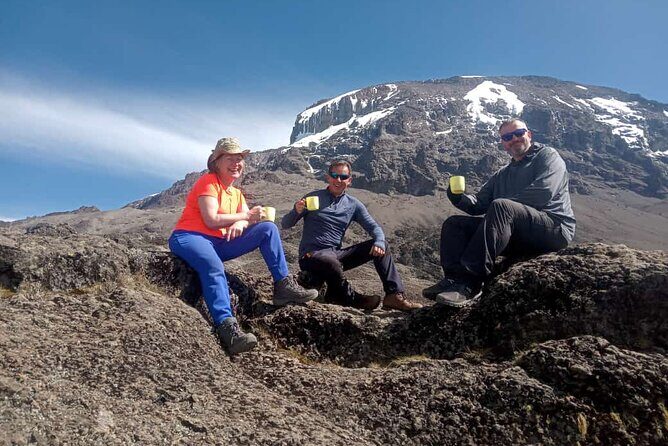
- Scenic route: The Lemosho trail offers gorgeous panoramic views and less crowded paths.
- High success rate: Designed with acclimatization in mind, this route improves your chances of reaching Uhuru Peak.
- Expert guides: Knowledgeable and experienced guides make the journey safer and more enjoyable.
- All-inclusive: The price covers permits, all meals, equipment, and tented accommodation.
- Timing: The 8-day schedule balances trekking and acclimatization, vital for summit success.
- Customer reviews: Consistently positive feedback highlights the professionalism of the crew and stunning scenery.

👉 See our pick of the Moshi’s 16 Top Tours & Things To Do
An 8-Day Journey on the Lemosho Route: What to Expect
You can also read our reviews of more tours and experiences in Moshi.

Starting Point: Moshi and the Gate
Your adventure kicks off in Moshi, a charming town in Tanzania, where you’ll be picked up around 9:00 pm for a 45-minute drive to the Kilimanjaro National Park Gate. This initial stretch is full of anticipation, as you pass through local villages with lively mountain scenery. It’s a good chance to observe everyday Tanzanian life and the bustling preparations of mountaineering crews. Waiting here, you’ll see the start of the organized chaos that is typical of any large-scale mountain expedition — permits are issued, gear is checked, and guides prepare for the days ahead.
Day 1: From Gate to Mti Mkubwa
Once inside the park, the journey begins with a 4-hour trek through lush rainforest, a vivid green that’s often muddy and slippery. This part of the trail is a great warm-up, but it’s also the most physically demanding early on — gaiters and trekking poles are strongly recommended. The rainforest teems with wildlife, and guides will happily share insights into the flora and fauna, making the walk educational as well as scenic.
Day 2: Leaving the Forest for the Shira Plateau
On your second day, you’ll ascend from around 2,785 meters to 3,504 meters, climbing steadily while enjoying increasingly expansive views. The air cools and thinness begins to be felt, so proper acclimatization is crucial. The trail opens up to reveal the Shira Plateau, known for its sweeping vistas and cloudscapes, making it a highlight for many trekkers. The terrain shifts from dense rainforest to moorland, signaling a transition into the more exposed sections of your climb.
Day 3: Exploring the Shira Plateau and Lent Hills
This full day is dedicated to exploring the plateau, with a gentle walk eastward toward Kibos Glacier. The route crosses open moorlands, streams, and less-used paths at high altitude — perfect for acclimatization. The highlight is reaching Moir Hut, at the base of Lent Hills, which provides options for varied walks and helps your body adapt to higher elevations. Many participants mention that this day’s terrain offers some of the best views on the mountain.
Day 4: Ascending to Lava Tower and Barranco Camp
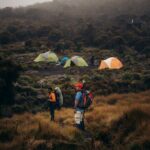
This day is crucial for acclimatization, with a modest gain of just 91 meters in elevation. The trail heads east, crossing ridges and passing the dramatic Lava Tower, also known as Shark’s Tooth. Standing at 4,650 meters, the tower is a striking geological feature and serves as a vital acclimatization point. Afterward, you descend to Barranco Camp, an iconic spot with dramatic cliff faces and a chance to witness the power of the mountain’s volcanic landscape.
Day 5: The Barranco Wall and Karanga Valley
Arguably one of the most exciting days, you tackle the Barranco Wall, a steep and challenging section that tests your agility and guides’ expertise. Don’t worry — guides are well-practiced in maneuvering through this section with ease, often leaving teams in awe of their skill. The day continues toward Karanga Camp, a quieter site that offers a good rest before the final push toward the summit. The scenery here is rugged and inspiring — expect to see the mountain’s grandeur up close.
Day 6: Ascent to Barafu Camp and South Circuit
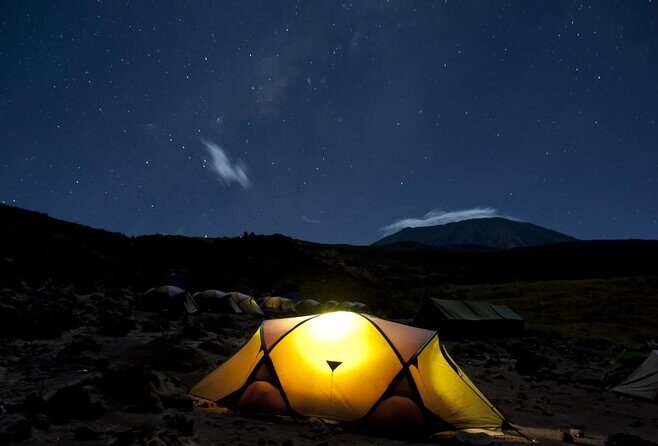
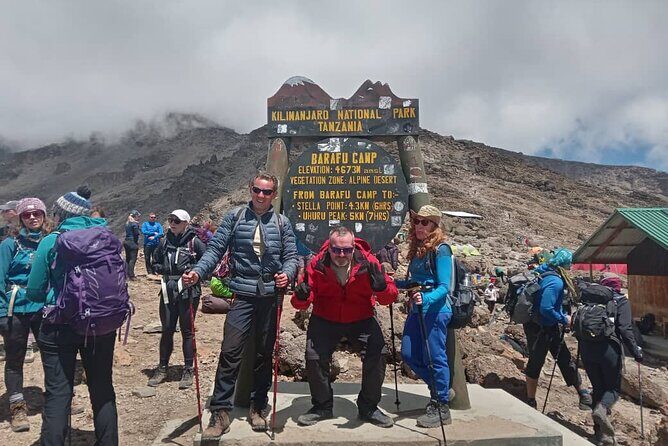
From 3,986 meters at Barranco, the trail steeply climbs to Barafu Camp at 4,662 meters. This part of the route features the South Circuit, a loop that offers diverse perspectives of the summit and Mawenzi Peak. It’s a good chance to rest early and prepare for the final, most demanding night. The mood here is all about anticipation, with climbers sharing nervous excitement over the upcoming midnight ascent.
Night 7: The Summit Push
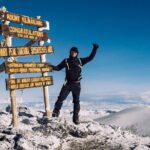
The most physically and mentally demanding part of the trek begins at midnight. The cold, wind, and darkness are tough companions, but the reward is the most magnificent sunrise over Mawenzi as you approach Stella Point. The final stretch to Uhuru Peak requires short, steady breaks, and guides are invaluable here for managing fatigue and cold. Once at the top, the sense of achievement is overwhelming, often described as “life-changing” by those who have done it.
Day 8: Descent and Celebration
After a brief celebration at the summit, you descend directly to Mweka Hut for lunch, then continue down through the increasingly lush rainforest to the park gate. The descent is steep and muddy, so gaiters and trekking poles are again recommended. At the gate, you’ll receive your certificates of achievement, and a vehicle will whisk you back to Moshi, where you can reflect on what you’ve accomplished.
Why This Route and Tour Work Well
The Lemosho route is praised for its beauty and high success rate. Its design emphasizes gradual altitude gain and acclimatization, which most experienced climbers agree is essential for a safe and successful summit. The trek’s scenic diversity — from rainforest and moorlands to volcanic formations — keeps the journey visually engaging.
What truly elevates this tour is the expert crew — guides, cooks, cooks, and porters — who are frequently commended for their professionalism and care. As one reviewer said, “The guides, Muntari, Sole, Frank, and Babusha, were incredible,” highlighting how their knowledge and attitude can make all the difference. The included permits, meals, and equipment mean you won’t have to worry about extra costs or logistics, allowing you to focus solely on the climb.
Pricing and Value
At $2,100 per person, this package offers good value considering everything included: permits, tents, meals, and a dedicated crew. The 8-day duration is a key selling point, as it not only improves the odds of reaching the summit but also makes the climb more manageable in terms of altitude sickness. Many climbers appreciate the balance of pace and acclimatization, which is why most of the positive reviews emphasize the professionalism of the team and the stunning scenery.
What to Keep in Mind
While the experience is packed with awe-inspiring views, the physical demands are significant. The ascent involves long days with steep sections, especially on the Barranco Wall and during the summit push. Proper physical preparation and mental resilience are recommended. Also, the weather can change rapidly, so packing appropriate clothing is essential. The tour’s start time at 9:00 pm for the summit attempt means you’ll need to be prepared for a very late night on the mountain.
Final Thoughts: Who Is This Tour Best For?
This Kilimanjaro climb via Lemosho is ideally suited for adventurers with moderate fitness levels who value scenic beauty and are seeking a high success probability. It’s perfect for travelers who want a well-organized, guided experience with knowledgeable crew and are willing to commit 8 days to increase their chances of reaching Africa’s highest point. If you prefer a more peaceful, less crowded trail that emphasizes safety and comfort, this route is a top choice.
It’s less suited for those looking for a quick, adrenaline-packed ascent or who are not comfortable with extended physical activity at high altitude. Nonetheless, for most, the combination of stunning vistas, expert guidance, and a steady pace makes this a truly memorable climb.
Frequently Asked Questions
How long is the climb?
The entire trek lasts approximately 8 days, with the most demanding days being the summit night and the ascent from Barranco.
What’s included in the price?
All permits, meals (breakfast, lunch, and dinner on most days), camping equipment, and a professional crew are included. Gaiters and trekking poles are recommended, especially at lower and steeper sections.
Is this climb suitable for beginners?
While moderate fitness is recommended, the route’s emphasis on acclimatization and experienced guides makes it accessible for travelers with decent physical preparation.
How difficult is the summit night?
It’s the most challenging part, involving a midnight start, cold temperatures, and steep sections. Expect to take frequent short breaks and rely on your guides’ support.
What are the key benefits of the Lemosho route?
Its scenic diversity, high success rate, and quieter trails make it a popular choice. Most climbers find the views and overall experience more rewarding.
Can I customize the trek?
The itinerary is fixed at 8 days, but some reviews mention flexibility, such as reaching the summit in fewer days if conditions permit.
What should I bring?
Layered clothing, sturdy hiking boots, warm hat, gloves, headlamp, personal essentials, and a sense of adventure.
How do I prepare physically?
Cardio fitness, core strength, and hiking practice will help, along with mental preparation for long days and altitude.
What’s the best time of year to climb?
While not explicitly stated, most Kilimanjaro climbs are best during dry seasons, typically June to October and December to February.
8-Days Kilimanjaro Climbing via Lemosho Route
In The Sum Up
Climbing Kilimanjaro via the Lemosho route with ALMIGHTY KILIMANJARO offers a blend of stunning scenery, professional guidance, and high success chances. Designed with acclimatization and safety in mind, it’s a route that appeals to those eager to enjoy the mountain’s beauty without sacrificing comfort or safety. Though demanding, the experience is thoroughly rewarding — a true adventure that’s well worth the effort for those ready to take on Africa’s highest peak.
If you’re seeking a scenic, well-organized climb with expert support, this tour provides excellent value and an unforgettable experience. Just remember, preparation is key, and patience will reward you at the summit.