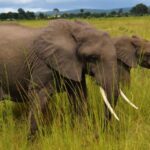
Travelers who dream of seeing Africa’s wild heart will find this 8-day safari a compelling choice. It offers a chance to explore some of Tanzania’s most impressive natural parks—Mikumi, Ruaha, and Nyerere—along with a fascinating historical stop at the Isimila Stone Age Site.
The tour is designed for those who want a balanced mix of game viewing, cultural history, and scenic landscapes—all within a manageable itinerary and at a reasonable price.
What makes this experience stand out? First, the expert guidance and the opportunity to visit the largest game reserve in Africa (Selous, now part of Nyerere NP), plus Tanzania’s largest national park. Second, the inclusion of the Isimila Stone Age Site adds a touch of human history amid the wildlife encounters.
However, keep in mind the long travel days—some stretches are quite demanding, especially the 18-hour journeys to Selous—so it’s best suited for adventurous travelers with stamina.
This trip is a fantastic option for wildlife enthusiasts, history buffs, or anyone seeking a comprehensive Tanzanian safari experience with value. If you love authentic experiences, knowledgeable guides, and awe-inspiring views, this tour will likely meet or even exceed your expectations.
- Key Points
- Arrival and First Impressions at Mikumi NP
- Exploring Mikumi and Nearby Iringa
- The Wilds of Ruaha National Park
- The Rocky, Baobab-Laden Landscape of Ruaha
- Site Visit: Isimila Stone Age
- Journeying to the Selous Game Reserve
- In-Depth Game Viewing: Land and Water
- The Walking Safari and Final Moments
- What’s Included and What’s Not
- Who Will Love This Tour?
- The Best Of Dar es Salaam!
- More Safari Adventures in Dar es Salaam
- More Tour Reviews in Dar es Salaam
Key Points
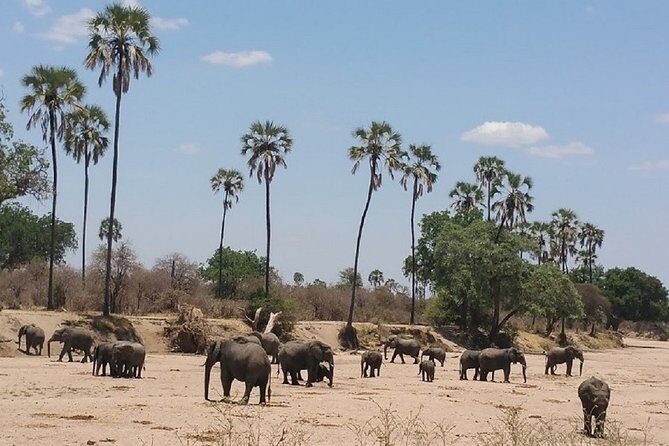
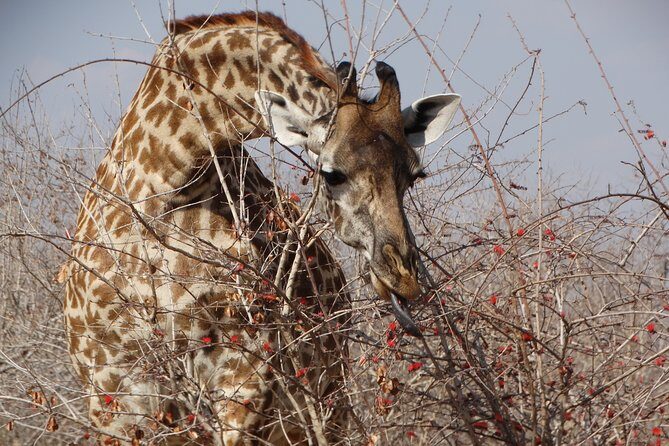
- Diverse parks: Visit Mikumi, Ruaha, and Nyerere, Tanzania’s largest park, for a wide range of wildlife and landscapes
- Expert guides: The reviews highlight the knowledgeable guides who enhance the experience
- Historic site: Isimila Stone Age Site offers a meaningful break from wildlife viewing with fascinating archaeological insights
- Long travel days: Expect some extended drives, especially to Selous, which might be tiring but rewarding
- Immersive game drives: Both land and boat safaris provide varied perspectives on animal behavior, including close encounters with hippos and crocodiles
- All inclusive: Most expenses such as park fees, accommodation, and meals are covered, making planning easier
👉 See our pick of the What Are The Best Tours & Things To Do In Dar Es Salaam? Our Top 16 Picks
Arrival and First Impressions at Mikumi NP
The safari kicks off with a pickup from Dar es Salaam, followed by a roughly five-hour drive to Mikumi National Park. The journey itself is part of the adventure, passing through Tanzania’s countryside, with a quick stop in Morogoro for a hot lunch—an important detail that helps break up the day. Mikumi is often called Africa’s “little Serengeti” because of its open plains and abundant wildlife, and you’ll get your first taste during an afternoon game drive.
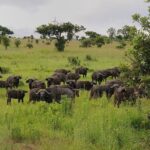
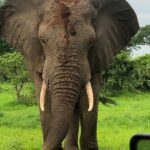
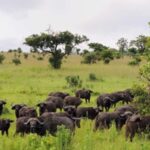
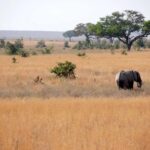
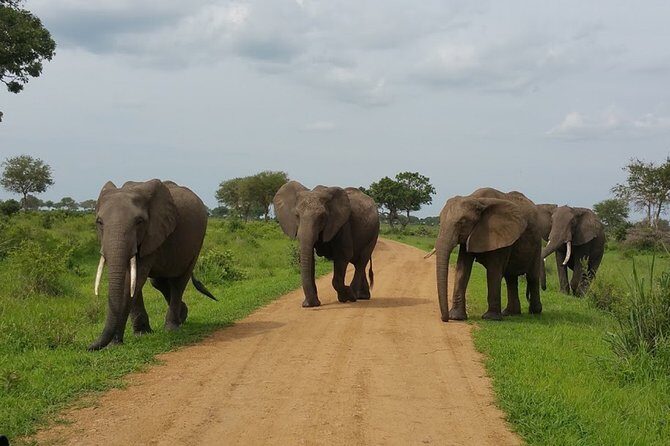
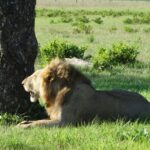
Travelers have reported that Mikumi’s wildlife is impressive, especially for a half-day tour. Expect to see elephants, giraffes, and possibly lions, all while enjoying the comfort of a 4×4 with an open roof—perfect for photos and close-up views. The sunset at the hippo pool is a favorite highlight; the animals coming to drink at dusk create a spectacular scene.
You can also read our reviews of more tours and experiences in Dar es Salaam
Exploring Mikumi and Nearby Iringa
The second day continues in Mikumi with a morning game drive before heading south towards Iringa, a scenic town with a relaxed charm. The drive offers a chance to see more of Tanzania’s rural life. You’ll have the opportunity for an additional game drive, potentially spotting more wildlife as you bid farewell to Mikumi.
Travelers appreciate the smooth logistics; the tour hits the highlights without rushing, allowing for some quality wildlife observation. The overnight in Iringa offers a good rest before heading into the more remote parks.
The Wilds of Ruaha National Park
The third day is dedicated to Ruaha, Tanzania’s largest national park, renowned for its dense predator populations and stunning landscapes filled with kopjes (rock outcrops) and ancient baobabs. The drive from Iringa to Ruaha is about two and a half hours—short enough to keep the momentum going.
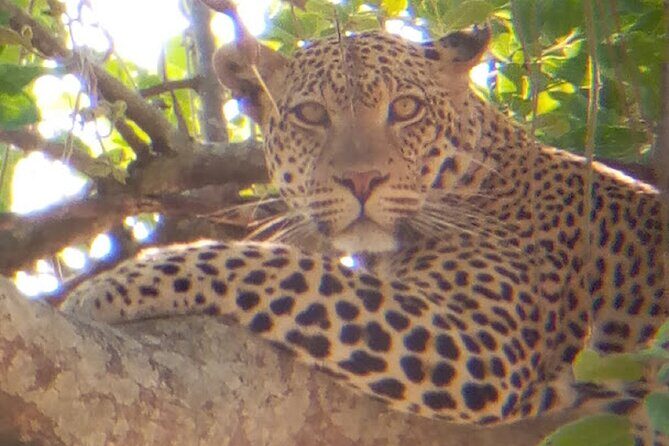
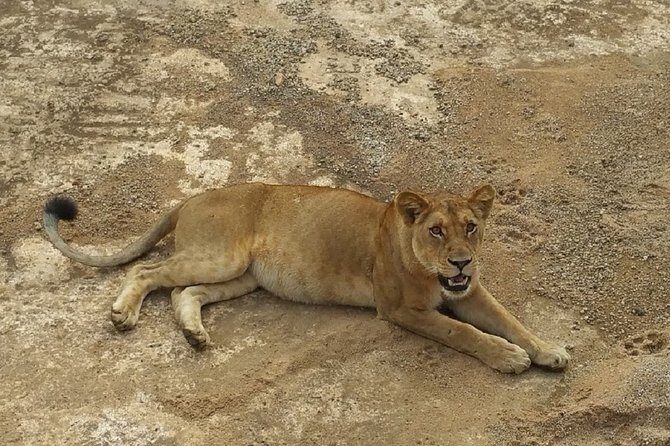
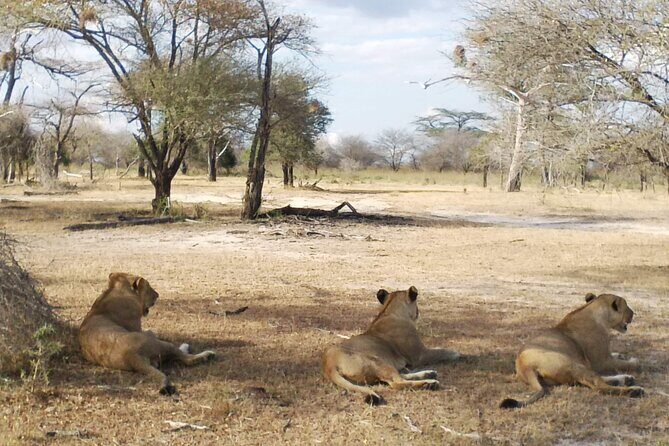
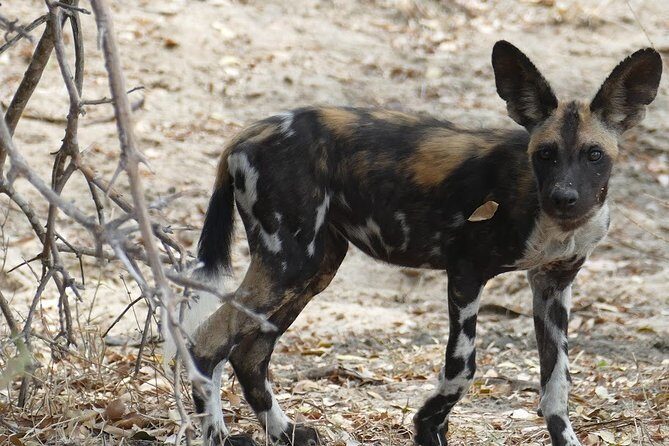
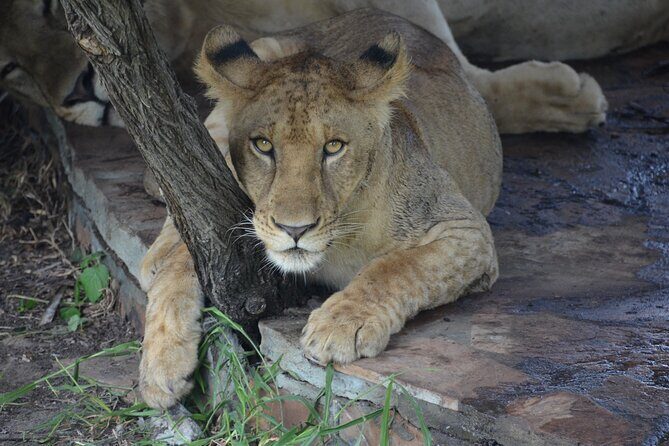
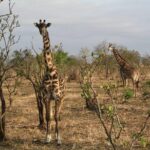
Once inside Ruaha, the full-day game drive is a highlight. The park’s diverse ecosystems mean you’ll encounter lions, cheetahs, leopards, and wild dogs—rare and endangered predators that are increasingly difficult to find elsewhere. The network of roads allows for close-up viewing, and guides are praised for their knowledge of animal behavior, helping guests spot elusive cats and other wildlife.
Travelers have particularly enjoyed the chance to see predator packs in action and note the impressive number of large animals, especially during the dry season when water sources concentrate wildlife.
The Rocky, Baobab-Laden Landscape of Ruaha
A second day in Ruaha deepens the experience, with a full-day game drive exploring the park’s beautiful scenery. The rocky kopjes and ancient trees provide a dramatic backdrop, and the chances of observing predators hunting or resting are high. The guides’ ability to point out animal tracks and signs adds an educational layer to the adventure.
Site Visit: Isimila Stone Age
A unique addition to the safari is the visit to Isimila, located via Iringa. This archaeological site has yielded tools and fossils from early humans, dating back thousands of years. The tour begins with a brief museum introduction, then ventures into the canyon where the earth’s reddish hues and rock formations tell stories of natural history.
Visitors describe the walk as scenic and lively—it’s a chance to stretch your legs and learn about human ancestors while taking in stunning vistas. The guide’s explanations about how the tools and beds were formed enrich the visit, turning it into a meaningful pause from animal watching.



Journeying to the Selous Game Reserve
The trip to Selous (now part of Nyerere NP) is a significant travel day—around 18 hours—but it’s considered well worth the effort. The route takes travelers through mountains, rivers, and small villages, offering a glimpse of rural Tanzanian life. The drive is lengthy, but reviews emphasize the adventure and scenic beauty.
Once at Selous, the landscape shifts to vast, unspoiled wilderness. The afternoon game drive introduces you to a park famed for its large herds, predators, and the mighty Rufiji River. The guides’ local knowledge shines here; they help you spot elusive animals and share insights into the park’s ecology.
In-Depth Game Viewing: Land and Water
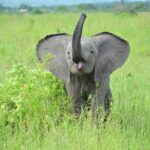
Days six and seven are packed with game drives and boat safaris. The morning game drives allow for prime animal sightings, with the chance to see elephants, lions, and more. The boat safari along the Rufiji River provides a different perspective—hippos, crocodiles, and birds are often seen close-up, with the river’s calm waters offering superb photographic opportunities.
Guests consistently praise the guides’ expertise, which makes all the difference when trying to spot wildlife. The boat safari, especially at sunset, offers a peaceful, almost meditative view of life along the river.
The Walking Safari and Final Moments
On the last day, early morning wilderness walking safaris give a rare chance for an up-close, personal experience with the African bush. With an armed ranger, you’ll walk for about two and a half hours, observing footprints, animal droppings, and signs of wildlife often missed on game drives.
This activity is highly rated by reviewers for its intimacy and hands-on approach. It’s a reminder that, while the animals are impressive from the vehicle, walking in their territory really connects you with the environment.
After breakfast, it’s time to pack up and prepare for the return journey to Dar es Salaam, ending an adventure packed with wildlife, scenery, and history.
What’s Included and What’s Not
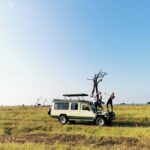
This tour covers most of what you’d hope for—private transportation, park fees, meals, and accommodations. The open-roof 4×4 makes for excellent photography and close animal encounters. Bottled water keeps you hydrated amid the dusty roads, and most meals are included, simplifying planning.
However, personal expenses, tips, and anything not explicitly mentioned are up to you. The long drives are part of the experience, but be prepared for some hours on the road—especially the 18-hour trek back from Selous, which travelers note as tiring but worth it.
8 Days Safari to Mikumi NP, Ruaha NP and Nyerere NP + Isimila Stone Age Site
Who Will Love This Tour?
This safari is best suited for adventurous travelers who don’t mind long travel days and want an authentic, comprehensive Tanzanian experience. Wildlife lovers will enjoy the variety of parks and the chance to see predators, elephants, and hippos up close. History buffs will appreciate the Isimila site’s archaeological significance, while photography enthusiasts will find plenty of opportunities.
The tour’s small-group or private setting makes it flexible and personalized, and the knowledgeable guides ensure you won’t miss the best sights or insights.
This 8-day safari offers a well-balanced mix of spectacular wildlife, scenic landscapes, and cultural history. The inclusion of Tanzania’s largest parks and the archaeological site provides a broad perspective on the country’s natural and human heritage. Although the long travel days might challenge some, they are part of the authentic adventure—especially when rewarded with the stunning views and encounters along the way.
For those eager to see Africa’s big game and learn about its ancient past, this safari provides genuine value. The excellent reviews speak to the quality of guides, the variety of experiences, and the breathtaking vistas. It’s a great choice for travelers seeking an immersive, authentic, and thoughtfully organized Tanzanian adventure.
What is the main focus of this safari?
The tour combines wildlife viewing in Tanzania’s largest parks with a cultural-historical visit to the Isimila Stone Age Site, offering a well-rounded experience.
How long are the travel days?
Some days involve long drives, notably the 18-hour journey back from Selous, which can be tiring but also part of the adventure. The other days range between 2.5 to 6 hours.
Are park fees included?
Yes, all fees and taxes are included, simplifying your planning and ensuring you won’t face unexpected costs during the trip.
What kind of vehicle is used?
A 4×4 tourist vehicle with an open pop-up roof is used for game drives, providing prime opportunity for wildlife viewing and photography.
Is the tour suitable for all ages?
Most travelers can participate, but those sensitive to long hours in vehicles or traveling for extended periods should consider their stamina.
Are meals included?
Yes, breakfast, lunch, and dinner are provided for most days, making it easier to focus on enjoying the experience without worrying about extra costs.
Can I customize the tour?
This is a private tour or small group activity, so there’s some flexibility, especially with timing and specific interests, depending on arrangement.
What is the level of guided expertise?
Travelers praise the guides for their knowledge, which enhances animal sightings and provides meaningful explanations about the parks and history.
Is there free time, or is it all structured?
The itinerary is quite packed with game drives and site visits, but there’s some downtime in the evenings for rest or reflection.
To sum it up, this safari is a well-structured, immersive experience that balances wildlife encounters, scenic landscapes, and cultural insights. It’s best for those eager to see Tanzania’s renowned parks, appreciate its history, and enjoy guided expertise—all at a value price. Whether you’re a wildlife enthusiast or a history lover, this journey promises memories that will last a lifetime.