- Exploring the Atlanta: Civil Rights Bicycle Tour
- Key Points
- A Detailed Look at the Civil Rights Bicycle Tour
- Starting Point and Setting the Scene
- The Ride Through History
- Examining Symbols of Oppression and Progress
- The Experience and What You’ll Get
- Practicalities & Considerations
- Authentic Reviews and Feedback
- Who Should Consider This Tour?
- FAQs
- Final Thoughts
- The Best Of Atlanta!
- More Tours in Atlanta
- More Tour Reviews in Atlanta
Exploring the Atlanta: Civil Rights Bicycle Tour
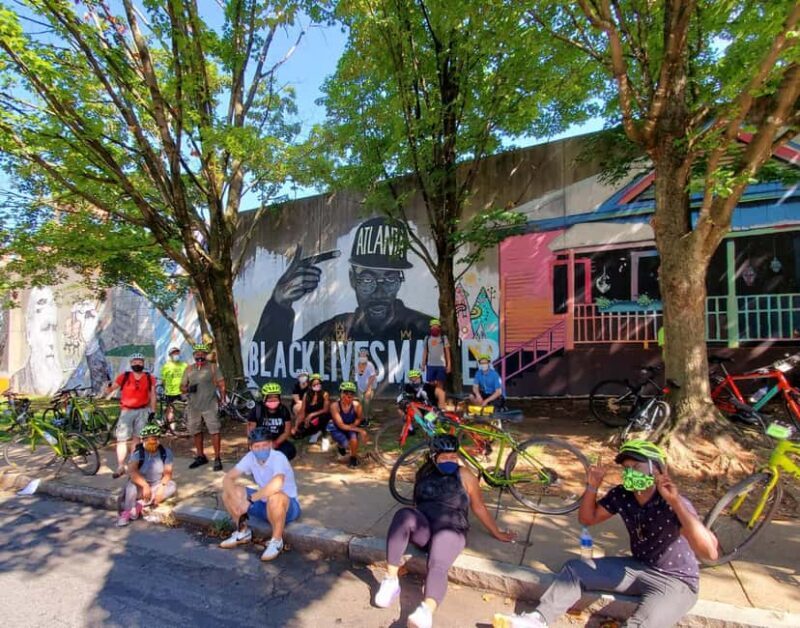
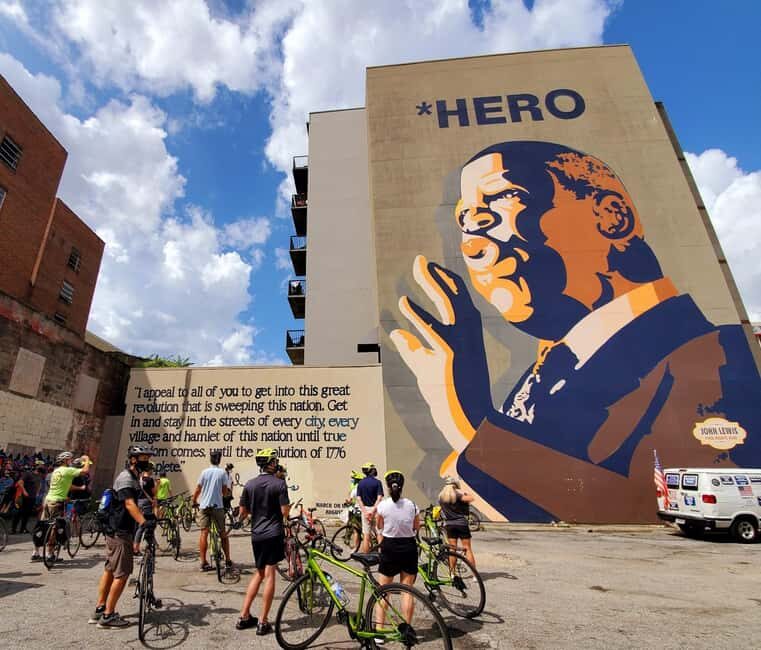
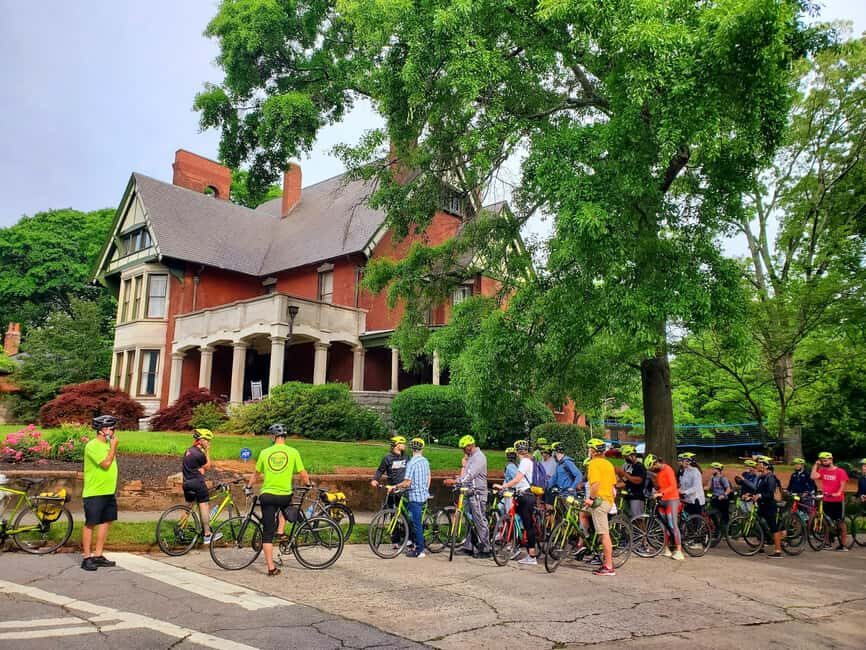
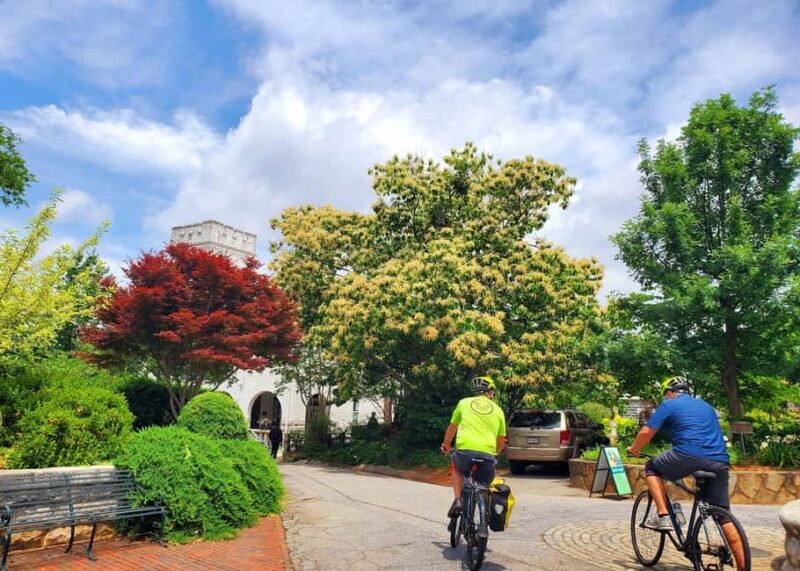
If you’re looking to combine exercise with education, the Atlanta: Civil Rights Bicycle Tour offers a compelling way to see the city while learning about its pivotal role in the Civil Rights Movement. Guided by knowledgeable locals, this 3-hour ride takes you through neighborhoods, historical sites, and monuments that paint a vivid picture of Atlanta’s complex history.
What we love about this tour is its blend of storytelling and physical activity — it’s an engaging way to connect with the city’s past. We also appreciate that it’s designed for those comfortable on a bike, making for a lively, interactive experience. However, prospective riders should consider that it’s not suitable for children under 12 or those who can’t ride a bike, so it’s best for active travelers ready to pedal at a moderate pace.
This tour is ideal for history buffs, curious travelers, or anyone eager to see Atlanta through a meaningful lens. Whether you’re visiting for the first time or a local wanting to deepen your understanding, this trip offers both insight and a dash of adventure.
You can check availability for your dates here:
👉 See our pick of the The 15 Best Workshops & Classes In Atlanta
Key Points
- Active learning: Combines a scenic bike ride with rich stories of the Civil Rights era.
- Historic landmarks: Visits key sites like Dr. Martin Luther King Jr.’s home, Ebenezer Baptist Church, and the site of the 1906 Race Massacre.
- Neighborhood exploration: Rolls through Reynoldstown, a community founded by formerly enslaved people, adding layers to the history.
- Social engagement: Encourages conversations and questions, making it a participatory experience.
- Cost & value: For $75, you get a guided tour, bike, and helmet, which provides good value given the depth of stories and sites covered.
- Accessibility considerations: Not suitable for children under 12 or those unable to ride a bike, so plan accordingly.
You can also read our reviews of more tours and experiences in Atlanta.



A Detailed Look at the Civil Rights Bicycle Tour
Starting Point and Setting the Scene
The tour begins at Studioplex Lofts in the Old Fourth Ward, a lively neighborhood just east of downtown Atlanta and next to the Atlanta Beltline. It’s a practical meeting spot, easily accessible and close to major attractions, making it simple to incorporate into a day of sightseeing. Arriving 15 minutes early is recommended to get fitted with your bike and helmet and to settle in before the group sets off.
From the start, the atmosphere is friendly and informal. Your guide, possibly a local historian or passionate storyteller, sets the tone with a brief overview of Atlanta’s significance in the civil rights struggle. The bikes provided are equipped for comfort and safety, with multi-gear options and hand brakes, so you should be comfortable riding on city streets.
The Ride Through History
Over the next three hours, you’ll cycle through neighborhoods that tell the story of Atlanta’s African American community and its fight for equality. One of the first notable stops is Reynoldstown, a neighborhood built by formerly enslaved individuals. Here, you can imagine how these resilient communities laid the groundwork for future civil rights activism.
Next, the tour takes you to the site of the 1906 Atlanta Race Massacre. This violent event, which saw white mobs attacking Black citizens and businesses, is a stark reminder of the brutality faced by Black Atlantans. The guide will explain how this massacre forced Black business owners to relocate, paving the way for the development of the historic Sweet Auburn Business District—once billed as the “richest Black street in the nation.”
You will also visit the birth home of Dr. Martin Luther King Jr. and his final resting place, both located in Sweet Auburn. Standing outside his birth home allows visitors to connect emotionally with his personal story, which is central to understanding the civil rights movement. The nearby Ebenezer Baptist Church, where Dr. King preached and led, offers an opportunity to reflect on his leadership and the community that supported him.
More Great Tours NearbyExamining Symbols of Oppression and Progress
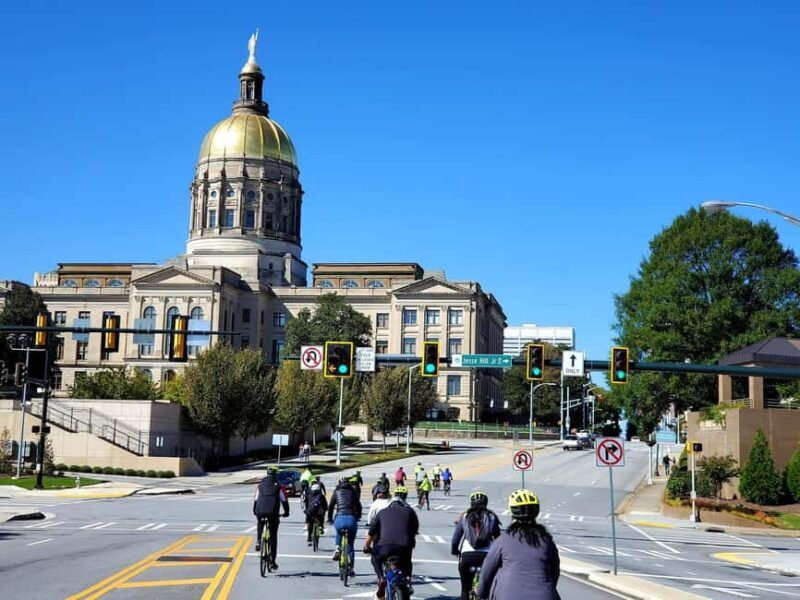
A highlight of the tour is the visit to the Georgia State Capitol, where statues representing both progress and oppression stand side by side. This visual juxtaposition prompts conversations about the ongoing struggle for racial justice and how history is memorialized in public spaces. Your guide will shed light on how the state’s response to desegregation rulings like Brown v. Board of Education in 1954 influenced local policies, demonstrating how systemic racism was maintained through Jim Crow laws.
Throughout the ride, storytelling about Black leaders and movement pioneers enriches the experience. These stories help paint a fuller picture of the layered history, illustrating how Atlanta has been both a battleground and a beacon for civil rights.



The Experience and What You’ll Get
The tour is designed to be participatory. Travelers are encouraged to ask questions, share insights, and reflect during stops. This conversational style makes it more than just a sightseeing trip—it’s a chance to engage with history on a personal level. The guide’s insights help illuminate how the past continues to shape the present, making it a meaningful experience for those interested in social justice, history, or Georgia’s racial legacy.
Since the price includes the bike and helmet rental, it’s a straightforward expense that offers good value compared to other private or guided tours. There are no meals, beverages, or hotel transfers included, so plan accordingly. The group size tends to be manageable, fostering a more intimate atmosphere where everyone’s questions can be addressed.
Practicalities & Considerations
- Duration is approximately 3 hours, making it a manageable half-day activity.
- Cost at $75 per person, offers a fair price considering the guided storytelling and bike gear.
- Suitability is limited to riders comfortable with multi-gear bikes and hand-brakes; not recommended for children under 12, wheelchair users, or those who can’t ride a bike.
- Weather can impact the experience, so check the forecast and dress appropriately; comfortable shoes are suggested for walking between stops.
- The tour runs in the afternoon, fitting well into a flexible Atlanta itinerary.
- Cancellation is free if made 24 hours in advance, giving some peace of mind should your plans change.
Authentic Reviews and Feedback
While specific reviews aren’t provided here, similar tours often receive praise for their passionate guides and the depth of stories shared. Many travelers remark on how visiting sites like Dr. King’s home and the Race Massacre location adds emotional weight to the history. The bike format is appreciated for allowing access to neighborhoods that aren’t easily covered on foot, and the social aspect of meeting other travelers lends a communal feel.
Some have noted that the physical activity level is moderate but manageable, particularly if you’re used to cycling. The only potential downside is the limited time—three hours go quickly, so some travelers might wish for longer explorations or more stops.
Who Should Consider This Tour?
This Atlanta Civil Rights Bicycle Tour is an excellent choice for active travelers eager to explore history hands-on. It suits those who enjoy engaging stories, want to see multiple sites without walking long distances, and are comfortable riding a bike. It’s also ideal for visitors who want to understand Atlanta’s racial history in a way that’s both educational and memorable.
If you’re traveling with children under 12 or have mobility issues, this tour might not be suitable. However, for anyone interested in the past and how it shapes the present, this ride offers a meaningful, authentic experience.
FAQs
Is the tour suitable for children?
No, it’s recommended for participants over 12 years old who are comfortable biking. Children under 12 or those unable to ride a bike should look for other activities.
What should I bring?
Bring comfortable shoes for walking and dressing for the weather. The tour provides bikes and helmets, so no need to worry about equipment.
How long does the tour last?
It runs for about 3 hours, making it a perfect half-day activity.
Can I cancel if my plans change?
Yes, you can cancel up to 24 hours in advance for a full refund, providing flexibility for your travel schedule.
What does the tour cost include?
The fee of $75 covers the guided bicycle tour, bicycle, and helmet rental. Meals, drinks, and hotel transfers are not included.
Is the tour available in languages other than English?
No, it is conducted in English.
Where does the tour start?
The meeting point is in Studioplex Lofts in the Old Fourth Ward neighborhood, close to the Atlanta Beltline and King Historic National Park.
Atlanta: Civil Rights Bicycle Tour
Final Thoughts
The Atlanta: Civil Rights Bicycle Tour offers a rare chance to explore a key chapter of American history with movement and insight. It’s perfect for travelers who want to see the city from a different perspective—on two wheels—while engaging with stories that have shaped the nation. The combination of storytelling, neighborhood exploration, and physical activity makes for a memorable experience that goes beyond typical sightseeing.
If understanding Atlanta’s deep-rooted civil rights history is important to you—and you’re comfortable on a bike—this tour provides a meaningful, balanced, and authentic way to connect with the city’s past. It’s an affordable, active alternative to traditional walking tours, and it’s sure to leave a lasting impression on your understanding of this vital part of American history.
You can check availability for your dates here: