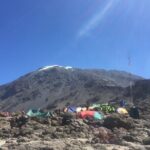
Climbing Kilimanjaro’s Marangu Route is often regarded as the most straightforward way to reach Africa’s highest summit.
This 5-day experience, offered by Mountain Warriors Tours and Safaris, is designed for travelers who want a manageable climb with the comfort of basic amenities, without sacrificing the majesty of this iconic mountain. We’ve looked into this tour thoroughly to help you decide if it’s the right adventure for you.
What we love about this trip are the comfortable mountain huts—a real game-changer for those not keen on camping—and the experienced guides who make the journey safer and more enjoyable. The opportunity to see stunning sunrise and sunset views while resting in well-equipped huts is another highlight.
On the flip side, this route’s shorter, more accessible nature might mean you miss some of the more remote, rugged aspects of Kilimanjaro’s wilderness.
This tour suits first-timers and those with moderate fitness who want a guided, hassle-free ascent. If you’re looking for a trip that balances value, comfort, and natural beauty, then this climb could be perfect. Now, let’s walk through the details in a way that helps you picture the experience and understand what it truly offers.
- Key Points
- An In-Depth Look at the 5-Day Marangu Route
- The Overall Experience
- Transportation and Logistics
- Day 1: Forest Walk to Mandara Hut
- Day 2: From Mandara to Horombo Hut
- Day 3: To Kibo Hut via the Saddle
- Day 4: Summit Day—Gillman’s Point and Uhuru Peak
- Day 5: Descent to the Park Gate
- What Sets This Tour Apart?
- Challenges and Considerations
- Who Should Consider This Tour?
- Final Thoughts
- Frequently Asked Questions
- The Best Of Arusha!
- More 5-Day Experiences in Arusha
- More Tour Reviews in Arusha
Key Points
- Comfortable Huts: The only route to offer shared sleeping huts with beds, lighting, and basic amenities.
- Expert Guides: Knowledgeable, experienced guides who prioritize safety and local insights.
- Stunning Views: Expect breathtaking sunrises and sunsets from high-altitude points like Horombo and Gillman’s.
- Moderate Physical Demands: Suitable for those with decent fitness who prefer a less strenuous climb.
- All-Inclusive Package: Meals, park fees, rescue fees, water, and transfers included, offering peace of mind.
- Authentic Experience: Access to the mountain’s natural beauty and diverse ecosystems, from forests to alpine moorlands.
👉 See our pick of the Arusha’s 7 Best Tours & Things To Do
An In-Depth Look at the 5-Day Marangu Route
You can also read our reviews of more tours and experiences in Arusha
The Overall Experience
This tour is designed to be both accessible and rewarding. While Kilimanjaro’s peak is a challenging climb regardless of the route, the Marangu route’s shorter duration and hut accommodations make it appealing for those new to altitude trekking or travelers who prefer a bit more comfort. With 5 days on the mountain, you get a good chance to acclimate gradually and enjoy the scenery without the fatigue of camping.
Transportation and Logistics
Your adventure begins with a pickup from Arusha or Moshi (the tour starts at 7:30 am), making it an easy and stress-free start. The transport is included in the package, ensuring you’re comfortably driven to the Kilimanjaro National Park Gate, a mere short drive from the mountain’s edge. From there, the trek begins in an attractive coffee and banana plantation village, setting a peaceful tone for the journey.
Day 1: Forest Walk to Mandara Hut
On day one, your walk takes about 3-5 hours through lush, vibrant forest teeming with birdlife and monkeys. The route from the park gate to Mandara Hut (2,700 m) is scenic and gentle, which makes it an excellent way to ease into the climb. The nearby Maundi Crater adds a volcanic touch and offers a quick excursion if you’re up for it. Many past climbers commend the beautiful forest scenery and the chance to spot wildlife early on.
Day 2: From Mandara to Horombo Hut
The second day involves a steady ascent through grassy moorlands, with impressive views of Kibo and Mawenzi peaks. The walk takes around 4-6 hours, and the landscape shifts from dense forest to open, wind-swept plains. Sunrise and sunset here are often highlights, with a feeling of being above the clouds. Reviewers frequently mention the stunning scenery and the sense of accomplishment as they gain altitude.
Day 3: To Kibo Hut via the Saddle
This day covers about 4-5 hours of walking, leading you to Kibo Hut (4,700 m). The terrain becomes more lunar and rugged as you leave the lush greenery behind and enter the high-altitude wilderness of the Saddle. The afternoon is reserved for rest and preparation for the summit push. The focus here is on resting, eating well, and getting mentally ready for the big climb.
Day 4: Summit Day—Gillman’s Point and Uhuru Peak
This is the most demanding day, starting at around 1 a.m. with a torchlit ascent that takes 5-6 hours to Gillman’s Point (5,685 m). From there, you can opt to continue along the crater rim to Uhuru Peak (5,896 m), passing glaciers and breathtaking vistas. Many reviews highlight the stunning sunrise views and the exhilaration of reaching the summit. The descent is surprisingly quick, and you’ll be back at Horombo Hut in time for some well-earned rest.
Day 5: Descent to the Park Gate
The final day is a pleasant walk back through moorlands and lush forests, showcasing the mountain’s diverse ecosystems. It’s a peaceful way to end the journey, with plenty of time to reflect on your achievement. The tour concludes with a transfer back to Moshi or Arusha.
What Sets This Tour Apart?
Comfort in the mountains is a standout feature. Unlike camping routes, the huts offer beds with sponge mattresses, communal spaces, and basic lighting—an advantage if you’re sensitive to sleeping on the ground. The professional guides are praised for their expertise and support, making the climb safer and more enjoyable. Many past climbers emphasize that the guides go beyond just navigation—they share insights into Kilimanjaro’s flora, fauna, and local culture.
Delicious, well-prepared meals are another strong point. The tour includes all meals on the mountain, served in the mess tents with plenty of variety, helping maintain your strength for the demanding days. Reviews mention “royal meals,” which is quite a compliment considering the remote setting.
All-inclusive pricing at $1,730 per person adds transparency and convenience. The package covers park and rescue fees, water, meals, transfers, and mountain guides. While tips and personal gear are not included, the overall value is solid considering the comfort and support provided.
Challenges and Considerations
While the huts and shorter duration** are appealing, they do mean missing out on the rugged, wilderness aspects of more remote routes. The Marangu route is also the most popular, so it can be busier, especially during peak season. If you prefer solitude or more remote trekking experiences, this might feel a bit crowded.
Altitude sickness is always a concern, but the route’s gradual ascent and the option to acclimate an extra day at Horombo make it manageable for many. Nonetheless, you should have moderate physical fitness, as noted in the tour details.
Price-wise, it’s a mid-range offering, but the included amenities and experienced guides add significant value. Many reviewers have expressed satisfaction with the professional support, which they say made all the difference in reaching the summit.
Who Should Consider This Tour?
This climb is ideal for first-time trekkers and those looking for a more comfortable experience. It suits travelers who value guide expertise, safety, and a touch of comfort over remote wilderness adventures. It’s perfect if you want a well-organized, guided climb that minimizes the hassle but still provides the thrill of summiting Kilimanjaro.
Those with moderate fitness levels will find this route manageable, especially with the option for an extra acclimatization day. It’s also appealing for travelers who prefer a guided, all-inclusive package that takes care of logistics and meals.
Final Thoughts
Climbing Kilimanjaro via the Marangu Route is a practical choice for those seeking an accessible yet memorable adventure. The unique hut accommodations set this tour apart, offering a more comfortable experience without sacrificing the mountain’s grandeur. With professional guides, good food, and stunning vistas, it’s a package that provides excellent value for the price.
While it may not satisfy those looking for solitude or a more rugged wilderness experience, it’s well-suited for first-timers, slow-paced trekkers, or anyone who wants to focus on the achievement and scenery. The blend of comfort, guidance, and natural beauty makes this an adventure worth considering.
5 Days Marangu Route Kilimanjaro Climbing
Frequently Asked Questions
What does the tour include?
The package covers mountain huts, professional guides, park and rescue fees, all meals on the mountain, transfers, and purified drinking water. It’s a comprehensive service that handles most logistics for you.
Is this route suitable for beginners?
Yes, the Marangu Route is often called the “tourist route” because of its relative ease and shorter duration. It’s designed for travelers with moderate physical fitness and those who prefer guided support.
Are mountain huts comfortable?
Compared to camping, yes. The huts provide beds with sponge mattresses, communal spaces, and basic lighting, which makes the experience more comfortable, especially after long days of trekking.
How difficult is the summit day?
The ascent starts in the early morning hours, with steep sections and high altitude. However, the guided support, gradual ascent, and optional acclimatization make it manageable for many. Expect a challenging but rewarding day.
What about meals?
All meals are included and are often described as delicious and filling, helping you stay energized for the climb. The guides prepare them in the mess tents, emphasizing quality and variety.
Can I do this climb in 6 days instead of 5?
Yes, an extra day can be added at Horombo or Mawenzi for better acclimatization. This can improve your chances of reaching the summit comfortably.
Is tipping necessary?
Tipping is customary but not included in the price. Many past climbers have expressed satisfaction with their guides and support staff, and tipping is a way to show appreciation.
What is the best time of year for this climb?
While not specified here, Kilimanjaro is generally best climbed during dry seasons—June to October and January to March—when weather conditions are more predictable.
To sum it up, the 5-day Marangu Route offers a well-rounded, comfortable, and authentic way to take on Kilimanjaro. It balances scenic diversity, professional support, and accessibility, making it ideal for those craving a memorable adventure without the rigors of more remote routes. If you’re seeking a guided climb with a touch of comfort, this tour deserves serious consideration.