If you’re dreaming of summiting Africa’s tallest peak, Kilimanjaro, but want to avoid the crowds and enjoy a more remote adventure, the Rongai Route might just be your best bet. Our review is based on a highly-rated, well-organized trek offered by Mountain Warriors Tours and Safaris, and it’s packed with useful insights for anyone sizing up this climb.
What we love about this tour? First, the less crowded trails mean you won’t be elbow-to-elbow with other hikers, allowing for a more solitary, contemplative experience. Second, the delicious, nutritious meals prepared by skilled chefs make the long days more bearable.
That said, potential climbers should consider the price point of $2,700 — which includes nearly everything but tips and the Tanzanian visa. Whether this is good value depends on your expectations for guides, food, and support.
This tour suits those who crave a more authentic wilderness experience, are comfortable with moderate physical activity, and prefer a route that’s friendlier during wet seasons. If you’re seeking a more crowded, accessible route like Marangu, this might not be your pick. But if you value a quieter trek with great guides, the Rongai route could be perfect.
- Key Points
- The Detailed Journey: What to Expect
- Day 1: Arrival and the Journey Begins in Rainforest
- Day 2: From Rainforest into Heathland
- Day 3: Alpine Desert and Spectacular Views
- Day 4: Climbing to Kibo Hut
- Day 5: The Summit Push
- Day 6: Descent and Celebration
- What Sets This Tour Apart
- Practical Considerations
- Final Thoughts
- FAQ
- The Best Of Arusha!
- More Hiking & Trekking Tours in Arusha
- More Tours in Arusha
- More Tour Reviews in Arusha
Key Points
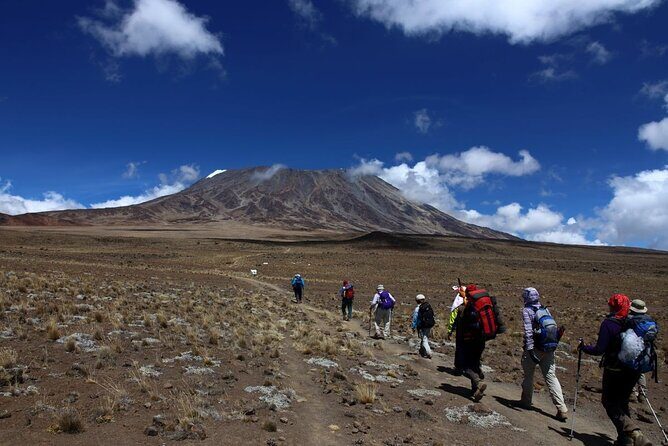
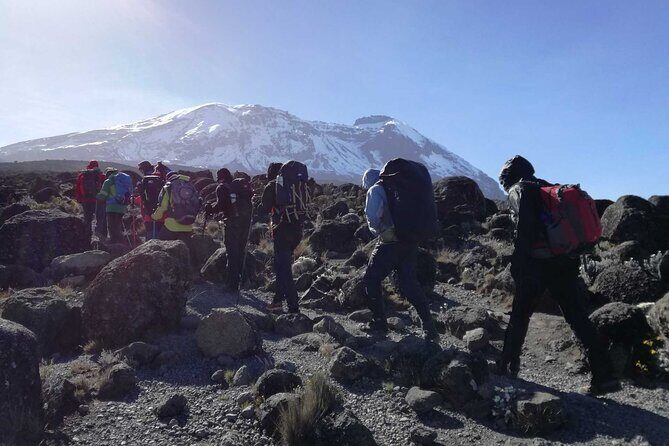
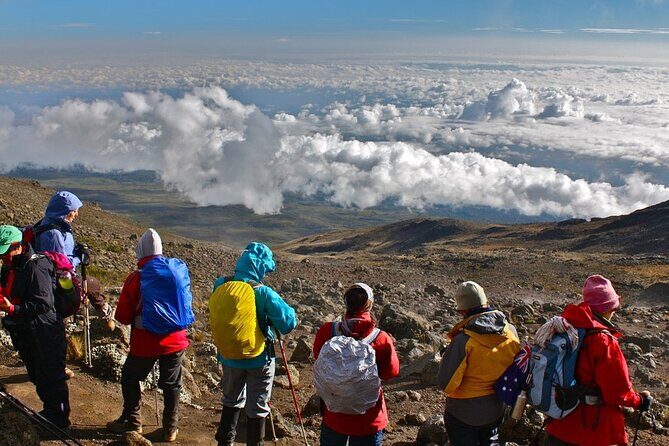
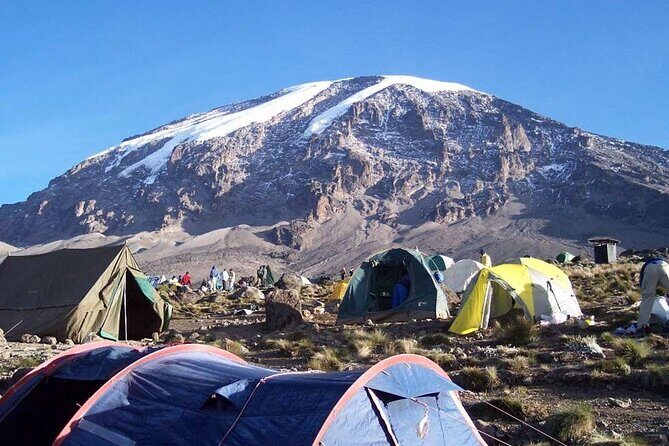
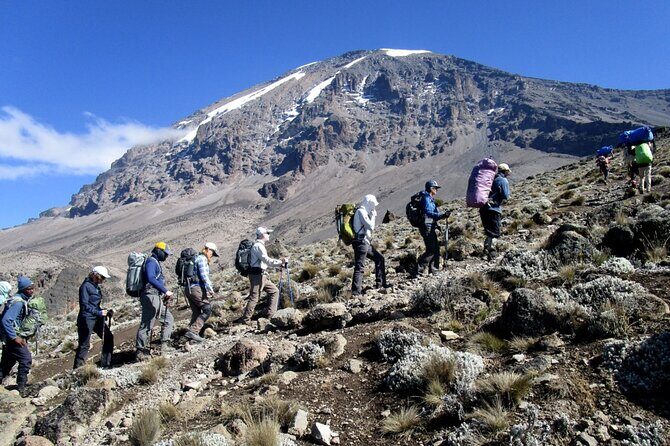
- Less Crowded: The Rongai route remains relatively quiet, even during peak seasons, giving you more space to breathe and reflect.
- Good for Beginners: Its gradual slope makes it suitable for those with less backpacking experience, yet it’s still a challenging climb.
- Remote Wilderness: Nearly the entire trek passes through true wilderness, offering authentic scenery and solitude.
- Acclimatization: The itinerary includes an acclimatization day at Mawenzi Tarn, which helps with altitude adjustment.
- Quality Support: The tour includes professional guides, park fees, and nutritious meals — all crucial for a safe and enjoyable climb.
- Value for Money: At $2,700, the tour covers most essentials, but tips and visas are extra, so budget accordingly.
👉 See our pick of the Arusha’s 7 Best Tours & Things To Do
The Detailed Journey: What to Expect
You can also read our reviews of more hiking tours in Arusha
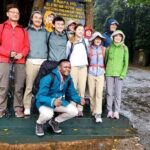
Day 1: Arrival and the Journey Begins in Rainforest
Your adventure kicks off in Arusha, where you’ll be picked up early in the morning before heading to Kilimanjaro National Park. The drive from Arusha to the Rongai trailhead takes about 2.5 hours, giving you a glimpse of the Tanzanian landscape along the way. Once at the Marangu Gate, you’ll register with TANAPA, and your porters will organize your gear.
The walk begins in tall cornfields and soon transitions into lush pine forests. The trail’s gentle slope makes it one of the more accessible routes, allowing you to enjoy the scenery without too much strain. Expect to hike about 8 km (5 miles) in 3-4 hours, reaching the Rongai Cave at 9,300 ft. Here, you’ll set up camp in the rain forest habitat, the start of your wilderness experience.
Tip: The gradual ascent means you’re less likely to experience severe altitude sickness early on, but hydration remains key.
Day 2: From Rainforest into Heathland
The next day involves a steady climb through heath habitat, passing Second Cave and reaching Kikelewa Cave by late afternoon. Covering about 6 km (4 miles) over 3-4 hours, this section introduces you to different ecological zones, including rocky terrain and open moorlands.
Here, your guides will set up camp in advance, and you’ll enjoy a hot lunch at the cave site. The temperature will drop as you climb higher, so pack warm clothing for the night. The camp at Kikelewa is exposed, so prepare for potentially freezing conditions.
Day 3: Alpine Desert and Spectacular Views
On day three, the trail takes you through alpine desert terrain to Mawenzi Tarn. This short, steep hike of around 5 km (3 miles) is packed with scenery: giant lobelias and groundsel plants thrive here, and the views of the surrounding peaks are breathtaking.
The camp at Mawenzi Tarn offers an excellent opportunity to acclimate, which many reviewers highlight as a big plus — “it’s a chance to prepare your body for the higher elevations,” notes one traveler.
Day 4: Climbing to Kibo Hut
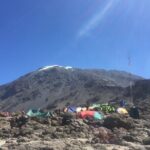
The ascent from Mawenzi Tarn to Kibo Hut is more demanding — about 8 km (5 miles) over 5-6 hours, crossing alpine desert landscapes. By this stage, the altitude is noticeable, but the scenery remains impressive. The goal here is to rest and prepare for the summit attempt, with plenty of time to enjoy the sunset and a hot meal.
Day 5: The Summit Push
This is the big day. You’ll wake around 11:30 pm for a light snack before starting the ascent in darkness. The climb up rocky terrain to Hans Meyer Cave at 5150 m is challenging but rewarding. From there, you’ll continue towards Gilmans Point at 5681 m — a tough, steep section that many climbers find the most physically demanding.
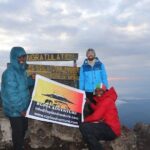
Finally, you’ll reach Uhuru Peak, the summit of Kilimanjaro, at 5895 m. Expect snow and cold, but the view from the top makes all the effort worthwhile — and you’ll have a brief window to take photos and celebrate your achievement.
Day 6: Descent and Celebration
After soaking in the summit views, you’ll begin your descent back to Kibo Hut, then down to Horombo Hut. The walk down takes about 5-7 hours and offers a different perspective on the landscape. The evening celebration at Horombo Hut includes dancing, singing, and sharing stories — a joyful end to your adventure.
You’ll then descend to Marangu Gate, where you sign your name and receive your certificate of achievement, with options for green or gold certificates depending on how high you reached.
What Sets This Tour Apart
The Rongai route’s unique approach from the north offers several advantages. Its gradual incline helps with acclimatization, reducing the risk of altitude sickness — a common concern on higher climbs. Its remote wilderness setting means fewer fellow hikers, which is a big plus for those seeking solitude or a “closer to nature” experience.
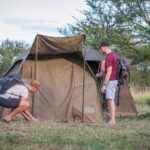
The support crew — guides, porters, and chefs — get rave reviews for their professionalism and the delicious, nutritious food they prepare. These meals include hearty, healthy portions that keep you energized through tough days. Portable, waterproof tents ensure comfort even in unpredictable weather, a key feature if you’re climbing during the rainy season.
Many reviews highlight the expert guides’ knowledge, which adds confidence and safety to the climb. The logistical support, including all park fees and rescue fees, means less hassle for you, and the inclusion of a tip-pool helps ensure the team is well-compensated.
Price-wise, at $2,700 for a six-day trek, it’s competitive considering most meals, park fees, and guiding are included. However, tips and visas are extra. The value here is in the quality support, authentic wilderness experience, and the quieter trail — it’s not just about reaching the summit but doing so in comfort and safety.
Practical Considerations
Timing and physical fitness: The itinerary is designed for those with moderate fitness. While not overly strenuous, the climb includes steep sections and high altitude. The best time to go is during the dry seasons, but the Rongai route’s north-facing approach offers better conditions during the rainy season, making it a good choice year-round.
Transportation and logistics: The pickup from Arusha and transfer to Kilimanjaro National Park is arranged, removing a logistical headache. The tour starts early, with a start time of 7:30 pm, so be prepared for an overnight start if needed.
Group size and private options: Mountain Warriors offers this as a private or group climb, giving flexibility based on your preferences. Private climbs tend to be more personalized, but group climbs can be more affordable.
Final Thoughts
The Rongai Route provides a more remote, less crowded alternative to the popular Marangu route, with a well-balanced itinerary focused on acclimatization, wilderness, and authentic mountain scenery. Its support team, delicious meals, and supportive guides make it a compelling choice for those who want a challenge without the chaos.
While the price might seem steep to some, it covers most essentials, and the experience of quiet trails and genuine wilderness can be priceless. This tour is best suited for travelers who appreciate nature, value good support, and want to avoid the crowds — a true mountain adventure with all the practical benefits.
Multi-Day Tour RONGAI Route Kilimanjaro Trekking
FAQ
Is this tour suitable for beginners?
Yes, the Rongai route’s gradual slope makes it more manageable for those with less backpacking experience, though it still requires a reasonable level of fitness.
What is included in the price?
Most meals on the mountain, park fees, rescue fees, professional guides, quality tents, and support staff are included. Tips and the Tanzanian visa are extra.
Can I expect cold temperatures?
Yes, especially at higher elevations. The campsites are often exposed, and temperatures can drop below freezing at night, so bring warm clothing.
How long is the trek each day?
Day 1 involves about 3-4 hours of hiking; subsequent days range from 3 to 6 hours, depending on the stage and terrain.
What is the best time to do this climb?
The tour is suitable year-round, with the dry seasons being the most comfortable. The north-facing route’s lower precipitation makes it good during the rainy season too.
Are there any age or health restrictions?
The tour is suitable for travelers with moderate physical fitness. Extreme health issues or very young children might find the altitude challenging.
How do I handle tips and visas?
Tipping is customary and pooled among staff; budget accordingly. The Tanzanian visa costs around $50 and needs to be arranged separately or upon arrival.
What if I can’t reach the summit?
Most climbers who follow the itinerary properly will reach at least Gilmans Point. Certificates are awarded based on how high you go, and the guides will support your decision to turn back if necessary for safety.
In sum, this Kilimanjaro trek on the Rongai route offers a well-rounded, authentic experience with the support needed for a safe, memorable climb. It’s perfect for those seeking solitude, good food, and a true wilderness adventure while standing on the Roof of Africa.