Climbing Mount Kilimanjaro is often described as a bucket-list adventure, and for good reason. This 8-day trek along the Lemosho route promises not just a shot at the summit, but a journey through some of Africa’s most dramatic landscapes, all with a small group that fosters a more personal, supportive experience.
Although we haven’t done it ourselves, the reviews and details paint a compelling picture of what travelers can expect — and what they should consider.
What attracts us most? First, the small-group size means personalized attention from your guides and a less crowded, more intimate atmosphere. Second, the all-inclusive approach — encompassing gear, meals, and permits — offers peace of mind and convenience.
On the flip side, the price tag of nearly $3,000 per person is not cheap, but given the quality of guides and the success rate, many agree it’s a fair investment for a once-in-a-lifetime experience.
This trek suits those who crave adventure, value well-organized trips, and are in good shape enough to handle physical challenges.
Key Points
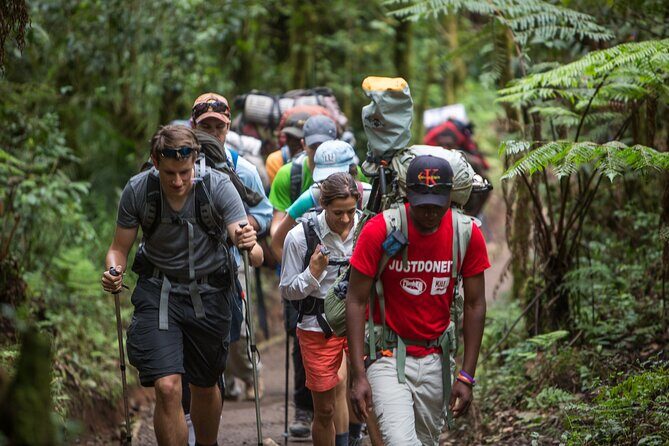
- Expert guides and small groups enhance safety, comfort, and personal attention.
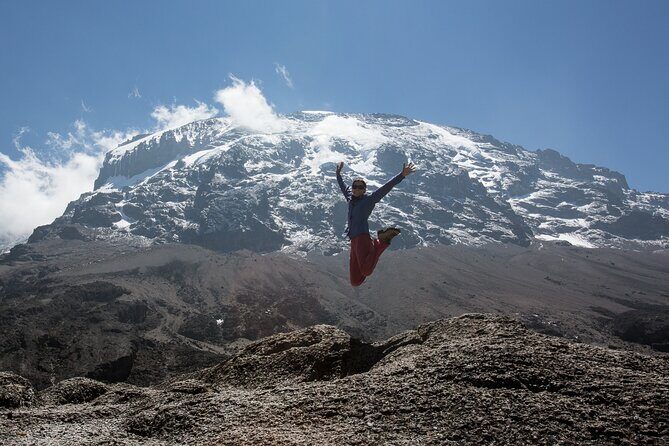
- Stunning scenery from montane forests, savannahs, and glaciers makes every day visually rewarding.
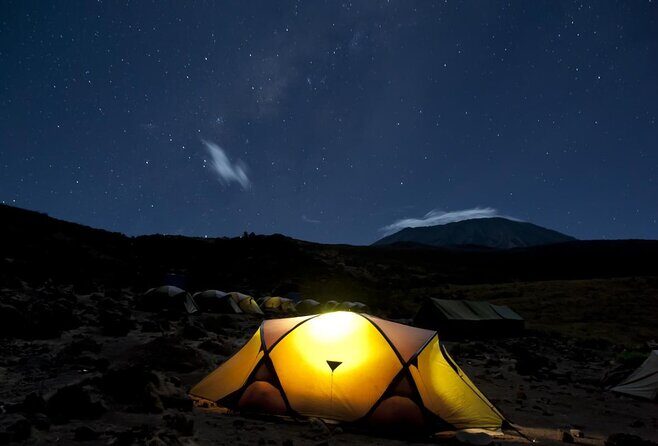
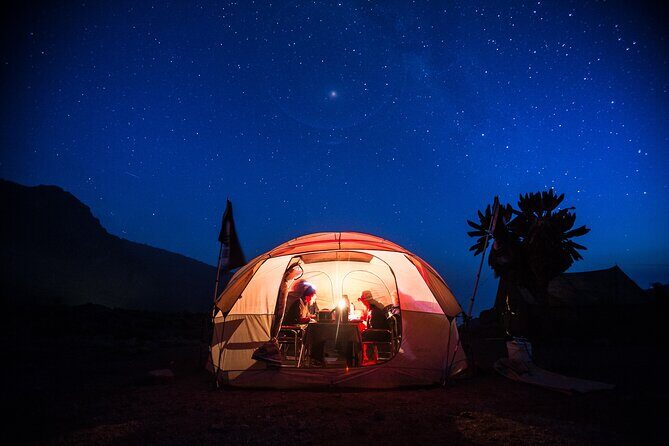
- All-inclusive package simplifies logistics, with meals and camping gear included.
- High summit success rate reflects well-trained guides and effective acclimatization strategies.
- Supporting reviews praise the professionalism, friendliness, and knowledge of the team.
- For active travelers with a good fitness level, this trek offers a balanced challenge and reward.
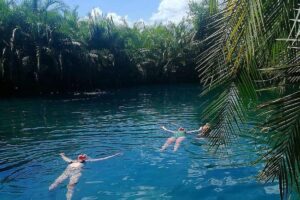
👉 See our pick of the Arusha’s 7 Best Tours & Things To Do
A Closer Look at the Itinerary
Day 1: From Hotel to Rainforest
Starting your adventure from Arusha, you’ll be picked up and driven to the Londorossi Gate, where the trek begins. The initial walk through the montane forest is gentle, allowing your body to start adjusting to altitude. Within about three to four hours, your group will arrive at the first campsite, Mti Mkubwa (“Big Tree” in Swahili). The reviews highlight the care taken with the setup of tents and the personal belongings, making this first night comfortable despite the rugged environment.
This stage is crucial for acclimatization and getting used to the mountain’s environment. The lush forest along this part of the route provides a refreshing contrast to the landscape ahead, and many trekkers note the experience as a peaceful introduction.
Day 2: Into the Savannah and Shira Ridge
As you leave the forest behind, you’ll trek into an expansive savannah dotted with tall grasses, heather, and volcanic rock. The landscape opens up, and the panoramic views of Kilimanjaro become more prominent. The highlight here is crossing the Shira ridge and arriving at a high-altitude desert plateau where the mountain’s majesty begins to dominate the horizon.
Travelers consistently praise this day for the stunning vistas and the opportunity to see Kilimanjaro from a different perspective. The transition to the desert-like environment is a stark but beautiful change, making this stretch one of the most memorable.
Day 3: Exploring the Shira Plateau
This day is dedicated to acclimatization and exploration of the Shira Plateau. The trek eastward toward Kibo’s ice-capped peak involves visiting the Shira cone — an ancient volcano that adds a surreal element to the landscape. Many reviewers mention the long, full day (up to seven hours), but the scenery and sense of progression make it worthwhile.
Reaching Moir Camp in a large gorge offers a dramatic setting. The views, combined with the chance to walk through different volcanic terrains, give a real sense of the mountain’s geological history.
Day 4: Lava Tower and Barranco Camp
Today’s highlight is the Lava Tower at 15,000 feet, a key acclimatization stop. After a careful ascent, the group descends through the Senecio forest to Barranco Camp, which is situated under the imposing Barranco Wall. This section is often described as physically demanding but incredibly rewarding, with some reviews calling it a “great adventure” due to the challenging terrain and the spectacular scenery.
The ascent to Lava Tower is designed to help your body adjust to the altitude, a common theme in successful Kilimanjaro climbs. Many reviewers emphasize the expertise of guides in pacing and safety.
Day 5: Barranco Wall and Karanga Valleys
This day is known for the Barranco Wall, a fun and slightly technical climb that adds a sense of adventure. The South Circuit trail offers sweeping views of the mountain and the valleys below. The descent into Karanga Valley brings you closer to the alpine zone, preparing you for the final push. The reviews laud the guides’ careful management of pace and altitude, making this day both challenging and enjoyable.
Day 6: Rest and Acclimatization at Kosovo Camp
A slower, more restful day, allowing your body to rest and adapt. Passing Barafu Camp en route, you get a glimpse of the mountain’s peaks, building anticipation for the summit night. Many reviewers mention this as a vital day for acclimatization, contributing to the high success rate.
Day 7: Summit Night
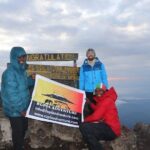
The climactic moment arrives with a midnight departure for the ascent to Uhuru Peak, the highest point in Africa. The route is steep and tough, often described as physically and mentally demanding. You’ll traverse heavy scree and see the sunrise from the summit — an experience that reviews describe as “unforgettable” and “life-changing.”
Reaching the summit is the culmination of a week’s effort, and many reviews express a sense of euphoria and accomplishment. Decending to Mweka Camp afterward allows for celebration and recovery.
Day 8: Descent and Reflection
A relatively short walk out from Mweka Gate marks the end of your adventure. The sense of achievement is palpable as you reflect on the landscapes crossed and the altitude conquered. Most travelers finish with a sense of pride and a new respect for the mountain.
You can also read our reviews of more hiking tours in Arusha
What Sets This Trek Apart
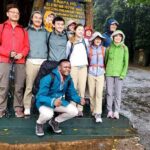
Personalized attention and expert guidance are frequently praised. Many reviews highlight the professionalism and friendliness of guides like Good Luck, Herment Mosha, and others. Their knowledge, patience, and encouragement are critical to a successful summit, especially given Kilimanjaro’s unpredictable weather and altitude challenges.
Stunning scenery is another major highlight. From lush forests to volcanic deserts, glaciers, and alpine zones, the route offers diverse landscapes that reward your effort. This visual variety is why many describe Kilimanjaro as a “mountain of many worlds.”
All-inclusive logistics simplify what could otherwise be a logistical headache. The package covers permits, camping equipment, meals, and transfers, leaving you free to focus on the climb. Reviewers often mention how this seamless experience adds value, especially compared to more DIY approaches.
Small group size (maximum 15 travelers) fosters a more intimate and supportive environment, according to reviews. This setup ensures better safety monitoring, personalized care, and opportunities to bond with fellow climbers.
Price and Value
At $2,895 per person, this trek isn’t cheap, but the reviews suggest it delivers good value. The success rate is high, and the experience includes all essentials — professional guides, good food, gear, and permits. For many, the peace of mind that comes with a well-organized, reputable company justifies the cost.
The small group size and personalized service, coupled with the experienced guides, are worth considering when evaluating the price. Many travelers describe it as a solid investment for a safe, memorable, and well-supported climb.
Practical Considerations
Travelers should be prepared for physically demanding days, especially the summit push. A good fitness level is recommended, though the acclimatization strategy significantly enhances success chances. Be aware that the trek involves camping at high altitudes, so comfort is modest but manageable with proper gear.
The timing starts at 8:00 am pickup; your schedule will be structured but flexible enough to allow for rest and acclimatization. The group size keeps the experience personal, yet social enough to share the adventure.
The Sum Up
This 8-day small-group Kilimanjaro trek offers a well-rounded package: expert guides, breathtaking scenery, and a high likelihood of reaching the summit. It suits active travelers who want a guided, all-inclusive experience that balances challenge with comfort. While the price is on the higher side, the reviews strongly suggest that the value, safety, and personal attention make it a worthwhile investment.
If you’re looking for an organized, professional way to conquer Africa’s highest peak with a team that genuinely cares, this trek could be just what you need — a real adventure with a good chance of success.
8-Day Small-group Lemosho Kilimanjaro Summit Trekking
FAQ
What is included in the price?
All camping equipment, permits, meals, and round-trip transfers from your Arusha hotel are included, making it a hassle-free package.
How physically demanding is this trek?
While the route is challenging, especially the summit night, the high success rate suggests guides are experienced in pacing and acclimatization. Good fitness helps, but proper preparation and attitude matter most.
What is the group size?
The tour limits groups to a maximum of 15 travelers, ensuring personalized attention and a more intimate experience.
Are meals provided?
Yes, all meals are included, with many reviews praising the quality and variety of food served during the trek.
What is the best time to climb Kilimanjaro?
While specific months aren’t detailed here, the departure times start at 8:00 am, and the reviews indicate that weather and scenery are good throughout most of the year.
Can beginners do this trek?
Yes, it’s suitable for both beginner and advanced climbers, thanks to the acclimatization strategy and experienced guides.
What about the success rate?
Guides and reviews point to a very high success rate, attributed to expert planning, pacing, and the route’s design.
Is tipping expected?
While not explicitly mentioned, tipping guides and crew is customary and appreciated, especially given the effort they put into your safety and success.
In short, if you’re looking for a professionally organized, scenic, and rewarding climb to the roof of Africa, this 8-day Lemosho route with Climb Kili offers a compelling package. Prepare yourself physically and mentally — and get ready for an adventure you’ll never forget.