Planning a trek up Kilimanjaro is no small feat, and choosing the right route can make or break the experience. The Lemosho Route is often considered one of the most scenic and less crowded paths to Africa’s highest peak.
This particular 7-day adventure offered by World Adventure Tours promises more than just a climb — it’s a journey through some of the most beautiful landscapes Tanzania has to offer, with a crew of guides and porters dedicated to your safety and comfort.
From what we gather, this trek is especially appealing for those who value expert guides, stunning vistas, and a well-organized experience. The route’s remote sections, abundant wildlife, and the chance to acclimate gradually make it a standout choice for serious hikers and first-timers alike.
However, potential climbers should be aware that a packed schedule, including a summit night that starts around midnight, demands good physical preparation and mental resilience.
The standout features—experienced guides and breathtaking scenery—are echoed throughout glowing reviews. On the flip side, the cost of around $2,280 per person might seem steep to some, but when you weigh the value of proper logistics, safety, and support in a challenging environment, it’s often worth it.
This tour suits travelers who are looking for an authentic, well-supported climb with a professional team, especially those who appreciate a quieter, more scenic route.
- Key Points
- The Itinerary: A Closer Look
- Day 1: Arrival and Rest in Moshi
- Day 2: From Londorosi Park Gate to Mt. Mkubwa
- Day 3: Moving from Mt. Mkubwa to Shira Camp
- Day 4: Shira Camp to Shira 2
- Day 5: Into the Desert and Lava Tower
- Day 6: Barranco Wall to Karanga Valley
- Day 7: The Summit Push
- Day 8: Descent and Celebration
- Day 9: Departure
- Authentic Experiences and Authentic Support
- Pricing and Value: Is It Worth It?
- What makes it a good deal?
- Who Should Consider This Tour?
- The Sum Up
- FAQ
- The Best Of Arusha!
- More 7-Day Experiences in Arusha
- More Tour Reviews in Arusha
Key Points
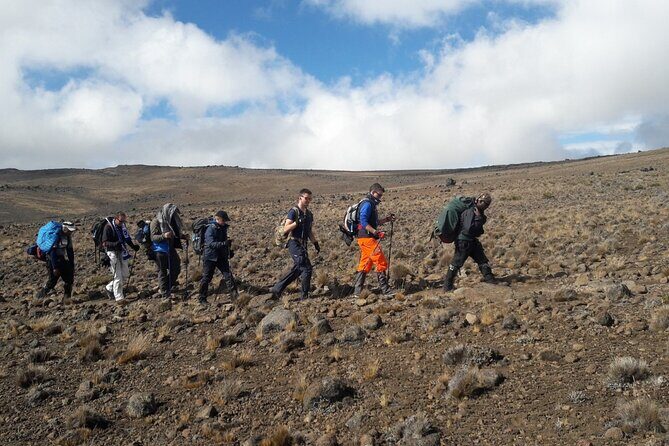
- Expert Guides: Knowledgeable, friendly guides make a significant difference in safety and enjoyment.
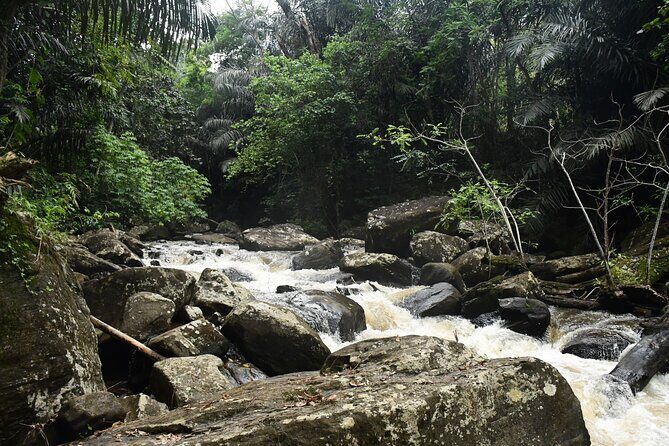
- Scenic Diversity: The route covers lush forests, moorlands, semi-desert, and stunning crater views.
- Wildlife Encounters: The route’s rare opportunity for wildlife sightings, thanks to armed rangers in the forests.
- Gradual Acclimatization: The itinerary is designed to help prevent altitude sickness with multiple rest days.
- Comprehensive Support: All mountain meals, tents, and rescue fees are included, easing logistical worries.
- Challenging but Rewarding: The summit night is demanding, but the view from Uhuru Peak makes it worthwhile.
👉 See our pick of the Arusha’s 7 Best Tours & Things To Do
The Itinerary: A Closer Look
You can also read our reviews of more tours and experiences in Arusha
Day 1: Arrival and Rest in Moshi
Your adventure kicks off with a transfer from Kilimanjaro International Airport to Springlands Hotel in Moshi. This two-night stay allows for some rest and acclimatization, with a chance to meet your guides and fellow trekkers. The included bed and breakfast set the tone for a comfortable start.
Day 2: From Londorosi Park Gate to Mt. Mkubwa
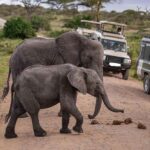
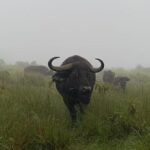
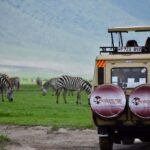
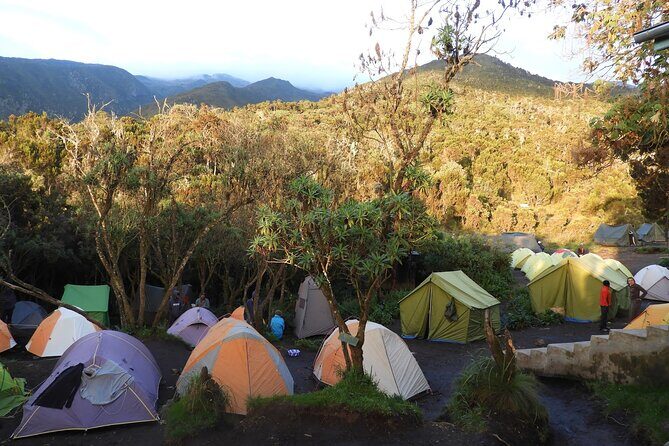
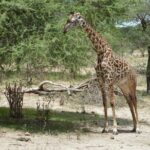
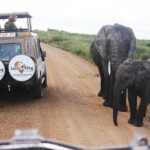
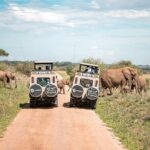
The drive from Moshi to Londorosi Gate is about 5 hours, passing through the Shira Plateau, a scenic area teeming with wildlife—think elephants, buffalo, and perhaps giraffes browsing nearby. The walk from the gate to Mt. Mkubwa camp is approximately 3 hours over 5 km, offering your first taste of Kilimanjaro’s varied terrain. The drive-through Shira Plateau is especially praised for its stunning vistas, and the chance to see big game adds an extra thrill.
Day 3: Moving from Mt. Mkubwa to Shira Camp
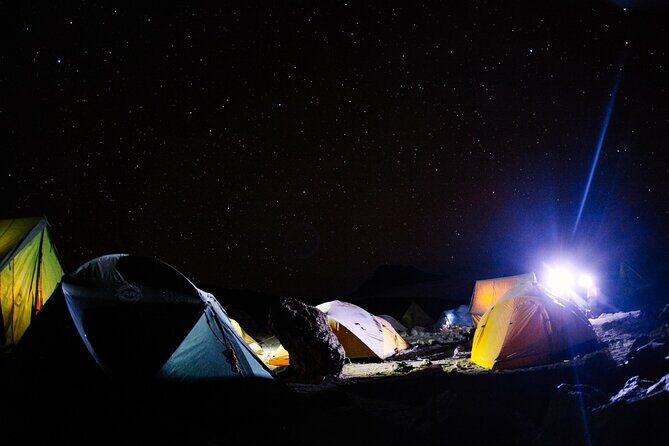
This day is about acclimation. The 5-hour, 10 km trek to Shira Camp takes you through lush moorlands dotted with wildflowers and large shrubs. The west face of Kibo volcano looms overhead, offering awe-inspiring views. Many reviews specifically mention enjoying the scenery and the importance of a slow pace for acclimatization, which this schedule encourages.
Day 4: Shira Camp to Shira 2
Another short hike (around 6 hours over 10 km) brings you to Shira Camp 2, making it an ideal rest day to further adjust to the elevation. Relaxation, exploration, or light hikes around the camp are common, and the landscape remains stunning with expansive views and fewer travelers.
Day 5: Into the Desert and Lava Tower
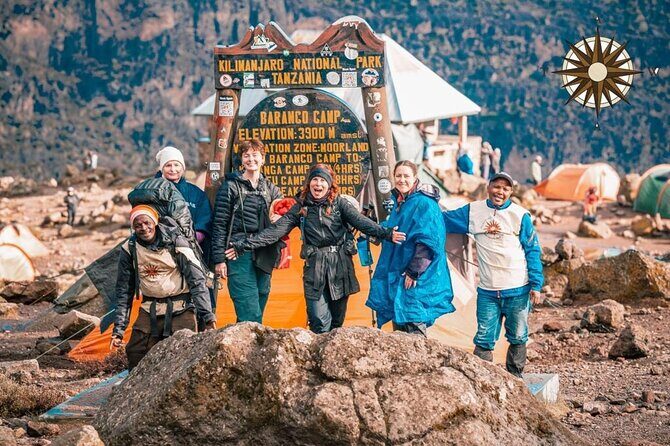
This is one of the most challenging days—about 8 hours of hiking over 11 km, crossing semi-desert terrain. The highlight is reaching Lava Tower at 4,600 meters, a dramatic rock formation that marks a significant altitude gain. Many climbers report symptoms like breathlessness and headaches here, making this a good test of your acclimatization. After lunch, you descend nearly 680 meters to Barranco Camp, a strategic move to adjust your body to higher altitudes.
Day 6: Barranco Wall to Karanga Valley
This day involves hiking for 7–8 hours over 11 km in exposed conditions, with tents pitched on a narrow ridge—definitely not for the faint-hearted. The terrain is rocky and intense; however, many reviewers note that the guides prepare climbers well, emphasizing safety. This day pushes your physical limits, but the panoramic views and the proximity to the summit make it worthwhile.
Day 7: The Summit Push
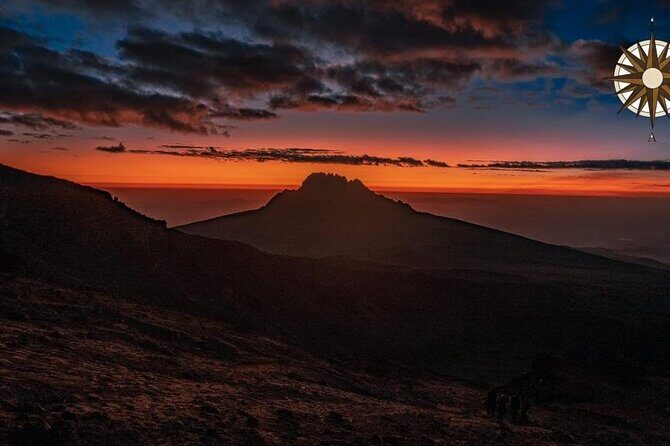
The culmination is a midnight start for the most intense day. Up around 23:30, you set off in darkness, walking for approximately 15 hours. The route takes you through heavy scree slopes to Stella Point, where the sunrise often offers some of the most breathtaking sights you’ll see on the mountain. From there, it’s a short but steep 2-hour climb to Uhuru Peak at 5,895 meters. Many reviews cite this as the most memorable part—an incredible achievement and an unforgettable view.
Day 8: Descent and Celebration
After a celebratory breakfast, you’ll trek down to the Mweka Gate through muddy paths that can be long and tiring. The drive back to Moshi includes a well-earned hot shower and your summit certificates—green for Stella Point, gold for Uhuru Peak. Several reviews mention how satisfying it is to see your name on your certificate after such an arduous journey.
Day 9: Departure
An early breakfast precedes your transfer to Kilimanjaro International Airport. Many travelers find it hard to say goodbye after such a profound experience, but they leave with memories of stunning landscapes and a sense of real accomplishment.
Authentic Experiences and Authentic Support
Throughout the trek, the guides and porters are often highlighted for their professionalism and warmth. One reviewer remarked, “Our guide Kimbi was excellent and the entire staff very friendly,” which underscores the supportive environment that this company fosters. Properly managed meals and a well-organized team create an experience that balances challenge with comfort.
The armed rangers accompanying the forest sections offer not only added safety but a glimpse into the wildlife-rich environment surrounding the mountain. This isn’t just a climb; it’s a safari through some of Tanzania’s most iconic landscapes.
Many reviewers also appreciate how the itinerary balances adventure with acclimatization—important for safety and success. The multiple rest days and strategic altitude gains demonstrate thoughtful planning, which is crucial given the risks of altitude sickness.
Pricing and Value: Is It Worth It?
At $2,280 per person, this trek isn’t cheap, but it covers most essential costs: guides, porters, meals, tents, rescue fees, and transfers. It’s a comprehensive package that minimizes logistical surprises, a significant advantage on such a physically demanding adventure.
Travelers often mention that the guides’ expertise, the support staff’s friendliness, and the quality of organization make the price reasonable for the value received. The inclusion of all fees and taxes adds to the clarity, and the two nights in Moshi provide a necessary buffer for rest and preparation.
What makes it a good deal?
- Well-structured, supporting gradual acclimatization.
- All logistical needs are covered, reducing stress.
- The route’s scenery and wildlife opportunities are exceptional.
- The guides’ professionalism and safety record are highly praised.
Who Should Consider This Tour?
This trip is best suited for adventurous spirits with at least moderate physical fitness, willing to tackle long, sometimes strenuous days at high altitude. It’s an excellent option for those seeking an authentic Kilimanjaro experience away from crowded routes, thanks to the remote and scenic Lemosho path.
First-time climbers with good preparation will appreciate the gradual ascent and acclimatization days, while experienced hikers will enjoy the challenging summit night. Those who value professional support and authentic Tanzanian landscapes will find this tour hard to beat.
The Sum Up
The Climb Kilimanjaro – Lemosho Route 7 Day Climb offers a well-rounded, memorable experience for anyone serious about conquering Africa’s tallest mountain. The combination of expert guides, stunning scenery, and a thoughtfully designed itinerary makes it a compelling choice for a first-time or seasoned climber.
While the cost is not insignificant, the value provided in terms of safety, support, and authentic adventure often justifies the expense. If you are looking for a climb that balances natural beauty with professional care, the Lemosho Route with World Adventure Tours might just be your best bet.
This trek suits those who are ready for a physical challenge but want the reassurance of good organization and experienced guides. Expect breathtaking views, wildlife encounters, and a sense of achievement that will stay with you long after you descend.
Climb Kilimanjaro – Lemosho Route 7 Day Climb
FAQ
Is this tour suitable for beginners?
While you should have a moderate physical fitness level, the route’s gradual acclimatization and support make it accessible for most hikers with some preparation.
What’s included in the price?
All fees and taxes, two nights in Moshi with breakfast, transportation, rescue fees, tents, sleeping mattresses, meals on the mountain, guides, porters, and entry fees are included.
Are meals provided on the mountain?
Yes, the tour includes all meals on the mountain, which are prepared by the guides and cooks to keep you energized for each day’s trek.
What is the main advantage of the Lemosho Route?
It’s less crowded, more scenic, and offers better wildlife sightings due to the involvement of armed rangers in forest sections. It also provides excellent acclimatization opportunities.
How does the route prepare climbers for the summit?
Multiple acclimatization days, including hikes to Lava Tower and Barranco Camp, help prevent altitude sickness and build stamina for the final push.
What should I bring?
While gear is available for hire, you’ll want to carry layers of clothing, thermal gear, a headlamp, spare batteries, water in a thermal flask, and personal items to stay comfortable and safe.
In choosing this Kilimanjaro trek, you’re not just signing up for a climb—you’re stepping into an adventure filled with stunning vistas, expert support, and a sense of accomplishment that few experiences can match.