Exploring Chiapas’ Indigenous Villages: A Genuine Look at San Juan Chamula & Zinacantan
If you’re considering a visit to Chiapas, Mexico, and want to understand the region’s authentic cultural fabric, the San Juan Chamula & Zinacantan Indigenous Villages Tour offers an accessible, if somewhat imperfect, window into Mayan life.
Promoted as a 5-hour journey that combines visits to beautifully maintained churches, artisan markets, and local communities, it sounds promising. But as with many cultural tours, it’s a mixed bag of standout moments and minor frustrations.
What we love about this experience is its ability to present living traditions that are still very much part of everyday life. The chance to peek inside San Juan Chamula’s church and see how indigenous customs blend with Catholic practices is both illuminating and visually striking.
Plus, the opportunity to watch Zinacantan’s women at work on traditional textiles offers a glimpse into a centuries-old craft, felt deeply by those who participate. A smaller group size and included transportation make it convenient and manageable.
On the other hand, a notable drawback is the inconsistency highlighted by some reviews—late pickups, uncomfortable transport, and tours that sometimes feel overwhelmed by travelers rather than authentic reverence. It’s worth considering whether your main goal is an educational experience or simply ticking off the sights, as this tour leans more toward the former but can occasionally become a little rushed or superficial.
This tour suits travelers who want a guided introduction to indigenous life in Chiapas, especially those eager to understand local traditions and crafts in a structured setting. If you’re sensitive to crowds or prefer deeper, less touristic experiences, it might not be your best fit. Still, for many, it provides a valuable overview wrapped in manageable time and cost.
This experience made our article of The Top 9 Chiapas Tours & Things To Do.
Key Points
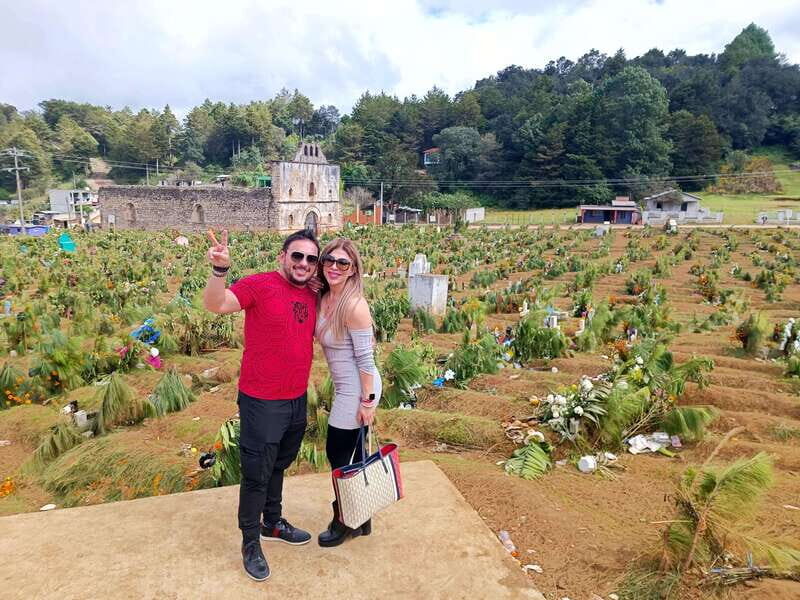
- Cultural insights: Learn about the blend of Mayan beliefs and Catholic customs directly from local guides.
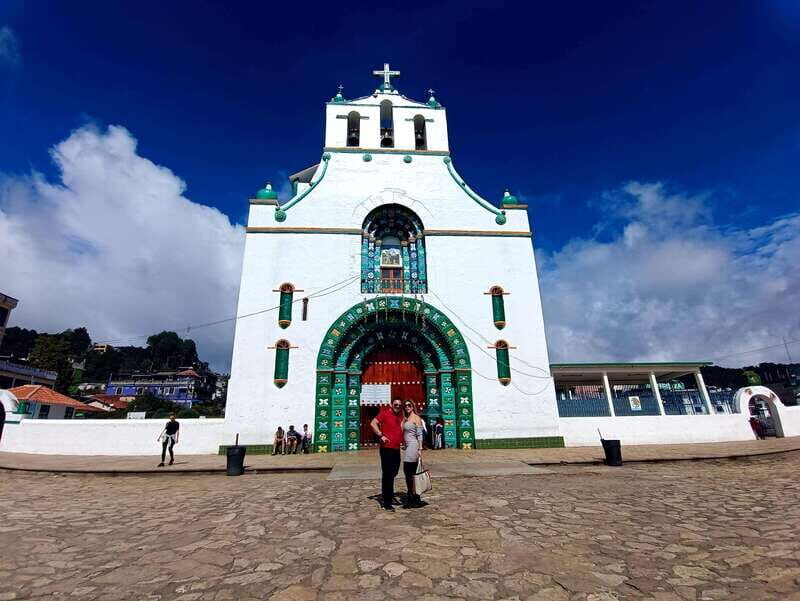
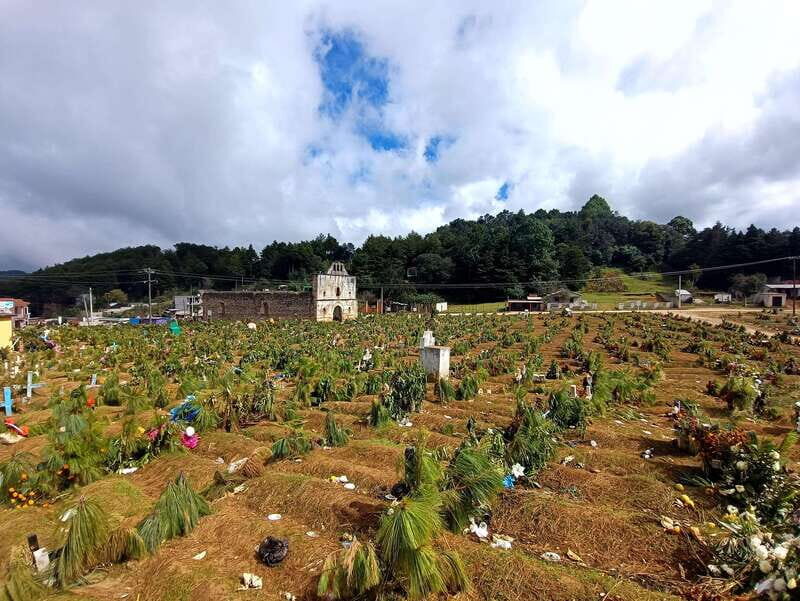
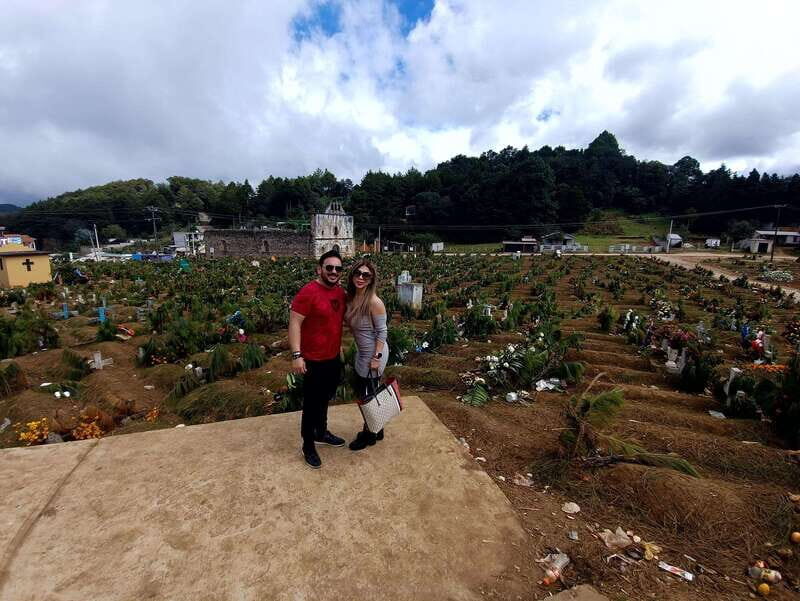
- Visiting iconic churches: The Church of San Juan Bautista and San Lorenzo are highlights for their architecture and local altar displays.
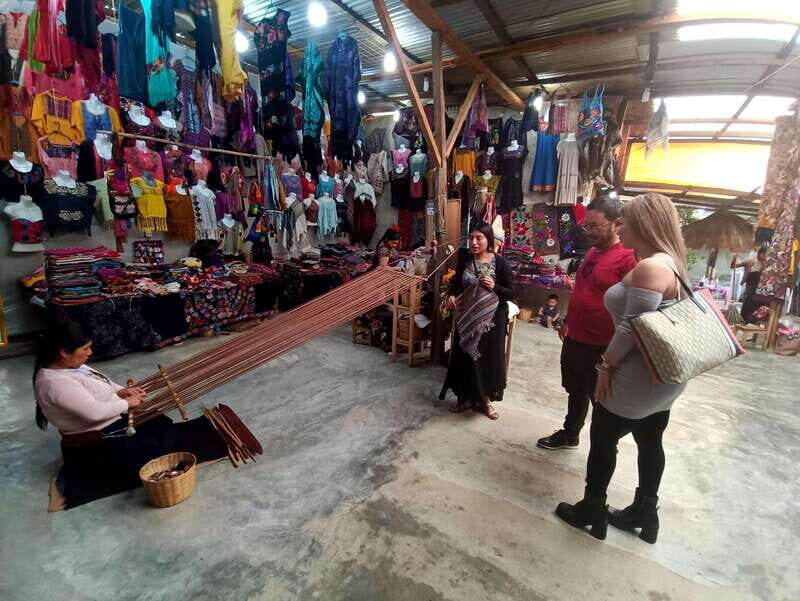
- Handicraft observation: Zinacantan’s textile artisans showcase centuries-old weaving traditions, offering both a visual delight and a chance to buy authentic souvenirs.
- Authentic local customs: The tour provides a glimpse into Mayan traditions that are still vital, though some may find the tourist aspect a bit overwhelming.
- Price and value: At $67, the tour offers decent value for a structured cultural experience, including transportation, entrance fees, and a small local lunch.
- Mixed reviews: While many find the experience enriching, others point out logistical hiccups and moments where respect for local customs was not fully maintained.

👉 See our pick of the The Top 9 Chiapas Tours & Things To Do
A Closer Look at the Tour Experience
You can also read our reviews of more tours and experiences in Chiapas.
The Itinerary Breakdown
The tour begins with a hotel pickup in San Cristobal de las Casas, a small but lively colonial town that serves as the perfect launching pad for exploring Chiapas’ indigenous villages. The ride to San Juan Chamula, approximately 20-30 minutes away, is often smooth, but you should be prepared for the possibility of waiting 10-15 minutes for pickup, as noted by some travelers. During the drive, your guide will share context about the region’s history, setting the stage for what you’ll see.
San Juan Chamula is perhaps most famous for its church of San Juan Bautista. This church is a sight to behold—its façade is simple but inviting, and inside, it’s a hive of activity. You’ll observe the altar arrangements where Catholic saints are dressed in local indigenous attire, a striking example of religious syncretism. Many visitors find this a highlight, but some reviews suggest that the presence of travelers can diminish the reverence of the rites, as one traveler from France remarked, “The quantity of travelers quickly obscures the notion of respect for the rites.” Still, the vivid displays of faith and tradition are compelling.
Next, the tour takes you to Zinacantan, a short drive from Chamula’s busy streets. Here, the focus shifts to local textile artisans, predominantly women, who weave with traditional looms tied around their waists. Watching them craft intricate huipiles (traditional blouses), tablecloths, or cushion covers gives insight into a craft that’s been passed down through generations. Travelers note that the weavers’ work is meticulous and stunning—”magnificent textile pieces,” as described, are often available for purchase, supporting local artisans directly.
The visit to San Lorenzo Church in Zinacantan is more than architecture; it’s a chance to see a community that maintains strong cultural traditions. The tour includes a mini lunch—beans, quesadillas, and organic coffee—which is appreciated for its simplicity and local flavor, although some reviews note the hygienic standards may vary.
The Authenticity Dilemma
While the guided nature of the tour helps contextualize what you’re seeing, it can sometimes feel like a carefully curated experience rather than a spontaneous encounter. The reviews reflect this—some travelers, like those who waited hours or found the tour late, felt their day was compromised. Others appreciated the guide’s knowledge, describing the experience as helpful and engaging.
The Logistics and Cost
At $67 per person, this tour is reasonably priced considering it includes round-trip transportation, entrance fees, a local guide, and a small meal. The inclusion of pickup from your hotel simplifies logistics, especially in a town where navigating public transport might be challenging for first-time visitors. The small group size (limited to 14 participants) helps keep the experience intimate and manageable, though it also means booking in advance is wise.
More Great Tours NearbyPotential Drawbacks
The main issues seem to revolve around timing and comfort. Several reviews mention delays, and some found the vehicle cramped. Respect for local customs is crucial—travelers are reminded to ask permission before photographing locals and to behave respectfully during religious rites. Some visitors may find the crowds and commercial aspects detract from the spiritual significance of the sites.

How to Make the Most of It
Arriving with an open mind and a respectful attitude will enhance your experience. Wear comfortable shoes and bring sun protection, as the sites can be exposed and the walks are short but on uneven ground. Camera use should be discreet—be mindful that locals may be shy or sensitive about photos.
Who Is This Tour Best For?
This experience is ideal for travelers who want a balanced introduction to Chiapas’ indigenous culture within a manageable timeframe. If you’re interested in learning about the Mayan traditions, seeing authentic textiles being woven, and observing religious syncretism, you’ll find plenty to appreciate here.
However, if you prefer deep, unfiltered interactions or dislike crowds, you might find the tour somewhat superficial or rushed. Also, those who value uninterrupted reverence for sacred sites may feel uncomfortable with the touristy atmosphere at times.
This tour does not cater to wheelchair users, reflecting the uneven terrain and the nature of the sites visited. It’s best suited for those comfortable with basic physical activity and open to guided experiences.
The Sum Up
The San Juan Chamula & Zinacantan Indigenous Villages Tour offers a worthwhile glimpse into Chiapas’ living indigenous traditions. Its strengths lie in the opportunity to observe religious syncretism at San Juan Chamula’s church and watch master weavers at work in Zinacantan. The inclusion of transportation, entrance fees, and a modest meal provides good value for a structured cultural outing.
For travelers eager to understand how ancient Mayan customs persist and adapt in today’s Mexico, this tour provides an accessible, guided overview. It’s particularly well-suited for those who enjoy short, organized visits that combine sightseeing with learning. The experience may be less satisfying for those seeking quiet, deeply personal encounters or avoiding tourist crowds.
In the end, this tour offers a respectable balance: an introduction to authentic traditions with some inevitable touristy elements. It can leave you with a sense of connection to the region’s cultural resilience, especially if you approach it with curiosity and respect.
San Juan Chamula & Zinacantan Indigenous Villages Tour
FAQ
Is transportation included?
Yes, round-trip transportation from your hotel in San Cristobal de las Casas is included, making logistics straightforward.
How long is the tour?
It lasts approximately 5 hours, including travel time, visits, and the small lunch.
What languages are guides available in?
Guides speak both English and Spanish, so you can choose your preferred language.
Can I visit the churches?
Yes, both the Church of San Juan Bautista in Chamula and San Lorenzo in Zinacantan are part of the tour.
Is there an opportunity to buy souvenirs?
Absolutely. The textile artisans in Zinacantan often sell their weavings, which make authentic souvenirs.
What should I bring?
Comfortable shoes, sunglasses, sun hat, and camera are recommended. Be respectful about taking photos of locals.
Are there any restrictions?
Pets are not allowed, and smoking is prohibited on the tour.
Is this tour suitable for children?
It’s best for older kids who can handle walking and are respectful of religious sites; it’s not specifically designed for young children.
What if I want a more private experience?
This tour is a small group experience, but private options may be available through other providers.
What are the main drawbacks?
Some travelers mention delays, discomfort in transport, and the touristy feel of the sites, which can affect the overall reverent atmosphere.
In sum, if you’re after an authentic, relatively affordable introduction to Chiapas’ indigenous communities, this tour offers a good starting point. Just keep expectations aligned with the tour’s guided, somewhat commercialized nature—and you’ll likely find it a worthwhile addition to your Chiapas adventure.
You can check availability for your dates here: