
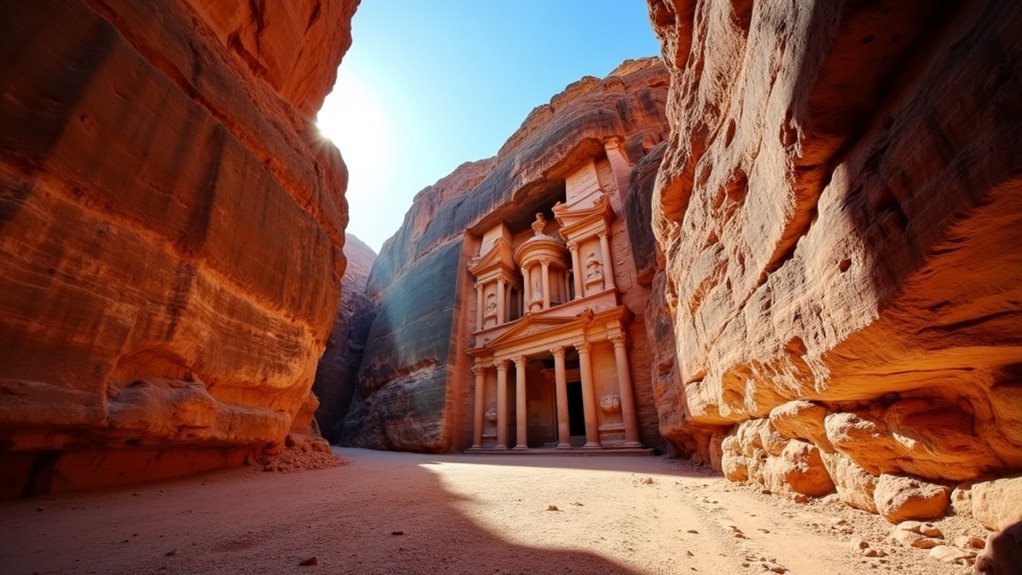
You’re standing at the entrance to one of the world’s most spectacular archaeological sites, but here’s the thing—most visitors make the same costly mistakes that leave them exhausted, disappointed, and missing Petra’s true magic. The difference between a mediocre trip and an unforgettable adventure often comes down to timing, knowing which trails to take, and understanding a few insider secrets that’ll save you money and energy while maximizing your experience.
- Walk Through the Siq at Dawn Before the Crowds Arrive
- Stand in Awe of Al-Khazneh (The Treasury) and Climb to the Secret Viewpoint Above
- Make the 800-Step Climb to Ad-Deir (The Monastery)
- Explore the Royal Tombs and Roman Theatre Complex
- Hike to the High Place of Sacrifice for Panoramic Views
- Wander the Colonnaded Street Where Ancient Petra Conducted Business
- Take the Back Door Trail From Little Petra to the Monastery
- Experience Petra by Night With Lanterns Lighting the Siq
- Visit Petra Museum Before Exploring the Archaeological Site
- Discover the Street of Facades and Lesser-Known Rock-Cut Tombs
- The Sum Up
Walk Through the Siq at Dawn Before the Crowds Arrive
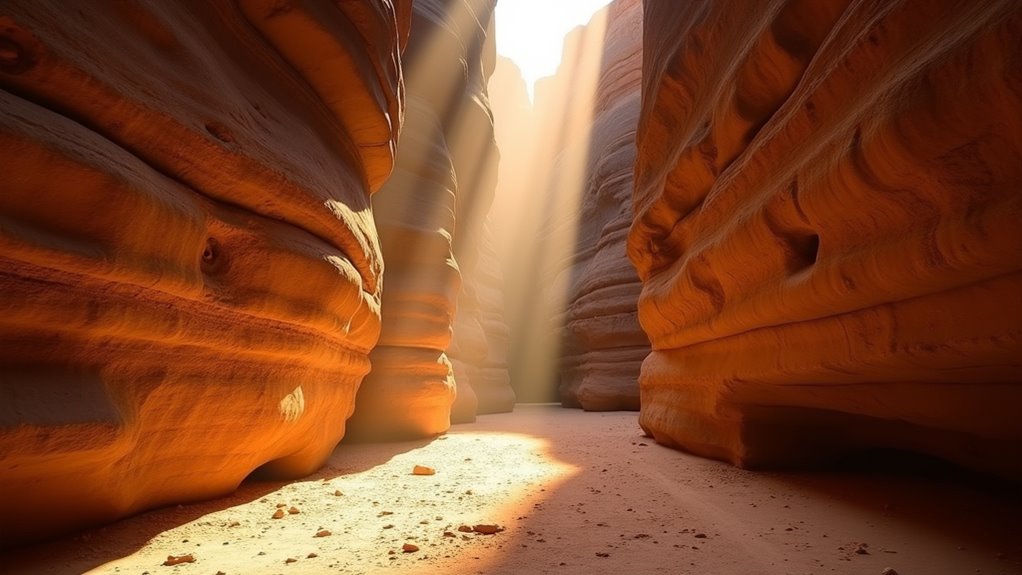
Although Petra welcomes thousands of visitors daily, you’ll experience an entirely different archaeological wonder if you arrive at dawn and walk the Siq before the crowds descend. This narrow 1.2-kilometer natural split in rock transforms into a magical corridor as early morning light creates shifting shades of rose, gold, and maroon on the sandstone walls.
You’ll need to arrive at the Visitor Center by 6:00-6:30 AM with your Jordan Pass or Petra ticket. Pack a headlamp for the dark sections, sturdy walking shoes, and layered clothing since temperatures change quickly.
The mostly flat path takes you through walls that narrow to just 3 meters wide, with dramatic sound echoes and incredible side lighting perfect for photography. You’ll have the ancient ceremonial route practically to yourself. The Siq served as both a natural sandstone fault and the ceremonial approach that leads directly to Petra’s most iconic monument, the Treasury.
Stand in Awe of Al-Khazneh (The Treasury) and Climb to the Secret Viewpoint Above
After your peaceful dawn walk through the Siq, you’ll emerge to face one of archaeology’s most breathtaking moments—your first glimpse of Al-Khazneh, the Treasury, as it reveals itself through the narrow canyon opening.
This 39-meter-high façade, carved directly from sandstone cliffs in the 1st century CE, blends Hellenistic and Nabataean architectural styles with stunning Corinthian columns and mythological sculptures. Recent excavations beneath the structure have revealed a graveyard beneath the Treasury, indicating this was once part of a larger religious and ceremonial complex.
Don’t just admire it from ground level—take the rugged trail leading to the secret viewpoint above. This free climb offers spectacular aerial perspectives of the Treasury and surrounding canyon that most visitors miss.
The hike’s challenging but worth every step for those Instagram-worthy shots and a unique vantage point of Petra’s most famous monument.
Make the 800-Step Climb to Ad-Deir (The Monastery)
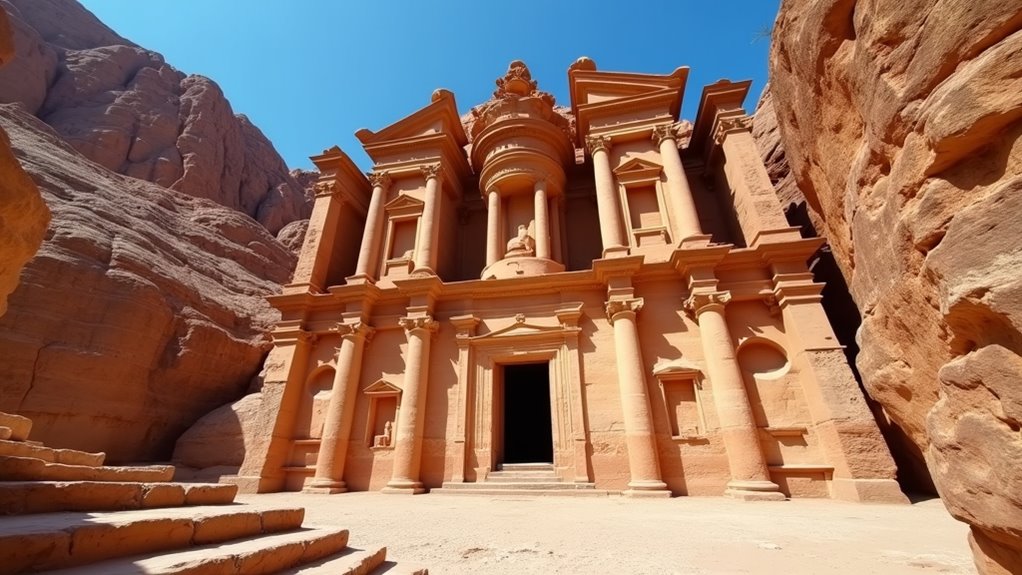
While the Treasury might be Petra’s most photographed monument, the real crown jewel awaits at the end of an 800-step climb to Ad-Deir, the Monastery. This demanding hike through Petra’s rocky terrain leads to the site’s largest façade—48 meters tall and 47 meters wide—dwarfing even the famous Treasury.
Pack plenty of water and wear sturdy shoes, as the uneven rock-cut steps can be slippery and there’s limited shade. The physical challenge pays off spectacularly: you’ll find a quieter, more contemplative atmosphere than the crowded Treasury area.
The Monastery’s massive façade impresses with its blend of Hellenistic and Eastern architecture, while the summit viewpoint offers sweeping desert vistas. Dating to the first century CE, this former Nabataean temple turned Byzantine monastery showcases Petra’s layered history perfectly. If you visit during winter solstice, you’ll witness a remarkable sight when sunset light enters through the door and illuminates the sacred motab inside.
Explore the Royal Tombs and Roman Theatre Complex
Once you’ve caught your breath from the Monastery climb, head to Petra’s western slope where the spectacular Royal Tombs rise from the red sandstone cliffs like an ancient apartment complex. These four massive mausoleums—the Urn, Silk, Corinthian, and Palace Tombs—showcase the incredible wealth of 1st-century Nabataean rulers.
Don’t miss the Palace Tomb‘s impressive five-story facade or the Silk Tomb‘s rainbow-colored mineral streaks that shimmer in sunlight. The Urn Tomb, largest of the group, later served as a Byzantine church.
Below the tombs, explore Petra’s Roman Theatre, carved directly from rock and seating up to 8,500 spectators. The extensive water engineering throughout the site includes sophisticated aqueducts and cisterns that supported this ancient civilization’s remarkable growth. This UNESCO World Heritage complex perfectly demonstrates how Eastern and Hellenistic architectural traditions merged in ancient Petra.
Hike to the High Place of Sacrifice for Panoramic Views
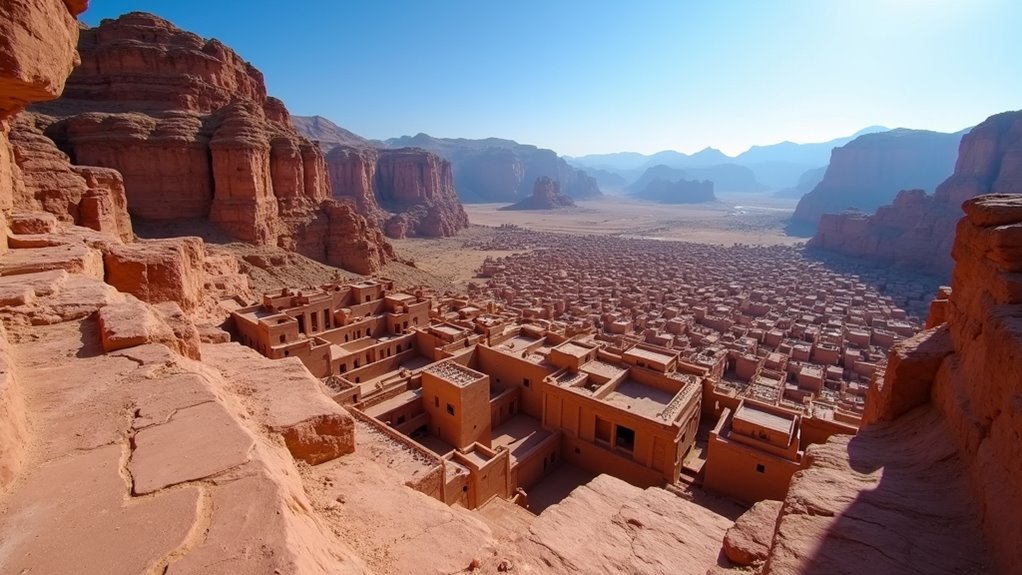
For the most spectacular views in all of Petra, make the challenging climb to the High Place of Sacrifice atop Jabal al-Madhbah ridge. You’ll find the well-marked staircase just before the Roman Theatre – look for clear signposting.
The steep 45-minute ascent rewards you with sweeping panoramic views of the entire Petra valley, stretching one kilometer between mountain barriers.
At the summit, you’ll discover ancient Nabataean obelisks over six meters tall and a fascinating sacrificial platform complete with altar and drainage channels. The site also features stone triclinium benches where ancient celebrants dined after ceremonies.
While donkey rides cost around JD10, hiking yourself saves money and provides better photo opportunities. For your descent, consider taking the scenic route through Wadi Farasa, which winds past additional carved monuments and offers a different perspective of the ancient city. Wear proper footwear and bring water – the 170-meter cliff drops create dramatic shots, especially during sunrise or late afternoon.
Wander the Colonnaded Street Where Ancient Petra Conducted Business
After exploring Petra’s dramatic clifftop views, head down to the Colonnaded Street where ancient merchants once hawked their wares and Roman officials conducted daily business. This 6-meter-wide thoroughfare was Petra’s main shopping district during Roman times, lined with columns and covered sidewalks that provided shade for bustling commerce.
You’ll walk the same stone-paved route that connected Petra’s theater to the Qasr al-Bint temple. Look for remaining column foundations and shop ruins along the sides – these reveal how the street functioned as the city’s commercial heart. The street’s curved design helped channel rainwater away from the busy marketplace, showcasing the advanced engineering skills of Petra’s builders.
The Nymphaeum at one end and Temenos Gate at the other marked important civic spaces.
Though flash floods have damaged much of the original structure, you can still trace the street’s path and imagine ancient Petra’s urban life.
Take the Back Door Trail From Little Petra to the Monastery
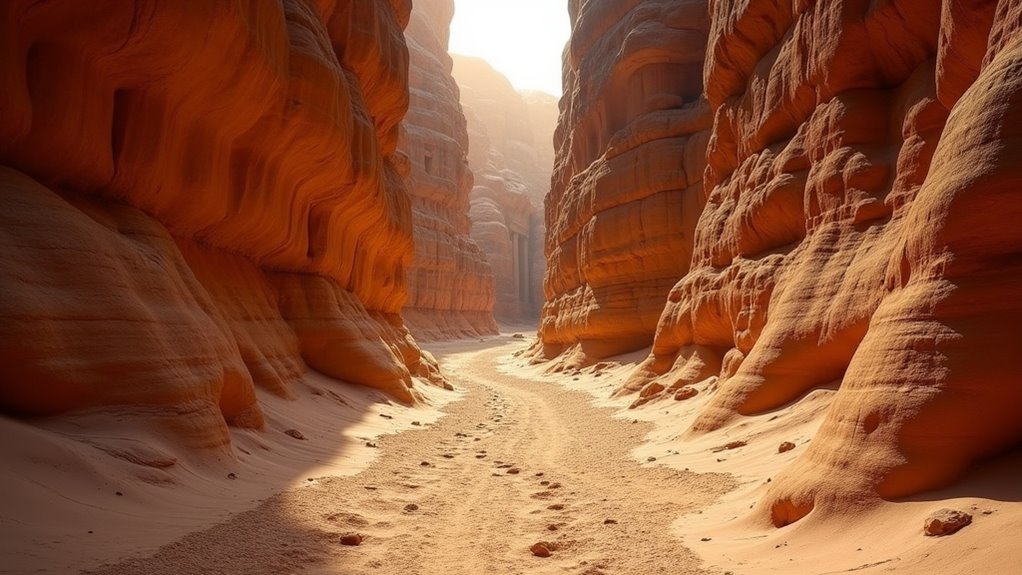
If you’re craving adventure beyond Petra’s crowded main entrance, the Back Door Trail from Little Petra offers a rewarding alternative route to the iconic Monastery. This 7-kilometer hike bypasses the Treasury and Siq, delivering you straight to Ad Deir through Jordan’s stunning desert landscape.
You’ll need a valid Petra ticket (50+ JD) purchased at the main Visitor Centre beforehand—there’s a checkpoint that’ll verify this. The trail takes 2-2.5 hours at moderate pace, though you can cut it short with a 5 JD 4×4 shuttle that covers the flat desert section, leaving just 45-60 minutes of hiking.
Bring offline maps since the first section lacks markings. Start early to beat the heat, and remember—this is a one-way journey ending at Petra’s main site. The Monastery itself features an impressive 48-meter-high rock-cut façade that served as a temple for ancient religious ceremonies.
Experience Petra by Night With Lanterns Lighting the Siq
While daytime exploration reveals Petra’s grandeur, the ancient city transforms into something mystical after sunset during Petra by Night. You’ll walk through the Siq illuminated by 1,500-2,000 flickering candles, creating an otherworldly atmosphere that highlights ancient carvings along the canyon walls.
The 2-kilometer journey takes 30-45 minutes, leading to the Treasury where you’ll watch a show combining music, storytelling, and projection mapping. Running Sunday through Thursday from 8:30-10:30 PM, tickets cost 30 Jordanian Dinars (kids under 10 are free).
Be prepared for the return walk in near-darkness—wear comfortable shoes and bring a small flashlight. While pricier than daytime admission, this candlelit experience offers a unique perspective you won’t find anywhere else. The starry desert sky above provides excellent opportunities for astrophotography, allowing you to capture celestial beauty alongside the ancient architecture.
Visit Petra Museum Before Exploring the Archaeological Site
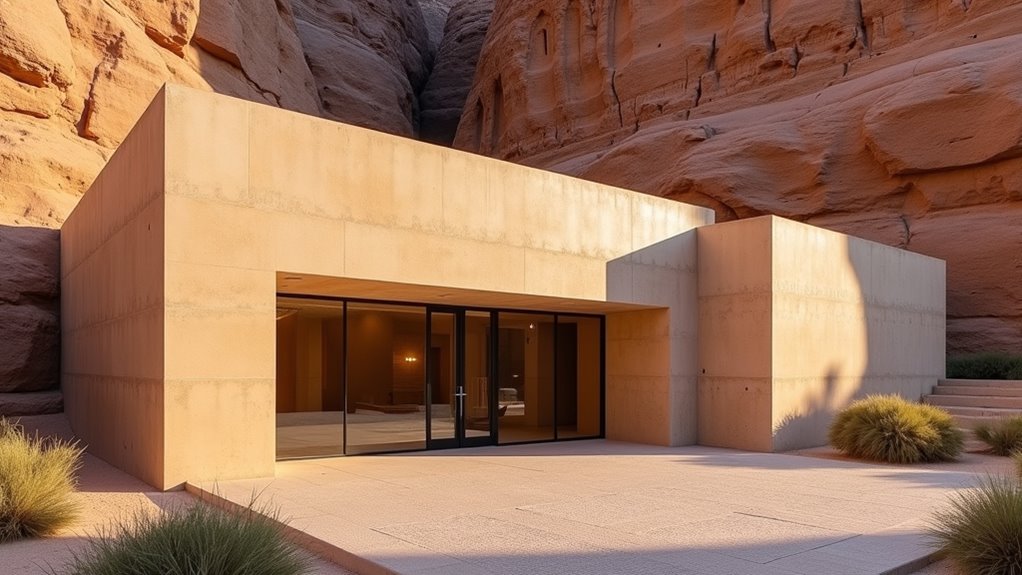
Before heading straight to Petra’s iconic Treasury, you’ll want to stop at the Petra Museum—a modern facility that opened in 2019 just steps from the archaeological site entrance. Best of all, it’s completely free and takes just 30 minutes to explore without rushing.
You’ll discover over 280 artifacts spanning Nabatean, Roman, and Byzantine periods, including pottery, jewelry, and the remarkable “Goddess of Hayyan” sandstone stele.
The museum’s five themed halls walk you through Nabatean history, architecture, and rock art, while interactive displays and 3D films bring their civilization to life. The facility was established through a partnership between the Jordanian government and JICA, with Japanese architects designing this state-of-the-art space.
This isn’t just another museum visit—it’s essential preparation. You’ll understand the context behind what you’re seeing at the archaeological site, making your Petra experience infinitely richer and more meaningful.
Discover the Street of Facades and Lesser-Known Rock-Cut Tombs
As you emerge from the narrow Siq canyon, you’ll encounter the Street of Facades on your left—a stunning collection of over 40 rock-cut tombs that most visitors rush past in their enthusiasm to reach the Treasury. Don’t make this mistake. These Nabataean family tomb mansions showcase incredible craftsmanship from the 1st century BCE to 2nd century CE, blending Hellenistic columns with local artistry.
Each facade tells a story of wealth from Petra’s spice trade dominance. The Nabataeans were also skilled in rainwater harvesting, which contributed to sustaining this thriving city with around 20,000 inhabitants during its peak in the 1st century AD.
Beyond this street, venture north to find the Palace Tomb’s monumental facade and explore scattered burial niches throughout the site. These lesser-known tombs offer fantastic photo opportunities without crowds, and they’re completely free to explore once you’ve paid Petra’s entrance fee.
The Sum Up
You’ll create unforgettable memories exploring Petra’s ancient wonders, but don’t forget the practical stuff. Pack comfortable hiking shoes, bring plenty of water, and start early to beat both crowds and heat. Consider the Jordan Pass if you’re visiting multiple sites—it’ll save you money. Most importantly, take your time soaking in each moment. Petra’s been waiting over 2,000 years; you don’t need to rush through its treasures in a single day.