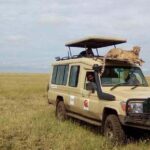
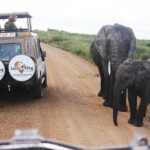
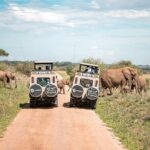
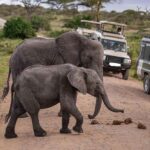
Planning a Tanzanian safari can seem daunting — especially when trying to balance cost with a genuine wildlife experience. This 4-day budget camping safari offers a solid introduction to some of the country’s most famous parks without the hefty price tag. It’s a chance to witness the legendary Serengeti migration, spot the Big Five in Ngorongoro, and stay immersed in nature — all for around $740 per person.
What we love about this tour are the expert guides who seem to know exactly where the animals are and the cost-effective approach that includes both game drives and camping accommodations. The fact that meals and transport are covered makes it easier to focus on the thrill of the experience rather than planning every detail.
One consideration to keep in mind is that camping conditions are basic — no hot water or electricity at most sites — which might not suit travelers accustomed to more luxurious lodges. But for those eager to get close to wildlife on a budget, this tour hits many high notes. It’s ideal for adventurous travelers who want to see Africa’s incredible landscapes without overspending or those who enjoy authentic camping experiences.
This tour is best suited for budget-minded travelers, wildlife enthusiasts, and those open to camping. If you’re looking for a guided, organized experience that includes transportation, meals, and expert insights, this safari offers a practical way to explore Tanzania’s most iconic parks.
- Key Points
- An In-Depth Look at the Safari Experience
- The Itinerary Breakdown
- Day 2: Hunting the Migration and Hippo Pool
- Day 3: Transition to Ngorongoro Crater
- Day 4: Final Game Drive and Return
- What’s Included and What’s Not
- Comfort and Camp Conditions
- Experience Highlights from Travelers
- The Value for Money
- Who Should Consider This Safari?
- Final Thoughts
- FAQ
- The Best Of Arusha!
- More 4-Day Experiences in Arusha
- More Safari Adventures in Arusha
- More Tour Reviews in Arusha
Key Points
- Cost-effective wildlife experience with everything included except conservation fees
- Guided game drives with knowledgeable local guides
- Authentic camping experience combining adventure with comfort
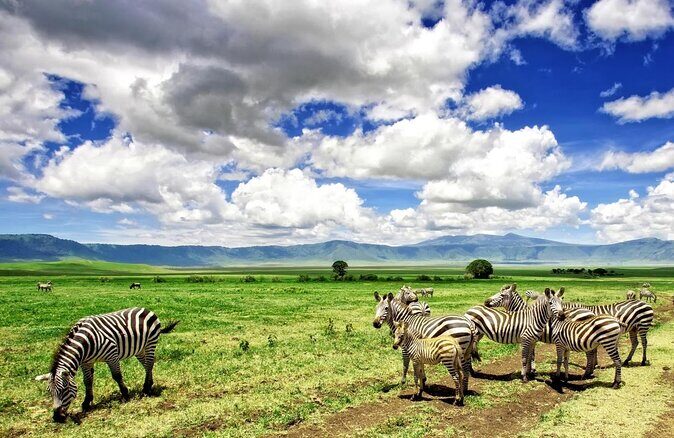
- See the Big Five and witness the annual migration of wildebeest and zebra
- Flexible options for upgrade to mid-range or luxury accommodations
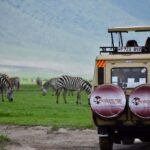
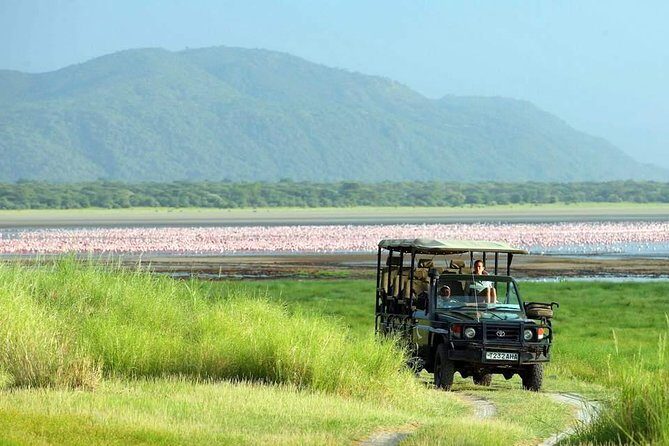
- Includes transport in a 4×4 safari vehicle with a pop-up roof for better animal viewing
👉 See our pick of the Arusha’s 7 Best Tours & Things To Do
An In-Depth Look at the Safari Experience
You can also read our reviews of more tours and experiences in Arusha
The Itinerary Breakdown
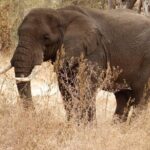
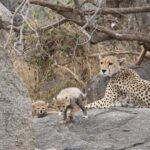
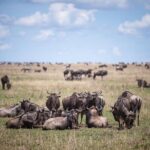
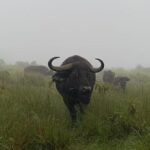
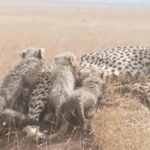
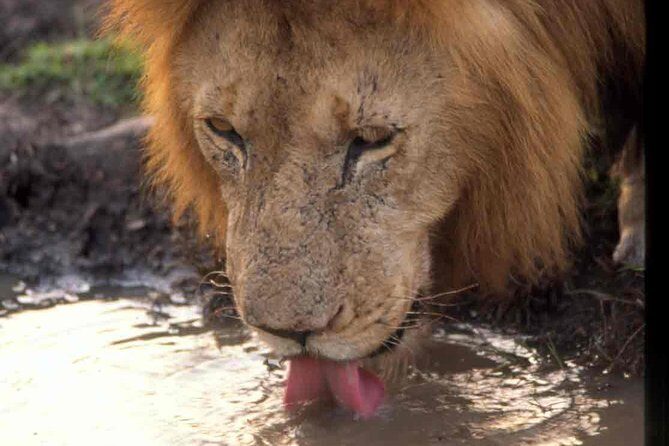
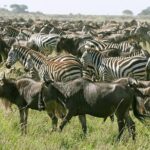
This 4-day adventure starts with an early pickup in Arusha, setting the tone for a packed, scenic journey. The first day takes you into the vast plains of Serengeti, home to Africa’s largest mammal migration. You’ll arrive around mid-afternoon, just in time to begin your game drive en route to the Seronera campsite, where you’ll camp for the night. Expect to see lions, leopards, elephants, cheetahs, zebras, wildebeest, and an impressive array of birdlife, all within reach from your camp’s proximity.
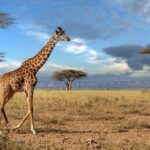
The Serengeti is known for its endless grassy plains and dramatic predator sightings. Wildlife is abundant, and guides are seasoned at locating herds based on migration patterns and recent sightings. As one guest noted, “Thomas, our guide, was very knowledgeable about where to find the big five.” The emphasis here is on finding and observing wildlife in their natural habitat — a key for any safari.
Day 2: Hunting the Migration and Hippo Pool
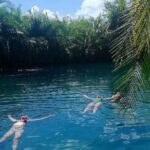
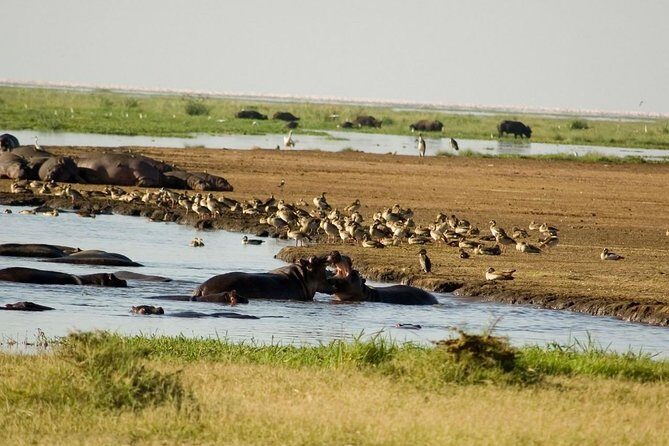
Your morning begins with an early game drive, as the migration is always on the move. This unpredictable yet fascinating aspect makes each safari different, and guides know how to follow the herds. During the day, you’ll visit the Serengeti Hippo Pool, a waterhole fed by the Seronera River. It’s a hotspot for hippos and bird species, offering a different perspective on the park’s ecosystem.
The birdlife here is remarkable, from eagles and vultures to storks and pelicans, providing excellent photography opportunities. One reviewer shared, “The driver was an expert, spotting animals very far away, which made the experience even more exciting.” The second day involves both morning and afternoon drives, giving you ample chances to spot predators and prey.
Day 3: Transition to Ngorongoro Crater
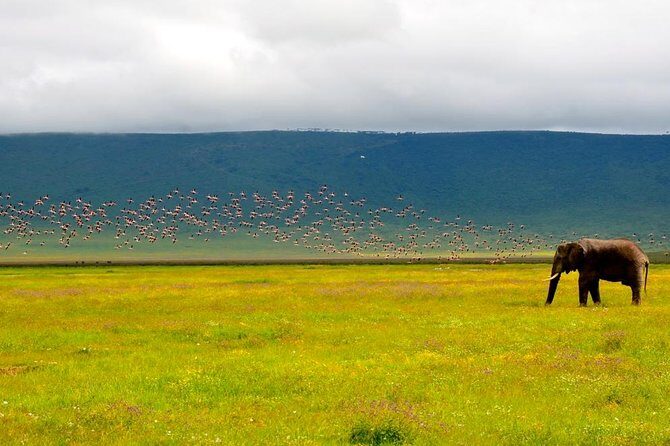
After breakfast, you’ll leave Serengeti behind and head to the Ngorongoro Crater, a UNESCO World Heritage Site and often called the “Garden of Eden.” The drive offers glimpses of the changing landscape, with the highlight being the largest unbroken caldera in the world — a dramatic, bowl-shaped crater teeming with wildlife.
Most of your day will be spent game viewing inside the crater, where animals like lions, hyenas, zebras, and rhinos roam freely. The crater’s unique geography creates a natural conservation area, making it one of the best places for viewing the Big Five in a single spot. An extra option is visiting Olduvai Gorge, a significant archaeological site, for a small additional fee — a nice bonus for history buffs keen on human origins.
Guests have praised the guides’ knowledge here, with one saying, “Our driver was an expert, and the food prepared by the cook was delicious even in the camping environment.” The day wraps up with a camp at the crater rim or nearby, where basic facilities mean you’ll be sleeping under the stars with minimal comforts.
Day 4: Final Game Drive and Return
Early morning, you descend into the crater for your final game drive, focusing on the Big Five and flamingos on Lake Magadi’s soda lake. This is a different scene from the plains — a shallow lake dotted with pink flamingos and other waterfowl, creating a striking contrast to the dry grasslands.
Lunchtime at Ngoitoktok springs offers a picnic-style meal with unforgettable views. Afterward, you’ll ascend the crater and begin your journey back to Arusha, reflecting on the incredible wildlife sightings and landscapes experienced over the past days.
You can also read our reviews of more tours and experiences in Arusha
What’s Included and What’s Not
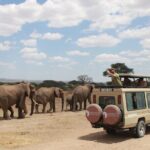
The cost of $740 per person covers three nights of camping, meals, pick-up and drop-off in Arusha, and transportation in a 4×4 safari vehicle with a pop-up roof. Bottled water is included, which is important in the heat.
However, conservation fees, totaling around $210, are paid in cash during the tour. Optional extras like visiting Olduvai Gorge or upgrading accommodations require additional fees. Tips remain optional but are customary, especially for guides and camp staff.
Guests consistently mention the value for money, with reviews praising the guides’ expertise and the quality of meals prepared, even in a camping setting. One review states, “Michael, the cook, made the most delicious food even in a camping environment,” highlighting how this tour balances adventure with surprisingly good hospitality.
Comfort and Camp Conditions
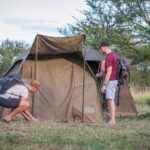
The camping aspect is for those who enjoy an authentic safari experience. Facilities are basic — expect no hot water or electricity at most sites, and some nights may be warmer or cooler depending on the season. Reviewers comment on the no-frills nature of the camps, which keeps costs low but might not appeal to travelers seeking luxury.
Experience Highlights from Travelers
Many reviewers speak highly of the knowledgeable guides and their ability to locate elusive wildlife, including rhinos. “Thomas is very ethical and knows exactly where to find the big five,” notes one guest, emphasizing the importance of experienced guides in wildlife safaris.
Others appreciate the delicious meals that defy expectations for camping, and the opportunity to see a variety of animals and birds in their natural habitats. While a few are slightly disappointed by the camping facilities, they acknowledge that the overall experience outweighs these inconveniences.
The Value for Money
This tour offers a compelling way to see Tanzania’s highlights without the high lodging costs associated with luxury lodges. The cost per day breaks down to roughly $185, which, considering transportation, guiding, meals, and park fees, is quite reasonable.
While the conservation fees are extra, paying cash on-site simplifies budgeting, and this fee supports the parks’ upkeep. The inclusion of a 4×4 vehicle with a pop-up roof ensures good visibility and an engaging wildlife viewing experience.
The flexibility to upgrade accommodations turns this trip into an accessible entry-level safari, or a rough-and-ready adventure for those who prefer authentic camping.
Who Should Consider This Safari?
This safari is best suited for budget travelers who want to see Tanzania’s wildlife without splurging on luxury lodges. If you’re comfortable camping and are eager to spend your days spotting animals in open vehicles, this trip will suit you well. It’s also great for adventure seekers who appreciate a more authentic, “close to nature” experience.
Those who value guides with local expertise and are interested in seeing the migration or the Big Five will find this tour offers excellent chances to witness iconic African wildlife. However, if comfort, hot showers, or luxury accommodations are a priority, you might prefer a different, higher-end safari.
Final Thoughts
This budget camping safari to Serengeti and Ngorongoro packs a lot into just four days. You’ll share incredible moments with wildlife, learn from knowledgeable guides, and enjoy authentic camping environments. The price point makes it accessible for many and provides a genuine glimpse of Tanzania’s natural beauty.
While the camping facilities are basic, the overall value — considering the transportation, guiding, meals, and park access — is very good. It’s a perfect choice for travelers eager to see Africa’s iconic landscapes without overspending, especially those who are comfortable with camping and outdoor adventure.
If you’re after an immersive, affordable safari that emphasizes wildlife sightings and authentic experience over luxury, this trip is well worth considering. Expect to leave with unforgettable memories and a deeper appreciation for Tanzania’s incredible wilderness.
Tanzania 4 Days 3 Nights Budget camping safari to Serengeti and Ngorongoro
FAQ
Is transportation included?
Yes, transportation in a 4×4 safari vehicle with a pop-up roof is included, along with pickup and drop-off in Arusha.
What are the accommodation conditions?
You’ll stay in camping sites for three nights, which are basic but functional. No hot water or electricity is generally available at campsites.
Are meals included?
Yes, breakfast, lunch, and dinner are covered for the entire trip. Meals are prepared at the campsites, and guests praise the quality of the food.
How much are the conservation fees?
The fees amount to $210 in total and are paid in cash during the tour. These fees support park maintenance and conservation efforts.
Can I upgrade accommodations?
Yes, upon early request, you can upgrade to mid-range or luxury accommodation options, although these would incur additional costs.
What wildlife can I expect to see?
Expect to see lions, leopards, elephants, cheetahs, buffalo, zebra, wildebeest, and possibly rhinos. Birdlife is plentiful, including eagles, vultures, and storks.
Is this tour suitable for children?
The tour’s outdoor camping setup and long game drives may be more suitable for older children or teenagers who can handle basic camping conditions.
How flexible is the itinerary?
Guides are experienced at locating wildlife, especially during migration periods, so game drive locations can vary based on animal movements.
Are tips expected?
Tips are optional but appreciated, particularly for guides and camp staff, and are generally at the discretion of travelers.
What is the best time of year for this safari?
While not specified, safaris focusing on migration or the Big Five are generally best during dry seasons when animals congregate around water sources.
This 4-day Tanzanian safari combines adventure, wildlife, and affordability, making it a practical choice for travelers eager to tick off iconic African experiences without overspending. It’s a great way to dive into the wilderness and see some of Africa’s most famous landscapes, all while staying true to a budget.