
If you’re interested in understanding the complex history of Louisiana’s plantation era, this guided tour of St. Joseph and Felicity Plantations offers an insightful and authentic experience. It’s a chance to see two historic homes that have survived the centuries, while also gaining perspective on the lives of the families, enslaved people, and workers who shaped these landscapes.
What makes this tour particularly appealing are its focus on original architecture, family furnishings, and the ongoing active sugar farm. We also appreciate how it balances the grandeur of the houses with honest storytelling about hardship and resilience.
That said, keep in mind that it involves a fair amount of walking and visiting working farms, so it’s best suited for those comfortable on their feet and interested in real history.
One potential drawback is that, because the plantation still operates as a working sugar farm, some areas might feel a bit commercial or less immersive than a purely historic site. But overall, this tour provides a meaningful look at Louisiana’s plantation legacy, perfect for history buffs, film fans, or anyone curious about the cultural fabric of the Deep South.
This experience suits travelers who want a well-rounded, authentic look at plantation life, with plenty of historical detail and a dash of Hollywood charm.
This experience made our article of Our 7 Favorite Vacherie Tours & Things To Do.
Key Points
 1 / 5
1 / 5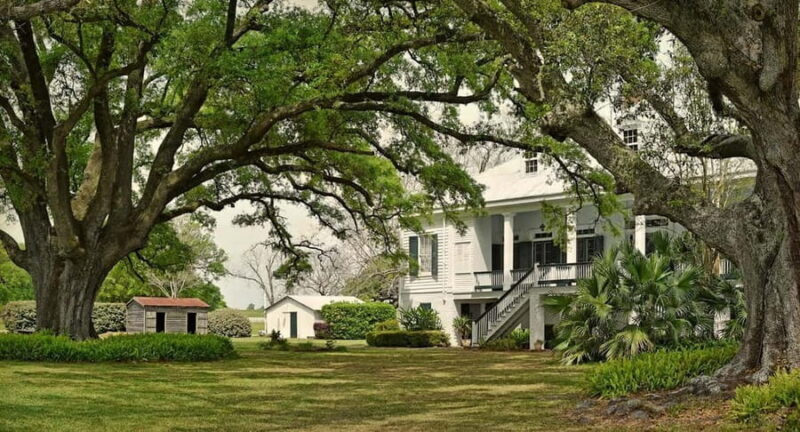 2 / 5
2 / 5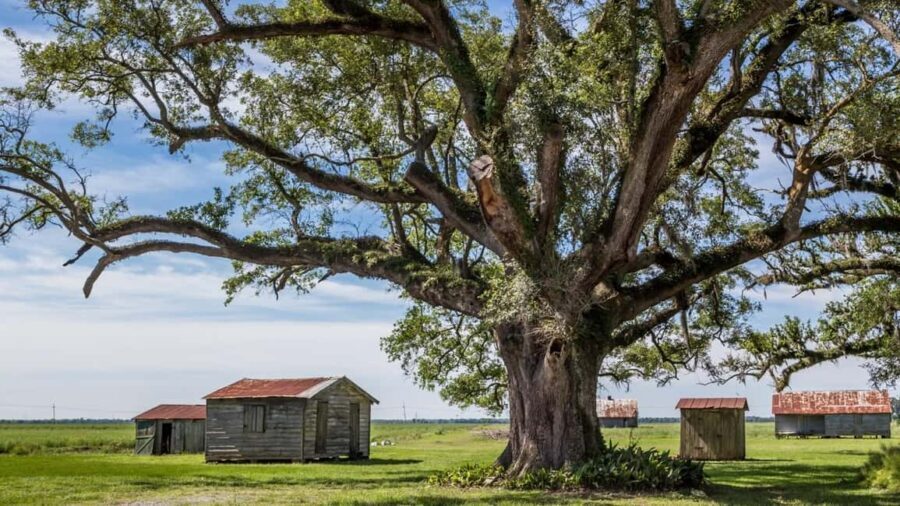 3 / 5
3 / 5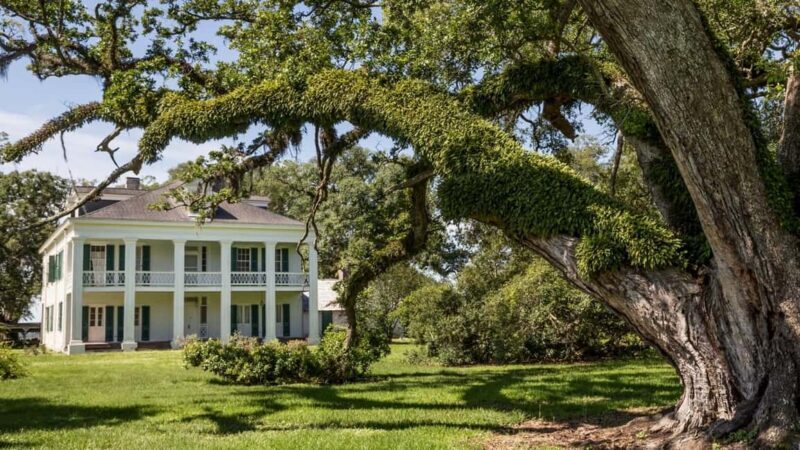 4 / 5
4 / 5 5 / 5
5 / 5- Authentic Architecture: See original Creole and Greek Revival styles.
- Layered Stories: Learn about the families, enslaved people, and workers.
- Active Farm: Witness a still-operating sugarcane farm.
- Film Connection: Spot famous filming locations at Felicity Plantation.
- Detailed Access: Explore original outbuildings, slave cabins, and house interiors.
- Balanced Experience: Combines history, architecture, and living farm operations.
👉 See our pick of the Our 7 Favorite Vacherie Tours & Things To Do
A Complete Look at the Tour Experience
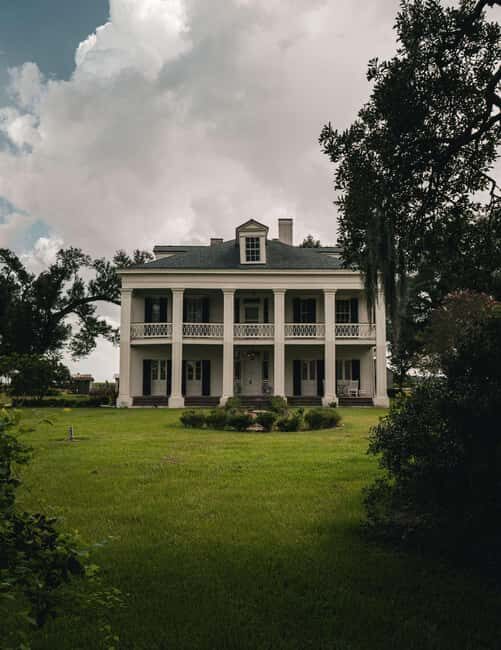
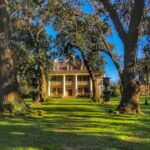
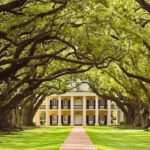
The tour kicks off with a visit to St. Joseph Plantation, built in 1830, a true jewel of Louisiana architecture. What sets it apart is that it’s still owned by descendants of the original family, giving it a rare continuity that resonates in the preserved furnishings and personal touches. We loved the way the house’s Creole architecture stands out—wide galleries, intricate woodwork, and a sense of grandeur that transports you to the antebellum era.
Inside, the house’s rooms are filled with original family furnishings, which add a tangible sense of lived history. The guides do a good job explaining who lived here, how the plantation operated, and the harsh realities faced by enslaved men, women, and children. Multiple reviews highlight the emotional impact of these stories, with some appreciating the honest approach to both the wealth and hardship that characterized plantation life.
Outside, the tour continues with visits to original outbuildings, including slave cabins. These structures aren’t just relics but serve as poignant reminders of resilience. Many visitors find it meaningful to walk through these historic spaces, gaining a clearer picture of the lives and struggles of those who built and maintained the plantation. The guide’s commentary emphasizes the stories of endurance and survival, making the visit more than just a stroll through old buildings.
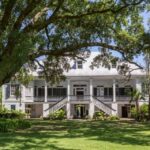
Next, the tour moves next door to Felicity Plantation, built between 1844 and 1847. This house is a striking example of Greek Revival architecture infused with Creole influences—a visual testament to Louisiana’s diverse cultural roots. Its beautiful facade and interior details make it a favorite for photo enthusiasts, especially because Felicity has served as a filming location for notable movies and TV shows like 12 Years a Slave and Roots.
The grounds of Felicity are also still active as a working sugar farm, providing a real taste of the ongoing industry. You’ll see sugarcane fields, and learn how the farm has been operated by the same family since 1877. This continuous farming history adds depth to the experience, illustrating how the legacy of plantation agriculture persists today.
Many visitors mention that the filming history adds a fun layer to the visit, allowing movie buffs to imagine scenes from their favorite shows and films. The fact that Felicity has appeared in multiple productions makes it a special experience for fans of film and television.
You can also read our reviews of more guided tours in Vacherie
What Makes This Tour Stand Out?
Unlike more touristy or superficial plantation visits, this tour offers a balanced narrative—highlighting both the grandeur of the houses and the hard truths of slavery. It’s informative and respectful, providing context without shying away from difficult subjects. Visitors often remark that the stories of enslaved people are an essential part of the visit, offering a more complete understanding of plantation history.
The combination of two plantations in one tour is a notable advantage. While both houses are beautifully preserved, they also each tell a different story—one of a family’s legacy rooted in Creole culture, and the other a symbol of Greek Revival grandeur with Hollywood ties.
The cost of $46 per person represents good value considering the duration (3 hours) and the depth of insights provided. Access to original outbuildings and slave cabins is included, which enhances the authenticity. The small group size (usually around 15-20 people) ensures a more personal and engaging experience, with guides available to answer questions in detail.
What to Expect on the Tour
The tour begins at St. Joseph, where you’re encouraged to arrive 15 minutes early. You’ll start with a walk through the house’s interior rooms, marveling at the craftsmanship and original furnishings. As you explore, expect to hear stories about the families who lived there—their wealth, social standing, and daily routines—as well as the enslaved workers who built and maintained the estate.
Next, you’ll step outside to see outbuildings, including slave cabins. These structures, though simple, tell powerful stories of resilience and survival. The guides often share anecdotes and historical facts that help put these spaces into perspective, making the visit more meaningful.
Afterward, you’ll head to Felicity Plantation, where the architecture immediately catches your eye. The Greek Revival style is complemented by Creole influences, which you’ll notice in the design details and layout. The house’s role in film and TV adds an extra layer of interest, especially for fans of movies like 12 Years a Slave.
Throughout the visit, you’ll get a view of the active sugar farm. Seeing sugarcane fields, understanding the harvesting process, and hearing about the family-run operation helps connect the past with the present—reminding us that this land still produces.
Authenticity and Education
Many reviews praise the honest storytelling of this tour. It doesn’t shy away from the realities of slavery, but rather integrates those stories into the larger narrative of Louisiana’s plantation economy. For example, visitors note how the stories of the enslaved people are woven into the history of the houses and the land, providing a fuller picture.
We also appreciated the guides’ knowledge and their ability to answer questions thoughtfully. The tour’s emphasis on original architecture and furnishings ensures that you’re seeing authentic artifacts, not just reproductions, which makes the experience more tangible.
The film history at Felicity adds a fun and surprising element. Seeing the house where famous scenes were shot makes the visit memorable for film fans, while the ongoing operation of the farm demonstrates the continuity of Louisiana’s agricultural traditions.
More Great Tours NearbyFinal Thoughts: Who Will Love This Tour?
This guided tour offers a thoughtful, layered picture of Louisiana’s plantation world. It’s especially suited for travelers interested in architecture, history, and culture, who want more than just pretty houses. The inclusion of original outbuildings and slave cabins makes it a sincere and respectful look at the realities behind the grandeur.
It’s a good choice for history lovers, film enthusiasts, and those curious about the ongoing legacy of plantation agriculture. With a moderate price point and a duration of 3 hours, it provides a solid value that balances depth with accessibility. Keep in mind that some walking is involved, and the land is still active farmland—so comfortable shoes and a respectful attitude are advisable.

FAQs
Is the tour suitable for children?
Most children who can handle a 3-hour walk and are interested in history should enjoy it, but parents should be prepared for some potentially heavy stories about slavery.
Are there any physical considerations?
Yes, expect to walk through historic buildings and on uneven ground, including outbuildings and slave cabins. Comfortable shoes are recommended.
Can I visit the plantations without a tour?
This tour includes guided access to the houses and outbuildings, but visiting without the guide might limit access and understanding.
What is the price of this tour?
It costs $46 per person, which is a fair value given the comprehensive access and storytelling.
Is the tour conducted in English?
Yes, all tours are in English and guided by live guides.
Do I need to reserve in advance?
Yes, reservations are recommended, especially during busy seasons. You can cancel up to 24 hours in advance for a full refund, offering some flexibility.
New Orleans: St. Joseph and Felicity Plantation Guided Tour
Final Words
In essence, the St. Joseph and Felicity Plantation Guided Tour offers a respectful, detailed look at Louisiana’s plantation history—covering architecture, family legacies, and the stories of resilience amid hardship. It’s an honest experience that balances the grandeur of old houses with the sobering truths of slavery, all while highlighting the ongoing tradition of sugar farming.
For those wanting a well-rounded, authentic visit that includes original buildings, film history, and active farms, this tour hits the mark. It’s particularly suitable for visitors curious about the often-untold stories behind the stately facades and eager for a meaningful, educational experience that respects the land’s complex past.
You can check availability for your dates here: