This experience made our article of 12 Fantastic Historical Tours In Austin.
- Exploring Austin’s Black Heritage: A Deep Dive into the Downtown Black History Walk
- Key Points
- An In-Depth Look at the Itinerary
- Starting Point: Texas African American History Memorial
- Texas Governor’s Mansion
- Wooldridge Square
- Heman Marion Sweatt Travis County Courthouse
- Paramount Theatre & Desegregation
- East Sixth Street: From Commerce to Displacement
- What Makes This Tour Stand Out?
- The Value for Travelers
- Practical Details and Tips
- Who Will Love This Tour?
- The Sum Up
- FAQ
- The Best Of Austin!
- More Historical Tours in Austin
- More Walking Tours in Austin
- More Tour Reviews in Austin
Exploring Austin’s Black Heritage: A Deep Dive into the Downtown Black History Walk
 1 / 7
 2 / 7
 3 / 7
 4 / 7
 5 / 7
 6 / 7
 7 / 7
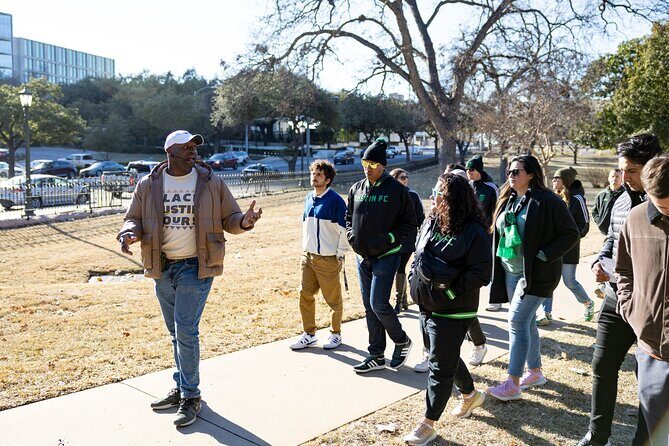
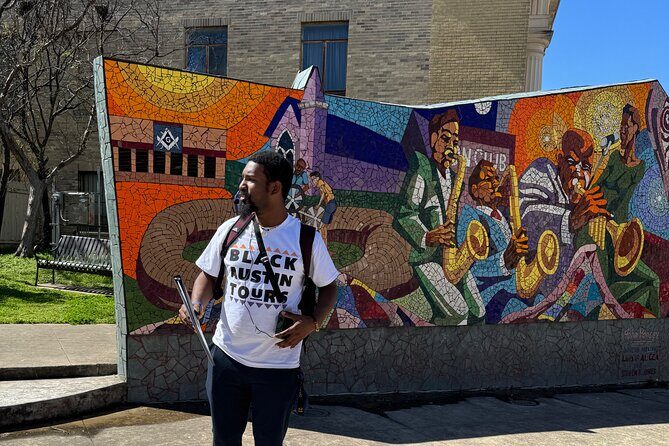
If you’re visiting Austin and want to understand the city’s story beyond the skyline, the Downtown Black History Walk offers a compelling journey. This guided tour takes you through the heart of downtown, revealing stories of Black resilience, achievement, and ongoing contributions. With a focus on authentic voices and local history, it’s a thoughtful way to connect with Austin’s diverse roots.
What we especially appreciate about this tour are its insightful stops that blend history with community spirit — like the Texas African American History Memorial and Wooldridge Square — and its well-balanced narrative that avoids glossing over difficult truths, such as the history of slavery and segregation.
One potential consideration is the tour’s length; at just two hours, it’s a concise look, so travelers seeking an in-depth exploration might want to supplement it with additional visits or reading. Still, for those interested in a meaningful introduction to Black Austin, this experience hits the mark. It’s particularly suited for history buffs, cultural explorers, or anyone wanting to gain a more nuanced understanding of Austin’s past and present.

👉 See our pick of the 12 Of The Best Workshops & Classes In Austin
Key Points
- Focused on Downtown Austin: Highlights significant landmarks within about a mile, making for a manageable and engaging walk.
- Authentic storytelling: Emphasizes Black contributions from the colonial era through civil rights.
- Free stops and meaningful sites: Offers insight into local history without extra costs at each location.
- Intimate group size: Max 30 travelers, allowing for questions and personal engagement.
- Educational and thought-provoking: Encourages dialogue about race, segregation, and community development.
- Good value: At $55, the tour provides a comprehensive, culturally rich experience in a convenient timeframe.
You can also read our reviews of more walking tours in Austin



An In-Depth Look at the Itinerary
Starting Point: Texas African American History Memorial
The tour kicks off at this memorial on the Texas State Capitol Grounds. It’s an ideal place to set the stage, as we explore Texas’s Black history from Spanish colonial times to today. The memorial itself is a poignant reminder of the long-standing presence of African Americans in the state, and the role of convict leasing—a grim chapter where Black prisoners were exploited for labor—often goes unmentioned in mainstream narratives.
Here, we loved how the guide contextualizes Austin’s rise as a cotton production hub and the significance of the King Cotton era. The memorial’s free admission makes it accessible and immediately immerses you in the gravity of the city’s past.
Texas Governor’s Mansion
Next, we visit the Governor’s Mansion, where the tour discusses the history of slavery in Travis County—adding a human dimension to the often impersonal history of buildings. We appreciated how the tour doesn’t shy away from difficult topics and highlights important local figures. It’s an opportunity to acknowledge the individuals who endured enslavement and contributed to Austin’s development.
Wooldridge Square
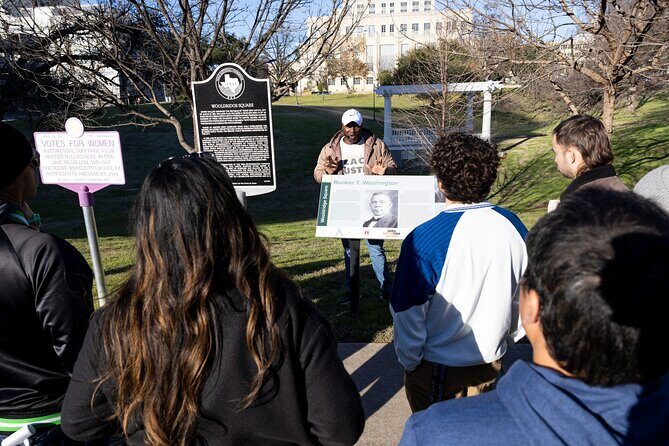
This historic park is more than just a pretty green space; it’s where Austin’s Black community began to forge its identity. Wooldridge Square was among the original four squares laid out in the city’s 1839 plan. It’s fascinating to learn that many of Austin’s first Black churches, schools, and social institutions emerged here.
The tour’s highlight here is the story of Booker T. Washington’s speech in 1911, which underscores the importance of education and community resilience. The square is a visual reminder of how Black residents shaped the city’s fabric following emancipation.
You can also read our reviews of more historical tours in Austin






Heman Marion Sweatt Travis County Courthouse
This site reveals a darker chapter—how Austin and Texas upheld segregation. The case of Sweatt v. Painter in 1946, argued by Thurgood Marshall, challenged the Jim Crow policies that barred Black students from the University of Texas. It’s a powerful moment in the tour, emphasizing local contributions to the Civil Rights Movement.
Paramount Theatre & Desegregation
Walking down Congress Avenue, the tour touches on desegregation efforts and the pivotal role of the Paramount Theatre. Historically, theaters like this were segregated spaces, but they also became sites of protest and change. The tour mentions demonstrations such as swim-ins at Barton Springs and protests on public transportation, illustrating how Austin’s Black community fought for equal access in the 20th century.
East Sixth Street: From Commerce to Displacement
The tour concludes on East Sixth Street, historically a hub of Black-owned businesses and social life. Yet, it also narrates how the creation of the Negro District in 1928 displaced Black residents from the downtown core, pushing them eastward. This story provides insight into urban development’s impact on marginalized communities, making it clear that the city’s growth came with sacrifices.
What Makes This Tour Stand Out?
Beyond the historical facts, the value lies in the personal stories and community-focused approach. As one reviewer noted, “My wife and I truly enjoyed the tour. We always love to tap into local culture,” which speaks to the tour’s engaging narration that makes history come alive.
The small group size encourages questions and dialogue, fostering a more intimate experience. The guide’s effort to connect past struggles with present-day issues helps visitors see the relevance of history in today’s social landscape.
The Value for Travelers
At $55, the price seems fair considering the depth and authenticity of the stories shared. The tour’s walk covers approximately one mile, making it accessible even for those with limited mobility or limited time. Since all the fees and taxes are included, there are no hidden costs.
While the tour focuses heavily on historical and cultural themes, it’s not designed for those seeking entertainment or a leisurely stroll in nature. It’s best suited for visitors interested in history, social justice, or local culture.
Practical Details and Tips
- Timing: Reserve up to 3 weeks in advance, as the tour is popular.
- Meeting Point: Starts at the Texas African American History Memorial, located on 11th St near the Capitol.
- Duration: About 2 hours, giving enough time for stops and discussion.
- Group Size: Limited to 30 participants, ensuring an engaging experience.
- Weather: Conducted outdoors; dress appropriately and bring water if needed.
- Inclusion: All fees and taxes are covered, but tips and bottled water are not included.
- Accessibility: Service animals are allowed.
Who Will Love This Tour?
This Black history walk is ideal for travelers eager to understand Austin’s complex social fabric. It’s especially suited for history buffs, cultural explorers, and those interested in civil rights stories. If you enjoy walking tours that combine storytelling with meaningful landmarks, you’ll find this tour enriching.
It is also a good choice for visitors who want a more authentic and nuanced perspective of the city, as it explores both triumphant achievements and painful struggles of Black Austinites. The tour’s emphasis on community contributions and ongoing dialogues makes it a valuable experience for those invested in social justice and diversity.
The Sum Up
The Downtown Black History Walk in Austin offers a well-rounded, authentic look into the city’s Black community’s past and present. It’s a concise, engaging, and thoughtfully curated experience that does more than just list dates and events — it humanizes history and invites conversation. For those interested in understanding Austin beyond its music scene and tech boom, this tour provides vital context and stories that are too often overlooked.
With its accessible pricing, informative stops, and focus on community narratives, it’s a valuable addition to any Austin stay. Whether you’re a history enthusiast or just curious about the city’s diverse roots, this walk offers a respectful and insightful way to explore Austin’s cultural landscape.
Downtown Black History Walk in Austin
FAQ
How long is the tour?
It lasts approximately 2 hours, covering about a mile of walking through downtown Austin.
Where does the tour start and end?
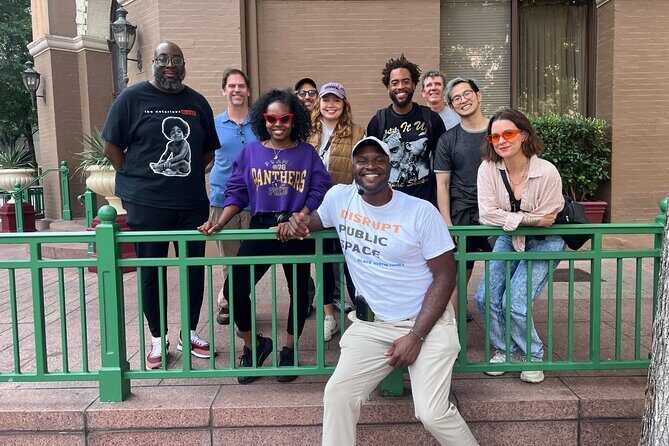
It begins at the Texas African American History Memorial on 11th Street and concludes near the Driskill Hotel at 6th and Brazos.
Is the tour suitable for children?
Most travelers can participate, but consider the subject matter — especially stories about slavery and segregation — for younger children.
Are tickets included in the price?
There are no additional ticket costs at each stop; all fees and taxes are included in the $55 price. However, tips are not included.
How far in advance should I book?
On average, tours are booked about 21 days in advance, so planning early is advised.
Is the tour accessible?
Service animals are allowed, and the tour is designed to be suitable for most travelers, though terrain is outdoors and may require walking.
Can I cancel if my plans change?
Yes, free cancellation is available up to 24 hours before the tour, with a full refund.
Is this tour suitable for people with mobility issues?
While the walk is only about a mile, it is outdoors and may involve some uneven surfaces, so consider your mobility needs.
Will I learn about contemporary Black issues?
While primarily focused on historical sites, the tour also discusses ongoing contributions and community development, linking past struggles to present-day contexts.
This Black history walk in Austin is a meaningful way to connect with the city’s diverse heritage, offering stories that resonate well beyond the typical tourist scene. It’s a thoughtful, engaging experience that illuminates the often-unspoken chapters of Austin’s history, making it a highly recommended addition to your trip.