Imagine wandering through the birthplace of American independence, stepping over cobblestones laid in the 1600s, and hearing stories of revolution, rebellion, and colonial life from a knowledgeable guide. That’s exactly what the Boston 101 Best Historical Walking Tour promises—an engaging, compact journey through Boston’s most significant historical sites.
Priced at just $30 per person for about 90 minutes of walking, this tour offers a budget-friendly way to gain a vivid sense of Boston’s early days and pivotal moments.
What we really appreciate about this tour is its focus on storytelling from a certified historian, making history accessible and lively. Plus, the route covers some of Boston’s most famous landmarks, giving you excellent photo opportunities and a real feel for the city’s evolution.
On the flip side, with a shorter duration, it’s not meant to be an exhaustive deep dive but rather a quick, insightful overview—a consideration if you’re craving more depth or want to explore at a slower pace.
Ideal for first-time visitors, history enthusiasts, or those with limited time, this tour provides a well-rounded snapshot of Boston’s colonial roots and revolutionary spirit. If you love walking and storytelling, and prefer a manageable group size, it’s a smart choice.
- Key Points
- Introduction to the Tour Experience
- In-Depth Look at the Itinerary
- Stop 1: Granary Burying Ground
- Stop 2: King’s Chapel Burying Ground
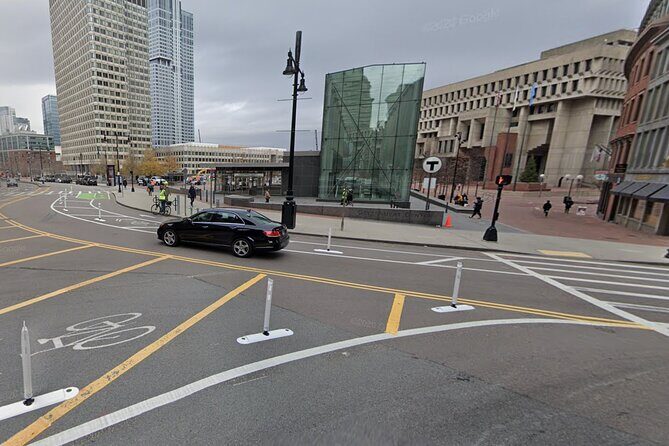
- Stop 3: Government Center
- Stop 4: Boston Massacre Site
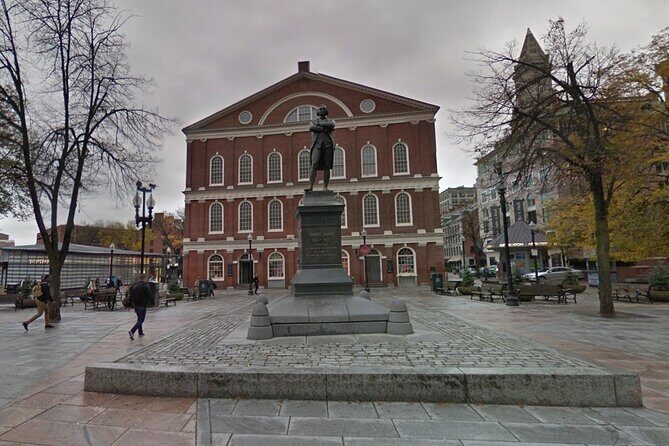
- Stop 5: Faneuil Hall Marketplace
- Stop 6: Boston Common
- Stop 7: Court Square
- What the Tour Includes & Excludes
- Authenticity and Value
- Who Should Consider This Tour?
- Final Thoughts
- FAQ
- The Best Of Boston!
- More Walking Tours in Boston
- More Tours in Boston
- More Tour Reviews in Boston
Key Points

- Compact and Affordable: A 1.5-hour guided walk for only $30.
- Expert Guide: Led by a certified historian who makes history come alive.
- Historical Landmarks: Covers sites like Granary Burying Ground, Faneuil Hall, and Boston Common.
- Authentic Experience: Walk through real locations where historic events unfolded.
- Engaging Stories: Learn about notable figures such as Paul Revere, John Hancock, and Samuel Adams.
- Accessible & Convenient: Near public transportation and includes the use of mobile tickets.

👉 See our pick of the Our Picks For The 7 Best Workshops & Classes In Boston
Introduction to the Tour Experience
Our review looks at a tour that’s designed to give visitors a lively, informative introduction to Boston’s foundational years. It’s ideal for those eager to learn about the American Revolution and Boston’s early days without committing to a full day of sightseeing. We love the way this tour balances historic detail with engaging storytelling, making it perfect for travelers who enjoy a mix of education and fun.
One thing we appreciate is the expert guidance—a certified historian who brings context and personality to each site. We also like the visual aspect of walking amongst old buildings and cemeteries, which helps bring history to life far better than reading plaques or guidebooks alone. A potential drawback is the relatively short duration, which might leave those wanting a deeper experience wanting more time at each stop.
This tour suits visitors with a curiosity for American history, especially those on a tight schedule who want a comprehensive yet quick overview. It’s also well-suited for families, history buffs, or first-time visitors eager to lay a solid foundation for further exploration.
You can also read our reviews of more walking tours in Boston


In-Depth Look at the Itinerary
Stop 1: Granary Burying Ground
Starting at Boston’s oldest cemetery, established in 1660, you’ll see the graves of some of the city’s most famous figures, including Paul Revere, Samuel Adams, and John Hancock. The tour guide will share stories about these figures and the significance of their final resting places. You’ll also see the graves of the parents of Benjamin Franklin, adding a fascinating connection to broader colonial history.
The cemetery’s atmosphere, with weathered headstones and centuries-old trees, makes it easy to imagine the lives and conflicts of Boston’s early residents. Visitors often comment on the poignancy of walking among the graves of those who shaped the revolution.
Stop 2: King’s Chapel Burying Ground
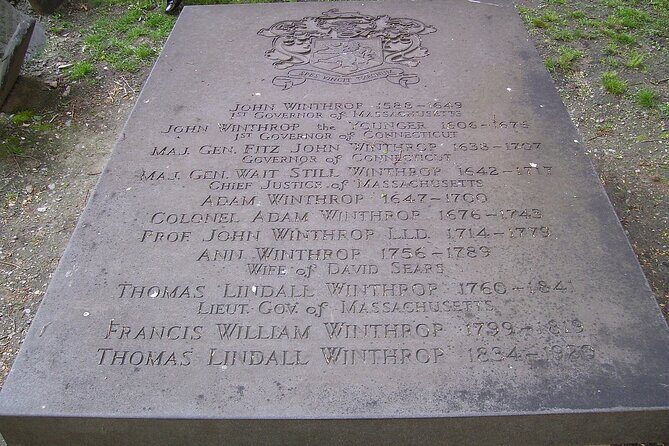
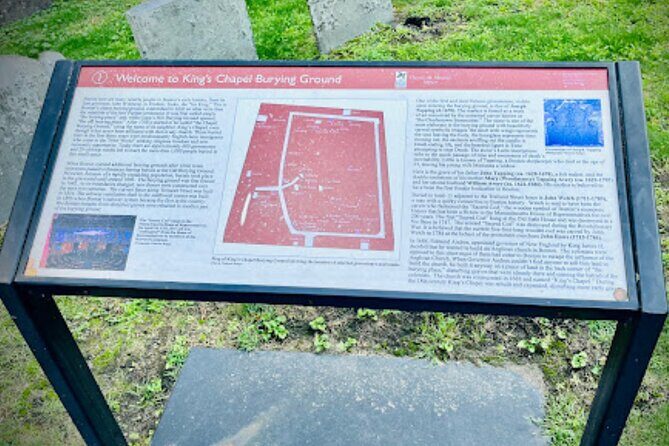
Though the tour doesn’t go inside, you’ll marvel at the King’s Chapel, established in 1686, the first Anglican church in the Boston area. Its architecture hints at colonial religious history and the influence of English traditions. The surrounding burying ground, dating to 1630, the year Boston was founded, is the final resting place of notable figures like John Winthrop, Massachusetts’ first governor.
Walking here offers a sense of the early colonial community and the layered history of faith and governance. The guide’s stories help connect these landmarks to Boston’s broader development from settlement to city.
Stop 3: Government Center
Standing on the site where British troops encamped during the Revolution, this area connects Boston’s colonial past to its revolutionary struggles. The current Boston City Hall sits atop this historical site, a reminder of how the city has evolved. The guide shares insights into the British occupation and the role this area played during the colonies’ push for independence.
You can also read our reviews of more historical tours in Boston






Stop 4: Boston Massacre Site
One of the most powerful moments of the tour, this site commemorates the 1770 Boston Massacre, where five colonists were killed by British soldiers. This incident dramatically escalated tensions between the colonists and the British crown, marking a turning point leading to the revolution.
Expect to hear vivid stories about the events leading up to the shooting, the aftermath, and how this tragic event galvanized colonial resistance. The guide’s descriptions make it easy to picture the tense, chaotic scene and understand why it’s considered a pivotal moment in American history.
Stop 5: Faneuil Hall Marketplace
This bustling marketplace has served as a gathering spot since Peter Faneuil donated the building for public meetings. It’s a lively place to imagine colonial citizens discussing politics, protesting, and debating the future of their young country. The guide will also recount the story of the Battle of Bunker Hill, one of the bloodiest and most significant battles of the Revolution.
The energy of Faneuil Hall, combined with its historical importance, makes it a natural highlight for visitors interested in both history and lively urban life.
Stop 6: Boston Common
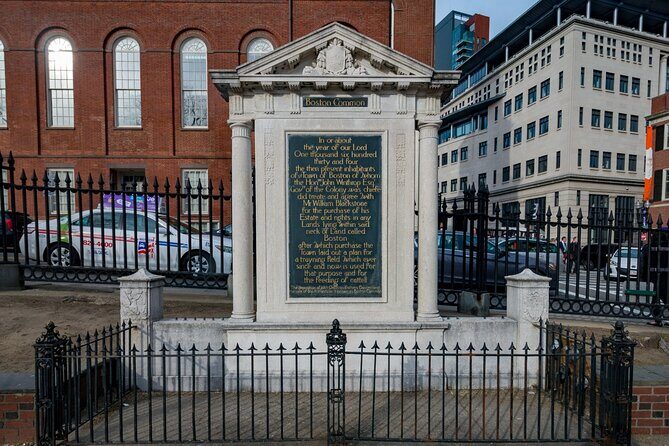
The city’s oldest park, founded in 1634, holds stories of early settlers, witches, and revolutionaries. William Blackstone, the first European settler, sold this land to John Winthrop, shaping Boston’s early development. The tour touches on the infamous witch trials and other notable events that unfolded here.
Expect to see the sprawling green space that has long been a gathering point for protests, celebrations, and civic life. The guide will share enriching stories about the park’s role through centuries.
Stop 7: Court Square
This historic square was home to Boston’s jail during the 1600s, where prisoners ranged from pirates to witches, debtors, and rebels. Visiting this site gives a sense of the city’s justice system in its earliest days, and stories of notable prisoners offer a glimpse into colonial law and order.
What the Tour Includes & Excludes
The tour includes images shown by the guide, enhancing the storytelling with visuals. The group size is limited to 30 travelers, ensuring a personal and engaging experience. It begins promptly at 11:00 am from Tremont Street and ends near Faneuil Hall, making it easy to continue exploring the city afterward.
Note that tips for guides are not included, which is customary for guided tours. The tour is designed to be a flexible, low-pressure experience, with free cancellation available up to 24 hours beforehand. You’ll need to bring your mobile ticket, and the tour is accessible to most travelers.
Authenticity and Value
The price of $30 offers excellent value for the depth of knowledge and the number of iconic sites covered in just 90 minutes. Compared to longer or more commercialized tours, this offers a focused, quality experience ideal for travelers who want a quick but meaningful introduction to Boston’s history.
What sets this tour apart, based on reviews, is the knowledgeable guides and their engaging storytelling. Many mention how the guides bring to life the events and figures behind the landmarks, making history feel immediate and relevant. The visual component, with images shown along the route, further enriches understanding.
The sights visited—cemeteries, historical squares, and landmarks—are genuine and tangible parts of Boston’s past. Walking through these places provides a visceral connection to history that photographs or readings alone can’t match.
Who Should Consider This Tour?
This tour is perfect for first-time visitors who want a quick overview of Boston’s revolutionary roots. It’s also suited for history buffs eager to see some of the city’s most important sites without overly long commitments. Families with children might find the stories engaging and the pace manageable.
Those with limited time in Boston will appreciate the efficient route and the fact that it ends near Faneuil Hall, where they can continue exploring on their own. If you’re interested in authentic, local stories told by a passionate guide, this tour hits the mark.
Final Thoughts
The Boston 101 Best Historical Walking Tour offers a balanced mix of storytelling, site visits, and historic insight—all at an attractive price point. The inclusion of expert guides and the chance to walk in the footsteps of revolutionaries make it an appealing choice for anyone eager to connect with Boston’s foundational history.
While it’s not a comprehensive tour, its focus on key sites and stories makes it ideal as an introduction—especially for visitors who want to see the city’s most significant landmarks without the hassle of large groups or expensive tickets. The tour’s friendly pace ensures you’ll get a good feel for Boston’s colonial and revolutionary past in less than two hours.
If you’re after an authentic, well-guided, and reasonably priced introduction to Boston’s storied history, this tour is hard to beat. It’s the kind of experience that leaves you with stories to tell and a deeper appreciation for the city’s role in shaping the nation.
Boston 101 Best Historical Walking Tour
FAQ
How long is the tour?
The tour lasts approximately 1 hour and 30 minutes, covering key historic sites in Boston.
Where does the tour start and end?
It begins on Tremont Street opposite Temple Place and finishes near Faneuil Hall Marketplace.
Is the tour suitable for children?
While not explicitly stated, the storytelling style and manageable group size suggest it’s suitable for most travelers, including families with children interested in history.
What is included in the price?
The tour fee includes guided storytelling, images shown by the guide, and access to historic sites on the route.
Are tips included?
No, tips for the guide are not included and are at your discretion.
Can I cancel the tour?
Yes, free cancellation is available up to 24 hours before the scheduled start, providing flexibility in case your plans change.
Is this tour accessible via public transportation?
Yes, the meeting point is near public transit, making it convenient for most travelers.
What should I bring?
Bring your mobile ticket, comfortable walking shoes, and weather-appropriate clothing. A camera is also recommended to capture the sights.
Is the guide knowledgeable?
Yes, guides are certified historians, praised in reviews for their engaging, informative storytelling that makes history come alive.
To sum it up, the Boston 101 Best Historical Walking Tour offers a lively, accessible way to explore Boston’s revolutionary past. It’s perfect for those looking for a meaningful overview without a hefty time commitment or price tag. Whether you’re a history newcomer or a seasoned enthusiast, it’s a route that makes history feel immediate and personal.