- Waters of Katrina History Tour: An In-Depth Look
- Key Points
- Exploring the Water’s Role in New Orleans
- Mississippi River: The Lifeblood and Threat
- Latrobe Park: A Water Innovation Legacy
- Woldenberg Riverfront Park: Transformation of Industrial Spaces
- Jackson Square: Historic Heart of the City
- French Market: From Native American Trading Post to Cultural Melting Pot
- The Old City: French Creations and Flood Challenges
- Practical Details and Value
- Weather and Cancellation Policies
- Group Size and Guide
- Authentic Insights from Past Travelers
- Final Thoughts on the Waters of Katrina History Tour
- FAQ
- Who Should Consider This Tour?
- The Best Of New Orleans!
- More Historical Tours in New Orleans
- More Tours in New Orleans
- More Tour Reviews in New Orleans
Waters of Katrina History Tour: An In-Depth Look
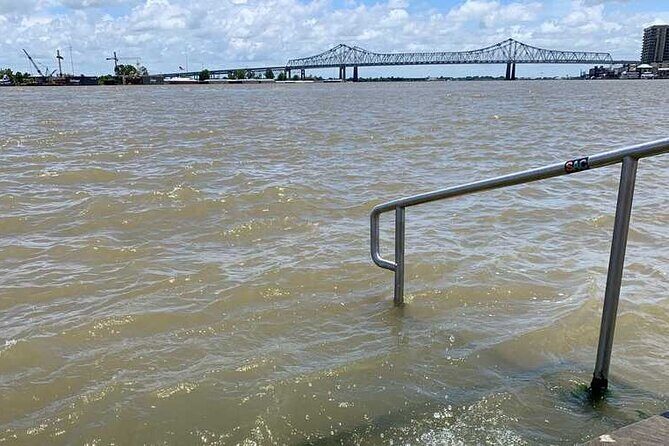
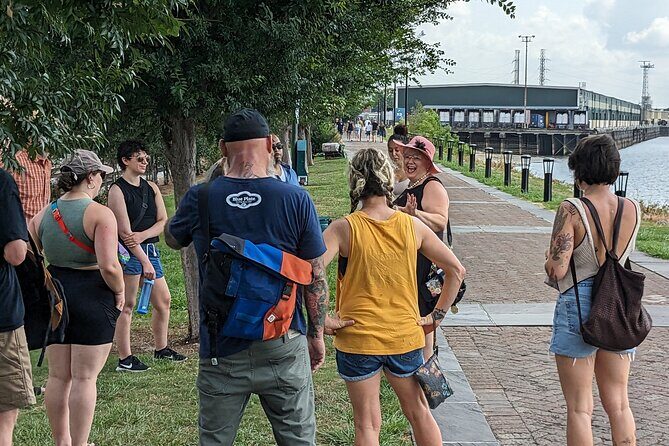
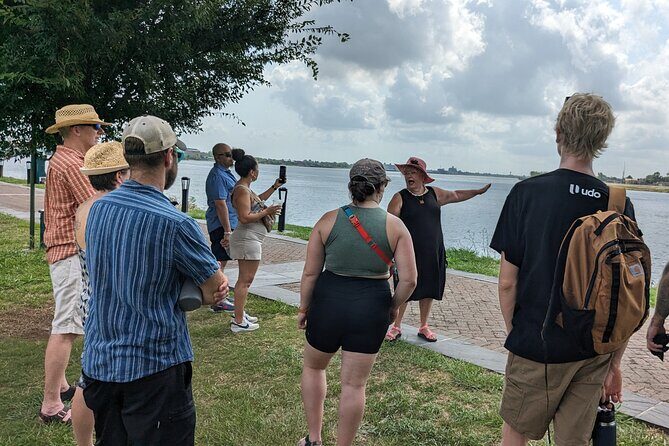
Imagine spending an engaging two hours wandering through New Orleans with a focus on its most defining element: water. The Waters of Katrina History Tour offers just that—a chance to explore how water, floods, and storms have left an indelible mark on the city’s past and present. Whether you’re a history buff or simply curious about how this unique city manages its relationship with water, this tour offers a thoughtful, well-structured route filled with local stories and scenic views.
What makes this experience appealing? For starters, the tour’s focus on water infrastructure—from levees to historic water systems—provides valuable context about the city’s ongoing battle with floods. We also appreciate how the tour combines historic sites with accessible parks and public spaces, making it both educational and visually pleasing. One potential consideration: at just two hours, the tour is concise, which means it’s packed but could leave some travelers wishing for a bit more depth or time to linger.
This experience suits travelers interested in urban history, natural disasters, and cultural resilience. It’s particularly good for those who prefer a small-group setting—with a maximum of 14 participants—allowing for more personalized insights and questions. If you’re looking for an authentic, locally focused journey through New Orleans’ water-related stories, this tour might be just right.

👉 See our pick of the Top 15 Workshops & Classes In New Orleans
Key Points
- Focused on Flood History: A deep dive into how floods, especially Katrina, have shaped the city’s infrastructure and culture.
- Accessible and Compact: This 2-hour tour covers key sites in a small group, offering an intimate experience.
- Historic and Scenic Stops: From the Mississippi River to Jackson Square, each site adds a layer of understanding about water’s influence.
- Educational and Engaging: Great for those wanting more than just sightseeing, with insights into engineering, history, and urban planning.
- Cost-Effective: At $30, it offers an affordable way to gain a nuanced appreciation of New Orleans’ water challenges.
- Beginner-Friendly: Suitable for most travelers, including those with mobility considerations, as it’s relatively short and includes free admission sites.
You can also read our reviews of more historical tours in New Orleans


Exploring the Water’s Role in New Orleans
The Waters of Katrina History Tour begins at 768 Decatur Street, right in the heart of the French Quarter, offering easy access for visitors. Starting at 10 am, the tour is designed to be both manageable in duration and rich in content, making it a good morning activity for those wanting a mix of history, scenery, and local storytelling.
Mississippi River: The Lifeblood and Threat
Your journey kicks off along the mighty Mississippi, a river so vital to New Orleans that it’s woven into its very identity. You’ll hear about how the river fuels trade, tourism, and the economy, but also discuss the significant risks it poses—catastrophic flooding being a primary concern. This initial stop sets the tone, highlighting the delicate balance between harnessing water’s power and respecting its might.
Latrobe Park: A Water Innovation Legacy
Next, the tour visits Latrobe Park, named after Benjamin Latrobe, who built the city’s first water system. This spot offers a tangible link to the city’s early efforts to manage water, a necessity in a city below sea level. We loved the way this small park encapsulates the city’s engineering start—reminding visitors that water management isn’t just a modern issue but a long-standing challenge.
Woldenberg Riverfront Park: Transformation of Industrial Spaces
Further along, Woldenberg Park showcases how an area once dominated by flood walls, warehouses, and industrial zones has been transformed into a lush, inviting public space. Named after philanthropist Malcolm Woldenberg, this park underscores how urban renewal projects have reimagined flood-prone zones into community assets. We found it inspiring to see these efforts, especially with the backdrop of ongoing flood concerns.





Jackson Square: Historic Heart of the City
A highlight is Jackson Square, an icon of New Orleans’ French colonial roots. Established in 1721, this square has witnessed centuries of city life, from French engineers’ initial plans to the vibrant hub it is today. As you stroll through, it’s easy to appreciate how water and flood resilience have been woven into the city’s fabric—whether through historic architecture or the ongoing efforts to control the Mississippi’s unpredictable tendencies.
French Market: From Native American Trading Post to Cultural Melting Pot
Moving into the French Market area, you’ll learn how this lively spot originated as a Native American trading post in 1791. Over the centuries, it evolved into a bustling marketplace for European, African, and Caribbean traders. The market’s diverse offerings, from spices to crafts, reflect how water facilitated not just floods but also cultural exchange—highlighting the city’s resilience and adaptability.
The Old City: French Creations and Flood Challenges
The final and most extensive stop is the French Quarter itself. Here, we loved how the tour narrates the city’s ongoing struggle with the Mississippi. The French initiated efforts to contain the river with levees, a task that proved far from straightforward. Mark Twain’s famous quote, “The Mississippi River will always have its own way,” resonates today, reminding us that no matter what humans do, the river’s power remains formidable.
While the flood defenses have improved over the years, flood risks persist, and the tour offers a balanced view of ongoing engineering efforts and natural challenges. The 45-minute exploration of this historic part of the city provides a comprehensive picture of the city’s roots and water-related resilience.
Practical Details and Value
The tour is priced at $30 per person, which we find offers excellent value considering its focus and small group size. It’s designed to be accessible; with most travelers able to participate and service animals allowed, it’s inclusive for many visitors. The mobile ticket system makes booking straightforward, and the tour’s limited group size ensures a more personal experience, allowing for questions and interaction.
The tour’s timing—starting at 10 am—fits well into a day of sightseeing, and its 2-hour length makes it easy to pair with other activities. Since most of the sites are free to enter, your main investment is the ticket itself, making this a budget-friendly way to deepen your understanding of New Orleans’ water story.
Weather and Cancellation Policies
The tour relies on good weather, as outdoor stops are central to the experience. If weather doesn’t cooperate, you’re entitled to a full refund or a reschedule. Cancellation is free if done at least 24 hours in advance, adding peace of mind should plans change.
Group Size and Guide
With a maximum of 14 travelers, the group size promotes a comfortable atmosphere where questions are encouraged. The guide’s insights, drawn from historical and engineering perspectives, help bring each site to life, making the tour educational without feeling rushed or overly technical.
Authentic Insights from Past Travelers
While no reviews are currently posted, the focus on water management and historic sites suggests that visitors will leave with a stronger grasp of the city’s ongoing relationship with water. The story of how New Orleans continually adapts, despite the persistent threat of floods, resonates with those interested in urban resilience and cultural history.
Many travelers appreciate tours that combine scenic views with meaningful storytelling, and this tour hits that mark. The fact that it covers both natural and man-made water features helps visitors understand the full scope of the city’s challenges and triumphs.
Final Thoughts on the Waters of Katrina History Tour
This tour offers a thoughtful, accessible, and affordable glimpse into New Orleans’ water story. It balances historic sites with urban planning insights—making it perfect for curious travelers who want to go beyond surface sightseeing and appreciate the city’s ongoing dance with water.
If you’re eager to understand how this below-sea-level city has fought floods for centuries—and how it continues to do so—this tour will give you a solid foundation. It’s suitable for all ages, especially if you enjoy a mixture of history, architecture, and scenic parks. The small-group approach means you’ll get answers to your questions and a more personalized experience.
Whether you’re a first-time visitor or a seasoned local, this tour enriches your understanding of New Orleans’ unique relationship with water—an essential story that has shaped its streets, its people, and its future.
FAQ
Is this tour suitable for children?
Yes, most travelers can participate, and the short duration makes it manageable for younger visitors. Just keep in mind that the focus is on history and urban development, so younger kids might need some engagement to stay interested.
Can I book the tour close to the departure date?
Booking on average occurs about 64 days in advance, but last-minute reservations may still be available depending on availability.
What should I bring?
Comfortable walking shoes are recommended since the tour involves outdoor stops and walking between sites. A hat and water might also be helpful, especially on sunny days.
Does the tour include any admission fees?
No, all sites visited are free to enter, so your main cost is the $30 ticket.
Is the tour wheelchair accessible?
While the tour is designed to be inclusive, accessibility details are not specified. It’s best to contact the provider if you have specific needs.
What is the group size?
A maximum of 14 travelers, ensuring a personal and engaging experience.
Are there any age restrictions?
Most travelers can participate; no specific restrictions are mentioned, but younger children should be supervised.
How do I receive my tickets?
Tickets are mobile, so you’ll receive a digital confirmation upon booking.
What is the cancellation policy?
Free cancellation is available up to 24 hours before the scheduled start, with a full refund.
Waters of Katrina History Tour
Who Should Consider This Tour?
If you’re interested in urban history, flood resilience, or simply want a meaningful way to explore New Orleans beyond the usual tourist spots, this tour fits the bill. It’s especially appealing for those who appreciate local stories, scenic parks, and historic sites tied together by a common theme—the water that both sustains and challenges the city. It’s a wonderful choice for curious travelers who enjoy learning about engineering, history, and culture in a compact, affordable package.
In essence, if you want to understand how water has shaped New Orleans’ identity and future, this tour offers a well-rounded, insightful experience that respects your time and curiosity.