Traveling through Philadelphia often feels like walking through the pages of American history, but this tour offers a unique twist—focusing on how money evolved in the U.S. and what that tells us about our past and present. Designed for those curious about economics, history, or just looking for a different perspective on Philadelphia’s landmarks, this experience combines storytelling with real-world sites.
What we really like about this tour is its affordable price of just $29, making it accessible for most travelers, and the engaging guide who’s passionate about both the history of the founding fathers and the complexities of inflation today. On the downside, it’s a walking exterior tour only—meaning you’ll see many sites from outside, without entry fees or tours inside.
However, this makes it a quick, flexible, and budget-friendly way to get a sense of Philadelphia’s monetary past and its connection to the American Revolution.
This tour suits travelers who enjoy history, economics, or Philly’s architecture, and prefer a short, informative experience rather than a lengthy museum visit. It’s especially appealing to those wanting a personalized, small-group atmosphere, with only up to 12 participants. If you’re seeking a deeper dive into museums or want to enter historic sites, you’ll need to plan those separately.
- Key Points
- Exploring the Itinerary in Detail
- Start at the Museum of the American Revolution
- The First Bank of the United States
- The Second Bank of the United States
- Independence Hall
- US Mint
- Benjamin Franklin’s Grave
- The National Constitution Center
- Practical Considerations and Value
- What Travelers Are Saying
- Who Should Take This Tour?
- The Sum Up
- FAQ
- The Best Of Philadelphia!
- More Historical Tours in Philadelphia
- More Tour Reviews in Philadelphia
Key Points
- Affordable and concise: At $29, it offers good value for a focused, 1-hour 15-minute tour.
- Educational and entertaining: The guide balances history with insights into current economic issues.
- Exterior site visits: No entry tickets required, making it easy and quick but limited inside experiences.
- Expert local guide: A passionate Philadelphian who loves sharing stories about the city’s monetary history.
- Small group size: Max 12 travelers, fostering a more personal and engaging atmosphere.
- Ideal for history or finance buffs: Perfect for those wanting to understand the development of U.S. money from a connect-the-dots perspective.

👉 See our pick of the Philadelphia’s 11 Best Workshops & Classes
Exploring the Itinerary in Detail
You can also read our reviews of more historical tours in Philadelphia


Start at the Museum of the American Revolution
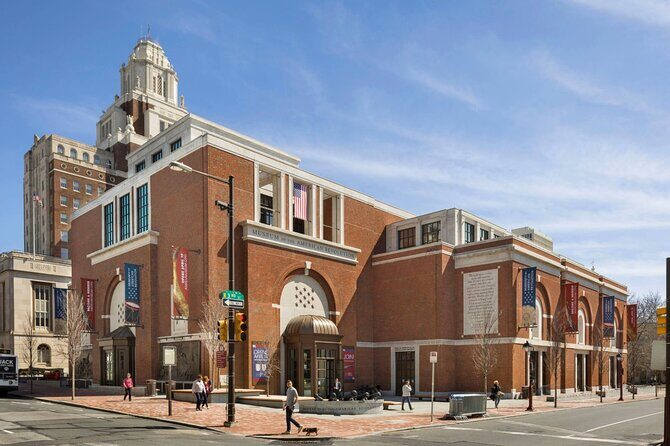
Our journey begins at the Museum of the American Revolution, where the guide points out two murals that depict pivotal moments in early American history. While we don’t enter the museum, this stop sets a solid context for understanding how revolutionary ideals influenced the monetary system. The murals serve as visual anchors, illustrating the balance between liberty and economic stability.
From here, the focus shifts toward the monetary roots of the young nation, emphasizing how coinage, paper money, and banking played a role in shaping the colonies and the early United States.
The First Bank of the United States
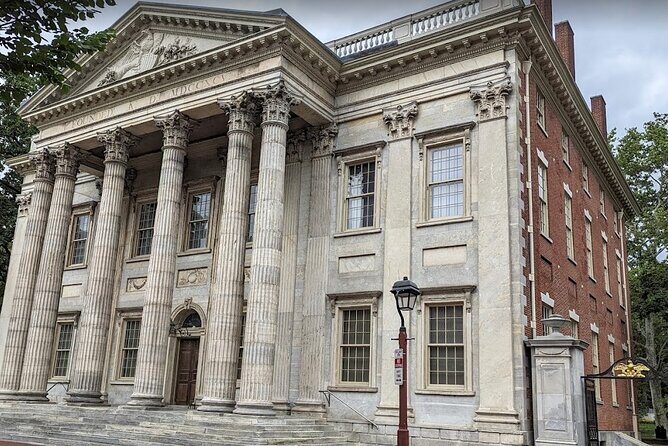
Next, we admire the exterior of the First Bank of the United States, one of the earliest symbols of federal monetary authority. Though we don’t go inside, the guide shares stories about Alexander Hamilton’s vision for a national bank to stabilize the economy and fund the young nation’s growth. This site highlights how central banking set the stage for future monetary policies.
The Second Bank of the United States
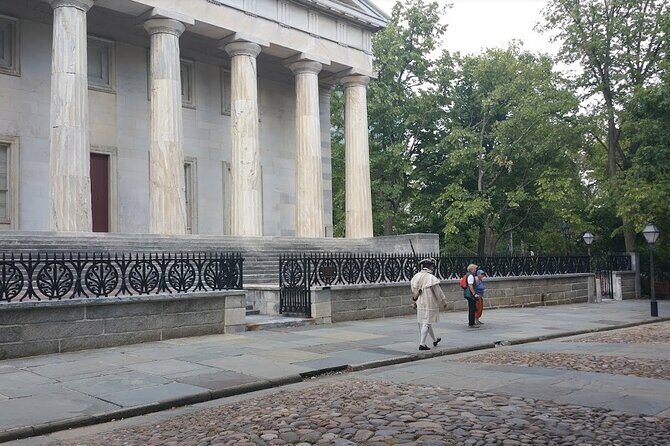
A similar external stop takes us to the Second Bank of the U.S., which carried similar ambitions but faced fierce opposition and eventual demise. These stops underscore the early struggles of establishing a stable currency, a theme that resonates even today amid modern debates over inflation.
Independence Hall
A walk past Independence Hall offers more than just the birthplace of American independence—it’s a symbol of the founding fathers’ vision for a republic. Here, the guide touches on the monetary principles embedded in the Constitution, such as the power to coin money and regulate commerce, framing the foundational ideas behind US currency.




US Mint
The external view of the US Mint introduces travelers to the process of coin production. This site links past minting practices to current monetary supply, emphasizing the importance of physical currency in American economic history. Though we won’t see inside, the guide explains how coins have been a symbol of trust and sovereignty through the centuries.
Benjamin Franklin’s Grave
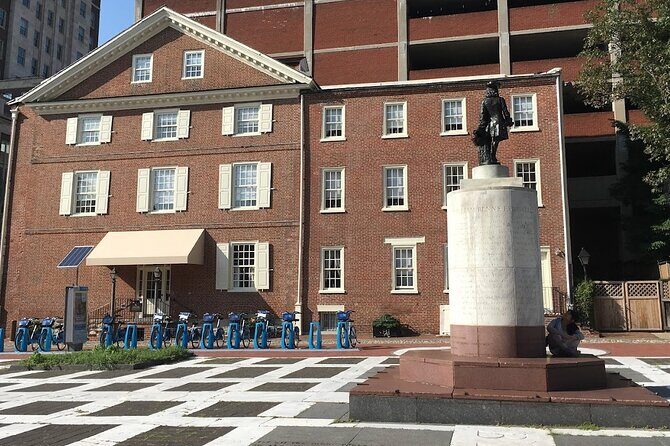
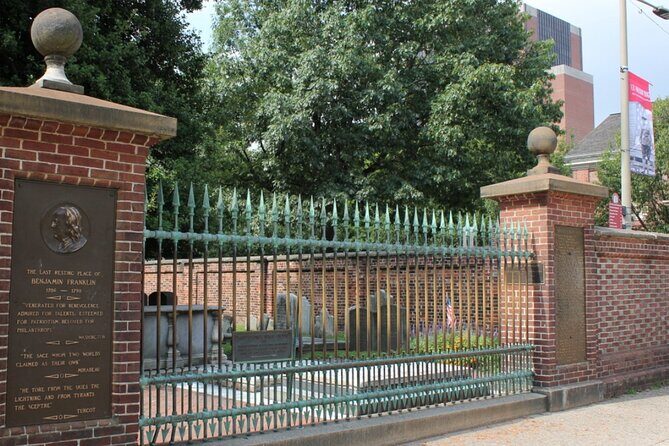
A brief stop at Franklin’s grave provides an opportunity to reflect on his contributions not only to American independence but also to the development of a trusted paper currency—like the famous “Continental Dollars.” Franklin’s role as a printer and financier ties into the larger narrative of how credibility and trust underpin monetary systems.
The National Constitution Center
The tour concludes with a 15-minute exterior visit to the US Constitution Center, connecting the constitutional roots of American finance. The guide highlights articles and clauses that give Congress the power to coin money and regulate its value, linking history directly to today’s debates over inflation and monetary policy.
Practical Considerations and Value
This tour is a great value for those who prefer a short, focused experience rather than multiple museum entrances. At just $29, you get a guided walk through some of Philadelphia’s most significant sites, with insightful commentary about the evolution of money and inflation. Since it’s an outdoor tour with a small group, it’s flexible, social, and avoids the hassle of large crowds or lengthy waits.
While you’ll only see the sites from outside, the guide’s storytelling compensates by offering meaningful context and connections—especially for anyone interested in how monetary history influences current economic challenges.
The timing—at 10:00 am—fits well into a morning itinerary, and the tour ending near the Liberty Bell and the National Constitution Center makes it easy to continue exploring Philadelphia afterward.
What Travelers Are Saying
While there are no formal reviews yet, the emphasis on “good value” and the guide’s passion for history suggests a positive experience. Expect an educational yet engaging narrative that’s tailored to a small group, making it more personal than a typical large bus tour.
Who Should Take This Tour?
This experience is best suited for history buffs, economics enthusiasts, or curious travelers who want a quick yet meaningful overview of how money has shaped American history. It’s perfect if you enjoy outdoor walking tours that are informative without requiring entry fees or extensive museum visits.
If you prefer inside access or a comprehensive museum experience, you might want to plan additional visits afterward. Otherwise, this tour offers a well-rounded, engaging, and budget-friendly introduction to Philadelphia’s role in America’s financial story.
The Sum Up
For just $29, this tour delivers a lively, well-structured overview of how money and inflation have influenced both Philadelphia and the United States. Its focus on historic sites from the outside keeps it accessible and straightforward, making it an excellent choice for travelers who want a bite-sized, educational experience.
The guide’s enthusiasm and the small group size create a more intimate atmosphere, perfect for asking questions and engaging with the story behind each landmark. This experience offers value for money by combining historic sightseeing with economic insights—ideal for curious minds wanting to connect the dots between history and modern finance.
If you’re looking for a thought-provoking, affordable tour that blends history, architecture, and economics, this is a solid pick. It’s especially suited for those who appreciate short tours with a meaningful narrative and want to learn how the foundations of today’s monetary system were laid in the early days of the republic.
A Complete History of Money and Inflation in the United States
FAQ
Do I need to pay for admission to any of the sites?
No, this tour only visits the exteriors of the listed sites, so no admission tickets are required or included.
How long does the tour last?
The tour lasts approximately 1 hour and 15 minutes, making it a quick yet rich experience.
Can I join if I have mobility issues?
Since the tour involves walking outside, travelers with mobility concerns should consider their comfort level, but it’s a relatively short walk with minimal stops.
Is the tour suitable for children?
Most travelers can participate, and the stories about money and history can be engaging for older children—though the focus is more historical and educational.
Is pickup offered?
Yes, pickup is available, though the meeting point is at 129 Sansom Walk, Philadelphia, which is near public transportation.
Will I be part of a large group?
No, this tour is limited to a maximum of 12 travelers, fostering a more personal experience.
Can I cancel if my plans change?
Yes, you can cancel up to 24 hours in advance for a full refund, providing flexibility for your trip planning.
This guide should help you decide whether this tour fits your interests and schedule, offering a practical, enjoyable way to connect Philadelphia’s historic landmarks with the story of American money.