Introduction
Exploring Colonial Williamsburg through a self-guided walking tour offers a different way to get under the skin of this historic town. Instead of just watching reenactments or wandering aimlessly, this tour aims to spark curiosity by digging into the stories that shaped the area—stories of revolution, labor, and overlooked voices.
It’s an excellent choice for travelers who want to see beyond the costumes and gain a more nuanced understanding of colonial life.
What we truly appreciate about this experience are its thought-provoking narratives and accessible format—you don’t need a guide to engage with history in a meaningful way. Plus, at just $9.99, it delivers good value for those interested in deeper stories without the hefty price tag of guided tours or paid admission to museums.
But a potential drawback? It’s entirely self-guided, so your experience depends on your interest level and motivation to explore independently.
This tour is perfect for history buffs, curious travelers, or anyone eager to see Williamsburg through a more critical lens. If you enjoy walking at your own pace and pondering the bigger questions of what it meant to inherit colonial legacies, this could be a highlight of your trip.
- Key Points
- An In-Depth Look at the Williamsburg Self-Guided Tour
- The Convenience of a Self-Guided Tour
- The Itinerary Breakdown
- What Travelers Are Saying
- Practical Details and Value
- Final Thoughts
- FAQ
- The Best Of Williamsburg!
- More Walking Tours in Williamsburg
- More Tours in Williamsburg
- More Tour Reviews in Williamsburg
Key Points


- Self-guided format offers flexibility and independence during your exploration.
- Affordable price point makes it accessible for most travelers.
- Focus on overlooked stories such as the experiences of the enslaved and displaced.
- Accessible offline with GPS-triggered audio means no cell service needed once downloaded.
- Authentic sites, including colonial landmarks and hidden stories behind icons like the Raleigh Tavern and the Brafferton.
- Reflective experience that encourages questions about memory, power, and legacy.

👉 See our pick of the You’ll Love These 9 Walking Tours In Williamsburg
An In-Depth Look at the Williamsburg Self-Guided Tour
You can also read our reviews of more walking tours in Williamsburg



The Convenience of a Self-Guided Tour
Priced at just $9.99 per person, this tour provides a flexible way to explore Williamsburg at your own pace. You simply download the app and tour map, and once set, you’re free to wander through historic sites without the constraints of scheduled group tours. It’s especially appealing because it works offline—no need for cell service, which often can be patchy in historic areas.
The tour uses GPS-triggered audio, so as you approach each site, a narration automatically plays—no fumbling with your phone or trying to read small signs. This makes it ideal for those who prefer a seamless, hands-free experience. And since the access is unlimited once purchased, you can revisit stops or spread your exploration over multiple days if you wish.
The Itinerary Breakdown
The tour takes you to some of Williamsburg’s most iconic spots, but with a focus on stories often overshadowed by the more touristy narratives.
Stop 1: Market Square
Starting at Market Square, located along Duke of Gloucester Street, sets the tone for your journey. Here, the tour highlights the square’s role as the lively heart of colonial commerce and community life. This spot is particularly great for first impressions—your eyes catch the colonial architecture and bustling atmosphere. We appreciate that this stop is free and lasts about 10 minutes, making it an easy start to your exploration.
Stop 2: Colonial Williamsburg Magazine
Next, you’ll visit the Powder Magazine, a modest octagonal structure with a surprisingly layered history. Historically, it stored gunpowder but also became a symbol of tension, as the stories of conflict, defense, and unrest are embedded in its walls. The narration encourages reflection on the complexities of colonial militia life—how defense intertwined with fears, politics, and power struggles.
The Raleigh Tavern and Colonial Justice
From there, the tour takes you into the Raleigh Tavern, once a hub of political discussion and sometimes defiance. This site was more than just a tavern; it was a meeting place for colonists who challenged the royal authority. The narration hints at the quiet but significant acts of dissent that brewed here—an inspiring reminder that rebellion often starts in informal conversations.
Moving to the Colonial Williamsburg jail, you see the stark simplicity of colonial justice. It’s a small building, but it stands as a reminder that beneath the lofty ideals of liberty, colonial authorities detained a range of individuals—pirates, petty thieves, and revolutionaries alike. A powerful visual cue about the contradictions woven into colonial governance.
The Grand Home and Prince George Street
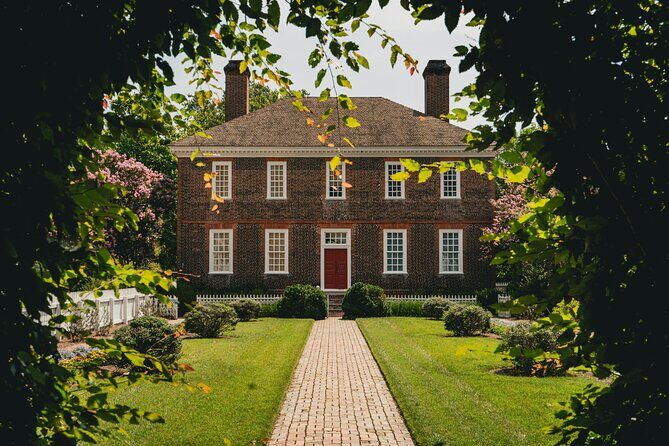
One of the tour’s highlights is the visit to a grand colonial home, which reflects the wealth and privilege of influential figures. Behind its refined façade lie untold stories of politics, privilege, and the realities of daily life for both the elite and the oppressed.
A brief walk along Prince George Street blends the old with the new—here, the charm of historic boutiques and cafes meets the stories of the past. It’s a lively area that offers a moment to relax and observe modern Williamsburg while contemplating its colonial roots.
The Brafferton
The Brafferton stands out as one of Williamsburg’s oldest buildings, originally serving as an Indian School. Its layered history—connected to Native American education and colonial expansion—provides a quieter but crucial perspective on colonial interactions with indigenous peoples. The tour narration emphasizes this often-overlooked chapter, making it an enriching stop for those interested in the broader context of colonialism.
Bruton Parish Church
Finally, Bruton Parish Episcopal Church remains a living place of worship, with a history stretching back over 300 years. Inside, you’ll see a beautifully preserved sanctuary that has hosted governors, revolutionaries, and everyday worshippers alike. It’s a fitting ending that reminds us how colonial institutions continue to serve communities today.
What Travelers Are Saying
While there are no formal reviews yet, the description emphasizes that this tour is “thoughtful and accessible,” appealing to those interested in deeper questions about colonial memory and legacy. It’s clear that the experience aims to be more than a surface tour, asking travelers to consider the stories we remember—and those we forget.
Practical Details and Value
For just under ten dollars, you receive an app, an audio guide, and unlimited usage, making this a cost-effective way to explore Williamsburg independently. Since children under 10 go free, it’s family-friendly, provided your kids are comfortable with walking and listening. The tour is suitable for most travelers, with minimal physical demands and flexible timings—you’re free to start when you like between 8 a.m. and 8 p.m.
The meeting point at Haunted Williamsburg makes it easy to incorporate this tour into your day, and the fact that it runs year-round provides flexibility for different travel schedules.
You can also read our reviews of more guided tours in Williamsburg






Final Thoughts
This self-guided tour of Williamsburg is a thoughtful, budget-friendly option for travelers eager to look beneath the surface of colonial history. Its focus on lesser-known stories and critical questions makes it stand out from more traditional reenactment-based tours. The narration’s emphasis on how history is remembered—and who is left out—encourages a more reflective visit.
It’s ideal for independent travelers, history enthusiasts, or families interested in a flexible way to explore Williamsburg’s complex past. The combination of authentic sites, engaging stories, and the ability to go at your own pace offers substantial value and a richer understanding of colonial America.
If you’re looking for a tour that challenges you to think about history’s contradictions and legacies, this is worth considering. For those who enjoy authentic, layered stories told at a human scale, it provides an experience that’s both educational and thought-provoking.
Colonial Contradictions Self Guided Walking Tour of Williamsburg
FAQ
Is this tour suitable for children?
Yes, children 10 and under are free, and the tour is generally accessible, but keep in mind the content is more suited for older kids who can engage with historical questions.
Do I need to bring anything?
You should bring your own smartphone to access the app. Once downloaded, the tour works offline, so no cell service is required during your walk.
How long does the tour take?
The tour is approximately 1 hour, but you can take more or less time depending on how much you stop, read, or reflect.
Does the tour include admission to sites?
No, it’s an independent narration; it does not include entrance fees to ticketed exhibits or buildings.
What are the start and end points?
It begins at Haunted Williamsburg, 102 W Duke of Gloucester St, and ends back at the same location.
Can I do this tour any day of the year?
Yes, the tour is available year-round from 8 a.m. to 8 p.m., making it flexible for your schedule.
Is this tour guided by a person?
No, it’s a self-guided experience delivered through an app, giving you total independence.
How is the tour delivered?
Via GPS-triggered audio on your smartphone, allowing for a seamless experience without the need for a guide.
What is the cost?
$9.99 per person, offering excellent value for an hour of engaging, self-paced exploration.
Are there any reviews yet?
As of now, there are no formal reviews, but the description suggests a meaningful, reflective experience that appeals to those interested in history’s deeper questions.
In summary, this Williamsburg self-guided tour offers a practical, meaningful way to explore the city’s colonial past, emphasizing stories that challenge traditional narratives. Perfect for independent travelers who value flexibility, depth, and authenticity, it can turn a simple walk into a thought-provoking experience—at a price that makes it easy to try.