
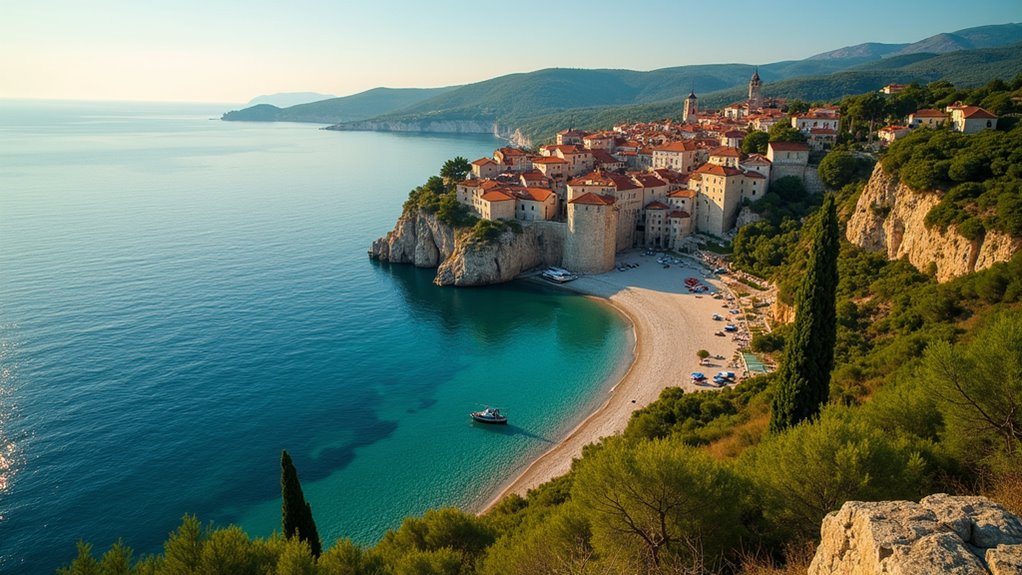
You’ve probably heard of Istria’s stunning coastline and medieval hilltop towns, but this Croatian peninsula holds secrets that most visitors never discover. Beyond the postcard-perfect views of Rovinj and Pula’s famous amphitheater, there’s a world of underground truffle forests, hidden safari parks, and ancient Roman ruins waiting just off the beaten path. Here’s how to experience Istria like a local—starting with adventures that’ll change how you see this remarkable corner of Europe.
- Explore Pula’s Roman Ruins Beyond the Famous Arena
- Take a Sunset Sea Kayak Tour From Poreč
- Wander Rovinj’s Old Town and Climb St. Euphemia’s Tower
- Hunt for Truffles in Motovun Forest During Autumn
- Island-Hop Through Brijuni National Park’s Safari Landscapes
- Cycle the Coastal Trails Between Funtana and Poreč
- Discover Hidden Coves at Kamenjak National Park
- Taste Award-Winning Olive Oils in Pula’s Museum District
- Experience Vrsar’s Casanovafest in Late June
- Hike Učka Nature Park for Panoramic Istrian Views
- The Sum Up
Explore Pula’s Roman Ruins Beyond the Famous Arena
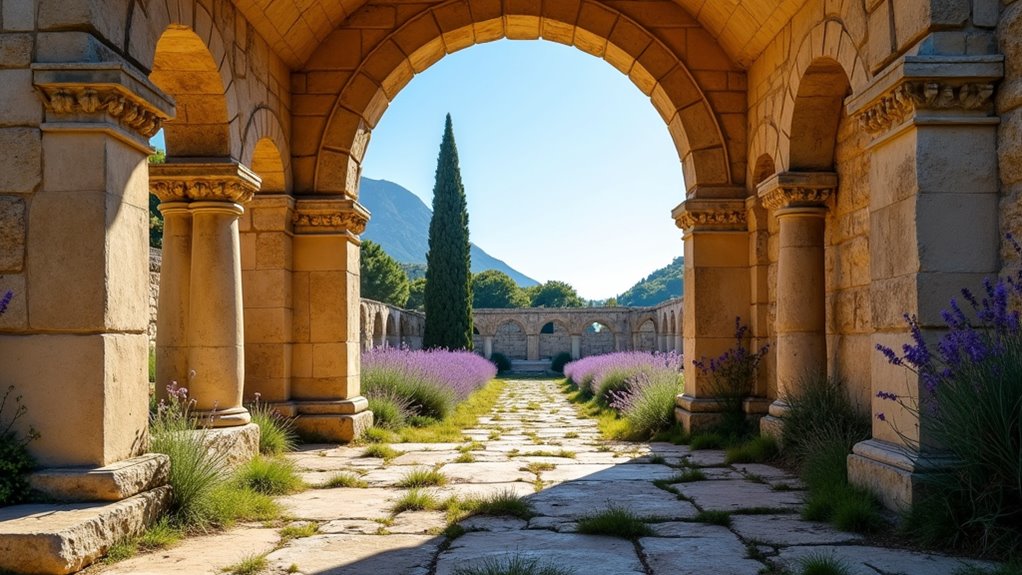
While Pula’s magnificent amphitheater draws most visitors to this Croatian coastal city, you’ll discover an entire network of Roman ruins that tells a much richer story of ancient life. Start at Forum Square, where you’ll find the Temple of Augustus housing Roman sculptures and artifacts.
Walk through the beautifully preserved Arch of the Sergii, showcasing Roman commemorative sculpture from the 1st century BC. Don’t miss the Gate of Hercules, Pula’s oldest Roman entrance featuring detailed carvings.
Explore Agrippina’s House remnants to glimpse residential life from 2,000 years ago. The Small Roman Theater offers insight into dramatic performances distinct from gladiatorial entertainment.
These interconnected sites reveal Roman urban planning principles still visible in Pula’s modern streets. The arena itself was constructed from local limestone and features underground passages that now house exhibitions on the region’s ancient viticulture and olive growing traditions.
Take a Sunset Sea Kayak Tour From Poreč
After exploring ancient Roman history on foot, you’ll want to experience Istria’s coastline from an entirely different perspective. Book a sunset sea kayak tour from Peškera Bay in Poreč for an unforgettable water-level view of the town’s historic architecture.
You’ll paddle past the 6th-century Euphrasian Basilica, a UNESCO World Heritage Site, while your guide shares stories about Poreč’s Roman origins dating to 129 B.C.
Pack swimwear, sunscreen, a hat, and at least one liter of water. The tour’s family-friendly (minimum age 4) and requires no prior kayaking experience. Book 48 hours ahead for free cancellation.
If you’re lucky, you might spot dolphins swimming nearby. The 3-hour duration makes this adventure perfect for visitors wanting to experience both history and nature without committing an entire day. The combination of Croatia’s spectacular sunsets, crystal-clear Adriatic waters, and ancient coastal views creates perfect photo opportunities.
Wander Rovinj’s Old Town and Climb St. Euphemia’s Tower
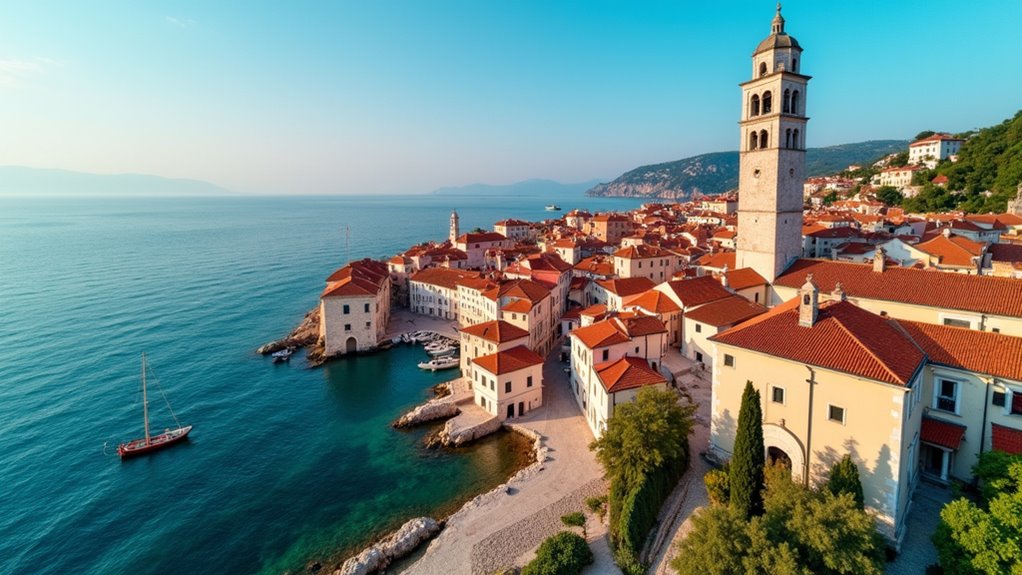
Once you’ve experienced Istria from the water, it’s time to explore one of Croatia’s most enchanting coastal towns on foot. Rovinj’s Old Town beckons with its maze of narrow cobblestone streets and colorful medieval architecture.
Enter through the iconic Balbi Arch, built in 1678 with Venetian lion symbolism, then wander up Grisia Street past artisan galleries toward the magnificent Basilica of St. Euphemia.
Don’t miss climbing the baroque bell tower—Istria’s largest church offers panoramic views over the Adriatic for a small fee. The copper statue of St. Euphemia has crowned this skyline since 1758.
Explore Carera Street’s shops and cafes, then stroll the waterfront harbor where fishing boats dock beside seafood restaurants, perfectly capturing Rovinj’s maritime heritage. This charming town traces its roots back to the 7th century BC, making every cobblestone a piece of ancient history.
Hunt for Truffles in Motovun Forest During Autumn
Beyond Rovinj’s coastal charms, Istria’s inland treasures await in the medieval hilltop town of Motovun, where autumn transforms the surrounding forest into a truffle hunter’s paradise.
From late September through December, you’ll join specially trained dogs in searching for prized white truffles beneath oak, hornbeam, and hazelnut trees.
The moist, gray soil near the Mirna River creates perfect conditions for truffle growth, while increased humidity makes their scent easier for dogs to detect.
You’ll spend several hours carefully digging up these delicate treasures—some white truffles require up to 4.5 hours of patient excavation. The Lagotto Romagnolo, an Italian water dog breed, is considered the premier choice for truffle hunting due to their exceptional abilities.
Family-run operations like Karlić Tartufi offer guided hunts starting from villages like Paladini, followed by tastings of truffle-infused cheese, oils, and local specialties that showcase your hard-earned discoveries.
Island-Hop Through Brijuni National Park’s Safari Landscapes
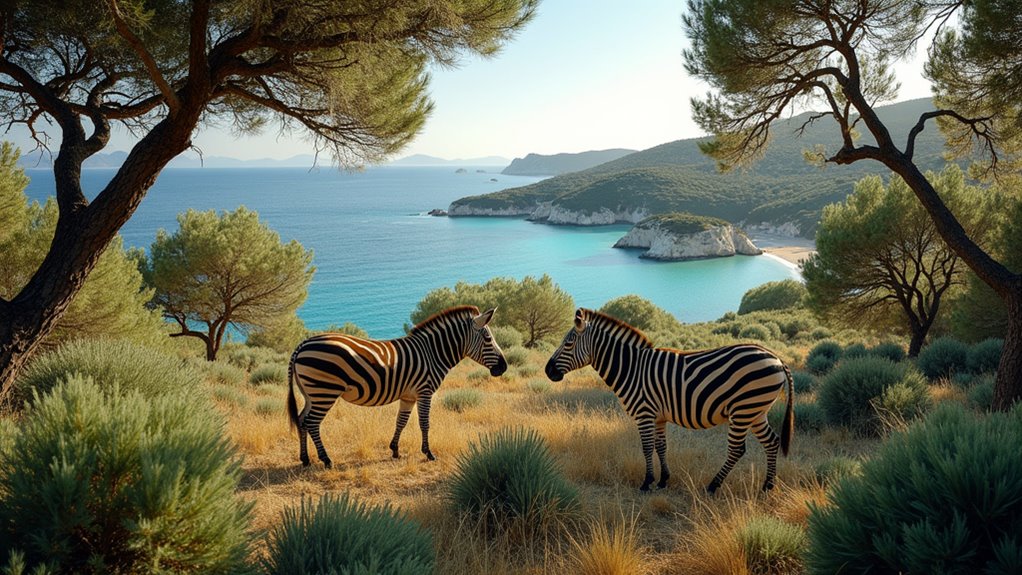
Where else can you spot zebras grazing alongside ancient Roman ruins while dolphins dance in the crystalline waters below? Brijuni National Park offers this surreal experience across its 14 Adriatic islands.
You’ll pay around €30 for ferry access from Fažana or Pula, with guided tours costing €35 including land train rides.
The 9-hectare Safari Park on Veliki Brijun delivers a “Jurassic Park” adventure, housing llamas, zebras, and exotic species from three continents.
You can explore via golf cart (driving license required) or guided land train during 10-15 minute tours.
Don’t miss the boat excursions between islands—you’ve got over 90% chances of dolphin sightings.
Sunset tours from Fažana last 1.5-2 hours, perfect for photography. The park also features an ancient olive tree that’s over 1600 years old and still produces about 4kg of olive oil annually.
The crystal-clear waters also offer excellent snorkeling opportunities around smaller islands like St. Jerolim.
Cycle the Coastal Trails Between Funtana and Poreč
While most coastal cycling routes demand serious hill-climbing skills, the 20-kilometer trail connecting Funtana and Poreč delivers stunning Adriatic views without punishing your legs.
You’ll pedal mostly asphalted secondary roads with light traffic, tackling mild 400-500 meter elevation gains that intermediate cyclists complete in 1.5-2 hours.
The route showcases traditional Istrian stone architecture, cultivated vineyards, and panoramic sea views toward nearby islands.
You’ll pass through colorful coastal settlements while enjoying glimpses of olive groves and Mediterranean landscapes.
Since there aren’t dedicated bike lanes, stay alert for occasional vehicles on narrow sections.
Local drivers typically maintain proper overtaking distance.
Both towns offer bike rentals, repair shops, and excellent connectivity to other Istrian cycling routes, making this perfect for multi-day touring adventures. The journey features steady elevation changes followed by a challenging uphill section that rewards cyclists with an exhilarating descent.
Discover Hidden Coves at Kamenjak National Park
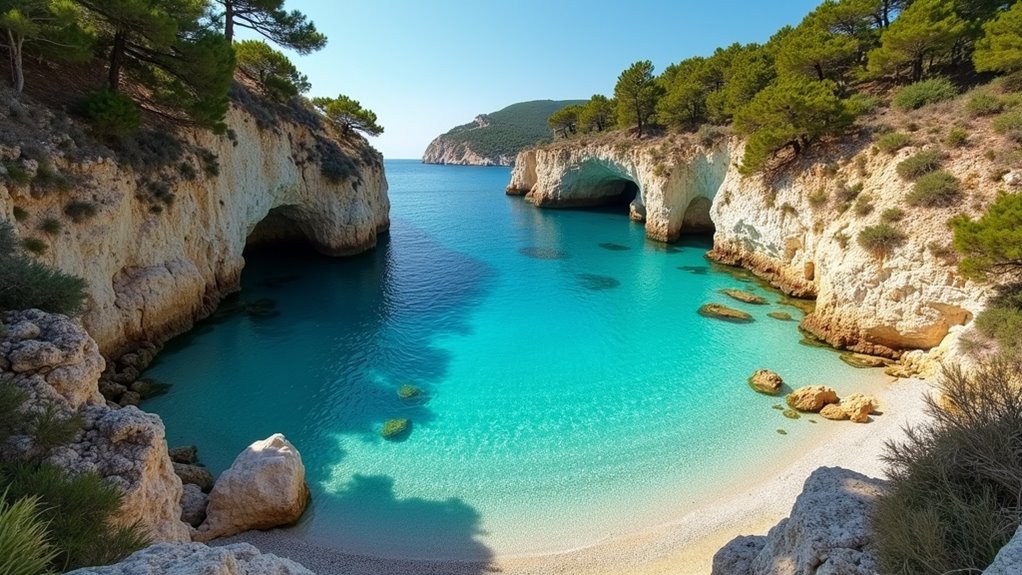
After exploring Istria’s cycling routes, you’ll want to experience the peninsula’s most pristine coastline at Kamenjak National Park. Located at Istria’s southern tip near Premantura, this protected area features over 20 beaches and countless secluded coves scattered across 30 kilometers of rugged limestone coastline.
You’ll find standout spots like Mala Kolombarica for cliff jumping, romantic Plovanije with its pebble shores and pine backdrop, and family-friendly Pinižule Bay with shallow waters. Most coves require hiking to reach, so pack water shoes for rocky surfaces. The crystal-clear turquoise waters offer excellent snorkeling and kayaking opportunities.
For refreshments, Safari Bar sits near popular swimming spots, while Njive cove combines seclusion with amenities. The park also features a fascinating Dinosaur Trail where visitors can observe fossilized dinosaur footprints from the Triassic period. Visit during off-peak seasons for ultimate privacy at remote locations like Sv. Mikule Dražica.
Taste Award-Winning Olive Oils in Pula’s Museum District
Since you’ll already be in Pula exploring its Roman heritage, you can’t miss the House of Istrian Olive Oil tucked away in the city’s Museum District near the famous Amphitheatre.
This 560-square-meter space combines fascinating exhibits tracing olive cultivation from Roman times with hands-on tasting experiences that’ll transform how you think about olive oil.
You’ll start with a self-guided tour using multilingual audio guides, learning about traditional and modern production methods.
Then comes the real treat – expert-led tastings where you’ll sample premium Istrian oils alongside supermarket varieties, discovering the dramatic differences in aroma, taste, and texture.
The “Platinum Experience” pairs award-winning oils with local wines and charcuterie.
Don’t leave without browsing their extensive gift shop featuring single-varietal oils and truffle products. The museum has earned exceptional praise with 644 reviews averaging 4.7 out of 5 stars, making it one of Pula’s most recommended culinary experiences.
Experience Vrsar’s Casanovafest in Late June
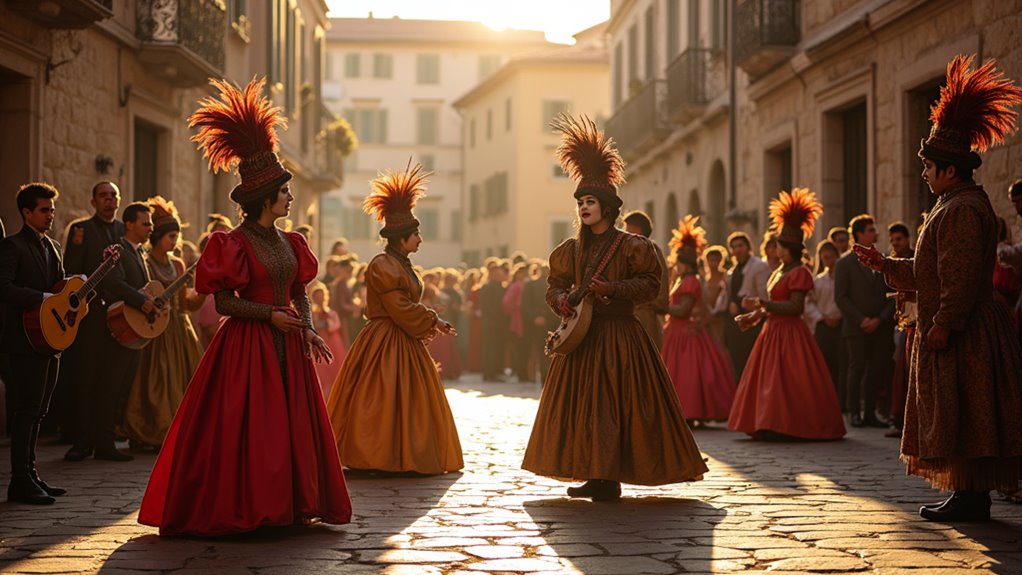
If you’re visiting Istria in late June, you’ll discover one of the peninsula’s most intriguing cultural celebrations in the coastal town of Vrsar. Casanovafest honors the legendary Giacomo Casanova, who visited this picturesque town twice in the 1740s, drawn by its reputation for fine wine, food, and romance.
You’ll experience three days of performances, exhibitions, and workshops exploring themes of love and eroticism through theater, music, and literature. Interactive Casanova tours guide you through the historic waterfront and romantic viewpoints where he once wandered.
Wine tastings featuring local varieties like Refošk complement the cultural programming. The festival draws inspiration from nearby Coversada naturist camp, Europe’s first and largest naturist resort established in 1961.
Located 10km south of Poreč, Vrsar’s Venetian architecture and Adriatic views create an atmospheric backdrop. Book accommodations early, as this unique festival celebrating romance and sensuality attracts couples and culture enthusiasts from across Europe.
Hike Učka Nature Park for Panoramic Istrian Views
While coastal celebrations like Casanovafest showcase Istria’s cultural charm, the peninsula’s mountainous interior offers equally rewarding experiences for outdoor enthusiasts.
You’ll find Učka Nature Park‘s 160 km² landscape perfect for hiking, with trails ranging from easy family routes to challenging mountain ascents.
The Vojak Trail delivers the ultimate payoff—360-degree panoramic views from Istria’s highest peak at 1,401 meters. You’ll see Istrian hills, Rijeka Bay, and northern Adriatic islands from the historic 1911 stone tower.
For easier options, try the family-friendly Slap Trail to waterfalls or educational Plas Trail showcasing endemic plants and rare fauna.
Start at Visitor Centre Poklon for maps and guides. The park’s diverse ecosystem supports the majestic griffon vulture, making wildlife spotting an additional reward for hikers.
Remember to carry water since no sources exist on trails.
Most hikes take 2-5 hours depending on your chosen route.
The Sum Up
You’ve got endless possibilities waiting in Istria—from paddling crystal-clear waters at sunset to hunting precious truffles in ancient forests. Don’t rush through everything; pick three or four experiences that truly speak to you. Book your truffle hunt and Casanovafest tickets early since they’re seasonal. Pack comfortable hiking shoes and bring your appetite for both adventure and incredible local flavors. Istria’s magic lies in savoring each moment, so take your time exploring.