
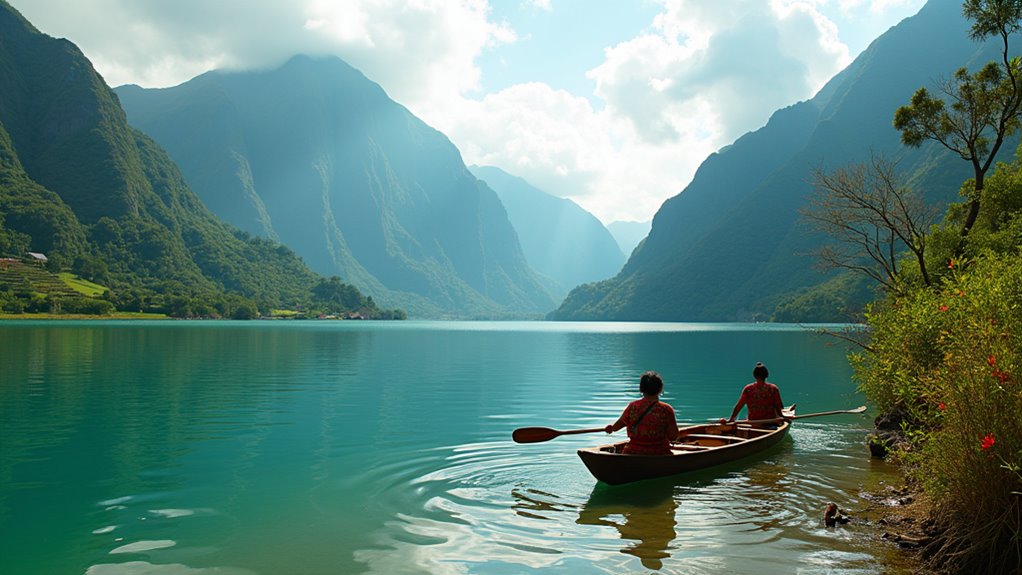
You’ll find Lake Atitlán’s best experiences range from pre-dawn hikes to Indian Nose for sunrise volcano views to kayaking calm morning waters before afternoon winds arrive. Explore San Pedro’s vibrant backpacker scene, unwind at San Marcos’ yoga retreats, and tour coffee cooperatives in San Juan La Laguna. Adventure seekers can paraglide over the caldera, zipline through Reserva Natural Atitlán, or discover quieter volcano vistas from Santa Cruz’s colorful hillsides. The complete experience awaits your discovery.
- Catch the Sunrise From Indian Nose With a Pre-Dawn Hike
- Explore the Backpacker Hub of San Pedro La Laguna for Nightlife and Spanish Schools
- Unwind at San Marcos La Laguna’s Yoga Retreats and Wellness Centers
- Kayak the Calm Morning Waters Before Afternoon Winds Pick up
- Tour Coffee Cooperatives and Weaving Collectives in San Juan La Laguna
- Swim and Cliff Jump at Cerro Tzankujil Nature Reserve’s Safe Swimming Spots
- Soar Over the Lake on a Paragliding Tandem Flight From Above Panajachel
- Navigate the Ziplines and Suspension Bridges at Reserva Natural Atitlán
- Take Cooking Classes Using Fresh Market Ingredients in Panajachel
- Discover the Quieter Volcano Views From Santa Cruz and Jaibalito’s Steep Hillsides
- The Sum Up
Catch the Sunrise From Indian Nose With a Pre-Dawn Hike
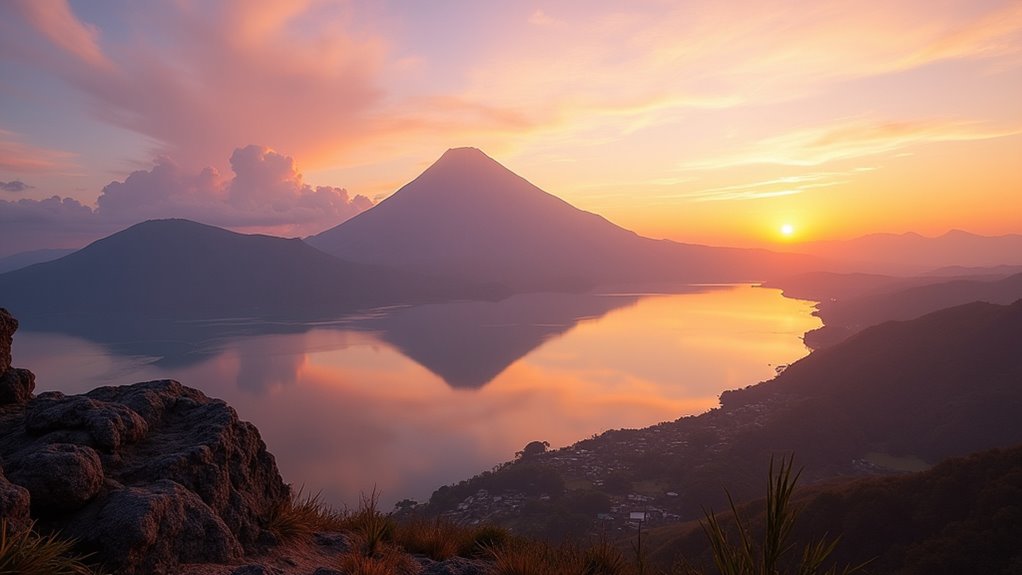
If you’re seeking Lake Atitlán’s most iconic experience, you’ll want to tackle the pre-dawn hike to Indian Nose for sunrise—a ritual that transforms early risers into devoted advocates.
You’ll choose between two routes: the shorter Santa Clara trail (2.7km return, 45 minutes) or the challenging San Juan route (7.9km return, 2+ hours). Most tours start around 4:00am, giving you time to reach the summit by 6:00-6:35am.
From the western shore viewpoint, you’ll witness Lake Atitlán’s transformation as town lights fade and volcanoes San Pedro, Atitlán, and Tolimán emerge in golden light. The peak gets its name from its distinctive shape that resembles a reclined face when viewed from the lake below.
On clear mornings, you might spot Fuego’s eruptions glowing on the horizon.
Guided tours cost around 100 GTQ and include transport—worth it for navigation and safety in pre-dawn darkness.
Explore the Backpacker Hub of San Pedro La Laguna for Nightlife and Spanish Schools
After witnessing dawn’s spectacular show, you’ll find San Pedro La Laguna offers Lake Atitlán’s most vibrant nightlife and largest concentration of Spanish schools—making it the undisputed backpacker capital around the lake.
The lakeside “gringo strip” buzzes with hostel bars offering cheap beer, live music, and late-night dancing that extends into early morning hours. Weekends get considerably louder than weeknights, so plan accordingly.
Beyond partying, San Pedro hosts over a dozen Spanish schools with competitive pricing and homestay options with local Tz’utujil families. You can study mornings and party evenings, though be mindful that the drinking culture creates tension with locals who prefer higher-spending, culturally respectful visitors.
The upper town maintains traditional life while the lakeside caters to budget travelers. When moving between towns for activities, remember that boat transportation typically stops around 6 PM, so plan your return journey accordingly.
Unwind at San Marcos La Laguna’s Yoga Retreats and Wellness Centers
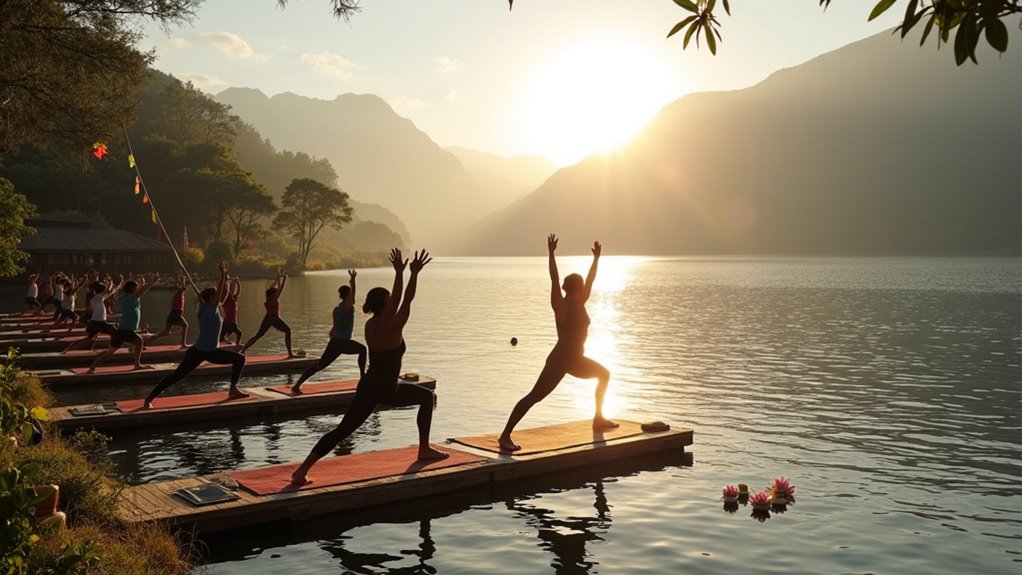
While San Pedro pulses with backpacker energy, San Marcos La Laguna offers Lake Atitlán’s most concentrated yoga and wellness scene—transforming this quiet village into Guatemala’s premier spiritual retreat destination.
You’ll find daily drop-in classes spanning vinyasa, hatha, yin, and aerial yoga at venues like Eagle’s Nest and Kawoq Forest. Book multi-day retreats ranging from weekend resets to month-long teacher trainings, all set on open-air platforms overlooking the lake and volcanoes.
Kawoq Forest delivers eco-luxury wellness experiences above the village, while Eagle’s Nest hosts ecstatic dance and acro yoga sessions.
Complement your practice with sound healing, cacao ceremonies, and therapeutic massage at centers like Shamana Healing Center. Many retreats offer integration support to help you process and maintain your wellness breakthroughs long after returning home.
The pedestrian village core creates a tranquil atmosphere perfect for digital nomads and retreat participants seeking authentic spiritual immersion.
Kayak the Calm Morning Waters Before Afternoon Winds Pick up
Beyond the wellness activities that draw visitors to San Marcos, Lake Atitlán’s pristine waters offer their own form of meditation through early morning kayaking sessions. You’ll want to launch between sunrise and 9 a.m. when the lake’s glassy surface creates perfect paddling conditions.
The afternoon Xocomil winds build from mid-morning, transforming calm waters into choppy swells that make kayaking dangerous for inexperienced paddlers.
Popular routes include Panajachel to Santa Cruz La Laguna, where dramatic cliffs and quiet bays await exploration. Santa Cruz offers excellent launch points with clean water and designated paddle zones away from boat traffic. Expect to pay around $10 for your first hour.
During rainy season (May-October), stick to strict morning schedules since afternoon thunderstorms create hazardous conditions. November through February provides the most consistent calm-water opportunities. For a shorter adventure, paddle east from Panajachel to Los Salpores Beach, perfect for swimming and relaxing onshore.
Tour Coffee Cooperatives and Weaving Collectives in San Juan La Laguna
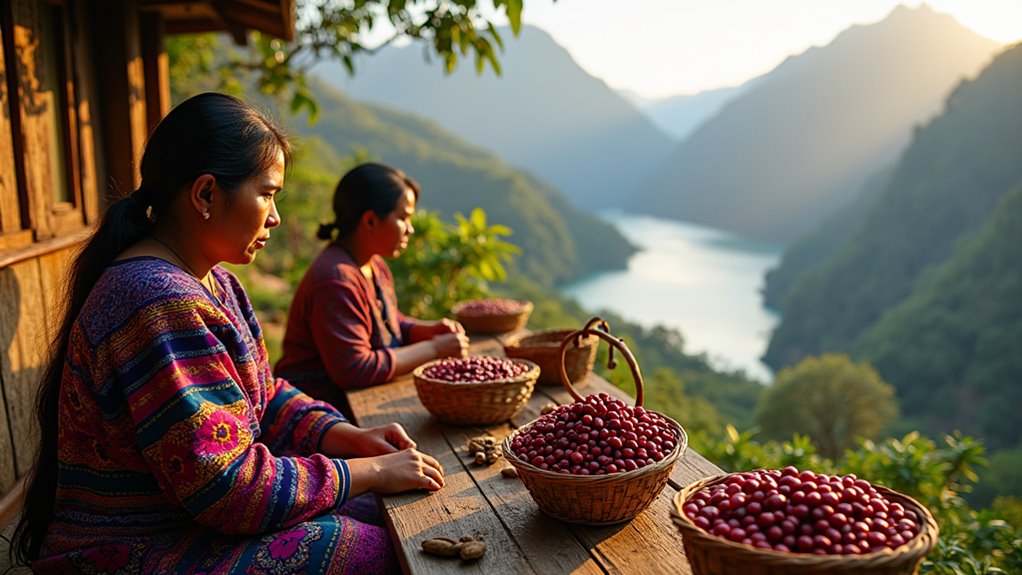
When you’re ready to explore San Juan La Laguna‘s cultural heart, the town’s coffee cooperatives and weaving collectives offer an authentic glimpse into Tz’utujil Maya traditions that have sustained this lakeside community for generations. Join La Voz Que Clama en el Desierto cooperative’s tour, where you’ll walk steep volcanic slopes through shade-grown organic Arabica plantations, witness the complete wet-processing cycle from cherry to cup, and taste freshly roasted coffee at their on-site café.
Combine this with women’s textile cooperatives showcasing backstrap-loom weaving and natural dye techniques using local plants and tree bark. These integrated tours directly support 160+ farmers and numerous female artisans, with fair-trade premiums funding community education and infrastructure projects while preserving indigenous knowledge. The cooperative’s coffee exhibits tasting notes of milk chocolate, citrus, and green apple, creating a distinctive flavor profile that reflects the unique volcanic terroir of Lake Atitlán.
Swim and Cliff Jump at Cerro Tzankujil Nature Reserve’s Safe Swimming Spots
After enjoying San Juan La Laguna’s cultural traditions, Cerro Tzankujil Nature Reserve on Lake Atitlán’s north shore offers the perfect counterpoint—crystal-clear swimming waters and adrenaline-pumping cliff jumps in one of the lake’s safest aquatic playgrounds.
You’ll pay Q15-Q20 entrance to access this vehicle-free paradise west of San Marcos La Laguna. The star attraction is “la trampolina”—a purpose-built platform offering 7-meter jumps into deep water, plus smaller 1-3 meter rock jumps for beginners. Multiple entry points with rock steps accommodate casual swimmers and children.
Arrive early for calmer morning conditions and fewer crowds. The hilltop mirador provides stunning volcano views, while quiet coves offer peaceful swimming away from the main jumping action. For the ultimate thrill, brave souls can attempt the 12-metre high trampolina jump, though proper form with crossed limbs is essential to avoid injury. Remember—no lifeguards operate here, so jump responsibly.
Soar Over the Lake on a Paragliding Tandem Flight From Above Panajachel
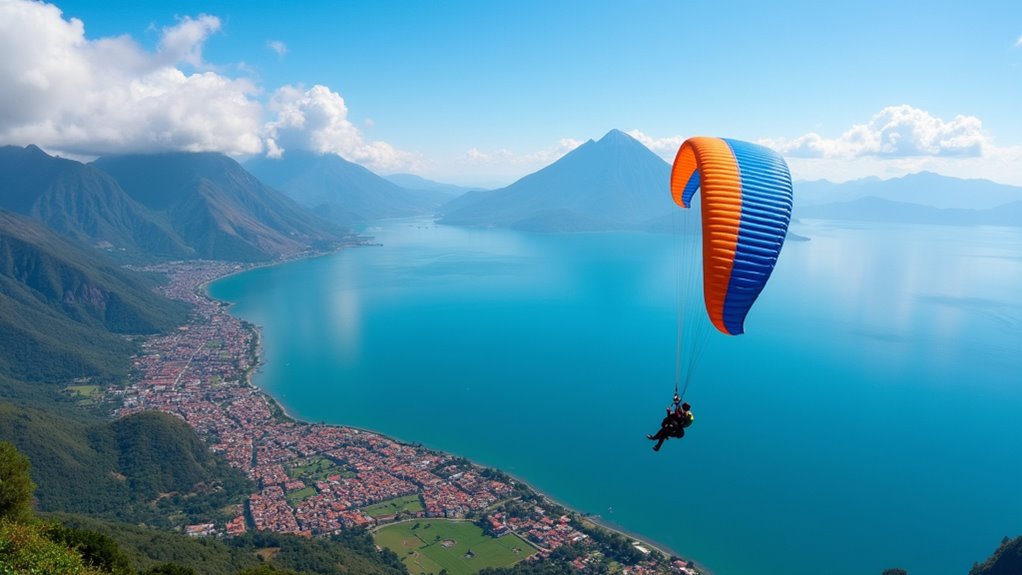
While cliff jumping delivers instant thrills at water level, paragliding from the ridges above Panajachel transforms Lake Atitlán into a breathtaking aerial theater where you’ll soar 500 meters above the caldera’s sparkling waters.
Professional operators like Real World Paragliding and Entre Nubes offer tandem flights with certified pilots, providing 20-45 minutes of smooth flying showcasing panoramic views of San Pedro, Atitlán, and Tolimán volcanoes.
Expect around USD 100 per person with equipment included, but book flexibly—flights depend heavily on wind conditions and typically launch after 11:00 AM. These thrilling aerial views complement other Lake Atitlán adventures like mountain biking tours that circle the shoreline below.
You’ll need basic mobility for takeoff running and must weigh under 90 kg. No experience required, though operators emphasize weather-based safety decisions that may delay or reschedule your flight.
Navigate the Ziplines and Suspension Bridges at Reserva Natural Atitlán
Though adrenaline seekers often gravitate toward Lake Atitlán’s water activities, Reserva Natural Atitlán’s zipline network delivers the region’s most extensive canopy adventure with eight cables spanning 1,300 meters across dramatic valleys and coffee plantations.
You’ll choose between X-Tremos (90 minutes) or Ultra X-Tremos (110 minutes) circuits, with individual lines reaching 320 meters long and soaring 60 meters above ground.
The approach requires moderate fitness—expect 450-900 meter uphill hikes through deciduous forest and ancient bridle trails.
Your reward includes panoramic views of volcanoes San Pedro and Tolimán while crossing the San Buenaventura valley. The zipline reaches heights of 196 feet, offering an adrenaline rush and spectacular vantage points over the surrounding landscape.
Between ziplines, you’ll navigate extensive suspension bridges offering waterfall views and wildlife spotting opportunities.
All equipment meets US and European safety standards, with trained guides accompanying every ride.
Take Cooking Classes Using Fresh Market Ingredients in Panajachel
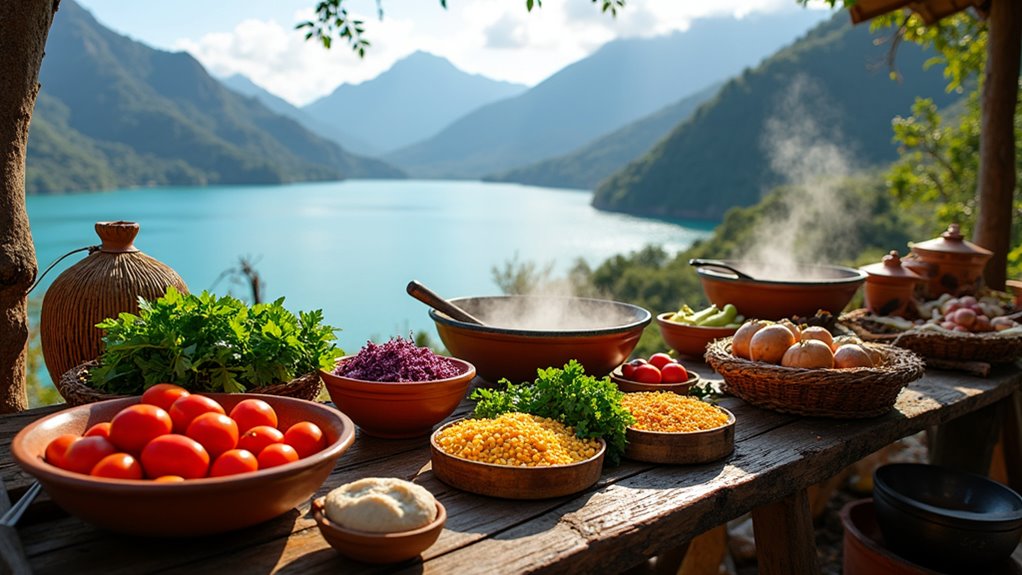
When you’ve explored enough of Lake Atitlán’s natural wonders, Panajachel’s Maya cooking classes offer an authentic culture that begins at the bustling public market and ends with a traditional feast you’ve prepared yourself.
These four-hour sessions cost around $49.50 per person and cap groups at eight participants for personalized instruction.
You’ll start by selecting fresh corn masa, chiles, pumpkin seeds, and seasonal vegetables from local vendors before learning to prepare pepian—Guatemala’s most complex traditional stew featuring thirteen ingredients.
Classes also include tamalitos made from fresh masa and Mayan desserts like rellenos de plátano.
Choose morning (9:00-13:00) or afternoon (15:00-19:00) sessions that accommodate all skill levels. The experience culminates with enjoying your meal against the scenic backdrop of Lake Atitlán and surrounding volcanoes.
These community-supported programs provide cultural education about Kaqchikel traditions while supporting local families through social enterprise initiatives.
Discover the Quieter Volcano Views From Santa Cruz and Jaibalito’s Steep Hillsides
As tourist boats bypass these lesser-known lakeside villages, Santa Cruz la Laguna and Jaibalito offer unobstructed panoramic views of all three volcanoes without the crowds that pack San Pedro and Panajachel. You’ll find Santa Cruz’s steep hillsides dotted with colorful street art and elevated viewpoints perfect for volcano photography. Take a tuk-tuk from the dock to reach the main town perched above the lakefront.
Jaibalito’s cliffside hotels like Casa Del Mundo ($37/night) provide front-row volcano views from private balconies, though expect many stairs. For easier access, choose Vulcano Lodge’s garden setting. Both villages serve as launching points for kayaking ($8/hour) and hiking the Lower Mayan Trail, which connects these peaceful communities while maintaining constant lake vistas. Since boat service ceases in the evening, plan your return trip to Jaibalito accordingly or arrange overnight accommodation.
The Sum Up
You’ve got nine incredible experiences waiting at Guatemala’s crown jewel. Don’t try cramming everything into a rushed weekend—you’ll miss the lake’s magic. Plan at least five days to properly soak in the sunrise hikes, coffee tours, and wellness retreats. Book accommodations early during peak season, and always carry cash since ATMs are scarce in smaller villages. Trust me, once you’ve experienced Atitlán’s mystical energy, you’ll understand why locals consider it sacred.