If you’re considering a journey into Ghana’s complex history intertwined with the legacy of the transatlantic slave trade, this tour offers a compelling mix of culture and historical insight.
It’s not just about ticking off popular sights but about truly engaging with the stories of resilience, identity, and freedom that echo through these sites. Based on reviews and detailed descriptions, it promises an experience that’s both respectful and eye-opening.
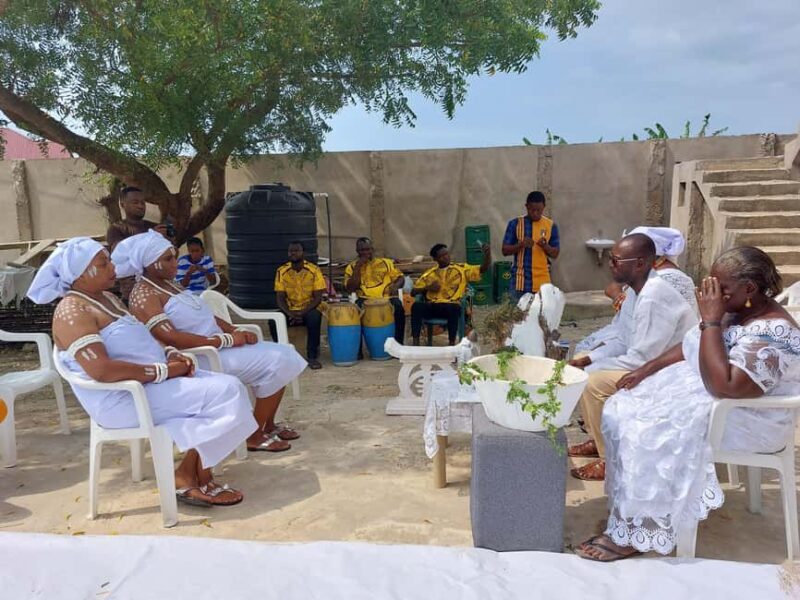
What we love about this experience is how it combines authentic cultural rituals, like the Akan Naming Ceremony, with visits to world-famous sites such as Cape Coast Castle and Assin Manso. The ceremony itself—adorned in traditional dress and receiving a Ghanaian name—is a rare, tangible connection to Ghanaian customs.
Plus, the historical sites offer a visceral reminder of the brutal realities of slavery, with emotional sites like the last bath river and the Door of No Return.
One potential consideration is the length of the day; it’s a full and emotionally intense trip, so travelers should be prepared for a physically active day with significant historical weight. This tour is perfect for those eager to understand Ghana beyond its beaches and markets—people who value genuine cultural experiences and want to connect with African roots.
If you’re someone interested in history, culture, or ancestry, or simply want a meaningful day out of Accra that balances education with personal reflection, this tour should suit you well.
This experience made our article of The 16 Top Tours & Things To Do In Cape Coast: Which Is Best?.
- Key Points
- A Full Breakdown of the Experience
- Starting the Day: From Accra to Assin Manso
- The Assin Manso Slave River Site: Where History Meets Ceremony
- Visiting the Historical Site and Learning Its Significance
- Moving to Cape Coast Castle: A Key Piece of History
- Guided Tour Highlights: What You’ll See and Learn
- Reflecting on the Day: Return to Accra
- Analyzing the Value
- Practical Tips for Travelers
- Who Should Consider This Tour?
- FAQ
- The Best Of Cape Coast!
- More Tours in Cape Coast
- More Tour Reviews in Cape Coast
Key Points
- Authentic Akan Naming Ceremony: Receive a Ghanaian name based on your birth day, along with a certificate—an immersive cultural experience.
- Historical Sites: Visit the last bath river at Assin Manso and learn about the last moments of enslaved Africans before they were taken across the Atlantic.
- Cape Coast Castle: Explore one of West Africa’s most significant castles, including the dungeons and the famous Door of No Return.
- Emotional Impact: The sites evoke profound reflection on the slave trade and Ghana’s role in this history.
- Value for the Price: At $450, the tour offers a comprehensive day that includes transportation, guided insights, the naming ceremony, and site visits—value that many will find worthwhile.
- Suitability: Best for travelers interested in culture, history buffs, and those wanting a deeper understanding of Ghanaian identity and resilience.
👉 See our pick of the The 16 Top Tours & Things To Do In Cape Coast: Which Is Best?
A Full Breakdown of the Experience
You can also read our reviews of more tours and experiences in Cape Coast.
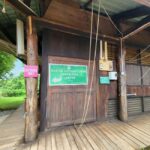
Starting the Day: From Accra to Assin Manso
Your journey begins with a pickup from your hotel in Accra, making the morning smooth and hassle-free. The drive to Assin Manso, about a few hours away, offers a chance to settle in and get a preview of Ghana’s rural landscape. The transportation is included, and with a live guide, you’ll gain background context along the way—an opportunity to ask questions and clarify historical details.
The Assin Manso Slave River Site: Where History Meets Ceremony
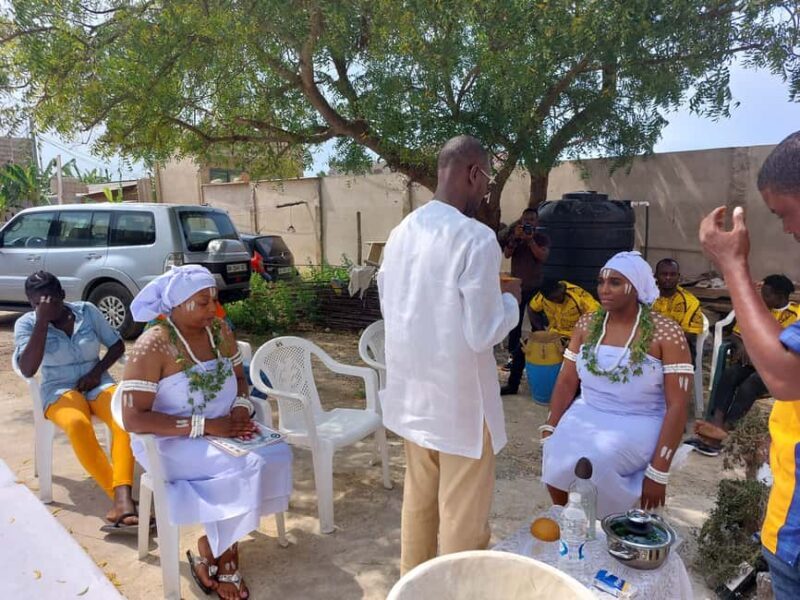
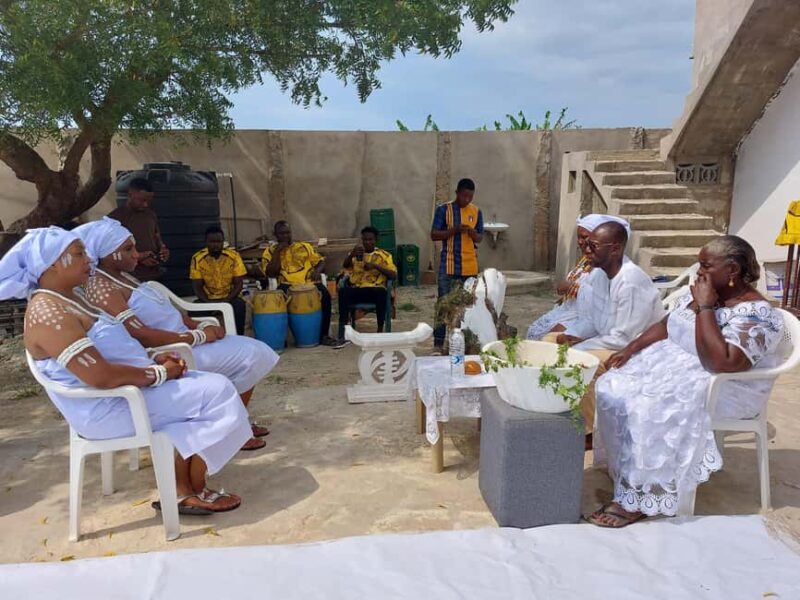
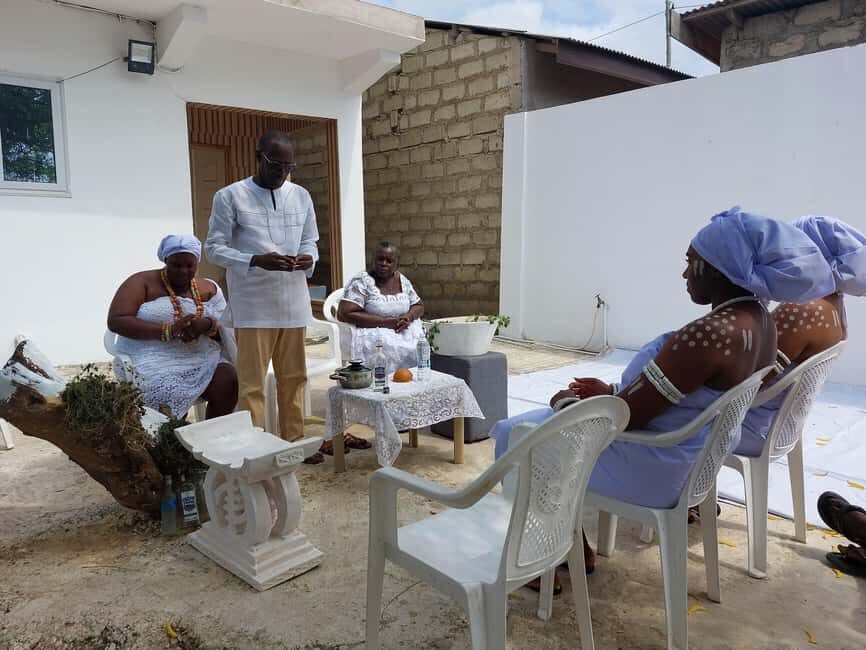
This spot is undoubtedly the emotional heart of the day. Here, you’ll participate in a traditional Akan Naming Ceremony, a practice rooted in the importance of names in Ghanaian culture. The ceremony involves dressing in traditional attire, which adds a layer of respect and authenticity. You’ll be named according to your birth day, a Ghanaian custom that links your identity to your personality and purpose.
Reviews highlight how meaningful this experience is—one traveler noted, “Getting named in accordance with my birth day made me feel connected not just to Ghana but to my ancestors.” As part of the ceremony, you’ll receive a certificate and paraphernalia, making the experience tangible and memorable.
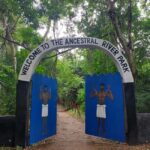
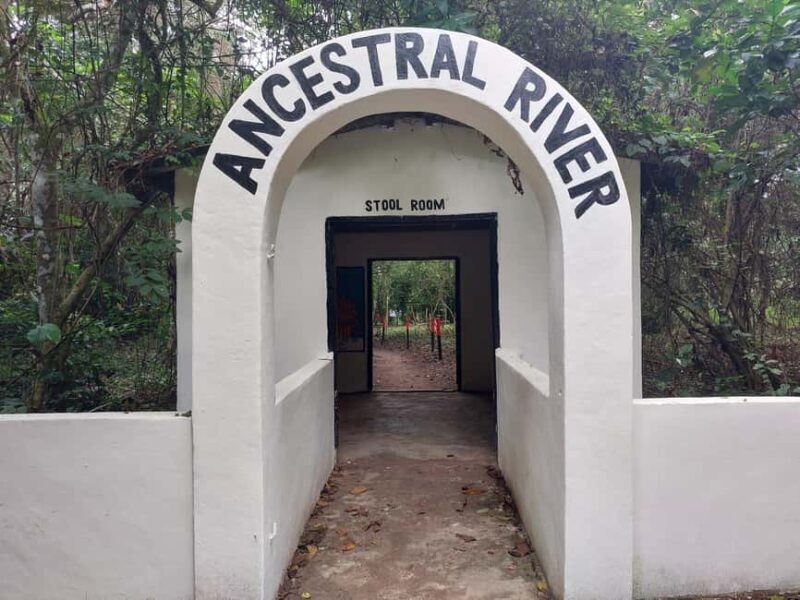
Beyond the naming, the site itself is poignant. It includes the last bath river of the enslaved Africans—a powerful moment of reflection on the final act before their forced journey across the Atlantic. The site also features the tombs of returned slaves from places like New York, Jamaica, and Barbados, providing tangible links to the African diaspora.
Visiting the Historical Site and Learning Its Significance
The tour of the Assin Manso site is more than just a walk—it’s a chance to understand the trauma and resilience of the enslaved. The site’s history as a slave market and auction point is sobering, but it’s also vital to acknowledge the strength of those who endured and survived.
More Great Tours NearbyMoving to Cape Coast Castle: A Key Piece of History
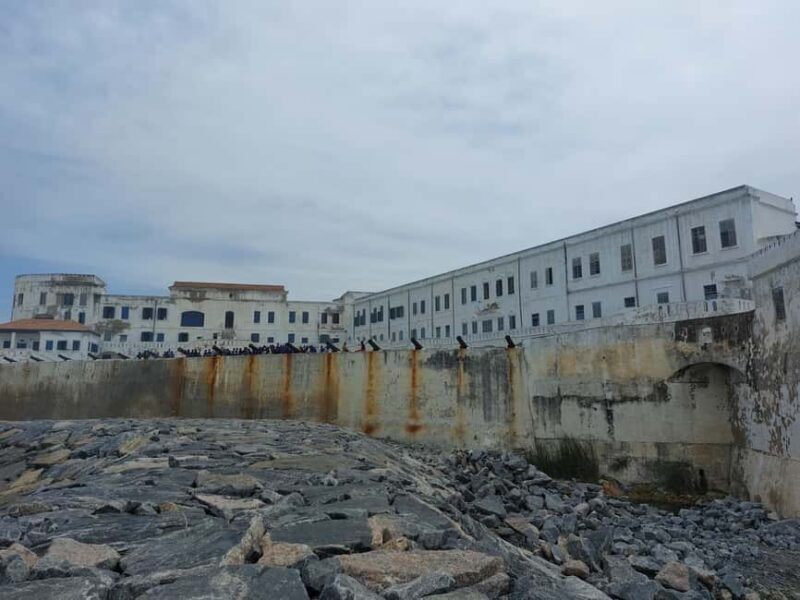
After the Assin Manso visit, you’ll head toward Cape Coast Castle, about a 2-hour drive. This UNESCO World Heritage Site is arguably Ghana’s most famous castle and a must-visit for anyone interested in the Atlantic slave trade. The castle’s dungeons and living quarters reveal stark conditions endured by the enslaved, and guided stories help you grasp the scale and brutality of the trade.
The Door of No Return at Cape Coast Castle is particularly well-known; it symbolizes the last glimpse of Africa for many enslaved Africans. In 1998, the “Door of Return” was ceremonially opened when the bones of returned slaves from the USA and Jamaica were symbolically led through it, representing hope and reconciliation.
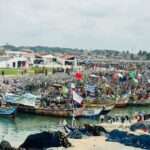

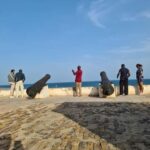
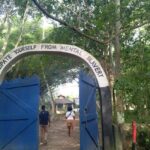
Guided Tour Highlights: What You’ll See and Learn
Guides offer detailed insights into the castle’s history, taking you through the dungeons, where slaves were held in cramped, dark conditions. You’ll also see the condemn cells, used for prisoners or those awaiting sales, which evoke a sense of confinement and despair.
Visitors often comment on how the guides add personal stories and context, transforming a visit into a powerful narrative of resistance and liberation. One reviewer remarked, “The guide’s storytelling made the history come alive. It’s an experience you won’t forget.”
Reflecting on the Day: Return to Accra
After the castle visit, you’ll head back to Accra, usually in the late afternoon or early evening. It’s a long day but packed with meaningful moments, so having comfortable shoes and water is recommended. The group size tends to be manageable, allowing for personalized attention and questions.
Analyzing the Value
At $450, this tour combines transportation, expert guides, a cultural ceremony, and visits to pivotal historical sites. Many travelers find this price justified because of the depth of experience and emotional impact. The inclusion of a certification from the ceremony adds a personal keepsake, making it more than just a sightseeing trip.
While meals and accommodations aren’t included, the convenience of having logistics handled and the depth of the cultural and historical experiences make this tour a worthwhile investment. It’s especially suited for travelers who prioritize learning and cultural engagement over pure leisure.
Practical Tips for Travelers
- Wear comfortable walking shoes and light, breathable clothing.
- Bring a hat and sunscreen—Ghana’s sun can be intense, especially when touring outdoor sites.
- Pack a camera but be respectful at sites that may be sensitive.
- Carry water to stay hydrated during the long day.
- Approach every site with respect—these are places of deep significance.
Who Should Consider This Tour?
This experience is ideal for travelers interested in culture, history, and personal connection. It’s perfect for those keen to understand the legacy of slavery in Ghana and its ongoing cultural significance. If you’re after a purely leisure-focused trip, this might be intense, but for those seeking meaningful, educational moments, it’s hard to beat.
Akan Naming Ceremony at Slave River Site & Cape Coast Tour
FAQ
Is transportation included? Yes, pickup from your Accra hotel and transportation to all sites is included.
What is the duration of the tour? The tour lasts a full day, with pickup in the morning and return in the evening.
What should I wear? Comfortable shoes, lightweight clothes, a hat, and sunscreen are recommended.
Are meals included? No, meals and drinks are not included, so plan to bring snacks or eat before/after.
Is the tour suitable for children? The experience involves walking and visiting emotionally significant sites, so children should be prepared accordingly.
Can I participate in the Akan Naming Ceremony if I don’t speak Twi? The ceremony is based on Ghanaian custom and involves explanation in English, so language barriers shouldn’t be an issue.
What makes Cape Coast Castle special? It’s one of the most prominent castles involved in the slave trade, with well-preserved dungeons and symbolic sites like the Door of No Return.
Does the tour accommodate dietary restrictions? Since meals aren’t included, you should plan accordingly.
How far in advance should I book? You can reserve now and pay later, with the option to cancel up to 24 hours in advance for a full refund.
Is this tour respectful of the sites’ significance? Absolutely. The tour emphasizes education and cultural respect, encouraging reflection and understanding.
This tour offers a sincere opportunity to connect with Ghana’s heritage, whether by participating in a traditional naming ceremony or walking through history at Cape Coast Castle and Assin Manso. It’s a meaningful investment for those who want more than just sightseeing—a chance to learn, reflect, and honor those who endured unimaginable hardships.
You can check availability for your dates here: