If you’re heading to Arusha and want an authentic taste of Tanzanian culture, then a coffee-making experience might be just the ticket. This tour, offered by Naturalland Expeditions, promises to take you from the bean to the cup using age-old, traditional methods. It’s a chance to learn about Arabica coffee cultivation and enjoy organic, single-origin brews—all in a relaxed, friendly setting.
What makes this experience stand out are two things: first, the hands-on nature of the process — pounding, roasting, grinding, and brewing with your own hands — and secondly, the opportunity to visit a family-run coffee farm that’s been in operation for three generations. That’s authentic, small-scale agriculture that offers genuine insight.
A potential consideration is the price point of $30 per person, which is quite reasonable, but for some, the duration and depth of the experience might be a bit limited if you’re craving a longer, more in-depth tour.
This tour seems best suited for those curious about local farming traditions, coffee enthusiasts, and travelers seeking a more personal connection with Tanzanian culture.
Key Points
- Authentic Hands-On Experience: You’ll actively participate in every step, from husking to brewing.
- Visit a Family-Run Coffee Farm: Gain insight into smallholder farming practices and local life.
- Traditional Preparation Techniques: Pounding beans, roasting over charcoal, and brewing by hand.
- Organic Single-Origin Coffee: Taste freshly brewed coffee made from beans grown in Tanzania.
- Cost-Effective Cultural Insight: At $30, the experience offers real value for a unique, local activity.
- Friendly Guides: Knowledgeable guides add personality and depth to the tour.
👉 See our pick of the Arusha’s 7 Best Tours & Things To Do
What to Expect on the Coffee Tour
Starting with a short guided visit to a smallholder coffee farm, you’ll get the chance to learn about how Tanzanian Arabica coffee is cultivated. The farm is family-operated, with three generations living on site, providing a genuine glimpse into local farming life. Based on reviews, visitors love the way guides like Johnson and Derik share their knowledge with enthusiasm and friendliness, making the experience both fun and educational.
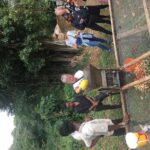
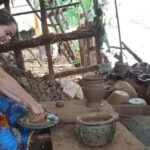
After the farm visit, the tour moves to a private garden setting, where you’ll get hands-on instruction on traditional coffee processing methods. This begins with pounding the dried beans in a large wooden mortar and pestle, a process that not only removes the outer husk but also engages you physically. As one reviewer noted, “The little introduction and the preparation were really fun,” highlighting how engaging this step is.
Next, you’ll learn to roast the beans over a charcoal fire in a clay pot. This step is especially captivating because it gives the coffee a more rustic, smoky flavor that you just can’t get from commercial machines. You’ll see the beans change color and hear about how roasting influences the final taste.
Once roasted, the beans are pounded into a fine powder, which you then brew using traditional handmade utensils. This manual brewing process is quite different from modern drip or espresso methods and provides an authentic, tactile experience. Several reviews emphasize how rewarding it is to brew your own coffee and enjoy it fresh from the process.
Throughout the experience, drinks are included, often organic and single-origin, allowing you to enjoy the fruits of your labor immediately. This focus on local, organic coffee ensures a flavorful tasting experience that supports sustainable farming.
The activity lasts about 2-3 hours, and the entire process is thoughtfully organized so that you leave feeling both satisfied and more knowledgeable about Tanzanian coffee traditions.
You can also read our reviews of more tours and experiences in Arusha



Why This Tour Offers Great Value
At just $30 per person, the price is quite reasonable for the depth of the experience. You’re getting more than just a tasting—you’re actively involved in the entire process, gaining practical skills and cultural insights. The inclusion of a farm visit, guide, and drinks makes it a well-rounded package, especially for travelers interested in authentic, hands-on activities.
Reviews highlight the well-organized nature and the warm, knowledgeable guides who make the experience engaging. The fact that the farm is family-run adds an extra layer of authenticity, helping you connect with local life rather than just a commercial setup.
The Experience in Detail
The tour begins with a guide wearing a recognizable gray or chocolate-colored T-shirt, waiting on the main road—easy to spot. This initial meeting sets the tone for a casual, friendly experience. After introductions, the group heads to the smallholder farm, which is an excellent opportunity to see Arabica coffee plants up close. The guides show you how coffee is cultivated, emphasizing the small-scale, family-run nature of Tanzanian coffee farms.
Walking through the farm, you’ll learn about the harvesting and processing stages, often explained with pride by the guides. The reviews mention that the guides are motivated and enthusiastic, which helps bring the process to life. Expect to see and hear about the cultivation methods that have been passed down through generations.
Afterward, the journey moves to the private garden designed for the hands-on processing. Here, the real fun begins. You’ll start by pounding the dried beans, which not only removes the husk but also provides a physical connection to the work involved in coffee production. This step is often highlighted as fun and engaging.
Next, roasting takes place over a clay pot heated by charcoal. This traditional approach imparts a rustic flavor that many reviewers find more authentic and satisfying than modern machine roasting. The guides explain how roasting influences flavor, adding a smoky depth that’s hard to replicate.
Once roasted, the beans are pounded into a fine powder, then brewed by hand. You’ll use traditional utensils, giving you a real sense of the old-fashioned techniques. The process is entirely manual, which might be a bit slow for some, but it’s this very effort that makes the experience memorable and rewarding.
Throughout, drinks are provided—most often organic, single-origin coffee—allowing you to immediately savor the fruits of your labor. Several reviews mention how delicious the coffee is, especially when brewed fresh on-site.
The entire activity lasts about 2 to 3 hours, making it a manageable addition to your day without feeling rushed.
Authenticity and Personal Touches
This tour is praised for its authenticity, from visiting a local small farm to learning traditional methods used by Tanzanian farmers. The guides’ enthusiasm and local knowledge make a significant difference, transforming what could be a simple demonstration into a warm, engaging journey into coffee culture.
Visitors also enjoy homemade coconut rolls that often accompany the brewing, adding a tasty local treat. As one reviewer shared, “The coconut rolls were amazing too,” which complements the flavor profile of the coffee and showcases local culinary traditions.
More Great Tours NearbyWho Should Consider This Tour?
If you’re a coffee lover, interested in learning about small-scale agriculture, or simply want a cultural activity that’s interactive and meaningful, this tour is a perfect fit. It’s especially suitable for those who enjoy hands-on experiences and want to connect with Tanzanian traditions on a personal level.
Travelers looking for a short, affordable, yet rich cultural activity in Arusha will find this tour rewarding. It’s less about sightseeing and more about participating in a local craft—a genuine way to understand Tanzania beyond the usual safari or city tour.





The Sum Up
This Traditional Coffee Preparation tour in Arusha offers a rare chance to see, feel, and taste Tanzanian coffee culture firsthand. For just $30, you get to visit a family-run farm, learn the manual processes that produce a beloved local crop, and brew your own single-origin coffee using traditional tools.
What sets this experience apart are the friendly guides, the authentic setting, and the participatory nature that leaves you with practical skills and a memorable story. It’s a fantastic choice for coffee aficionados, curious travelers, or anyone wanting a meaningful cultural encounter.
While it’s a relatively short activity, the quality and authenticity make it an excellent value. You’ll leave with a greater appreciation for Tanzanian coffee, a new skill, and some delightful fresh brew in hand.
Arusha: Traditional Coffee Preparation(coffee tour)
Frequently Asked Questions
How long does the tour last?
Most experiences last around 2 to 3 hours, making it a manageable activity during your day.
Is the tour suitable for children?
The process involves manual tasks like pounding and roasting, so it’s best suited for older children or teenagers who can participate safely.
Do I need to book in advance?
Yes, booking is recommended. You can reserve your spot and pay later, and cancellations are allowed up to 24 hours in advance for a full refund.
What languages are spoken during the tour?
The tour is conducted in English, ensuring clear explanations and easy communication.
What is included in the price?
The fee covers the guided farm visit, the hands-on processing experience, and drinks, mostly organic and single-origin coffee.
Is transportation provided?
The meeting point is on the main road, where your guide will be waiting, but the tour does not mention transportation from your accommodation.
Can I buy the coffee I make?
While not explicitly stated, since you brew your own coffee, it’s likely you can purchase or take home some of the beans or ground coffee, if available.
What should I wear?
Comfortable clothes suitable for outdoor activity, including closed shoes for farm visits and hands-on tasks, are advisable.
Will I get to see the farm’s actual cultivation practices?
Yes, the farm visit provides insight into how Tanzanian Arabica coffee is grown and harvested, which many reviews find particularly interesting.
Is this experience eco-friendly?
The tour emphasizes traditional, manual methods, and visiting a smallholder farm supports sustainable, small-scale farming practices.
In essence, this coffee tour in Arusha offers a practical, warm, and authentic taste of Tanzanian culture. It’s perfect for those who want to go beyond sightseeing and get their hands dirty—learning, tasting, and connecting to local life in a way that’s both fun and meaningful.
You can check availability for your dates here: