Setting out on a 4-day trek in Morocco’s Atlas Mountains offers travelers a chance to step away from the bustling streets of Marrakesh and into a landscape of striking natural beauty and authentic local culture. This adventure promises a mix of rugged terrain, traditional Berber villages, and sweeping mountain vistas.
If you’re craving a physically engaging journey that rewards you with incredible views and genuine encounters with Moroccan mountain life, this trek might be just what you’re looking for.
What we particularly like about this experience is the balance between guided comfort and outdoor challenge. The inclusion of local guides and mule support helps keep the trek accessible while maintaining an authentic feel. Also, the opportunity to meet Berber villagers and see their way of life firsthand adds a meaningful dimension few mountain hikes can offer.
The only potential drawback? The price of $434 per person might seem steep for some, especially considering the additional costs for things like water and sleeping gear. Still, for the value of transportation, meals, lodging, and guided expertise, it’s generally a worthwhile investment.
This trek suits travelers who enjoy outdoor activity, culture, and scenic landscapes, especially those prepared for physical effort and variable weather conditions.
- Key Points
- Starting Point: From Marrakesh to the High Atlas
- Day 1: Trek from Marrakesh to Tahliouine
- Day 2: From Azzaden Valley to Dkent Village
- Day 3: Crossing Passes to Tizi Oussem
- Day 4: Downhill to Imlil Valley and Return to Marrakesh
- What’s Included and What’s Not
- Practical Tips for the Trek
- Authentic Encounters and Cultural Highlights
- Value and Overall Experience
- Who Should Consider This Trek?
- The Best Of Marrakesh!
- More 4-Day Experiences in Marrakesh
- More Hiking & Trekking Tours in Marrakesh
- More Tour Reviews in Marrakesh
Key Points
 1 / 8
1 / 8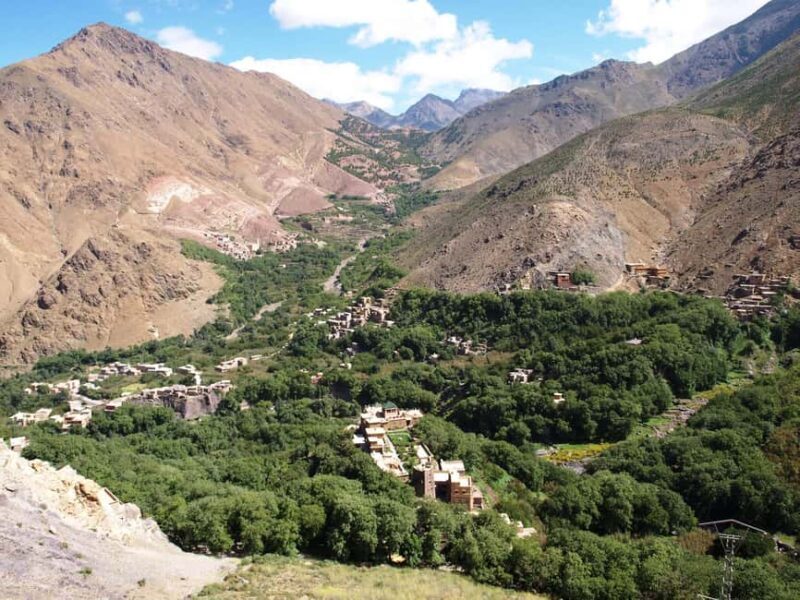 2 / 8
2 / 8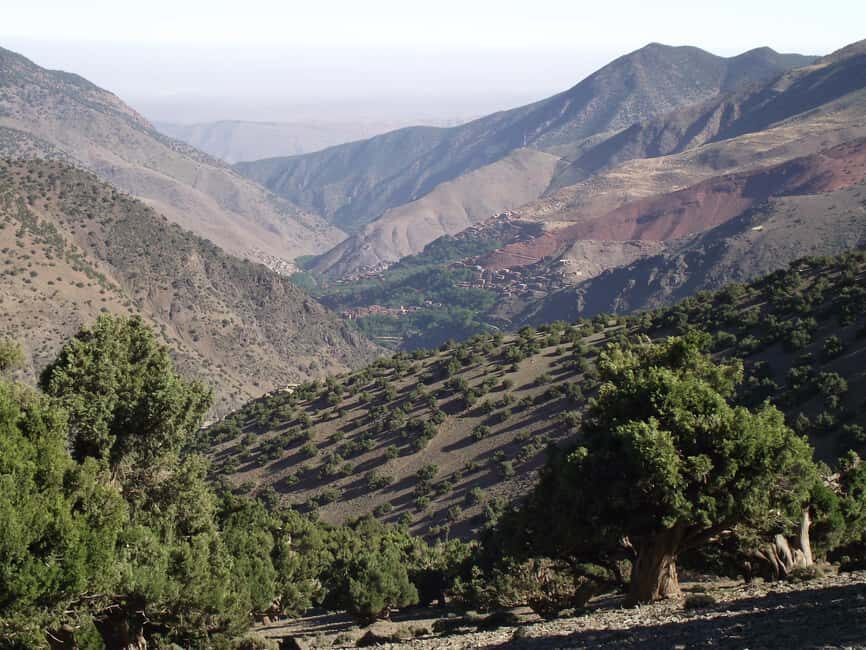 3 / 8
3 / 8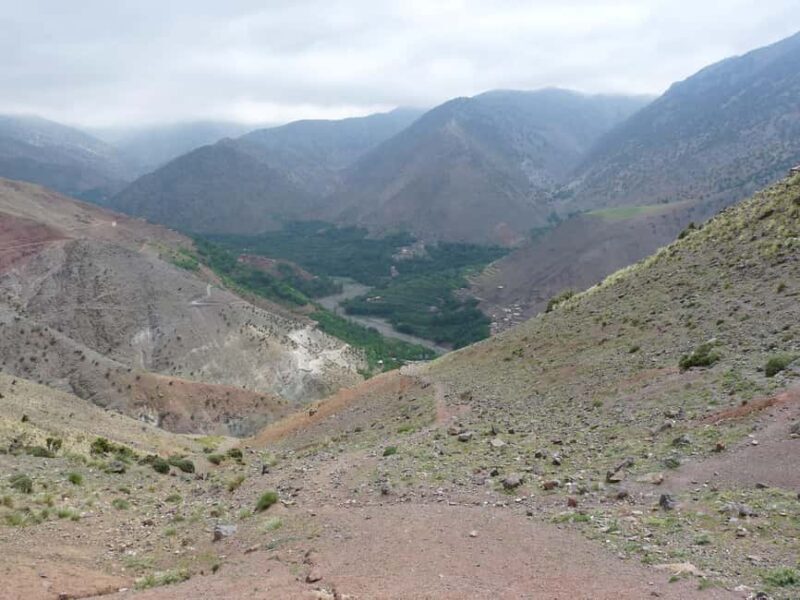 4 / 8
4 / 8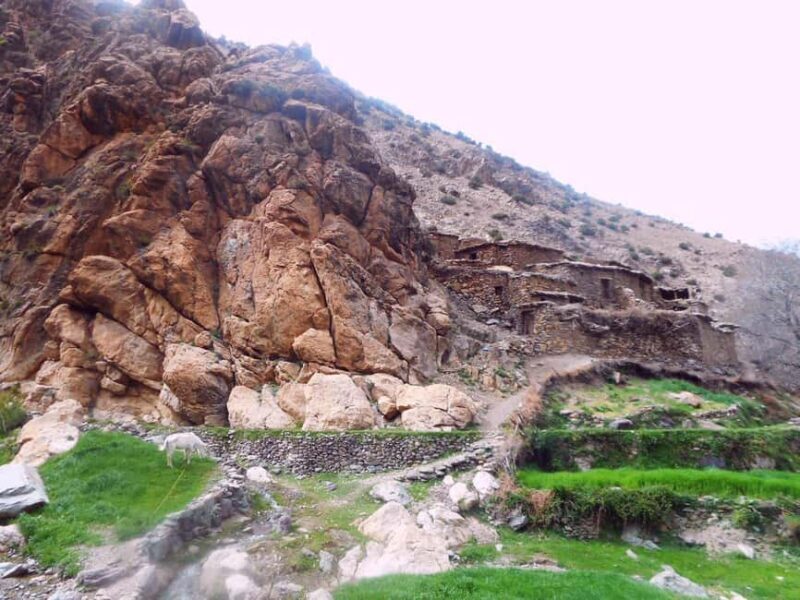 5 / 8
5 / 8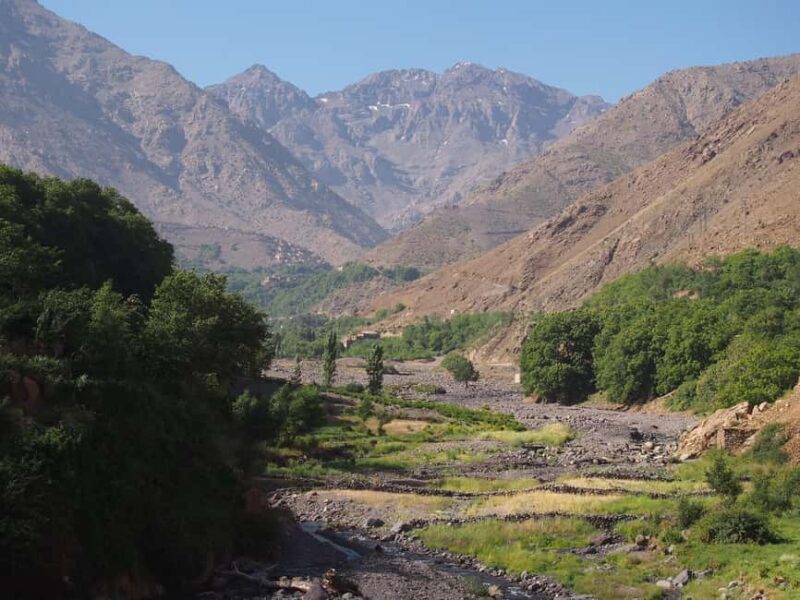 6 / 8
6 / 8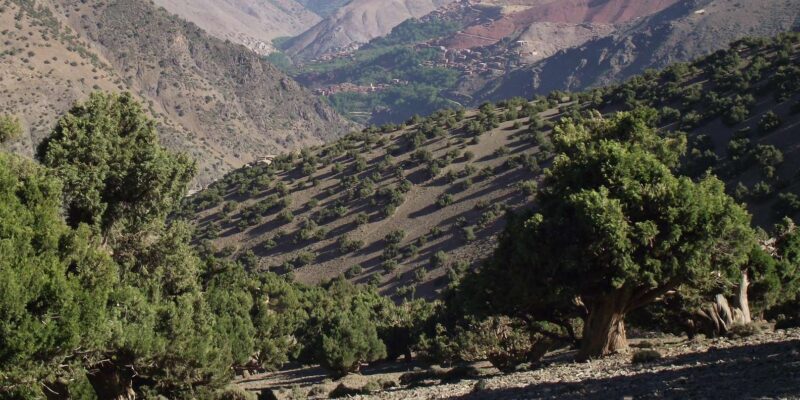 7 / 8
7 / 8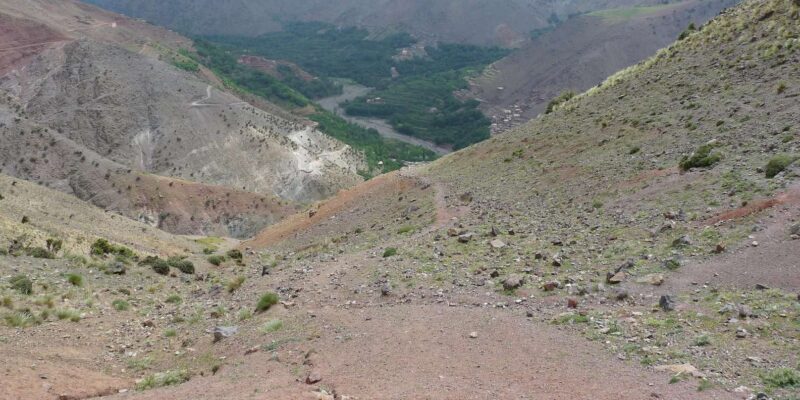 8 / 8
8 / 8- Authentic Cultural Encounters: Meet Berber villagers and see their traditional way of life.
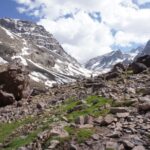
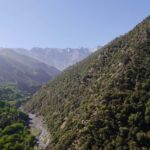
- Stunning Mountain Views: Enjoy panoramic vistas of peaks like Mt Toubkal and the Imlil Valley.
- Balanced Itinerary: Mix of challenging hikes, scenic passes, and restful lodge stays.
- Included Comforts: Transportation, guide, mule support, and meals—all organized for you.
- Physical Demands: Expect around 4-6 hours of walking each day, with some uphill sections.
- Flexible Booking: Reserve now and pay later, with options to cancel up to 24 hours before.

👉 See our pick of the We Rank Marrakesh’s 16 Top Tours & Things To Do
Starting Point: From Marrakesh to the High Atlas
The adventure begins with a 1.5-hour drive from Marrakesh, a journey that gradually shifts from the city’s vibrant chaos to the serene, cool highlands. The transportation is included, making it convenient and stress-free—important when you’re balancing travel fatigue and anticipation. You’ll meet your local guides who are familiar with the terrain and eager to share insights into mountain life. The initial drive sets the tone, promising a change of scenery and a taste of the remote environment you’ll be exploring.
You can also read our reviews of more hiking tours in Marrakesh
Day 1: Trek from Marrakesh to Tahliouine
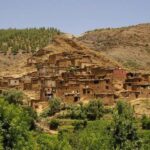
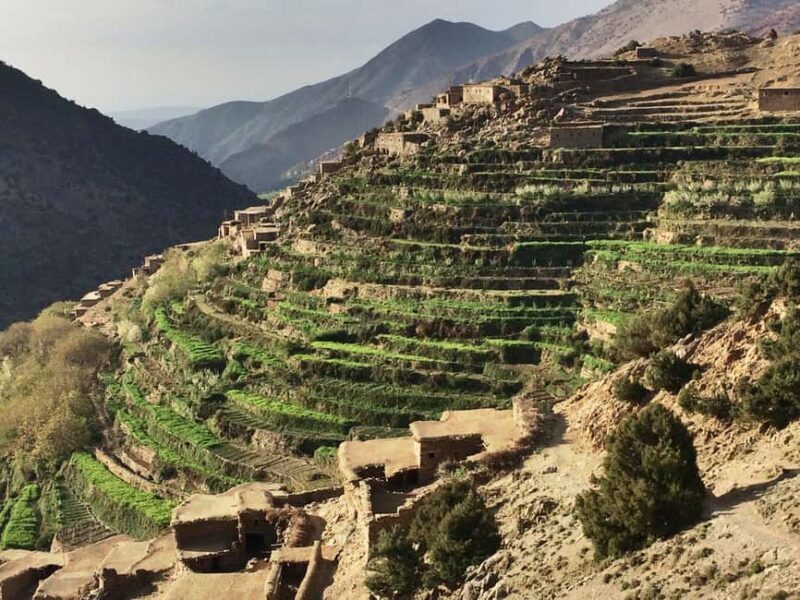
The first day involves setting off on a 5-hour trek toward Tahliouine village, crossing the Tizi nTacht pass. The walk is a solid introduction to high-altitude hiking, with cool vegetation and mountain views. Along the way, you’ll encounter your first Berber villages—small, traditional communities with stone houses and warm welcomes. The trek offers a balanced mix of uphill and flat sections, giving you a feel for the terrain without overwhelming.
Staying overnight at a lodge, you’ll have the chance to relax and acclimate. Some reviews highlight the comfort of the lodges as a welcome break from the day’s activity. The scenery here is lush compared to the arid plains below, with rugged peaks framing the horizon.
Day 2: From Azzaden Valley to Dkent Village
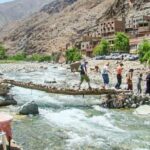
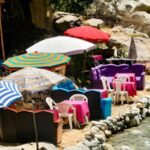
After an early breakfast, you’ll leave the Azzaden Valley, walking uphill to Dkent village. The route passes through Tizi nTouti pass, taking about 2 hours on foot. The highlight? Lunch on the way near a stream—an idyllic setting with rushing water and shaded spots perfect for a picnic.
The walk continues to Dkent for around 6 hours total, with some gentle climbs and descents. The village itself offers a glimpse into traditional life, with simple stone houses and welcoming locals. Travelers often mention the sense of stepping into a different world, away from touristic crowds. Lodging here is again in a local lodge, giving you a cozy base after a day of hiking.
Day 3: Crossing Passes to Tizi Oussem
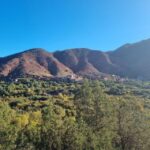
Day 3 ramps up the scenery with a walk from Dkent to Tizi Oussem village, passing Tizi nTegdalt pass—a highlight for many. The elevation gain means you’ll experience some uphill challenges, but the views over the mountain ridges and valleys are worth every step. Lunch is typically near a river, with the sound of flowing water providing a peaceful backdrop.
Tizi Oussem is another traditional village, where you might find locals tending to their daily routines. The 6-hour walk is demanding but rewarding, with some reviewers noting that the balance of walking and resting makes it manageable. The lodge stay here continues the authentic experience, surrounded by the sounds of nature.
More Great Tours NearbyDay 4: Downhill to Imlil Valley and Return to Marrakesh
The final day is a downhill walk from Tizi Oussem to Imlil valley, crossing the Tizi mezik pass at 2489 meters. The descent offers spectacular views over the valley and peaks, giving a sense of accomplishment. You’ll stop for lunch in Imlil before being transferred back to Marrakesh, completing your mountain journey.
The 4-hour walk on this day ties together the previous days’ experiences, culminating in a hearty mix of scenic vistas and cultural insights. The drive back to Marrakesh is approximately 1.5 hours, giving you time to reflect on the adventure.
You can also read our reviews of more tours and experiences in Marrakesh
What’s Included and What’s Not
The price covers transport, a local guide, mule support for luggage, all meals during the trek, and lodge accommodations. This makes it a stress-free way to experience the mountains, as much of the planning is handled for you. However, you’ll need to budget for extra items like soft drinks, mineral water, sleeping bags (not included), and personal gear. Some travelers find that bringing their own gear such as a flashlight, power bank, and insect repellent enhances comfort.
Practical Tips for the Trek
- Footwear: Sturdy hiking shoes are a must—consider breaking them in beforehand.
- Clothing: Pack warm layers, especially for mornings and evenings, plus sun protection.
- Hydration and Snacks: Bring extra water and snacks, even though meals are provided.
- Packing Light: Mule support helps with luggage, but keep your daypack light for easier walking.
- Weather: Be prepared for variable weather—mountain conditions can change quickly.
Authentic Encounters and Cultural Highlights
What makes this trek stand out are the moments of genuine interaction. Many reviews mention the warm welcomes from Berber families, who often invite trekkers into their homes or share tea. The villages are small and traditional, offering a glimpse into a lifestyle that has persisted for generations. It’s an opportunity to see how mountain communities adapt to modern pressures while maintaining their customs.
Value and Overall Experience
For $434, the trek offers a comprehensive package—organized transportation, experienced guides, mule support, and lodging—all contributing to a seamless experience. The inclusion of meals and accommodation, along with the chance to see iconic peaks and valleys, makes it a good value, especially for those who want more than just a day hike but don’t want to go all-in with a longer or more technical climb like Mt Toubkal.
Many travelers praise the professional and friendly guides, noting that their knowledge and support made the hike both enjoyable and safe. One reviewer mentioned, “The guides were superb—helpful, knowledgeable, and fun to be around,” highlighting that the human element is a big part of the journey’s appeal.
Atlas Mountains Trek 4 days
Who Should Consider This Trek?
This experience is ideal for active travelers who enjoy moderate to strenuous hikes, are curious about Berber culture, and want to see the Atlas Mountains from a local perspective. It’s suitable for those comfortable with walking 4-6 hours a day and dealing with mountain weather. Less suitable for travelers with mobility issues or those seeking a more luxurious or relaxed vacation.
This 4-day Atlas Mountains trek offers a solid combination of physical challenge, culture, and stunning scenery. It’s a chance to disconnect from the hustle, breathe mountain air, and connect with remote Moroccan communities. The experience is well-organized, blending guided support with authentic village stays, making it a memorable adventure for those seeking more than just a scenic walk.
If you’re after a fulfilling, culturally rich trekking experience that balances effort with comfort, this tour provides excellent value. Just come prepared for moderate hiking, pack thoughtfully, and open yourself to the sights, sounds, and warm welcomes of the Atlas Mountains.
What is included in the price of $434?
The price covers transportation from and back to Marrakesh, a local guide, mule support for luggage, food during the trek, and accommodation at lodges.
How long is the daily trek?
You can expect around 4 to 6 hours of walking each day, with some uphill sections and scenic stops along the way.
Do I need special gear for this trek?
Yes, sturdy hiking shoes are essential. It’s also a good idea to bring warm clothing, a sun hat, sunglasses, insect repellent, and a daypack. Sleeping bags are not included, so consider bringing your own if you prefer more comfort.
Is this trek suitable for kids or unfit travelers?
Not really. The trek involves significant walking and some uphill sections, so it’s best suited for active adults prepared for physical effort.
What is the best time of year to do this trek?
While not explicitly stated, mountain treks in Morocco are often best in spring or fall when the weather is milder. Summer can be hot, especially at lower altitudes.
Can I cancel or reschedule easily?
Yes, you can cancel up to 24 hours in advance for a full refund, offering flexibility if your plans change.
Are there any restrictions on touching animals or plants?
Yes, you’re advised not to touch animals or plants during the trek, mainly to protect wildlife and avoid disrupting local ecosystems.
Is language an issue on this tour?
The trek is conducted in English, making communication straightforward for most travelers.
This detailed exploration should help you decide if a trek through the Atlas Mountains is right for you. With its mix of adventure, culture, and natural beauty, it’s an experience worth considering for an authentic Moroccan journey.
You can check availability for your dates here: