Imagine walking through the corridors of a 1665-built castle and standing beside a river where countless enslaved Africans last bathed in their homeland waters. That’s precisely what a guided tour of the Cape Coast Castle and Assin Manso Slave River offers.
This tour is a powerful journey into Ghana’s history, brought vividly to life by expert guides, and it’s suited for those who want more than just a sightseeing trip – they want a meaningful connection to the past.
What makes this experience stand out are two things: the chance to visit Assin Manso, the site of the last African bath for many slaves, and the detailed exploration of Cape Coast Castle, a UNESCO World Heritage site that played a central role in the trans-Atlantic slave trade. However, it’s worth noting that the entire day involves a fair amount of walking and emotional reflection, which can be intense for some travelers.
This tour is ideal for history buffs, educators, or anyone interested in understanding Ghana’s role in this dark chapter, with a respectful and thoughtful approach.
This experience made our article of The 16 Top Tours & Things To Do In Cape Coast: Which Is Best?.
- Key Points
- An In-Depth Look at the Experience
- Starting from Accra: The Journey Begins
- Assin Manso Slave River: A Sobering Site
- Cape Coast Castle: A Fortress of History
- What You’ll See and Learn
- Returning to Accra
- Practical Tips for Participants
- Who Should Consider This Tour?
- Final Thoughts: Is It Worth It?
- Who is it best for?
- FAQ
- The Best Of Cape Coast!
- More Tours in Cape Coast
- More Tour Reviews in Cape Coast
Key Points
- Deep historical insight into the Trans-Atlantic slave trade and its impact on Ghana and the wider world
- Two significant sites: the Assin Manso Slave River and Cape Coast Castle, each with their own stories
- Comfortable transportation from Accra with hotel pickup and drop-off
- Guided commentary enhances understanding and emotional connection
- Cost-effective considering transportation, guides, and access to these important sites
- Not suitable for young children or those with mobility issues due to walking and site conditions
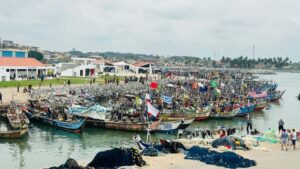
👉 See our pick of the The 16 Top Tours & Things To Do In Cape Coast: Which Is Best?
An In-Depth Look at the Experience
You can also read our reviews of more tours and experiences in Cape Coast.
Starting from Accra: The Journey Begins
The tour kicks off with a hotel pickup in Accra, which is a big plus for travelers wanting a hassle-free experience. The drive to the Cape Coast area takes around 3 hours, depending on traffic, giving you a chance to relax and absorb some Ghanaian scenery. The tour includes transportation, fuel, and a guide, so you won’t need to worry about navigating or missing key points.
Assin Manso Slave River: A Sobering Site
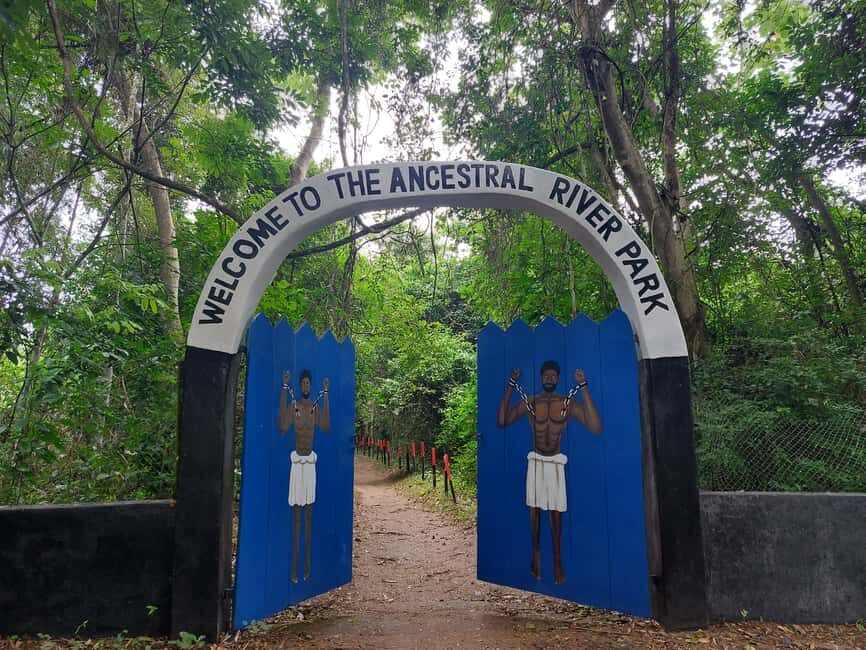
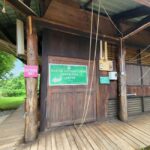
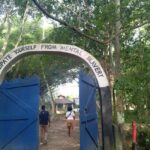
The first stop on the day is Assin Manso, a site that has become a sacred ground for reflection. Here, enslaved Africans had their last bath in their homeland waters before being transported across the Atlantic. The significance of this site is profound, as it captures the emotional weight of this history—an end and a beginning for many.
Visitors will see the burial ground of two slaves from the USA and Jamaica, who were brought back to their ancestral homeland, adding a poignant human touch to the visit. The story of these individuals highlights the global nature of the slave trade, connecting the dots between Africa, the Caribbean, and the Americas.
One reviewer mentioned, “We loved the way the site made us think about the human stories behind history, not just dates and facts.” It’s a place that encourages reflection, and the guided commentary helps frame the experience within its broader context.
Cape Coast Castle: A Fortress of History
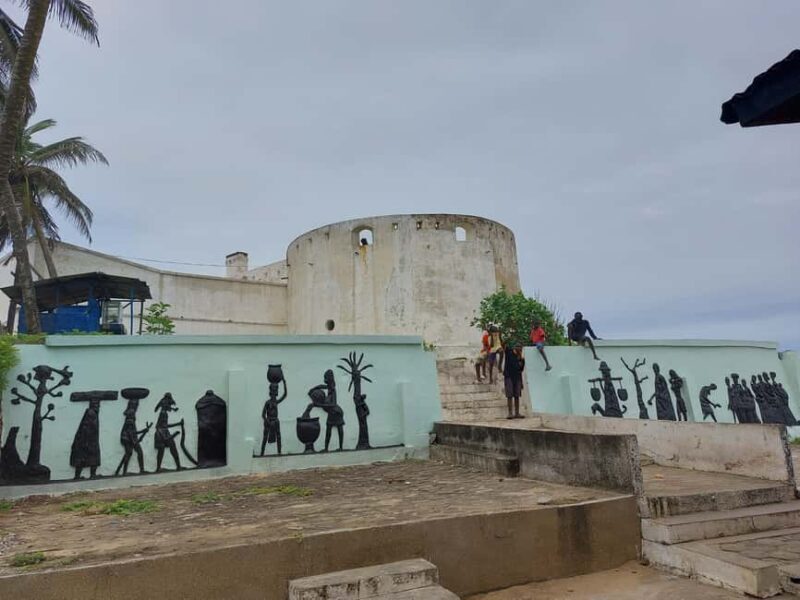
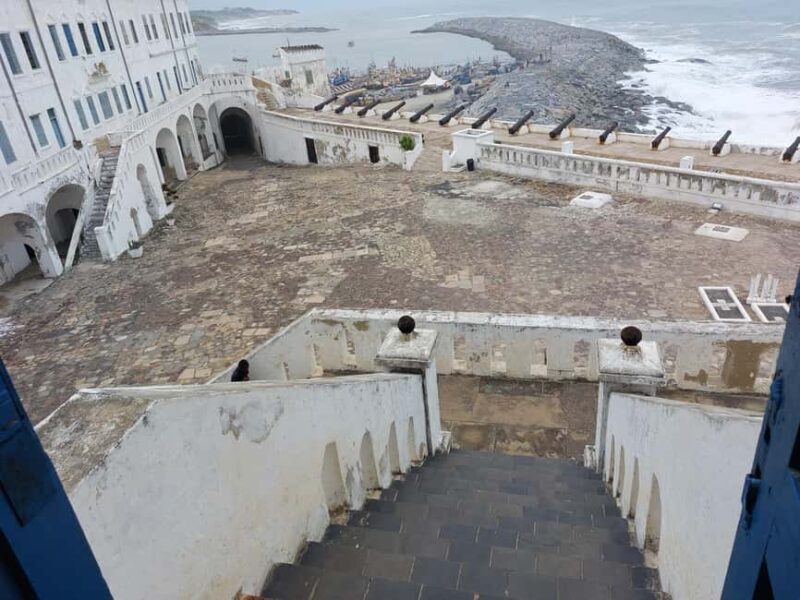
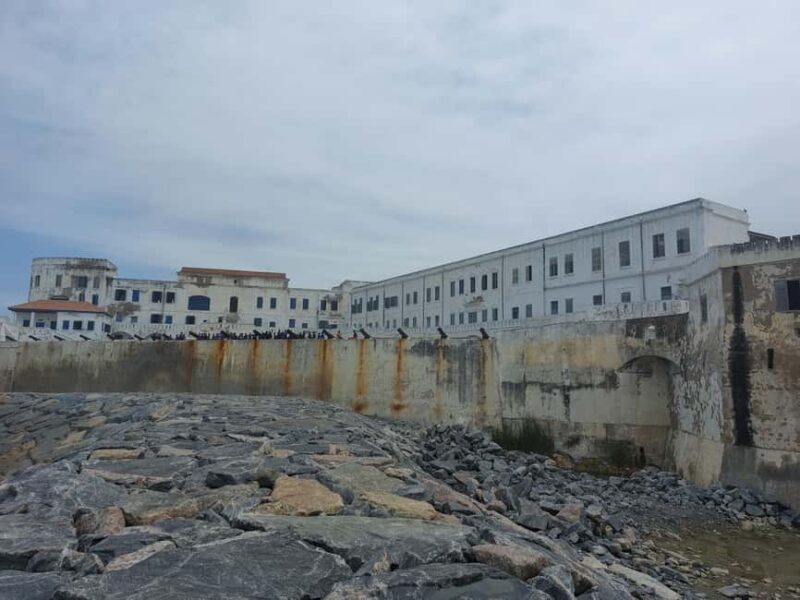
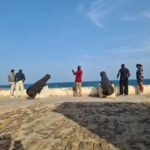
After a few hours at Assin Manso, the tour continues to Cape Coast Castle. Built by the British in 1665, it’s one of the most prominent remnants of the region’s colonial and slave trade history. As you explore its dungeons, you’ll get a tangible sense of what life was like for the enslaved, from the cramped conditions to the brutal treatment.
The guided tour at the castle is thorough, with guides sharing stories that make history tangible. The Door of No Return is perhaps the most evocative spot, often remembered as the last view many enslaved Africans saw of their homeland. This creates a deeply emotional experience, and many visitors speak about how the site fosters a sense of connection and reflection.
A review notes, “The guides’ storytelling was powerful, making the history personal rather than just academic.”
More Great Tours NearbyWhat You’ll See and Learn
- The dungeons where slaves were kept before shipment, highlighting the inhumane conditions
- The bunkers and guard towers that reveal strategic colonial architecture
- The European traders’ quarters and how the trade operated
- The burial grounds for some of the slaves, emphasizing a respect for their stories
- The panoramic views from the castle which hint at the scale of the trade

Returning to Accra
After a full day of reflection, the group heads back to Accra, usually arriving in the evening. This makes it a long day, but one filled with meaningful insights and emotional impact. The price of $300 per person includes transportation, a guided tour, and site entry fees, offering good value considering the depth of experience.
Practical Tips for Participants
- Wear comfortable shoes; the sites involve a good amount of walking on uneven surfaces
- Bring a hat, sunscreen, and water to stay comfortable in the Ghanaian sun
- A camera is recommended, but remember to be respectful when photographing sensitive areas
- Reflective and respectful behavior is encouraged, given the emotional weight of the sites
Who Should Consider This Tour?
This experience is best suited for adult travelers, history enthusiasts, educators, or anyone seeking a profound understanding of Ghana’s role in the slave trade. It’s not ideal for children under 12 or those with mobility challenges, as some walking and uneven surfaces are involved. The emotional tone of the tour can be intense, so visitors should be prepared for a serious but meaningful day.
Final Thoughts: Is It Worth It?
Absolutely. For $300, you gain a comprehensive, guided insight into a chapter of world history that many prefer to avoid. The combination of Assin Manso’s emotional weight and Cape Coast Castle’s evocative architecture makes this a rare opportunity for genuine reflection. The guides’ storytelling adds valuable context, helping you appreciate the broader implications of these sites.
This tour offers more than just sightseeing; it’s a chance to confront history directly, with dignity and understanding. If you value authentic historical experiences and are prepared for a day of emotional depth, this trip will stay with you long after you leave Ghana.
Who is it best for?
It’s perfect for travelers who want more than just a photo album—those who seek a meaningful connection to history. It suits educators, students, and those interested in African or colonial history. If you’re comfortable with some walking and emotional reflection, you’ll find this tour both enlightening and rewarding.
Cape Coast Castle and Assin Manso Slave River Tour
FAQ
Is the tour suitable for children?
The tour is not recommended for children under 12 because of the emotional and physical nature of the sites, which involve a fair amount of walking and reflection.
How long does the tour take?
The entire experience lasts about a full day, including transportation from and back to Accra and time spent at each site.
What is included in the price?
The $300 fee covers transportation, fuel, a guided tour of both sites, and entry fees. Meals are not included, so plan to bring snacks or eat before/after.
What should I bring for the tour?
Comfortable shoes, a hat, sunscreen, water, and a camera. Respectful attire is encouraged, especially at the sites of emotional significance.
Are guides available at both sites?
Yes, guided commentary is provided at both Assin Manso and Cape Coast Castle, enhancing your understanding of their history and significance.
Is this tour accessible for people with mobility issues?
No, it’s not suitable for those with mobility impairments or wheelchair users, as some walking and uneven terrain are involved.
Can I cancel or reschedule?
Yes, you can cancel up to 24 hours in advance for a full refund, providing flexibility in your planning.
This tour offers a rare chance to connect directly with Ghana’s history. It’s a respectful, honest, and emotionally powerful experience that’s well worth the investment for those eager to understand the past’s human stories.
You can check availability for your dates here: