
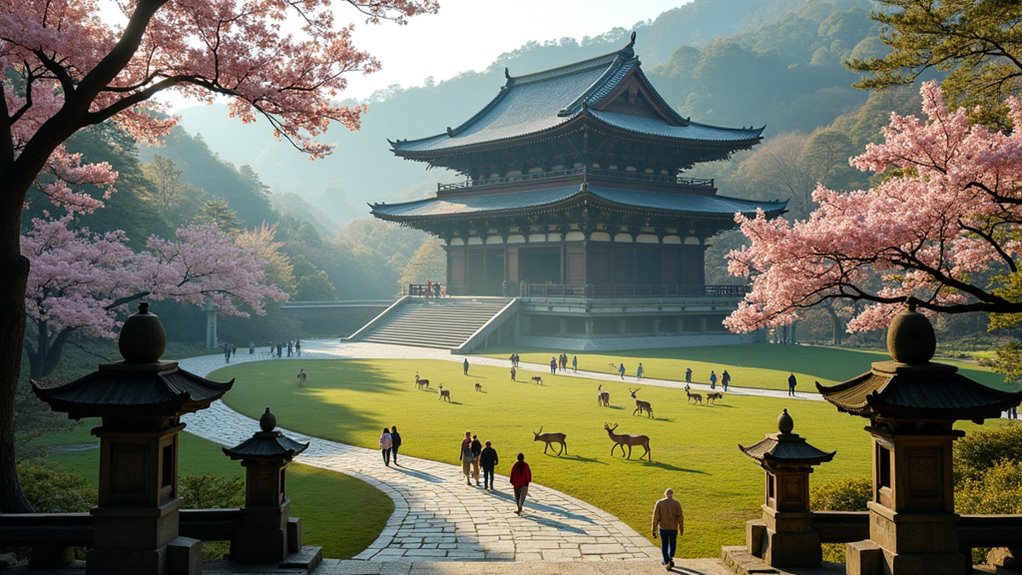
First-time visitors to Nara often underestimate this ancient capital’s charm, expecting just another temple town. They’re wrong. Japan’s first permanent capital packs centuries of history into walkable neighborhoods where sacred deer bow for crackers and massive Buddhas inspire awe. From lantern-lit shrine pathways to modern Pokémon surprises hiding in plain sight, Nara delivers experiences that blend spiritual wonder with unexpected delights. Here’s what smart travelers prioritize to make the most of their visit.
- Meet the Sacred Deer of Nara Park
- Marvel at the Great Buddha in Todai-ji Temple
- Climb to Nigatsu-do Hall for the Best Views in Town
- Walk Through Thousands of Lanterns at Kasuga Taisha Shrine
- Photograph Kofuku-ji’s Five-Story Pagoda at Sarusawa Pond
- Step Back 1,400 Years at Horyu-ji Temple
- Experience the Omizutori Fire Festival (March Only)
- Browse Traditional Crafts on Sanjo Street
- Take a Day Trip to Yoshino’s Cherry Blossoms (Spring)
- Hunt for Pokémon Manhole Covers Around the City
Meet the Sacred Deer of Nara Park
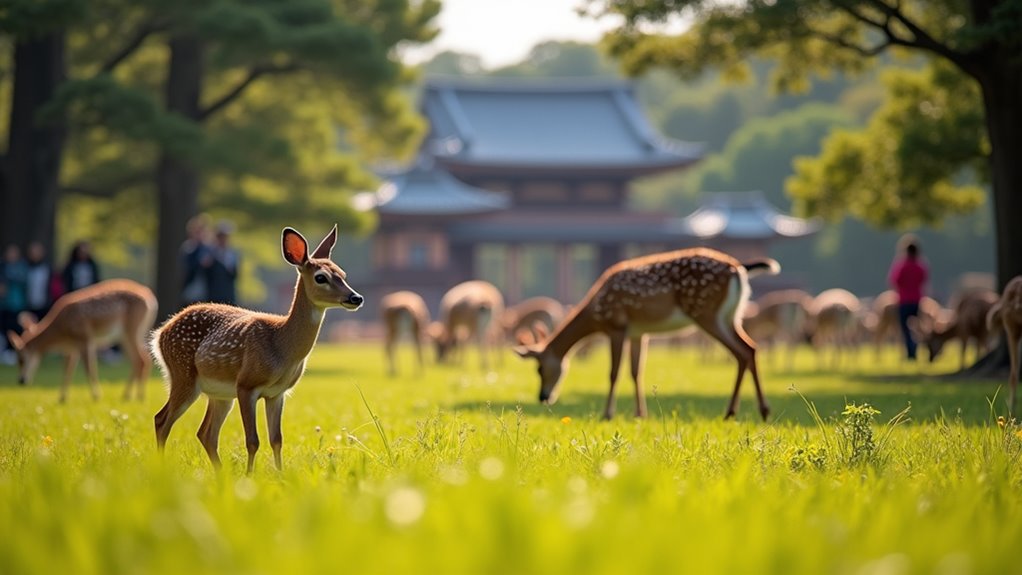
When visitors first step into Nara Park, they’re immediately greeted by hundreds of free-roaming sika deer that have called this green space home for centuries. These gentle creatures aren’t just park residents—they’re considered sacred messengers in Shinto religion, making them living symbols of the city’s spiritual heritage.
The deer have become completely accustomed to human interaction and safely approach visitors throughout the day. Travelers can purchase special deer crackers from numerous stalls scattered across the park for authentic feeding experiences.
The deer have even learned to bow politely when requesting treats, creating memorable photo opportunities.
Beyond their charm, these iconic animals serve as Nara’s unofficial mascots, representing the harmonious relationship between nature, spirituality, and tourism that defines this ancient capital.
Marvel at the Great Buddha in Todai-ji Temple
After visitors have enjoyed feeding the sacred deer, they’ll find themselves drawn to Todai-ji Temple, home to one of Japan’s most awe-inspiring sights—the Great Buddha, or Daibutsu. This massive bronze statue stands nearly 15 meters tall and weighs over 500 tons, making it one of the largest Buddha statues in the world.
The Great Buddha Hall housing this masterpiece is equally impressive as one of the world’s largest wooden buildings.
Visitors enter through the towering Nandaimon Gate, Japan’s largest temple gate at 25 meters high. Inside the hall, they can walk around the statue’s base to appreciate its incredible scale and craftsmanship.
There’s a small entry fee of around ¥500, but the experience of standing before this 8th-century marvel is unforgettable.
Climb to Nigatsu-do Hall for the Best Views in Town
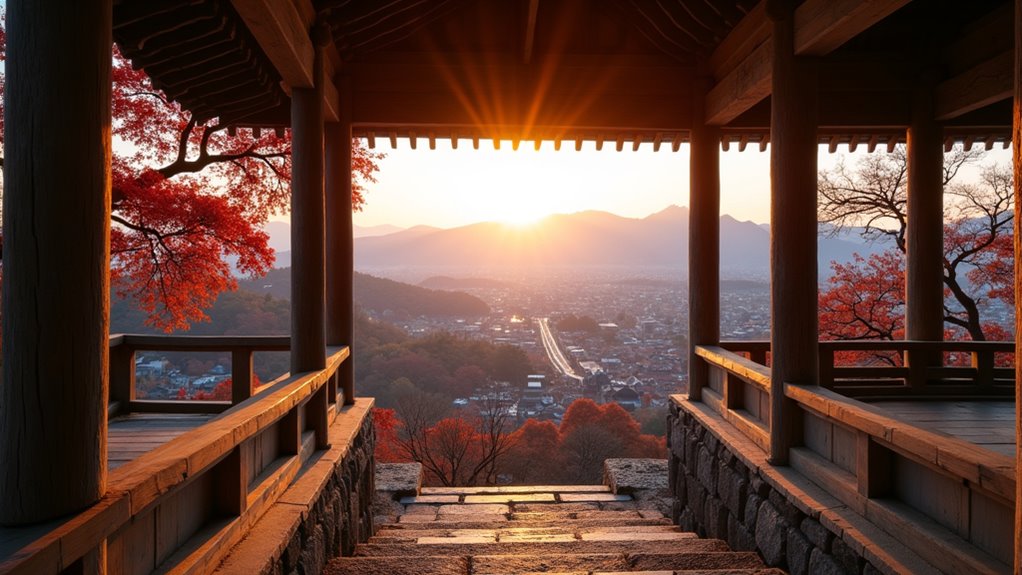
From the Great Buddha Hall, visitors can continue exploring Todai-ji’s sprawling complex by making their way to Nigatsu-do Hall, where the best panoramic views of Nara await.
The wooden hall sits perched on a hillside, requiring a moderate climb up stone steps and wooden walkways. Once there, visitors are rewarded with sweeping views that include the Great Buddha Hall below, Kofuku-ji’s distinctive five-story pagoda, and the sprawling greenery of Nara Park dotted with roaming deer.
Nigatsu-do Hall also holds cultural significance as the venue for the famous Omizutori Festival, an annual fire ritual ceremony that’s been performed continuously since 760 AD. The hall offers both stunning vistas and a glimpse into Japan’s enduring spiritual traditions.
Walk Through Thousands of Lanterns at Kasuga Taisha Shrine
What makes Kasuga Taisha Shrine truly magical isn’t just its 1,250-year history, but the mesmerizing pathway lined with over 3,000 stone and bronze lanterns that guide visitors through its sacred grounds. Founded in 768, this important Shinto site creates an otherworldly atmosphere as travelers walk beneath the canopy of ancient trees surrounded by these illuminated guardians.
The lanterns aren’t merely decorative—they’re offerings donated by worshippers over centuries, each carrying prayers and wishes.
During special festivals, particularly the Lantern Festival in February and August, all lanterns are lit simultaneously, transforming the shrine into a glowing wonderland.
Visitors can explore the main shrine buildings while following the lantern-lined paths that wind through the forested hills, making it feel like stepping into a mystical domain.
Photograph Kofuku-ji’s Five-Story Pagoda at Sarusawa Pond
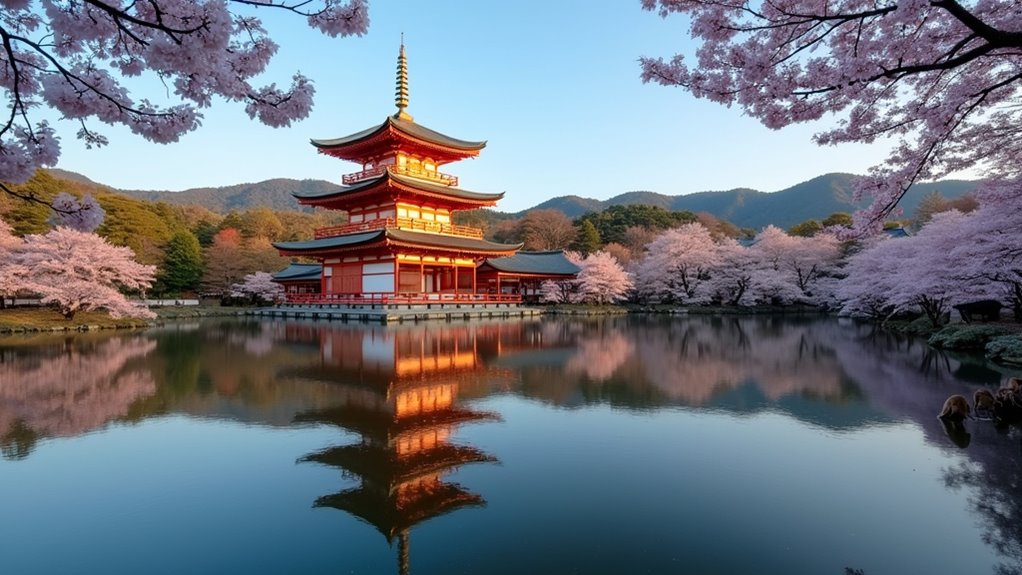
One of Nara’s most photographed scenes awaits at Sarusawa-ike Pond, where visitors can capture the perfect reflection of Kofuku-ji Temple’s magnificent five-story pagoda—Japan’s second tallest—mirrored in the tranquil water.
This iconic shot’s especially stunning during golden hour when soft light illuminates the ancient structure against the sky.
The pond is surrounded by graceful willow trees that frame compositions beautifully, and photographers often find deer wandering into their shots, adding authentic Nara charm.
Early morning offers the calmest water for the clearest reflections, while fewer crowds mean unobstructed angles.
After capturing the perfect shot, visitors can explore the nearby Sanjo Street for traditional crafts and local restaurants.
The short walk from the pond to Kofuku-ji itself reveals the pagoda’s impressive scale up close.
Step Back 1,400 Years at Horyu-ji Temple
While Kofuku-ji’s pagoda represents medieval Japan beautifully, Horyu-ji Temple takes visitors even further back—housing the world’s oldest surviving wooden buildings and offering an unparalleled glimpse into Japan’s ancient past. This UNESCO World Heritage site contains structures dating to the 7th century, making it an extraordinary time capsule of early Japanese Buddhism.
The temple’s five-story pagoda and Main Hall have stood for over 1,400 years, surviving earthquakes, wars, and countless seasons. Visitors can marvel at ancient artifacts and architecture that predate most famous European landmarks. The craftsmanship demonstrates remarkable engineering skills that allowed these wooden structures to endure for millennia.
Located outside central Nara, Horyu-ji requires a short train ride but rewards travelers with an authentic encounter with Japan’s earliest Buddhist heritage.
Experience the Omizutori Fire Festival (March Only)
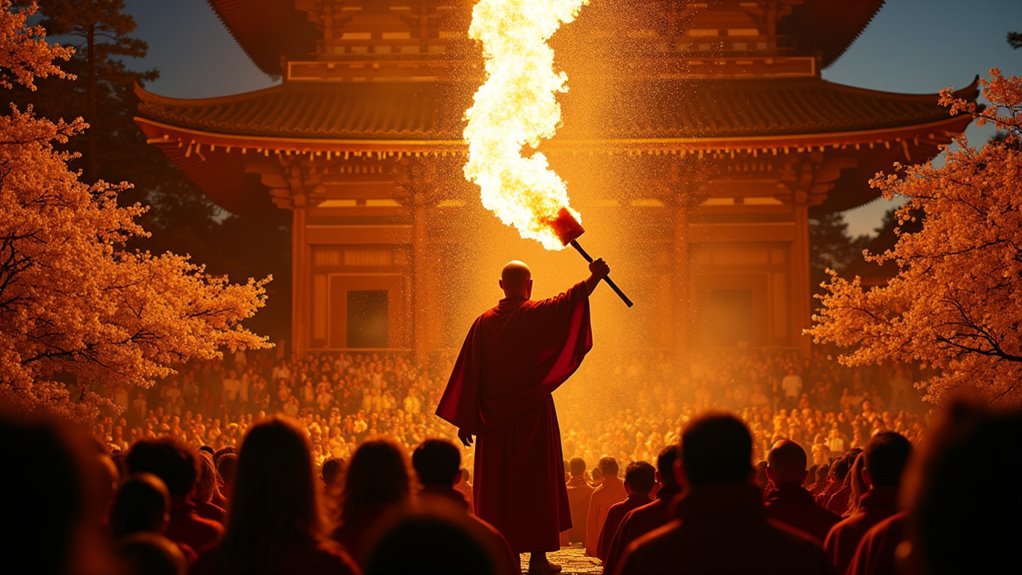
After exploring Nara’s ancient temples during the day, visitors who time their trip for March can witness one of Japan’s most spectacular religious ceremonies. The Omizutori Festival at Nigatsu-do Hall has run uninterrupted since 760 AD, making it one of the world’s longest-running religious events.
Monks perform nightly repentance rituals while wielding massive burning torches on the hall’s wooden balcony, creating dramatic silhouettes against the night sky.
The festival’s climax occurs on March 12th, when sparks cascade down from the torches. Locals believe catching these sparks brings good luck and protection from evil.
Visitors should arrive early to secure viewing spots, as crowds gather quickly. The ceremony typically begins after sunset, combining ancient Buddhist traditions with breathtaking fire displays that illuminate Nara’s historic landscape.
Browse Traditional Crafts on Sanjo Street
Before heading back to catch the train, travelers can explore Sanjo Street‘s charming collection of traditional craft shops and local eateries. This bustling thoroughfare near Sarusawa-ike Pond offers an authentic glimpse into Nara’s artisan culture.
Here, visitors can browse handmade ceramics, textiles, and woodwork created by local craftspeople. The street’s shops showcase traditional Japanese items like furoshiki wrapping cloths, hand-painted pottery, and wooden souvenirs featuring Nara’s iconic deer motifs.
Many stores allow customers to watch artisans at work, providing insight into centuries-old techniques passed down through generations.
Between shopping, travelers can sample local specialties at family-run restaurants and tea houses. The pedestrian-friendly street connects easily to major attractions, making it a convenient final stop before departing this historic city.
Take a Day Trip to Yoshino’s Cherry Blossoms (Spring)
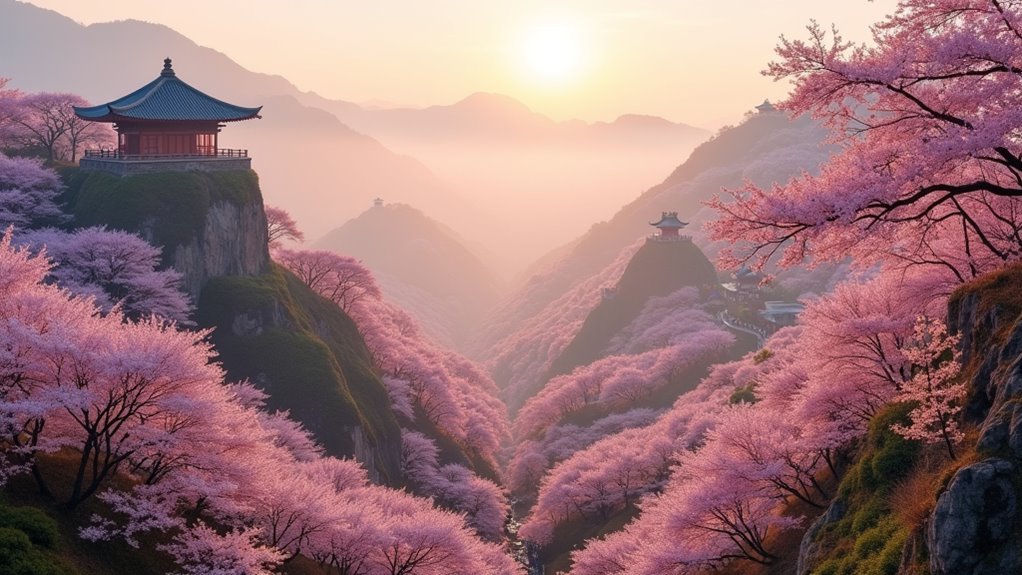
When spring arrives in Japan, travelers can venture beyond Nara’s city center to experience one of the country’s most spectacular cherry blossom displays in nearby Yoshino. The Yoshino area transforms into a pink wonderland with over 30,000 cherry trees blooming across four distinct elevations on Mount Yoshino.
Visitors can take trains from Nara to reach this UNESCO World Heritage site, where they’ll find four viewing zones: Shimo-senbon, Naka-senbon, Kami-senbon, and Oku-senbon. Each level offers different blooming periods, extending the sakura season from early April through late April.
The mountain’s ancient temples and shrines provide stunning backdrops for photography. Cable cars and hiking trails help visitors navigate between levels, making this day trip an unforgettable springtime adventure that complements any Nara itinerary perfectly.
Hunt for Pokémon Manhole Covers Around the City
While Yoshino’s natural beauty captivates visitors during cherry blossom season, Nara offers year-round treasures for those who enjoy modern pop culture alongside traditional attractions.
Travelers can hunt for unique Pokémon-themed manhole covers scattered throughout the city, creating an engaging urban scavenger hunt that appeals to fans of all ages.
These collectible covers feature colorful designs with popular Pokémon characters, transforming ordinary infrastructure into Instagram-worthy photo opportunities.
Visitors often discover them while walking between major attractions like Todai-ji Temple and Kasuga Taisha Shrine, making the hunt a perfect complement to traditional sightseeing.
The covers represent Japan’s ability to blend contemporary culture with historic settings.
Travelers should bring their cameras and comfortable walking shoes, as finding all the designs requires exploring different neighborhoods throughout Nara’s charming streets.