If you’re considering a visit to Robben Island, chances are you’ve heard about its significance as a symbol of South Africa’s resilience and freedom. This tour promises a deep dive into the island’s past — from its days as a leper colony to its role as a political prison famous for housing Nelson Mandela.
While many travelers find the experience moving and educational, it’s also clear that it’s not without its crowds and logistical quirks.
What we like about this tour is the chance to see Nelson Mandela’s cell and hear firsthand accounts from a former political prisoner. Plus, the ferry ride offers stunning views of Cape Town and Table Mountain, creating a memorable backdrop to the historical journey.
A potential drawback is the overcrowding — both on the ferry and during the prison tour — which can diminish the intimacy and reflective quality many seek in such visits. This experience tends to attract large groups, making some parts feel rushed or impersonal.
In terms of who this tour suits, it’s best for those with an interest in South Africa’s anti-apartheid history, willing to weather some crowds, and prepared for a full day of sightseeing. If you’re craving a tranquil, intimate exploration, you might find this tour more hectic than expected. Still, it’s a valuable way to connect with a pivotal part of modern South African history.
Key Points
- Historical Significance: This tour highlights Robben Island’s role in South Africa’s struggle for freedom, as told by a former political prisoner.
- Scenic Ferry Ride: Expect breathtaking views of Cape Town’s coastline and Table Mountain as part of the trip.
- Authentic Perspective: Guided by someone who experienced the prison firsthand, adding depth to the story.
- Crowd Levels: Be prepared for large groups, which can make the experience feel rushed or crowded.
- Weather Dependence: Tours may be canceled or rescheduled due to weather, so flexibility is key.
- Limited Accessibility: Not suitable for wheelchair users or very young children, and requires walking on uneven surfaces.

👉 See our pick of the Discover 5 Great Tours & Things To Do In Cape Town
- Key Points
- What to Expect from the Robben Island Tour
- The Realities of the Experience
- Practical Tips for Your Visit
- Who Should Consider This Tour?
- Final Thoughts: Is It Worth It?
- Frequently Asked Questions
- The Best Of Cape Town!
- More Museum Experiences in Cape Town
- More Tours in Cape Town
- More Tour Reviews in Cape Town
What to Expect from the Robben Island Tour

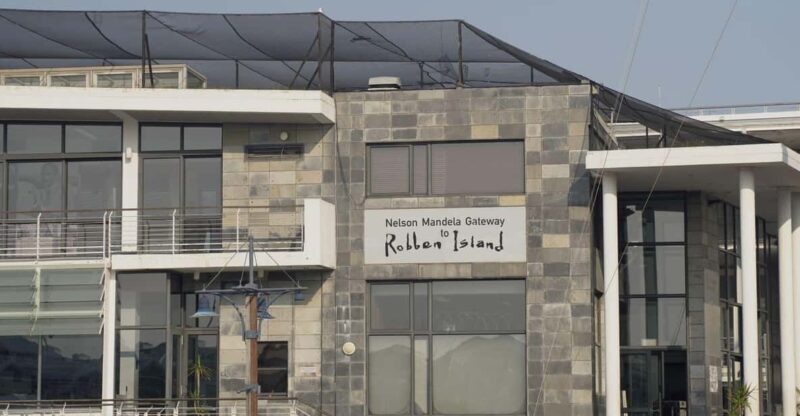
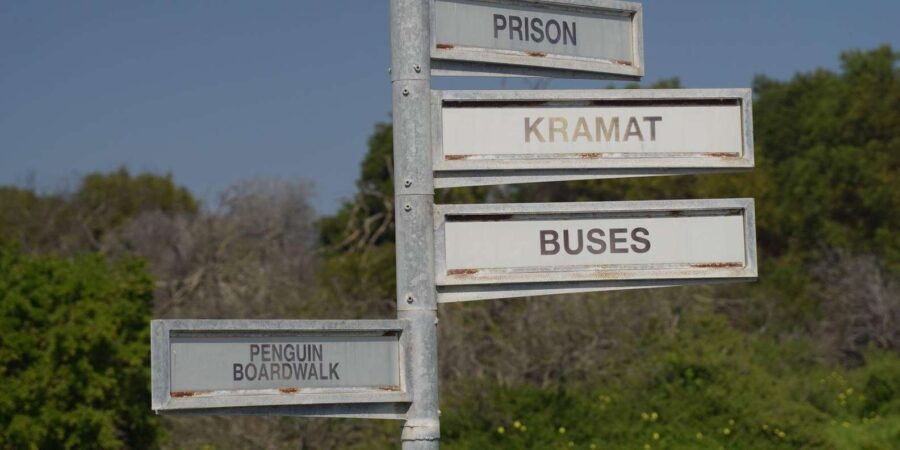
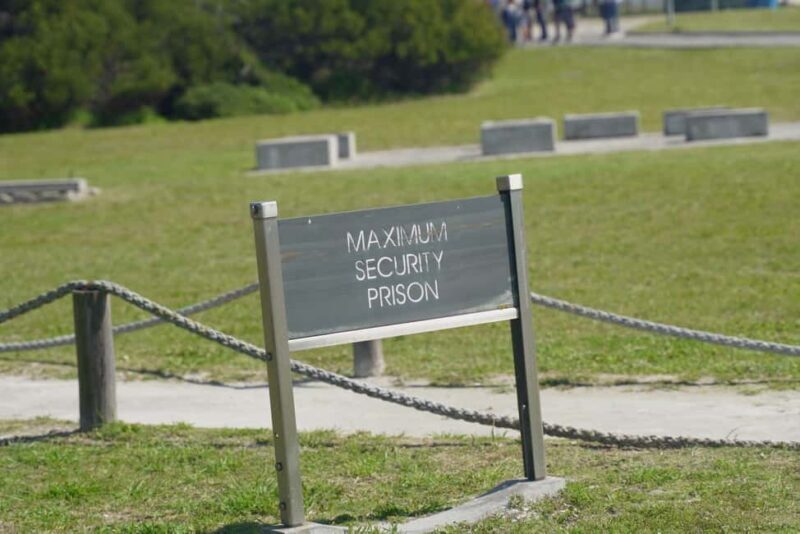
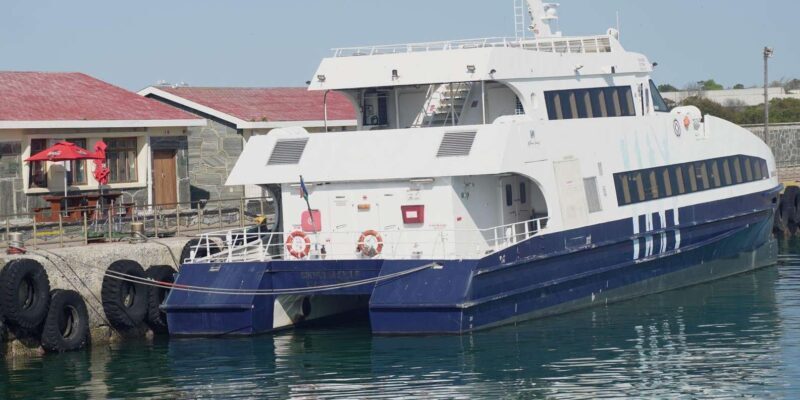

Our journey begins at the V&A Waterfront, a bustling hub that’s easy to access and full of shops, cafes, and boats. From here, you’ll board a ferry at the Nelson Mandela Gateway — a well-marked, central spot near the Clock Tower. The ferry ride itself takes around 30 minutes, during which you’ll enjoy panoramic views of Cape Town’s skyline, Table Mountain, and the Atlantic Ocean.
The ferry ride is generally smooth, but beware: it can be cold and windy, especially in the mornings or during winter months. Dress in warm layers, bring sunscreen and a hat, and have your camera ready for some spectacular photos. Several reviews mention that the ride offers sightings of whales and seals, turning the trip into a mini wildlife safari, which is a bonus if timing aligns.
Upon arrival on Robben Island, a guided tour begins. This is where the experience becomes compelling — especially because it’s often led by a former political prisoner. This personal touch adds authenticity and emotional weight that purely audio or self-guided tours can’t match. The guide shares stories of harsh conditions and acts of resistance, giving visitors a visceral sense of what life was like behind those prison walls.
The tour visits key sites, including:
- Nelson Mandela’s Cell: A deeply emotional stop that reminds visitors of Mandela’s resilience.
- The Lime Quarry: Prisoners labored here, and it’s a stark reminder of the hardships endured.
- Administrative Buildings: Where decisions were made and discipline enforced.
Many reviews mention that the walk around the prison is decent but somewhat rushed, often due to the large groups. One traveler described it as “ok,” but “way too many people,” which can detract from the reflective nature of the visit.
The tour concludes at the Robben Island Museum with exhibits and artifacts that expand on the island’s history. The museum offers context about its various uses — from leper colony to prison — helping you understand its layered past.
You can also read our reviews of more museum experiences in Cape Town


The Realities of the Experience
While the tour promises a meaningful glimpse into South Africa’s past, some travelers report frustrations. One reviewer laments: “This is a mass tourism event. We had to queue for almost an hour just to board the ferry, and the bus tour around the island was crowded with only one stop to take photos.” This kind of feedback suggests that the experience can feel more like a well-organized mass event rather than an intimate historical exploration.
Another traveler mentioned that bad weather caused their tour to be canceled, with no success in obtaining a refund. Weather-dependent scheduling means you should remain flexible, especially if you’re traveling during less predictable months.
But not all reviews are negative. A different visitor relayed that they saw whales and seals along the way, and found the tour led by an ex-captive to be “very well organized.” This indicates that the quality of the guide and natural surroundings can elevate the overall experience.
In terms of value for money, at $97 per person, this tour is more expensive than some alternatives, especially considering the crowds and sometimes rushed pace. If you’re someone who values personal storytelling and quieter moments, this might feel like a steep price for what is often a crowded, busy experience.
Practical Tips for Your Visit
- Book in advance: Due to limited availability and high demand, securing tickets ahead of time is wise.
- Arrive early at the V&A Waterfront to avoid queues and catch the first ferry.
- Dress warmly and in layers — the ferry can be windy and chilly.
- Bring your passport or ID as proof of identity for boarding.
- Prepare for a lot of walking and standing, but note that it’s not wheelchair accessible.
- Photograph responsibly — photography is permitted but respect site rules.
- Weather awareness: Be flexible if tours are canceled or rescheduled due to weather.
- No smoking on the island or ferry.
Who Should Consider This Tour?
If you’re eager to understand Robben Island’s pivotal role in South Africa’s history, this tour offers a compelling narrative, especially with guides who are former prisoners. It’s ideal for history enthusiasts, politically engaged travelers, or anyone interested in Nelson Mandela’s story.
However, if you prefer a more relaxed, less crowded experience, or are traveling with very young children or those with mobility issues, you might find this tour somewhat challenging. The crowds and weather dependence can make it feel hurried and less personal.
More Great Tours NearbyFinal Thoughts: Is It Worth It?
This tour is undeniably a powerful way to connect with South Africa’s past. You’ll hear stories told firsthand by guides who lived through those turbulent times, creating an emotional and educational experience. The ferry ride provides spectacular views, and the visit to Nelson Mandela’s cell is a moment that leaves a lasting impression.
On the other hand, the experience’s mass tourism aspect — crowded ferry, bus tours, and rushed visits — might lessen its appeal for those seeking serenity or a more in-depth, contemplative visit. Pricing is on the higher side, and weather can throw a wrench in your plans.
For travelers passionate about history and willing to navigate crowds, this tour offers meaningful insights and memorable sights. But if tranquility and exclusivity are your priority, you might want to explore alternative ways to experience Robben Island or focus on other Cape Town highlights.






Cape Town: Robben Island Museum Tour with Ferry Ride
Frequently Asked Questions
How do I get to Robben Island?
You start at the V&A Waterfront in Cape Town. The tour departs from the Nelson Mandela Gateway, where the ferry to Robben Island is located. The ferry ride itself takes about 30 minutes.
What should I bring?
Bring your passport or ID, comfortable shoes for walking, warm clothing due to the wind, a hat, sunscreen, a camera, and water. The ferry can be cold and windy.
Is the tour weather-dependent?
Yes, tours can be canceled or rescheduled due to weather conditions. It’s advisable to stay flexible and check the weather forecast before your trip.
How long does the tour last?
The entire experience, including ferry rides and guided tours, typically takes around a half-day, but check with the provider for specific timings.
Are children allowed?
The tour isn’t suitable for children under 2 years old, and mobility or wheelchair access is limited, so consider this if traveling with young or disabled travelers.
Can I take photographs?
Yes, photography is permitted, but be respectful of site rules, especially inside the prison and museum areas.
What is included in the price?
Your ticket covers the ferry ride, guided prison tour, and museum access. Meals, drinks, and hotel transfers are not included.
What do reviews say about the experience?
Some travelers find the tour impactful, especially hearing from ex-inmates, but many complain about overcrowding and long queues, which can detract from the experience.
Can I cancel or reschedule?
Yes, you can cancel up to 24 hours in advance for a full refund. Rescheduling options depend on availability and weather.
To sum it up, the Robben Island Museum tour offers a significant historical perspective and stunning sights, but be prepared for crowds and weather-dependent changes. If you value authentic stories and don’t mind a busy scene, it’s a worthwhile addition to your Cape Town itinerary. Otherwise, consider how your personal travel style aligns with the realities of this popular but sometimes hectic excursion.
You can check availability for your dates here: