Traveling to the River Kwai from Bangkok offers a compelling mix of history, scenic views, and poignant remembrance. This tour, operated by I Asia Thailand, is designed for those curious about WWII’s lesser-known stories, especially the construction of the infamous Death Railway.
It’s a full-day experience that combines transport, education, and reflection, giving you a meaningful glimpse into a chapter of history that’s both fascinating and tragic.
What we love about this tour is the balanced itinerary that manages to pack so much into roughly nine hours without feeling overwhelming, and the expert guides who bring the stories to life with their deep knowledge. On the flip side, some travelers note that the schedule can be a little rushed, especially at key sites like the cemetery.
If you’re someone who prefers extra time to soak in the sights or take pictures at each stop, this is something to keep in mind.
This tour suits those with an interest in history and culture, who don’t mind a fairly full day on the road. It’s also a good choice if you want an authentic experience with a local guide, rather than just a quick bus ride. If you’re after a deeper understanding of WWII in Southeast Asia, combined with scenic rides and meaningful stops, this tour could be a great fit.
- Key Points
- A Closer Look at the Itinerary
- Stop 1: River Kwai and Khwae Yai River
- Stop 2: The Bridge on the River Kwai
- Stop 3: Kanchanaburi War Cemetery
- Stop 4: JEATH War Museum
- Stop 5: Death Railway Museum and Research Centre
- Experiential Highlights and Practicalities
- Authenticity and Educational Value
- Price and Overall Value
- Who Should Book This Tour?
- Final Thoughts
- FAQs
- More Guided Tours in Bangkok
- More Tours in Bangkok
- More Tour Reviews in Bangkok
Key Points
 1 / 8
1 / 8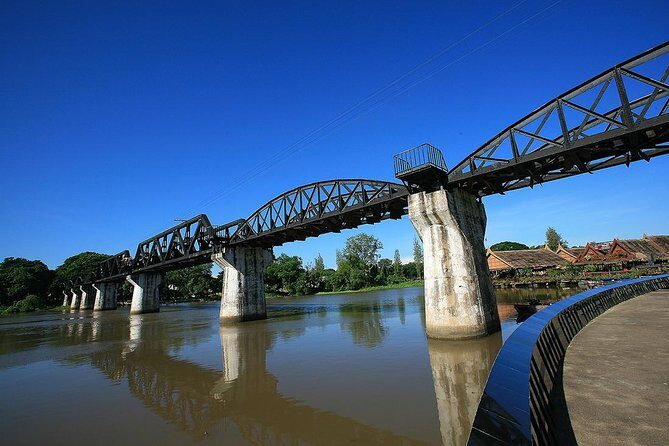 2 / 8
2 / 8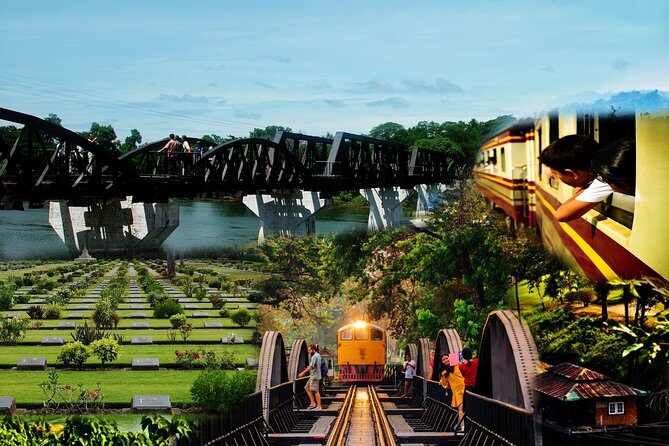 3 / 8
3 / 8 4 / 8
4 / 8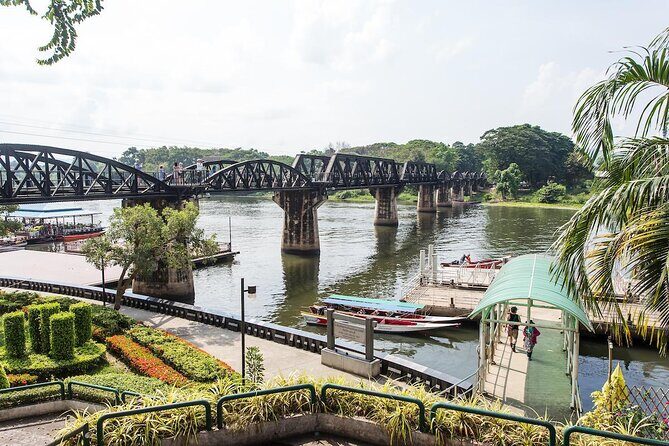 5 / 8
5 / 8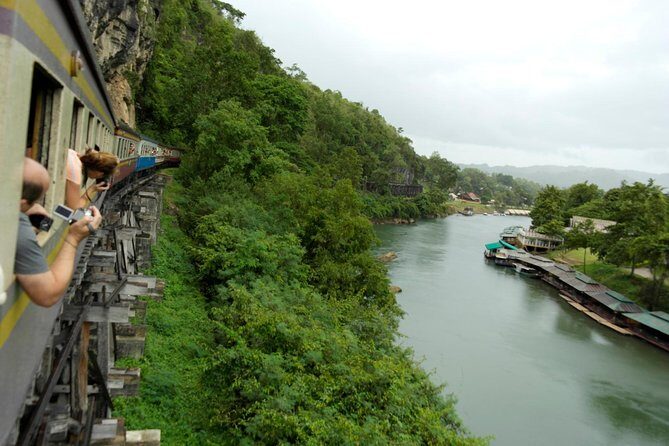 6 / 8
6 / 8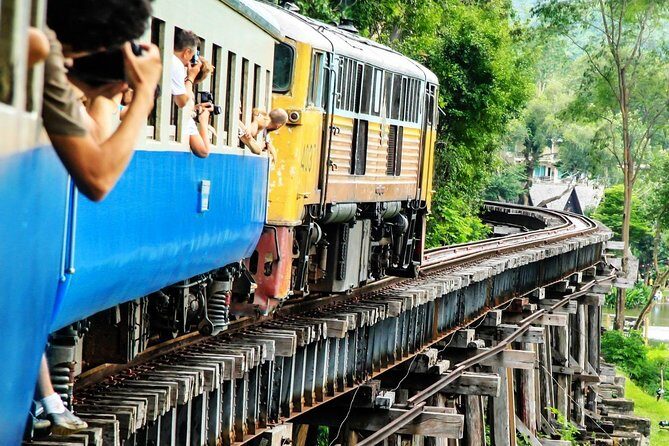 7 / 8
7 / 8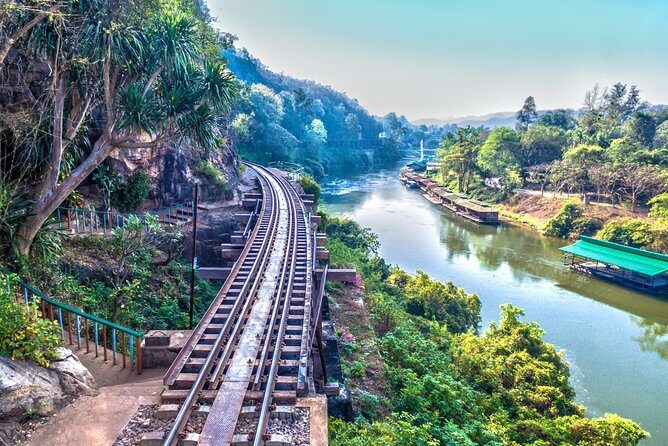 8 / 8
8 / 8Comprehensive itinerary: The tour covers a range of significant sites, including the historic bridge, war museums, cemetery, and a scenic train ride.
Knowledgeable guides: Guides are praised for their depth of knowledge, making the experience educational and engaging.
Value for money: At $91.29, the tour includes transport, museum entries, boat and train rides, and lunch—offering solid value for a full day of discovery.
Authentic experiences: Visitors appreciate the opportunity to walk across the bridge, see war relics, and reflect at the cemetery—these make the history tangible.
Transport and logistics: The tour involves a long drive from Bangkok, but it’s well-organized with air-conditioned vehicles and a mix of boat, train, and walking that keeps the day varied.
Mixed reviews on pace: Some travelers find the schedule a little hurried, especially at the cemetery and museum, so be prepared for limited time at each stop.
A Closer Look at the Itinerary
You can also read our reviews of more guided tours in Bangkok


Stop 1: River Kwai and Khwae Yai River
Starting with the scenic river that gave the tour its iconic name, the first stop is a chance to appreciate the natural beauty of the area. The Khwae Yai River flows through western Thailand, its source in the Tenasserim Hills. While the scenery is lovely, your main focus here is the significance of the river as the lifeline of the railway and its historical importance. This part sets the tone for understanding why this area is so memorable.
Stop 2: The Bridge on the River Kwai
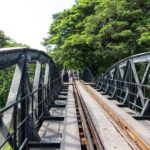
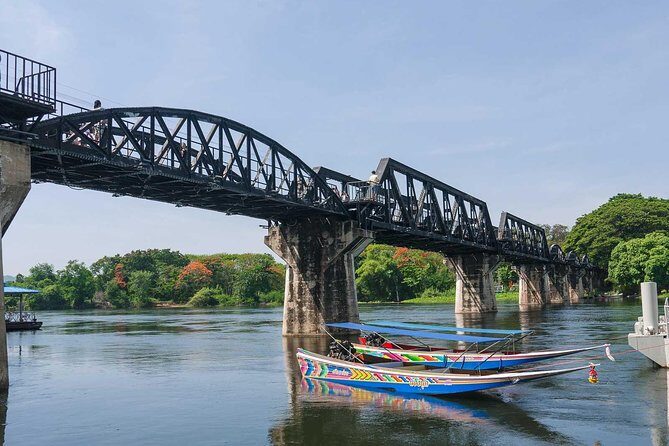
The star of the show, the Bridge on the River Kwai, is a real draw. Built during WWII as part of the Death Railway, it became famous worldwide thanks to the 1957 film and Pierre Boulle’s book. The construction from 1942 to 1943 was a brutal task, involving thousands of POWs forced into labor under terrible conditions. Standing on this bridge, you’ll understand why it carries such weight—not just as a piece of engineering but as a symbol of human suffering and resilience.
Visitors consistently comment on how emotional this site is. As one reviewer states, “You should take the time to reflect on what these men went through,” highlighting the emotional impact. The guide usually walks you across the bridge, giving context about its construction and significance.
Stop 3: Kanchanaburi War Cemetery
A visit to the war cemetery reinforces the human cost of the railway. This site is the main POW cemetery, meticulously maintained and a testament to the thousands who lost their lives. As one traveler remarked, “the war graves & museum are very moving,” and it’s a place that encourages respectful reflection.
Stop 4: JEATH War Museum
The JEATH Museum offers a visceral look at the hardships faced by POWs. Its collection includes letters, photos, drawings, and even an unexploded Allied bomb dropped to destroy the bridge—bringing history to life. The bamboo-built gallery mimics the shelters where POWs lived, offering a tangible sense of their difficult conditions.




Stop 5: Death Railway Museum and Research Centre
The final major stop is the Death Railway Museum, where you’ll learn about the railway’s construction and its impact. The museum’s displays shed light on the engineering feat and the human tragedy behind it. The train ride that follows adds a scenic and historic dimension, tracing parts of the railway path through lush valleys and mountains.
Experiential Highlights and Practicalities
Boat ride: The long-tailed speedboat ride along the river is a highlight, offering a different perspective of the landscape and a break from walking or sitting on the bus. Travelers describe it as “a wonderful experience,” and it’s included in the price, adding to the overall value.
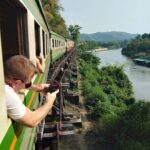
Train ride: The 75-minute train journey is an immersive way to see the railway’s terrain. You will need to pay a 300 Baht seat fee at the train station—something to budget for. The train is old but functional, and the ride provides a nostalgic glimpse into wartime logistics.
Lunch: A buffet lunch overlooking the river offers a chance to relax and enjoy Thai cuisine while taking in scenic views. Multiple reviews mention the quality of the meal as a pleasant surprise.
Transport: The tour uses air-conditioned vehicles, which is a relief after a long bus ride. The group size is limited to 15, ensuring a more intimate experience and easier interaction with guides.
Schedule: The tour starts early at 7:00 a.m. and roughly lasts nine hours. The itinerary is packed but thoughtfully arranged to maximize seeing each site, though some travelers feel they could use more time at certain stops.
Authenticity and Educational Value
What truly sets this tour apart is the guided commentary. Many guests praise guides like Oom for their knowledge, humor, and sensitivity. They help put the sites into perspective, explaining not just the facts but also the emotional story behind each location.
Visitors mention feeling both educated and moved. “This was a well-organized trip, but it was definitely rushed,” noted one traveler, emphasizing that while the schedule is tight, it’s still manageable with an attentive guide.
The inclusion of war relics, such as the unexploded bomb, and the well-maintained cemeteries, offers a rare, tangible connection to history. Walking across the bridge and visiting the cemetery turn this tour from a simple sightseeing day into a deeply personal experience.
Price and Overall Value
At $91.29 per person, the tour offers excellent value considering the transport, museum entries, boat and train rides, and a substantial buffet lunch. While the price doesn’t include beverages or the train seat fee, most reviewers feel the experience justifies the cost.
The tour’s strength lies in its balance of scenic beauty, historical sites, and meaningful reflection. It’s a full day, but the variety keeps it engaging, especially with the transport modes providing different ways to experience the landscape.
Who Should Book This Tour?
This trip is perfect for history buffs, especially those interested in WWII, or anyone looking to understand a significant part of Southeast Asian history. It’s also suitable for travelers who don’t mind a bus-heavy day and appreciate guided storytelling.
If you’re traveling with family, note that some stops involve walking and stairs, so check if the schedule suits your group’s pace. The tour is best suited to those who want a structured experience but with enough room for reflection.
Final Thoughts
The Bridge on the River Kwai and Thailand-Burma Railway Tour offers an engaging, respectful, and visually stunning way to explore a somber chapter of history. Thanks to knowledgeable guides and a well-thought-out itinerary, you’ll come away with a solid understanding of the railway’s significance—and perhaps a new appreciation for the resilience of those who endured so much.
While it’s a long day and some may find the schedule tight, the memories and insights gained make it a worthwhile journey. It’s best suited for curious travelers eager to connect with history in an authentic setting, who value good guidance and scenic experiences.
Bridge on the River Kwai and Thailand-Burma Railway Guided Tour
FAQs
Is hotel pickup included?
Yes, the tour includes pickup and drop-off from centrally located Bangkok hotels, making it convenient for most travelers staying in the city.
How long is the total tour?
The tour lasts approximately nine hours, starting at 7:00 a.m., covering multiple sites, boat and train rides, and a scenic lunch.
Do I need to pay extra for the train seat?
Yes, there is a mandatory 300 Baht fee payable at the train station, which guarantees your seat on the train.
What’s the group size?
The tour limits groups to a maximum of 15 travelers, ensuring a more personal and engaging experience.
Is the tour suitable for children?
Children under 100cm are eligible for a lower price; those taller will pay adult rates. The relaxed pacing generally suits families, but consider your children’s stamina for a long day.
What if I want a private experience?
Options are available for private tours with your own vehicle and guide, providing more flexibility and comfort if you prefer a tailored experience.