If you’re considering a visit to Hiroshima and want a way to experience its profound history without feeling rushed or overwhelmed, this half-day private guided walking tour might just be what you need.
Led by a guide who is the son of an A-bomb survivor, this experience promises more than just sightseeing – it offers an intimate look into Hiroshima’s resilience, narrated from someone with a deeply personal connection to the city’s past.
What we love about this tour is how it balances important historical sites with heartfelt storytelling. The guide’s family history adds an authentic dimension that often gets lost in more generic tours. Also, the small group setting and flexible itinerary mean you get a more personalized, reflective experience.
One thing to consider is that the tour covers a lot in just four hours, so it requires some walking and mental engagement—you’ll want to be ready to absorb and reflect.
This tour is ideal for travelers who value authentic storytelling, meaningful encounters, and a respectful approach to sensitive history. Whether you’re a history buff, a curious traveler, or someone seeking a personal connection to Hiroshima’s past, this experience offers a compelling way to deepen your understanding of this resilient city.
- Key Points
- Walking Through Hiroshima: An In-Depth Look at the Tour
- Starting at the Atomic Bomb Dome
- Resting at the Hiroshima Peace Park Rest House
- Visiting the Hiroshima Peace Memorial Hall
- Saiko-ji Temple and the Evidence of Devastation
- The Children’s Peace Monument and the Story of Sadness and Hope
- The Flame of Peace and Its Symbolism
- Local Lunch and Cultural Connection
- The Hiroshima Peace City Monument and Museum
- Why This Tour Is Worth It
- Who Will Love This Tour?
- Frequently Asked Questions
- Final Thoughts
- More Walking Tours in Hiroshima
- More Tours in Hiroshima
- More Tour Reviews in Hiroshima
Key Points

- Personal Storytelling: Led by a guide with direct family ties to Hiroshima’s history, adding emotional depth.
- Comprehensive Landmarks: Visits to iconic sites like the Atomic Bomb Dome, Peace Memorial Hall, and Peace Museum.
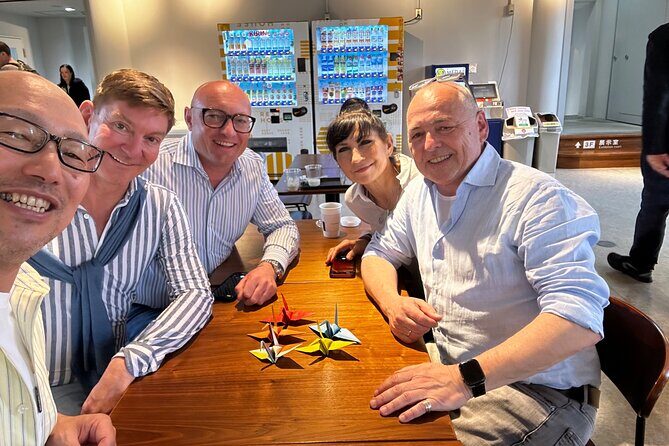
- Authentic Experience: Includes cultural elements like origami and local lunch options, making it engaging beyond just history.
- Balanced Itinerary: Carefully curated stops that balance emotional impact with educational value.
- Value for Price: For $200, you receive a private, insightful tour that covers key sites and personal stories—worth the investment.
- Accessible and Thoughtful: Most travelers can participate, with considerations for children over age 12 due to graphic content.
Walking Through Hiroshima: An In-Depth Look at the Tour
You can also read our reviews of more walking tours in Hiroshima

Starting at the Atomic Bomb Dome
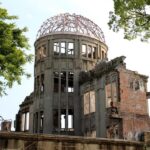
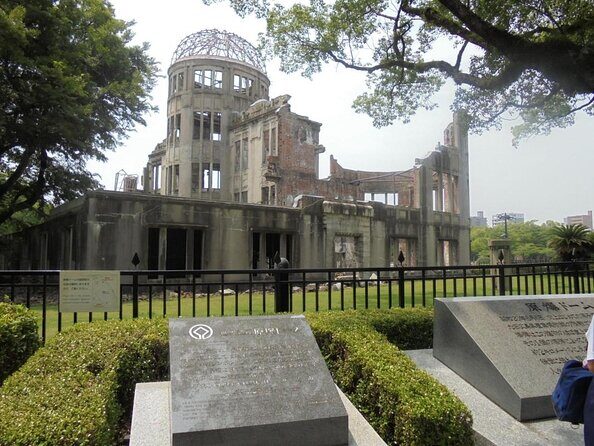
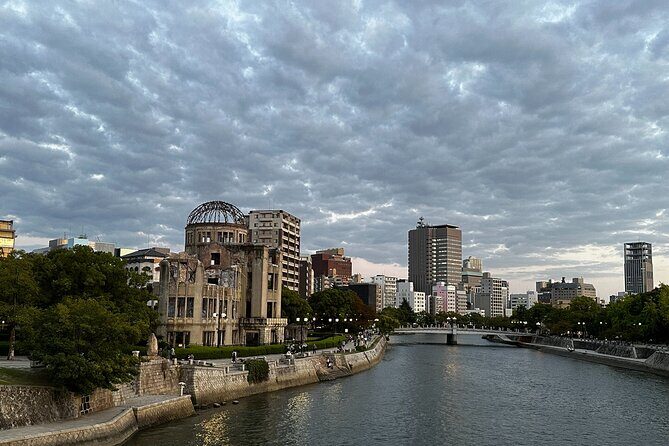
The tour kicks off at Hiroshima’s most recognizable landmark — the Atomic Bomb Dome. This building, which miraculously survived the blast, is a stark reminder of the devastation. Standing here, in the heart of the Peace Park, you can’t help but feel the weight of history. Our guide points out the structural details and shares insights into what it symbolized immediately after the explosion. It’s a brief stop—about 20 minutes—but the emotional impact lasts much longer.
According to reviews, visitors appreciate the way the guide enriches this experience. One said, “Our guide injected personal insight into our tour of the Peace Garden and local monuments,” making the historical significance more personal and memorable. The free admission makes it accessible, but the stories you’ll hear add priceless context.
Resting at the Hiroshima Peace Park Rest House
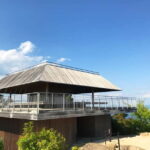
Next, the tour pauses at a significant surviving building—the Rest House. This site functions as a tourist info center today, but it houses a small museum and an origami activity in the basement. It’s a quiet, contemplative space where you can soak in the atmosphere and perhaps make your own paper crane—a symbol of hope and peace.
Guests have shared that this stop offers a gentle break and a chance to reflect. It’s a meaningful spot for those interested in survivor stories, as the basement contains a small museum dedicated to Hiroshima’s survivors.
Visiting the Hiroshima Peace Memorial Hall
The next stop takes us to the Peace Memorial Hall—a somber space that houses photographs, testimonials, and a poignant image of the hypocenter of the blast. Standing at ground level where the bomb exploded, you get a visceral sense of the destruction. The hall’s quiet solemnity invites reflection, and the guide’s explanations help you grasp the significance of this site.
Many reviewers mention how the guide’s personal connection enhances this moment. “He shared his family’s story, which made the site feel more real,” one reviewer noted. This personal perspective transforms what could be just another tourist spot into a heartfelt experience.
Saiko-ji Temple and the Evidence of Devastation
A short visit to Saiko-ji Temple reveals the physical evidence of the blast’s heat and force. The temple’s remains show burn marks and structural damage, illustrating the incredible heatwave produced by the explosion. It’s a sobering reminder of the destructive power of nuclear weapons.
Travelers appreciate seeing these tangible signs of the event. As one reviewer said, “It was impactful to see how the blast’s force could leave such visible evidence, even now.”
You can also read our reviews of more guided tours in Hiroshima




The Children’s Peace Monument and the Story of Sadness and Hope
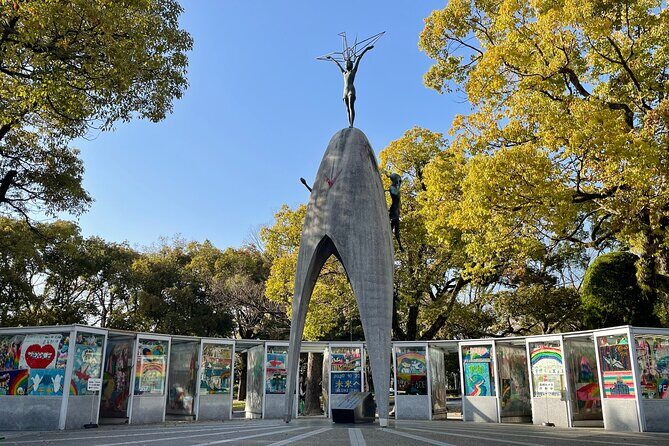
The tour then moves to the Children’s Peace Monument, where you’ll hear the story of Sadako Sasaki, the girl famed for folding paper cranes while suffering leukemia from radiation. She believed in the Japanese tradition that cranes symbolize peace and hope. This emotional story adds a human layer to the tour, reminding us of the innocent lives affected.
Guests have commented on how meaningful this stop is. One said, “The story of Sadako and the cranes made the history feel alive and personal,” emphasizing the power of storytelling in this context.
The Flame of Peace and Its Symbolism
Next, the guide takes you to the Peace Flame, which has a lasting significance. The flame has burned since the 1950s, symbolizing Hiroshima’s commitment to peace and the hope that nuclear war will never happen again. It’s a quiet, powerful moment to take in the symbolism.
Local Lunch and Cultural Connection
After these poignant stops, the tour offers a well-deserved lunch break near Peace Memorial Park. The guide introduces local restaurants serving Hiroshima-style okonomiyaki, ramen, or sushi—catering to various dietary preferences, including vegetarian, vegan, and gluten-free options. This is an excellent way to enjoy authentic Hiroshima cuisine and recharge before continuing.
Reviewers have highlighted the value of this meal. One shared, “The guide’s restaurant recommendations made our lunch feel like a true local experience,” which helps travelers connect with the city beyond its history.
The Hiroshima Peace City Monument and Museum
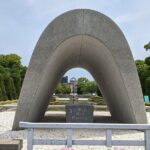
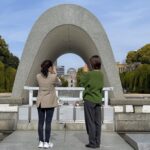
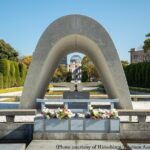
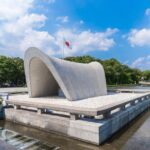
The tour’s penultimate stop is the Cenotaph for the Atomic Bomb Victims, with the guide explaining its shape and significance. This monument’s design is meaningful, aiming to symbolize shelter and remembrance.
Finally, you’ll visit the Hiroshima Peace Memorial Museum, which offers a deeper dive into the aftermath and recovery of Hiroshima. The museum’s exhibits include photographs, personal stories, and artifacts. It’s important to note that some graphics might not suit very young children, but for most adults and older children, it’s a vital part of understanding Hiroshima’s story.
For many, the museum is the emotional climax of the tour. One reviewer described it as “a powerful, moving experience that helps you truly understand the scars and resilience of Hiroshima.”
Why This Tour Is Worth It
For $200 per person, you’re paying for a private, intimate experience that combines history, culture, and personal storytelling. The guide’s background as a family survivor ensures that you’re getting insights that are heartfelt and authentic—something you won’t find in larger group tours. The stops are carefully chosen for their emotional and educational impact, with a good balance between somber reflection and cultural engagement.
The tour’s length—around four hours—strikes a balance, giving enough time to absorb the significance of each site without feeling rushed. The inclusion of local restaurant recommendations adds a practical touch, making your visit more enjoyable and authentic.
Most reviews give this tour a perfect rating, with many travelers noting how the guide’s personal stories and knowledgeable explanations made their Hiroshima visit unforgettable. The small-group or private format also allows for flexible, responsive conversations, which are crucial when discussing such a sensitive subject.
Who Will Love This Tour?
This experience is perfect for those who want more than a superficial overview. It’s ideal if you appreciate heartfelt storytelling and authentic cultural exchanges. History buffs, families, and solo travelers seeking a meaningful connection with Hiroshima’s past will find this tour especially valuable. If you’re traveling with children over 12 who can handle graphic content, they’ll also benefit from the emotional depth.
However, if you’re looking for a quick overview with minimal walking, this might feel a bit intensive. The tour is best suited for those willing to engage emotionally and reflectively with Hiroshima’s story.
Frequently Asked Questions
Is this tour suitable for children?
Most travelers can participate, but graphic images and emotional stories may not be suitable for children under 12.
How long does the tour last?
Approximately four hours, covering key sites with time for reflection at each stop.
Does the tour include transportation?
No, it’s a walking tour with no private transportation provided, so be prepared for some walking.
What is included in the price?
The guide fee is included. Entrance to the Peace Memorial Museum costs 200 JPY per adult, and some other sites are free.
Can I customize the tour?
Since it’s a private tour, the guide can potentially tailor some parts, especially the lunch options or specific interests.
Is the tour accessible for people with mobility issues?
Most stops are on foot and involve some walking, but it’s best to check directly with the provider for specific needs.
How do I book this tour?
It is recommended to book at least two months in advance, as it’s a popular experience with an average booking lead time of 61 days.
What language is the tour conducted in?
The tour is led by an English-speaking guide.
Are meals included?
No, lunch is not included. The guide will recommend local restaurants instead.
Can I cancel the tour?
Yes, there is free cancellation up to 24 hours before the tour, with a full refund.
Half Day Private Guided Walking Tour in Hiroshima City
Final Thoughts
This private Hiroshima tour offers a rare chance to connect deeply with the city’s history through personal stories and meaningful landmarks. The guide’s background as a survivor’s son adds authenticity that elevates the experience beyond typical sightseeing. It’s a well-structured, respectful, and emotionally impactful way to understand Hiroshima’s resilience and hope.
If you’re seeking a tour that combines education, cultural insight, and heartfelt storytelling, this is an excellent choice. It’s especially suited for travelers who want a personalized experience, are comfortable with walking, and appreciate authentic dialogue about complex history.
For anyone eager to learn more about Hiroshima in a respectful and genuine way, this tour delivers on all fronts—leaving you with not just facts, but feelings and a new appreciation for resilience and peace.