
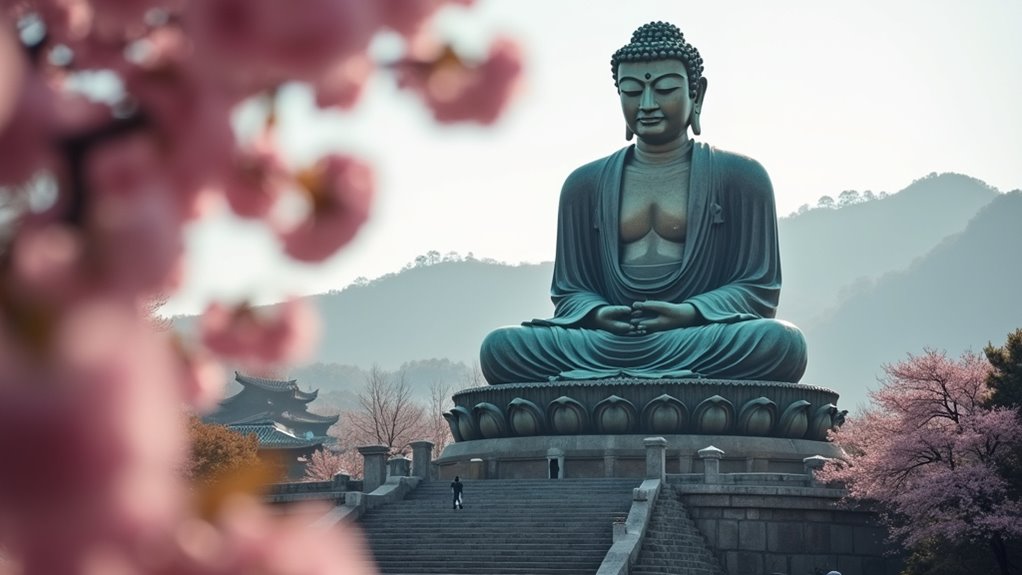
Kamakura packs centuries of Japanese history into a compact coastal city that won’t break the bank. Travelers can explore ancient temples, hike scenic trails, and catch ocean views—all within walking distance or a short train ride. The former capital offers everything from massive bronze Buddhas to tranquil bamboo groves, plus beach time that most temple towns can’t match. Smart visitors know there’s a strategy to experiencing Kamakura’s highlights without the crowds.
- Marvel at the Great Buddha Bronze Statue at Kotoku-in Temple
- Explore Hasedera Temple’s Wooden Kannon Statue and Gardens
- Visit Tsurugaoka Hachimangu Shrine and Its Treasure Collection
- Find Peace in Hokokuji Temple’s Bamboo Forest
- Ride the Enoden Electric Railway Along the Coast
- Sample Street Food and Shop on Komachi-dori Street
- Hike the Daibutsu Trail for Mountain Views
- Discover Zeniarai Benzaiten Shrine’s Money-Washing Ritual
- Walk Through Sasuke Inari Shrine’s Thousand Torii Gates
- Relax at Yuigahama Beach After Temple Hopping
Marvel at the Great Buddha Bronze Statue at Kotoku-in Temple
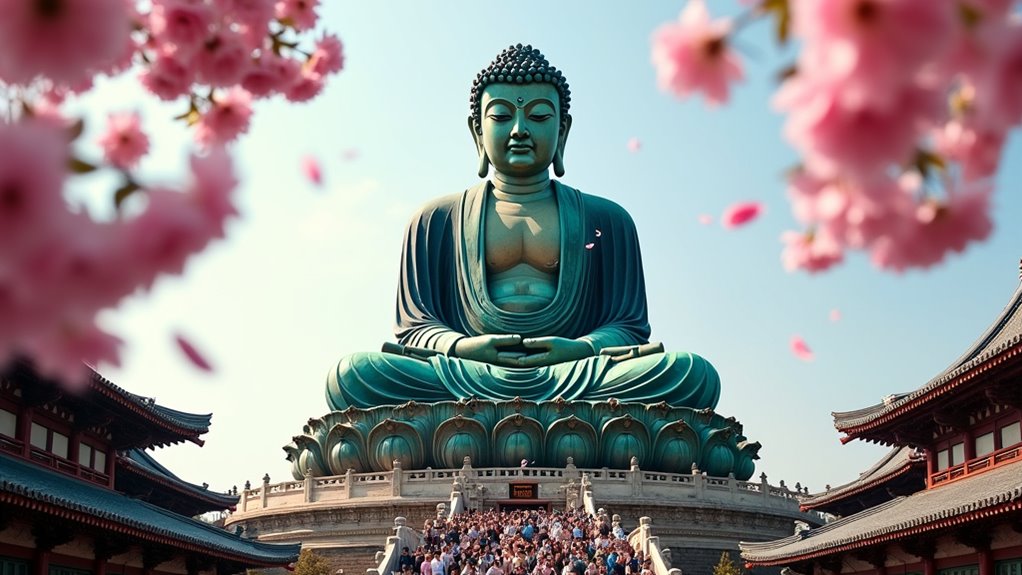
Standing majestically at over 43 feet tall, the Great Buddha of Kamakura commands attention as Japan’s second-largest bronze Buddha statue and the city’s most iconic attraction. Cast in 1252, this National Treasure represents Amida Buddha in peaceful meditation.
Originally sheltered in a wooden hall, the statue now sits outdoors after typhoons and earthquakes damaged its protective structure during the Edo period.
Visitors can admire the impressive bronze craftsmanship for just 300 yen entrance fee. For those wanting a closer look, they’ll pay an additional small fee to actually step inside the hollow statue—a unique experience that reveals the ancient casting techniques.
The serene expression and masterful proportions make this centuries-old monument worth the trip alone, offering both spiritual reflection and historical appreciation.
Explore Hasedera Temple’s Wooden Kannon Statue and Gardens
Just a short distance from the Great Buddha, Hasedera Temple offers visitors another spiritual masterpiece with its towering wooden Kannon statue—an 11-headed goddess of mercy that’s equally impressive but distinctly different from Kotoku-in’s bronze monument. The temple’s wooden craftsmanship creates an intimate atmosphere that contrasts beautifully with the outdoor bronze experience.
Beyond the statue, Hasedera’s gardens provide exceptional value for the 400 yen admission fee. Visitors can wander through meticulously maintained grounds featuring colorful koi ponds, stone lanterns, and peaceful waterfalls.
The viewing platforms offer stunning city vistas that’re perfect for photos. Whether you’re drawn to the spiritual significance or simply want to enjoy traditional Japanese garden design, Hasedera delivers a complete cultural experience.
Visit Tsurugaoka Hachimangu Shrine and Its Treasure Collection
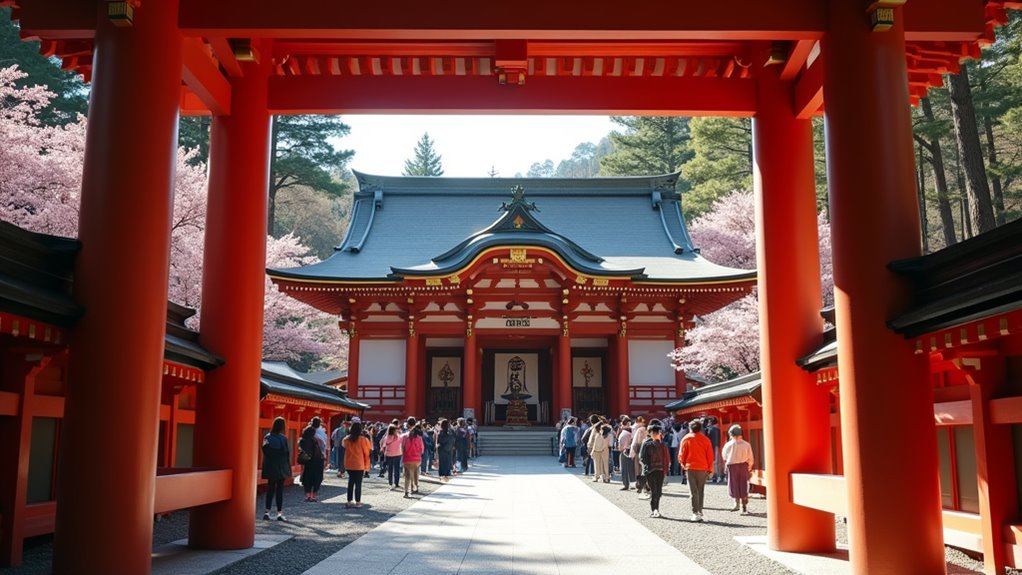
Located just a 10-minute walk from Kamakura Station along a scenic tree-lined approach, Tsurugaoka Hachimangu Shrine stands as the city’s most important religious site—and it’s completely free to explore the main grounds.
This 800-year-old shrine honors Hachiman, the guardian deity of warriors and the Minamoto clan, sprawling across multiple acres of beautifully maintained grounds.
While wandering the expansive complex costs nothing, budget-conscious visitors can decide whether to pay extra for the treasure hall, which houses National Treasures including ancient swords and woven artifacts.
The shrine’s museums, cafes, and traditional tea house provide additional paid experiences.
Don’t miss the main worship hall and surrounding buildings, which offer impressive architecture and cultural significance without any entrance fees required.
Find Peace in Hokokuji Temple’s Bamboo Forest
Beyond the bustling shrine grounds, Hokokuji Temple offers one of Kamakura’s most tranquil experiences through its expansive bamboo forest that spans the entire temple property. Visitors can wander through towering bamboo groves that create a natural cathedral of green light and gentle rustling sounds.
The temple’s thoughtful design incorporates traditional Japanese aesthetics throughout its gardens and architecture.
What makes this spot special is the opportunity to enjoy green tea within the bamboo setting—a meditative experience that’s worth the small additional fee.
The temple showcases seasonal displays year-round, from spring cherry blossoms to vibrant autumn foliage.
It’s easily incorporated into temple-hopping itineraries, providing a peaceful contrast to Kamakura’s busier attractions.
The bamboo forest creates an Instagram-worthy backdrop while offering genuine serenity.
Ride the Enoden Electric Railway Along the Coast
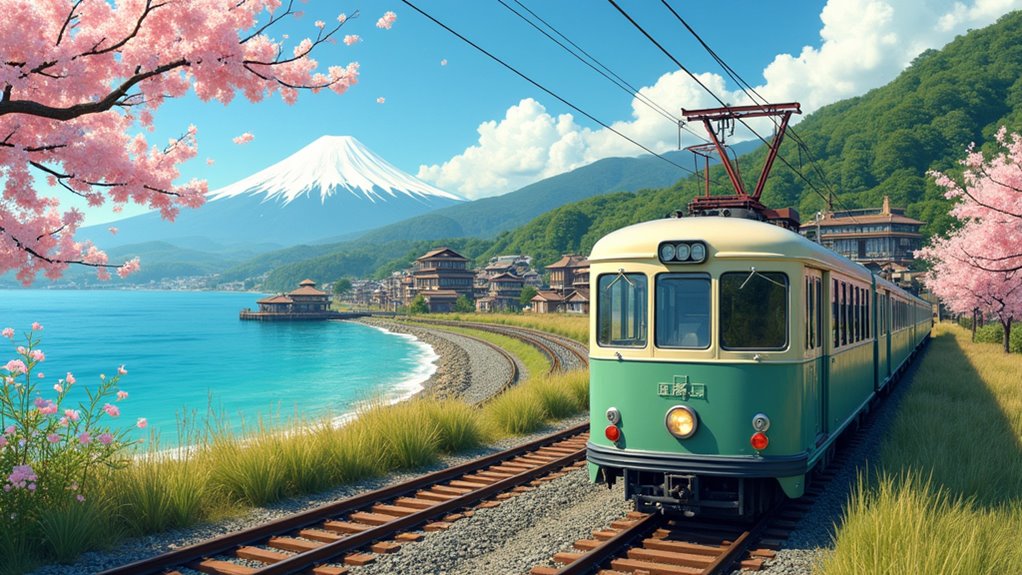
While most visitors focus on individual temples and shrines, the Enoden Electric Railway transforms getting around into an attraction itself. This charming seaside train connects Kamakura’s major sights while offering spectacular ocean views that you’d miss walking between destinations.
The single-car trains rumble past residential neighborhoods, surf shops, and coastal stretches where locals hang laundry and tend small gardens. Windows frame constantly changing scenery as the line winds toward Enoshima Island.
You’ll catch glimpses of surfers, fishing boats, and traditional houses squeezed between modern developments.
Smart travelers buy a day pass to hop on and off at different stops, making temple visits more efficient while enjoying the journey itself. The Enoden isn’t just transportation—it’s a window into everyday Japanese coastal life.
Sample Street Food and Shop on Komachi-dori Street
After exploring Kamakura’s temples and riding the scenic railway, hunger inevitably strikes—and Komachi-dori Street delivers the perfect solution. This bustling thoroughfare runs directly from Kamakura Station, making it impossible to miss.
Street food vendors line the pedestrian-friendly street, offering shirasu—the local seafood delicacy that’s become Kamakura’s signature dish. Try it raw over rice or tempura-style for about 600-800 yen.
Sweet shops tempt visitors with freshly made mochi, soft-serve ice cream, and traditional Japanese confections.
Between bites, browse souvenir shops and local boutiques without breaking the bank. The street buzzes with energy as travelers and locals mingle, creating an authentic Japanese shopping experience.
It’s the ideal spot to refuel before continuing your Kamakura adventure.
Hike the Daibutsu Trail for Mountain Views
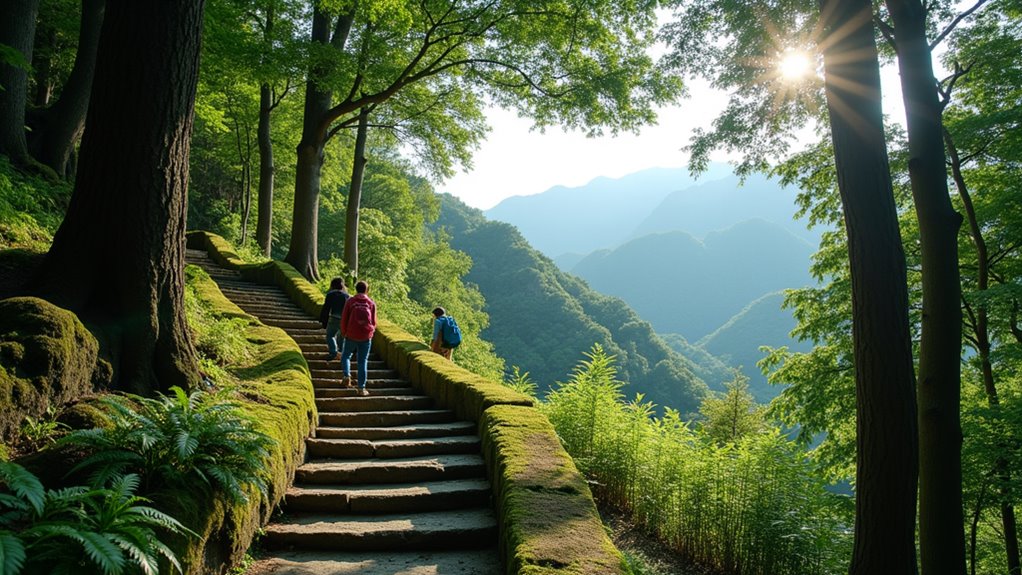
When visitors crave escape from Kamakura’s crowded temples and bustling streets, the Daibutsu Trail offers an invigorating alternative through forested hills and scenic overlooks.
This moderate hiking route connects Kita-Kamakura Station to the Great Buddha, winding through peaceful woodlands and traditional residential neighborhoods.
The trail takes roughly 90 minutes to complete and doesn’t require any entrance fees, making it perfect for budget-conscious travelers.
Hikers encounter stunning panoramic views of Sagami Bay and Mount Fuji on clear days.
The path features well-marked signs in Japanese and English, though sturdy walking shoes are essential due to uneven terrain and occasional steep sections.
Along the way, small shrines and stone markers provide rest stops and photo opportunities.
This hidden gem lets adventurous visitors experience Kamakura’s natural beauty while avoiding tourist crowds.
Discover Zeniarai Benzaiten Shrine’s Money-Washing Ritual
From mountain trails to mystical rituals, Kamakura’s spiritual experiences extend beyond its famous temples. Zeniarai Benzaiten Shrine offers visitors a unique money-washing ceremony that’s believed to multiply wealth. Tucked away in a cave-like setting, this intimate shrine creates an otherworldly atmosphere where locals and travelers wash coins and bills in the sacred spring water.
The ritual costs nothing except the money you choose to wash—most people use small denominations. Visitors receive bamboo baskets and ladles to cleanse their currency while making wishes for financial prosperity.
The shrine’s secluded location requires a short walk through residential streets, making it feel like discovering a hidden secret. This authentic cultural experience provides insight into Japanese spiritual practices without the crowds found at major temples.
Walk Through Sasuke Inari Shrine’s Thousand Torii Gates
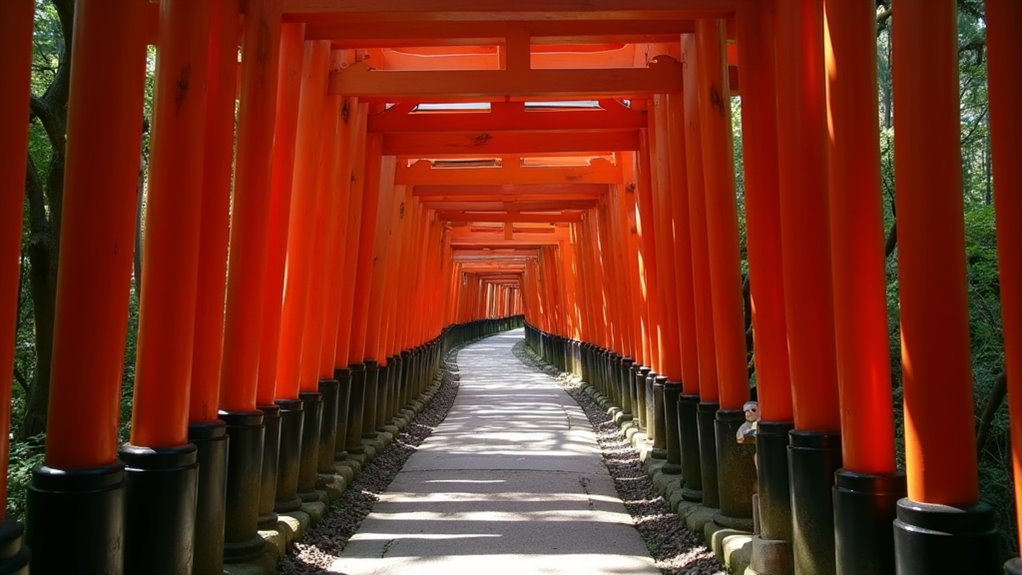
While most visitors flock to Kamakura’s famous temples, Sasuke Inari Shrine offers a magical tunnel experience that rivals Kyoto’s renowned Fushimi Inari. Hundreds of bright vermillion torii gates create winding pathways up the hillside, forming photogenic tunnels that photographers absolutely love.
The shrine’s tucked away in a residential area, making it feel like a hidden gem that many travelers miss. Visitors can explore the atmospheric trails for free, wandering through the gate-lined paths while foxes statues watch from the shadows.
The climb’s manageable for most fitness levels, taking about 20-30 minutes to explore thoroughly.
Early morning visits offer the best lighting and fewer crowds for photos. It’s easily accessible by foot from central Kamakura, making it perfect for budget travelers seeking Instagram-worthy shots without entrance fees.
Relax at Yuigahama Beach After Temple Hopping
After exploring Kamakura’s spiritual sites and snapping photos at hidden shrines, visitors often crave a complete change of pace – and Yuigahama Beach delivers exactly that.
This sandy stretch sits just minutes from the temple district, making it perfect for unwinding after hours of walking on ancient stone paths.
The beach offers free access and stunning views of Sagami Bay. Visitors can rent beach chairs during summer months or simply spread out towels on the sand.
Local food stalls sell affordable snacks and cold drinks, while nearby restaurants serve fresh seafood including Kamakura’s famous shirasu.
The Enoden railway connects directly to Yuigahama Station, making transportation effortless.
Whether swimming in summer or enjoying peaceful walks year-round, this coastal escape perfectly balances Kamakura’s cultural richness.