Travelers seeking a taste of Nepal’s stunning mountain scenery, diverse ecosystems, and vibrant local cultures will find this 12-day Annapurna Circuit Trek highly appealing. Organized by CAN Travels and rated 5 out of 5 based on 12 reviews, this tour promises well-managed logistics, expert guides, and authentic experiences that go beyond just looking at pretty pictures.
Whether you’re an experienced trekker or a seasoned adventurer, this journey offers a chance to challenge yourself while soaking in some of the most iconic Himalayan vistas.
What we love about this trek? First, the expert guidance from knowledgeable Sherpa guides who not only ensure safety but share fascinating insights into local customs and mountain lore. Second, the stunning variety of landscapes, from lush valleys to arid high-altitude terrains, makes each day a new adventure. The one thing to consider? It involves some long days of trekking—up to 9 hours—so a good level of fitness is essential.
This trek suits travelers who enjoy physical activity, cultural exploration, and awe-inspiring mountain views, as well as those who want a comprehensive Nepal experience without sacrificing comfort.
- Key Points
- A Comprehensive Breakdown of the Trekking Experience
- Starting in Kathmandu: Setting the Stage
- From Kathmandu to Chame: Crossroads of Culture and Nature
- Entering the Upper Manang Valley
- Acclimatization and Cultural Exploration in Manang
- Ascending to Thorong Khola and Thorong La
- Crossing Thorong La: The Mountain’s Heart
- Lowering Altitude and Cultural Encounters
- Transitioning to Pokhara and Kathmandu
- What Makes This Trek Stand Out?
- Guided by Experienced Sherpas
- Spectacular Mountain Views
- Cultural Encounters
- Well-Organized Logistics
- Value for Money
- The Critical Consideration
- Who Is This Trek Ideal For?
- Final Thoughts
- Summary
- FAQ
- More Hiking & Trekking Tours in Kathmandu
- More Tour Reviews in Kathmandu
Key Points
- Expert guides ensure safety, cultural insight, and a smooth experience.
- Diverse scenery from green valleys to high-altitude deserts.
- Well-organized logistics with comfortable accommodations and permits.
- Authentic cultural encounters with Gurungs, Manangis, and Tibetans.
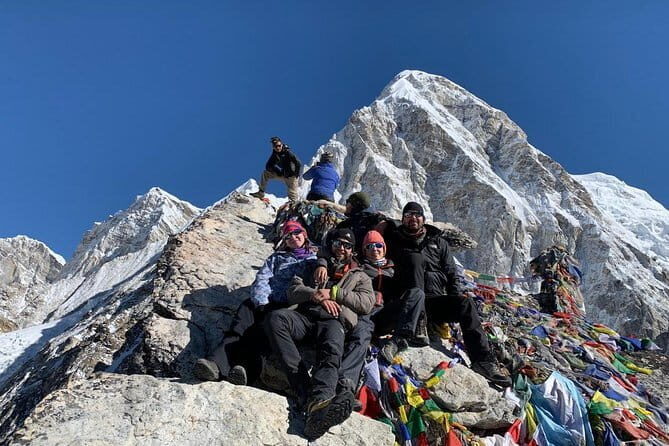
- Challenging passes like Thorong La (5,416m) offer a sense of achievement.
- Value for money at $680, including accommodation, permits, and transfers.
A Comprehensive Breakdown of the Trekking Experience
You can also read our reviews of more hiking tours in Kathmandu
Starting in Kathmandu: Setting the Stage
The tour kicks off in Kathmandu, the bustling heart of Nepal. After a short briefing upon arrival, you’re free to explore Thamel, the city’s lively tourist hub. This initial day offers a gentle introduction and a chance to acclimate to the altitude before heading into the mountains. The hotel stays in Kathmandu and Pokhara are included, providing a comfortable base for your journey.
From Kathmandu to Chame: Crossroads of Culture and Nature
Your adventure begins with a scenic drive that takes approximately 9 hours, crossing rivers like the Trishuli and Marsyangdi. The ride itself is a highlight—winding through Nepal’s lush, terraced landscapes and giving you a preview of what lies ahead. You’ll arrive in Chame, a charming town surrounded by pine forests. The journey emphasizes the importance of acclimatization, preparing your body for the high altitudes to come.
Entering the Upper Manang Valley
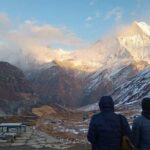
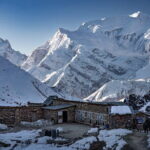
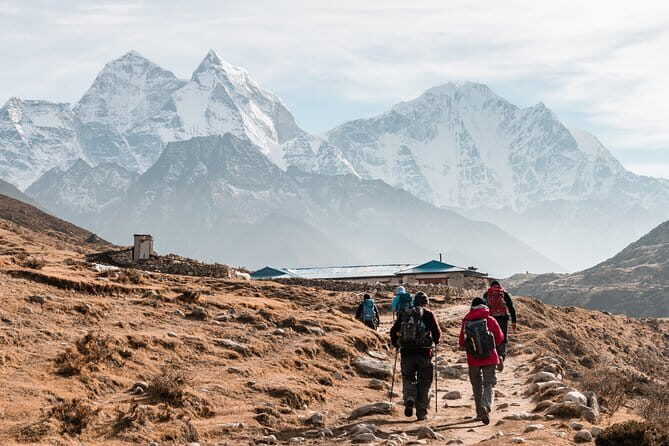
On Day 3, you’ll trek through Telekhu and enjoy views of the Annapurna Range and Mt. Pisang before crossing suspension bridges and ascending into the upper Manang Valley. Arriving at Pisang, you’ll be greeted by stunning mountain vistas and the quiet serenity of this remote area. The route’s natural beauty is complemented by the rich local culture, evident in the architecture and the friendly villagers.
Acclimatization and Cultural Exploration in Manang
Spending extra days in Manang is essential for adjusting to the increasingly thin air. During your stay, you’ll trek to Braga, a Tibetan-influenced village with notable monasteries and traditional architecture. From here, you’ll get sweeping views of peaks like Annapurna II and III, Gangapurna, and Tilicho. Multiple reviews praise guides like Krishna for their patience and knowledge, making the cultural insights even more enriching.
Ascending to Thorong Khola and Thorong La
The journey continues with a 6-hour uphill trek to Yak Kharka, passing through juniper forests and grazing yaks. The next day’s goal is Thorong Phedi, the foothills of Thorong La Pass. Here, the ascent becomes more challenging, especially at higher altitudes, but the sense of achievement is worth every step. Some trekkers mention the possibility of spotting legendary animals like blue sheep and snow leopards, adding a touch of adventure to the rugged landscape.
Crossing Thorong La: The Mountain’s Heart
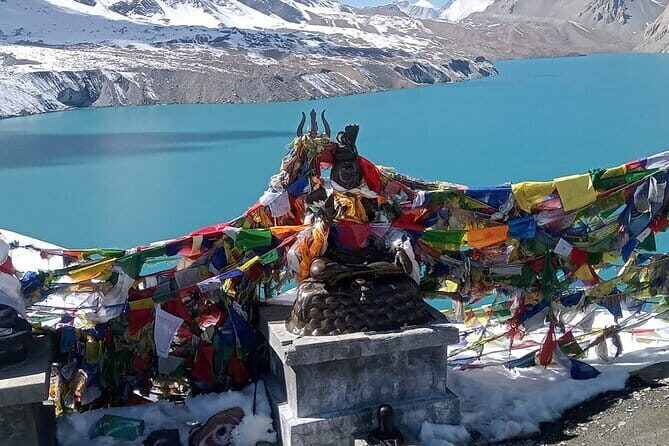
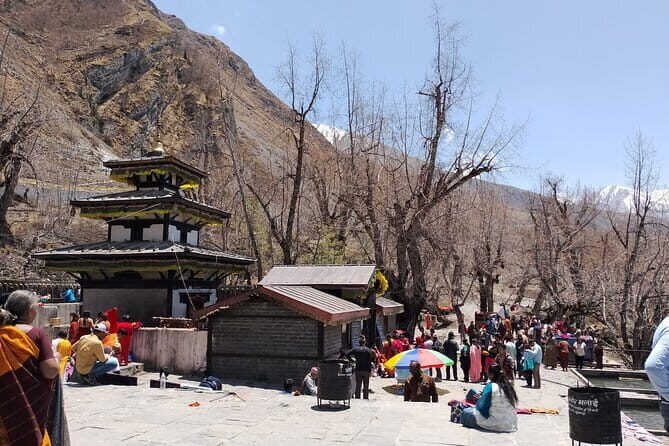
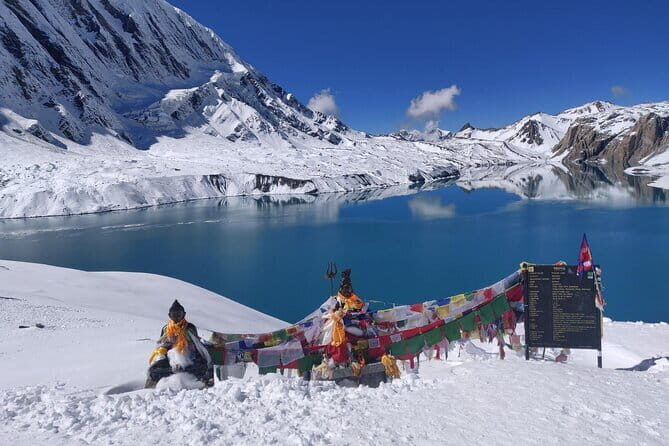
Day 8 is the most physically demanding, with an 8-9 hour hike over the Thorong La Pass at 5,416 meters. The views from the top are nothing short of spectacular—panoramas of Annapurna, Gangapurna, and Khatungkang dominate the horizon. The descent into Muktinath, a spiritual site with a revered temple, offers relief from the climb and a chance to reflect on the achievement.
Lowering Altitude and Cultural Encounters
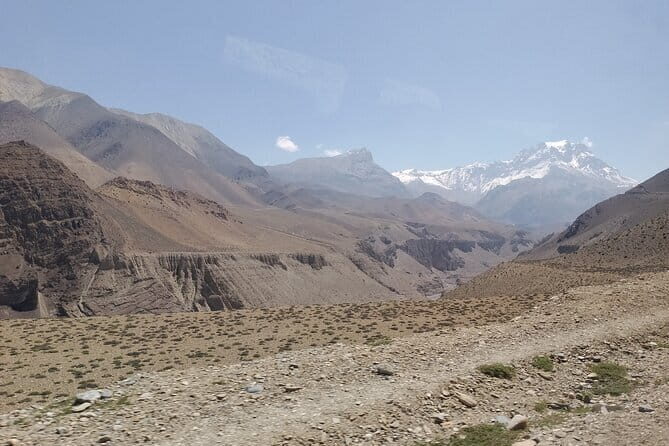
From Muktinath, the trek descends through lush meadows and orchards, passing Kagbeni before reaching Jomsom in the Kali Gandaki Valley. The transition from arid highlands to greener lands provides a visual contrast and a welcome break for your legs. The reviews consistently mention the excellent management and friendly guides, with guide Biru frequently highlighted for his caring attitude and mountain culture knowledge.
Transitioning to Pokhara and Kathmandu
After a scenic drive to Pokhara, you’ll spend a day relaxing by the lake—an ideal way to unwind after days of high-altitude trekking. The final leg takes about 7-8 hours on a local bus back to Kathmandu, bringing your adventure full circle. Many travelers find this part of the journey both scenic and reflective, as they look back on their mountain memories.
What Makes This Trek Stand Out?
Guided by Experienced Sherpas
One of the most praised aspects of this experience is the knowledgeable guiding team. Several reviews mention guides like Biru, Krishna, and Amrit, emphasizing their friendliness, cultural insights, and safety-conscious approach. Their local expertise enhances the journey, turning what could be just a physical challenge into a meaningful cultural exchange.
Spectacular Mountain Views
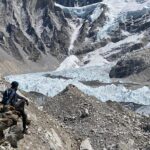
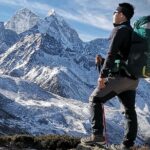
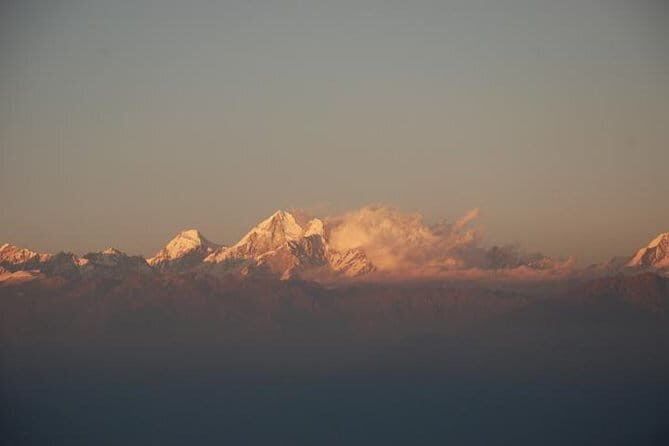
Expect stunning panoramas of some of the Himalayas’ most iconic peaks—Annapurna, Dhaulagiri, and Manaslu. The variety of terrains, from lush valleys to high passes, keeps the scenery fresh and engaging all along the route.
Cultural Encounters
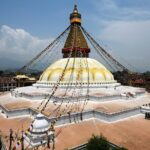
The diversity of ethnic groups, including Gurungs, Manangis, and Tibetans, adds depth to your trek. Visiting monasteries, seeing Buddhist stupas, and interacting with villagers offer authentic glimpses into mountain life that travelers rarely experience from a bus or a hotel.
Well-Organized Logistics
The entire itinerary is designed for smooth travel. Transfers, permits, and accommodations are arranged, so you can focus on the trek itself. Staying in guesthouses during the trek, with private trekking poles provided, adds comfort without sacrificing authenticity.
Value for Money
At $680 per person, the price includes transportation, permits, and accommodation in Kathmandu and Pokhara. Travelers report that the value offered—considering the scenery, cultural encounters, and guiding—far exceeds the cost. Food and drinks are extra, but with an average of around $25 per day, they are manageable.
The Critical Consideration
While this trek is praised for its organization and guides, it’s physically demanding. Some reviews highlight long trekking hours—up to 9 hours on certain days—meaning you’ll want to be in good physical shape. Altitude sickness is a real concern, but the itinerary allows time for acclimatization, especially in Manang. If you’re not accustomed to high-altitude trekking, prepare accordingly or consider consulting your healthcare provider beforehand.
Who Is This Trek Ideal For?
This trip suits travelers who have a good level of fitness and enjoy challenging outdoor adventures. It’s also perfect for those interested in cultural exchange and authentic mountain communities. If you’re looking for a well-organized, guided trek that balances natural beauty and cultural depth, this tour hits the mark. It’s especially appealing for travelers who want a comprehensive Nepal experience without sacrificing comfort or safety.
Final Thoughts
This 12-day Annapurna Circuit Trek from Kathmandu offers a rare blend of stunning mountain scenery, authentic cultural experiences, and the reassurance of expert guiding. The price point is reasonable considering the inclusions—permits, accommodations, and transportation—and the reviews speak volumes about the professionalism of the guides and the overall organization.
You’ll come away with not just photos of towering peaks but stories of warm local hospitality, insights into mountain life, and a sense of achievement crossing some of the world’s highest passes. If you’re ready for a serious adventure that’s as rewarding physically as it is culturally, this trek is worth considering.
Summary
This tour is best suited for active travelers who want to see Nepal’s legendary mountains, enjoy cultural exchanges, and don’t mind a good challenge. It’s ideal for those who appreciate thoughtful organization, expert guides, and authentic experiences. Given the consistently positive reviews, it’s a reliable choice for your Himalayan dreams.
12 Days Annapurna Circuit Trek from Kathmandu
FAQ
Is this trek suitable for beginners?
While the trek is well-organized, it involves long days of hiking and high altitudes. It’s better suited for travelers with some trekking experience or those in good physical condition.
What is the main highlight of this tour?
The crossing of Thorong La Pass at 5,416 meters is a major highlight, offering incredible panoramic views and a true sense of achievement.
Are accommodations comfortable?
During the trek, stays are in guesthouses, which are simple but adequate, offering a taste of local hospitality. Kathmandu and Pokhara hotels are comfortable and include breakfast.
What is included in the price?
The fee covers pickup and drop-off, trekking permits, guide services, accommodations in Kathmandu and Pokhara, and transfers. Food and drinks are additional.
How physically demanding is the trek?
Expect up to 9 hours of trekking on some days, with significant altitude gain. Good fitness and acclimatization are essential.
What about altitude sickness?
The itinerary includes acclimatization days, especially in Manang. Guides are experienced in managing altitude-related issues.
Can I customize the itinerary?
This tour is organized as a private activity, allowing some flexibility, but major alterations may require coordination with the provider.
Is tipping customary?
While not included, tipping guides and porters is customary if you’re satisfied with their service. Reviews highlight guides like Biru for their caring attitude.
What kind of transportation is used?
Private vehicles are used for Kathmandu and Pokhara transfers, and shared local buses for the final return journey from Pokhara to Kathmandu.
Will I see wildlife?
Possibly. Some trekkers mention spotting blue sheep, and the region’s rugged terrain is home to other mountain animals, enhancing the sense of adventure.
This 12-day Annapurna Circuit Trek offers a well-rounded, authentic adventure in Nepal’s Himalayas—perfect for travelers seeking challenge, culture, and scenery in one unforgettable package.