Travelers seeking a blend of adventure, culture, and stunning mountain views often turn to Nepal’s legendary Annapurna Circuit. This 9-day trek, offered by Recreation Holidays, has garnered a perfect 5-star rating from enthusiastic adventurers.
Whether you’re a seasoned trekker or an enthusiastic newcomer, this tour promises a well-organized, immersive experience — with the right mix of natural beauty, cultural encounters, and expert guidance.
What we really appreciate about this trek are two key features: the personalized attention from highly experienced guides and the chance to explore remote villages and sacred sites that offer real insight into Nepali life. Plus, the small group sizes and eco-conscious practices help make this journey feel both authentic and sustainable.
On the flip side, some may find the physical demands a bit challenging, especially the high-altitude crossings. But if you’re reasonably fit and eager for a rewarding adventure, this trek is tailor-made.
This experience suits those who love nature, are curious about local cultures, and are prepared for some altitude and outdoor activity. It’s particularly ideal for travelers looking for a comprehensive trek that combines scenic highlights with culture, all while having professional support along the way.
- Key Points
- An In-Depth Look at the Trek Experience
- Starting Off in Kathmandu
- The First Days of Trekking: Into the Himalayas
- Transition into the Heart of the Himalayas
- Reaching Manang: A Cultural and Natural Oasis
- Acclimatization and Rest
- Ascent to Yak Kharka
- The Big Day: Thorong La Pass
- Reaching the Sacred Muktinath
- From Muktinath to Pokhara
- The Real Value: What’s Included and What’s Not
- How does this compare value-wise?
- Practical Considerations and Who Will Love This Trek
- Final tips:
- The Sum Up
- FAQs
- More Hiking & Trekking Tours in Kathmandu
- More Tour Reviews in Kathmandu
Key Points
 1 / 5
 2 / 5
 3 / 5
 4 / 5
 5 / 5
- Expert Guides: Knowledgeable, friendly guides make all the difference for safety and local insights.
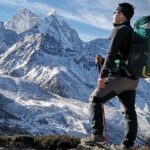
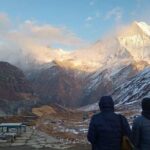
- Stunning Scenery: Panoramic mountain vistas, lush forests, suspension bridges, and peaceful villages await.
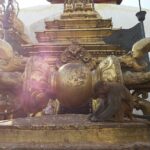
- Cultural Encounters: Visit Tibetan-influenced villages, monasteries, and local markets for an authentic experience.
- Flexible, Small Groups: Personalized care and small group sizes enhance comfort and interaction.
- Value for Money: For $880, you get a well-rounded, supported trek with all necessary permits, accommodations, and some meals.
- Sustainable Focus: Eco-conscious practices ensure the environment and local communities benefit.
An In-Depth Look at the Trek Experience
You can also read our reviews of more hiking tours in Kathmandu
Starting Off in Kathmandu
Your adventure begins early in Kathmandu, with a pickup from your hotel around 6 or 7 AM. This initial transfer is crucial because it sets the tone for the upcoming journey — well-organized, professional, and straightforward. The drive to Bhulbhule via Besisahar covers scenic countryside and mountains, giving a hint of what’s to come. Along the way, you’ll pass waterfalls, suspension bridges, and charming villages like Ngadi and Bahundanda — perfect for a quick photo or a stretch.
Once in Bhulbhule, you transfer to a shared jeep to Dharapani. This part of the journey is where the landscape begins to change dramatically. The route follows the Marsayangdi River, revealing some of the most iconic Nepali scenery: terraced fields, traditional villages, and views of snow-capped peaks. The transportation logistics are smooth, and the guide’s local knowledge makes the journey more engaging.
The First Days of Trekking: Into the Himalayas
On Day 2, you leave Dharapani and head into cooler, alpine terrain. Walking through Tibetan villages like Bagarchhap and Danakyu — with their traditional architecture and apple orchards — provides a glimpse into Nepali life beyond the tourist trail. Here, you’ll notice the stunning panoramic views of Lamjung Himal and Annapurna II, which are a constant reminder of the majestic mountains surrounding you.
Chame, the district headquarters of Manang, offers a welcome break with cafes, shops, and a notable mani wall at the entrance. According to reviews, guides excel at pointing out cultural highlights, making the experience more than just a walk. The scenery remains breathtaking, and the village atmosphere is a welcome reprieve.
Transition into the Heart of the Himalayas
Day 3 takes you through dense forests of rhododendrons and pines, crossing suspension bridges that sway over rushing streams. You’ll reach Pisang, a tranquil village with striking mountain views. The journey’s length of about 5-6 hours is manageable but rewarding, especially as the scenery intensifies.
The highlight here is the climb over the ridge at Paungda Danda, where the curved rock face against the mountains creates a dramatic backdrop. As one reviewer noted, “The trek to Pisang was full of stunning mountain views and natural beauty.” The trek offers plenty of opportunities to stop, absorb the landscape, and chat with fellow travelers or guides.
Reaching Manang: A Cultural and Natural Oasis
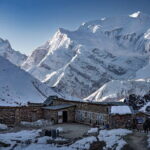
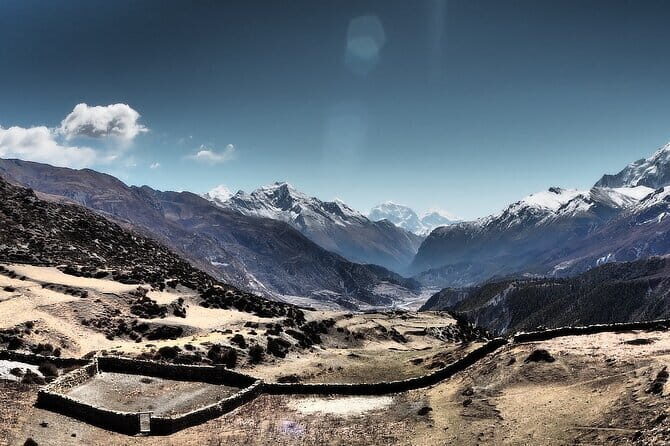
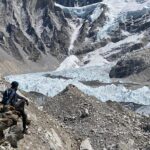
Day 4 is a highlight — reaching Manang, a hub for acclimatization and cultural exploration. The route features flat sections, gentle ascents, and spectacular views of peaks like Annapurna II, III, IV, Gangapurna, and Tilicho Peak. The trek passes through Upper Pisang and Ghyaru, Tibetan-influenced settlements rich in tradition.
The reviews emphasize how well the guides handle altitude concerns, and the town itself offers cafes, a cultural museum, and monasteries worth visiting. It’s a restful, picturesque place where you can learn about local customs and prepare for the higher elevations ahead.

Acclimatization and Rest
Day 5 focuses on acclimatization, which is crucial for high-altitude trekking. You might hike to nearby lakes or visit monasteries, gaining a deeper appreciation for local traditions and ensuring your body adjusts safely. The guide’s experience shines through here, helping map out options based on your fitness level.
Ascent to Yak Kharka
Day 6’s trek to Yak Kharka is a gentle ascent of 2-3 hours, giving trekkers a chance to acclimate and enjoy the changing scenery. Crossing suspension bridges and passing farmsteads, you’ll notice the landscape gradually opening up to more rugged, mountainous terrain.
The Big Day: Thorong La Pass
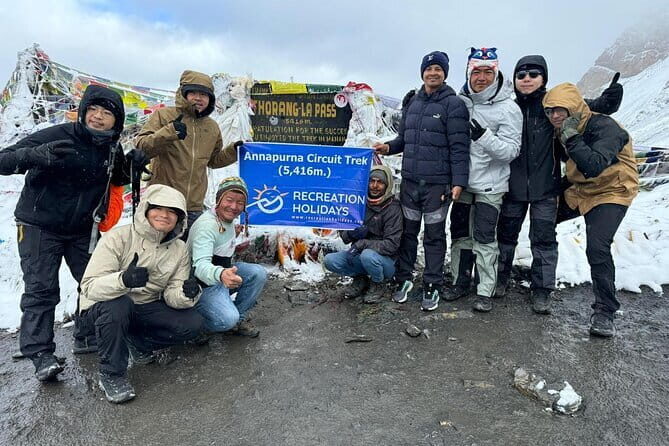
Day 7 involves a challenging yet exhilarating ascent to Thorong La Pass at 5,416 meters. Starting early, the trek involves a steady climb, with plenty of stops to rest and hydrate. According to reviews, “the ascent is tough but the stunning views make every step worthwhile.” The pass offers panoramic vistas of the Himalayas, making it one of the most memorable moments of the trip.
Reaching the Sacred Muktinath
Early on Day 8, you cross Thorong La, then descend toward Muktinath, a sacred site revered by Hindus and Buddhists alike. The descent is steep but rewarding, and you’ll have time to explore the temple complex and soak in the spiritual atmosphere. Reflecting on the achievement of crossing the pass, many find this to be a spiritual as well as physical milestone.
From Muktinath to Pokhara
The final stretch involves a jeep or bus ride from Muktinath down into the lush woods and fields leading to Pokhara. This scenic drive offers views of the lower Mustang Valley and the surrounding mountains. Once in Pokhara, many trekkers celebrate by relaxing by Phewa Lake, enjoying local cuisine, and relishing the sense of accomplishment.
The Real Value: What’s Included and What’s Not
The tour price of $880 per person includes essential components that make the experience smooth and enjoyable: eight nights of twin-share teahouse accommodations, all necessary permits, local transport (Kathmandu to Dharapani and Muktinath to Pokhara), and meals during the trek (breakfast, lunch, dinner). The knowledgeable, licensed guides, and assistant guides (for groups of 8+) are key to making sure your safety and comfort are prioritized.
What’s not included are personal expenses like private transportation, porters (available at $240 per porter), international flights, and extra baggage charges. Travelers should also plan for extra nights in Kathmandu or Pokhara if desired, and insurance coverage is recommended for emergency evacuation.
How does this compare value-wise?
Given that all permits, guides, meals, and accommodations are covered, the cost is quite reasonable for a supported, well-organized trek in one of the world’s most famous mountain regions. Many reviews highlight the professionalism of the guides and the quality of the accommodations, which is often the make-or-break factor for such trips.
Practical Considerations and Who Will Love This Trek
This trek is best suited for those with a moderate physical fitness level, as some days involve long walks and high-altitude crossings. The small group sizes and personalized guidance make it suitable for travelers who prefer a more intimate, attentive experience.
The timing and logistics are straightforward, with the tour starting in Kathmandu and ending in Pokhara, two of Nepal’s most accessible cities. The inclusion of all necessary permits and meals simplifies planning, but travelers must arrange their international flights and insurance independently.
The guides’ expertise in cultural and natural history adds depth to the journey, making this more than just a walk through the mountains. From the reviews, it’s clear that clients appreciate the professionalism, safety measures, and local insights provided.
Final tips:
- Be prepared for high-altitude conditions — hydration, acclimatization days, and pacing are essential.
- Pack appropriately — layers, sturdy boots, and comfortable gear are critical.
- Bring a sense of adventure and patience, especially during the steep ascents and descents.
The Sum Up
The 9-day Annapurna Circuit Trek with Recreation Holidays offers a well-rounded, thoughtfully organized journey into the heart of the Himalayas. The combination of expert guides, breathtaking vistas, and authentic cultural encounters makes it a compelling choice for travelers wanting to experience Nepal’s most iconic landscape without sacrificing comfort or safety.
While physically demanding, the trek rewards participants with unforgettable views and a profound sense of achievement. The focus on small groups and eco-conscious practices enhances the personal touch, making every traveler feel cared for. Whether you’re seeking a spiritual, scenic, or adventure-filled escape, this trek strikes a delightful balance.
Perfect for those who love natural beauty and cultural exploration, and who are ready for a challenge, this tour delivers value through its comprehensive inclusions and professional support. It’s an adventure that doesn’t just leave you with photos but also with stories and memories that will last a lifetime.
Annapurna Circuit Trek in Nepal (9 Days)
FAQs
Is transportation included from Kathmandu to the start of the trek?
Yes, local transport from Kathmandu to Bhulbhule and from Muktinath back to Pokhara is included in the package, making logistics straightforward.
What is the group size?
While the exact group size isn’t specified, the tour emphasizes small groups and personalized guides, especially with assistant guides for groups of 8 or more.
Are meals included during the trek?
Yes, the package includes 8 breakfasts, 8 dinners, and 9 lunches during the trekking days, allowing you to focus on enjoying the scenery and company.
What about permits?
All necessary trekking permits are included, so travelers won’t need to worry about additional paperwork on the road.
Can I do this trek if I’m not highly fit?
The trek requires moderate physical fitness. While it is demanding, proper pacing, acclimatization, and guidance help make it accessible for many travelers.
Is there support for emergencies?
Yes, the tour includes emergency evacuation support, covered by travel insurance, and first aid kits are available with guides.
What’s the best time to do this trek?
While not explicitly stated, most Himalayan treks are best during the pre- and post-monsoon seasons — spring and autumn — when the weather is clearer and more stable.
This Annapurna Circuit Trek offers a well-curated journey into one of Nepal’s most awe-inspiring regions, providing a balance of challenge, comfort, and cultural richness. With professional guides, breathtaking views, and authentic encounters, it’s a trip that will leave a lasting impression.