Thinking about trekking to Everest’s legendary base camp? This 12-day adventure promises not only breathtaking views but also a chance to experience authentic Sherpa culture and warm Nepalese hospitality.
We’ve gathered insights from countless travelers’ reviews, and what shines through is a sense of accomplishment mixed with awe and camaraderie. If you’re craving a once-in-a-lifetime Himalayan journey without breaking the bank, this trek offers excellent value.
However, keep in mind it involves high altitudes and some physically demanding days, so a moderate fitness level is recommended.
What makes this trek stand out? First, the knowledgeable guides who truly know the terrain and local culture. Second, the stunning vistas of Everest, Lhotse, Nuptse, and Pumori—views that are hard to match. On the flip side, some travelers mention that the food on the trail can be variable, and it’s worth considering your comfort with basic lodge accommodations in remote areas.
This trek is best suited for those with a good sense of adventure, a moderate fitness level, and a desire for an authentic Himalayan experience.
- Key Points
- Starting with the Flight and First Day’s Journey
- Acclimatization and Sightseeing in Namche Bazaar
- The Iconic Viewpoint at Everest
- Stepping Into Sherpa Land: Tengboche Monastery
- Approaching the High Altitude: Dingboche
- The Icy Realm of Lobuche and Gorak Shep
- Reaching Everest Base Camp
- The Iconic Sunrise at Kala Patthar
- Coming Down and Reflecting in Namche
- Final Day and Return to Kathmandu
- Overall Value and Experience
- Who Is This Trek Best For?
- FAQs
- Final Thoughts
- More Hiking & Trekking Tours in Kathmandu
- More Tour Reviews in Kathmandu
Key Points
- Excellent value for the price, including flights, accommodation, and guiding.
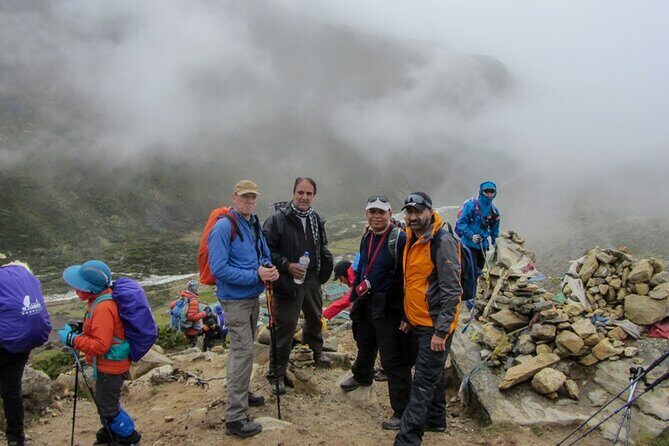
- Guides and porters are highly praised for their knowledge, friendliness, and professionalism.
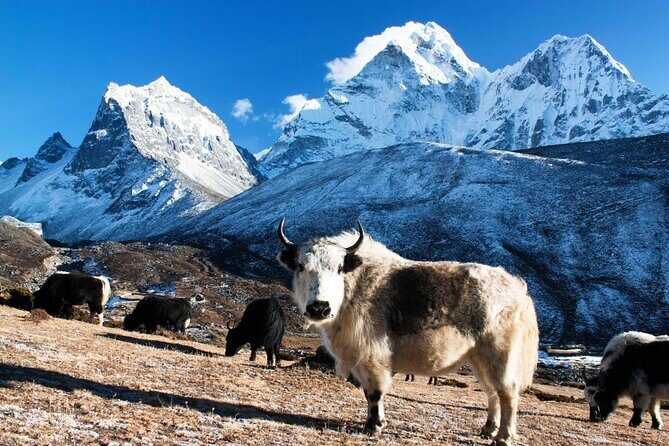
- The scenery and mountain views are spectacular, with numerous opportunities for memorable photos.
- Acclimatization days are built-in, helping minimize altitude sickness risks.
- It’s a well-organized trip with logistics handled smoothly, allowing you to focus on the journey.
- Suitable for beginners and seniors who are reasonably fit and prepared for high-altitude trekking.
Starting with the Flight and First Day’s Journey
The trek kicks off with a flight from Kathmandu to Lukla, often cited as one of the most exciting parts of the experience. That 45-minute flight gives you a taste of what’s to come—stunning mountain vistas and the realization that you’re about to enter one of the most iconic landscapes on earth.
Landing at Tenzing-Hillary Airport, the adventure truly begins as you meet your team of guides and porters. Your first walk is a gentle descent to Phakding, following the Dudhkoshi River. This initial stage is your chance to observe Himalayan village life and get comfortable before the altitude climbs.
Travelers rave about the friendliness of the Sherpa villages, describing their simple mountain ways and welcoming spirit. You’ll pass through charming villages like Chheplung and Thado Koshi, with the scenery framed by pine and rhododendron forests. It’s an excellent warm-up for what’s ahead.
You can also read our reviews of more hiking tours in Kathmandu
Acclimatization and Sightseeing in Namche Bazaar
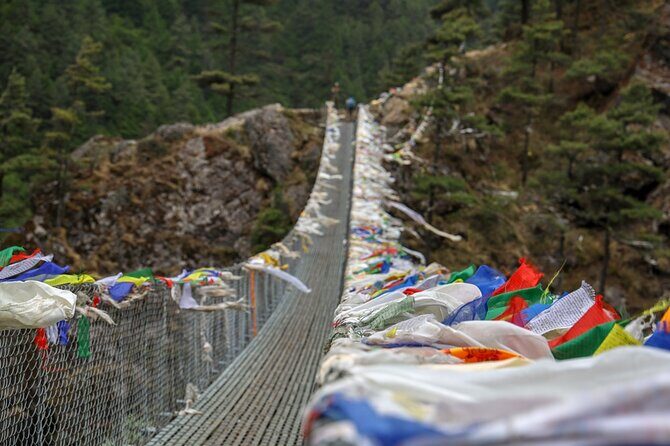
Day 2’s highlight is reaching Namche Bazaar, the main hub of the region. The trek involves crossing suspension bridges and navigating some steep ascents, but the reward is arriving in a lively market town brimming with trekkers and local color.
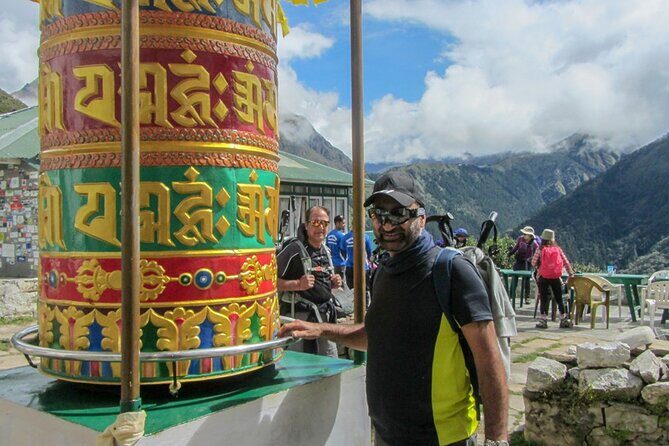
Namche is where most travelers begin to feel the altitude, and the guides emphasize acclimatization here. They suggest taking a rest day, which is wise. You’ll love visiting the Sherpa Culture Museum and Sagarmatha National Park Museum, learning about the mountain people and their environment. The views from Namche are spectacular, with Mount Everest peeking through the clouds on clear days.
Multiple reviews mention the importance of this rest day for preparing your body, with one reviewer noting that it’s a good chance to “relax and take in the local culture.” The town itself offers enough shops and cafes to make you feel comfortable without losing the mountain village charm.
The Iconic Viewpoint at Everest
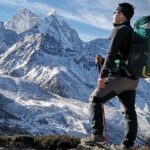
Day 3 is dedicated to a full-day acclimatization hike. The trek to Everest View Hotel via Syangboche airstrip offers panoramic views of Everest, Nuptse, Lhotse, and Pumori. This is the picture-perfect moment everyone hopes for—mountains stretching to the horizon, clouds drifting past, and a sense of being on top of the world.
Travelers report that this day is both restful and awe-inspiring, with many taking endless photos. Visiting the Sherpa Culture Museum afterward helps deepen your appreciation for the people who call these mountains home. It’s a perfect blend of scenery and cultural insight.
Stepping Into Sherpa Land: Tengboche Monastery
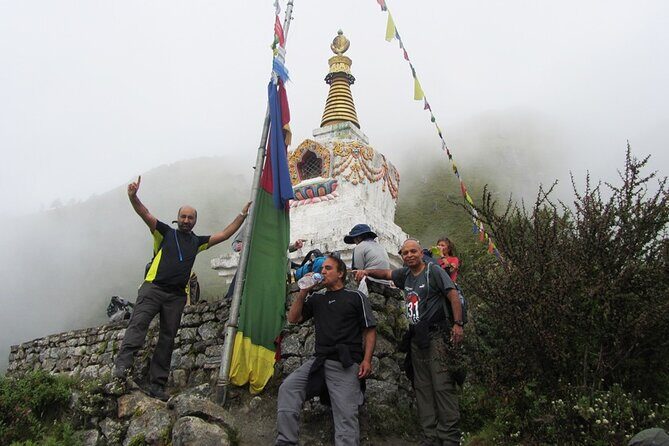
The trek continues through lush rhododendron forests, with views of Ama Dablam and the surrounding peaks. Reaching Tengboche Monastery is a special highlight, especially since Tenzing Norgay, the first person to summit Everest, was born nearby and once served as a monk there.
The monastery itself is a peaceful spot, and many travelers find it spiritually uplifting. It’s also a convenient spot to appreciate the Himalayas’ grandeur and reflect on the journey ahead. The steep ascent from Namche to Tengboche is challenging but rewarding, with reviews praising guides for their motivation and support.
Approaching the High Altitude: Dingboche
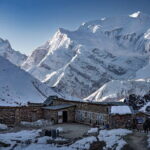
Day 5’s destination is Dingboche, a village at over 4,400 meters. This is a crucial point for acclimatization, and travelers often describe the landscape as surreal—massive mountains surrounding small stone villages.
In Dingboche, you’ll find a monastery and a chance to hike up a nearby hill to get a panoramic view. The day is relatively relaxed, allowing your body to adjust to the altitude. The scenery is unforgettable, with many reviewers noting how the landscape feels like another planet.

The Icy Realm of Lobuche and Gorak Shep
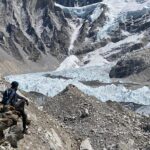
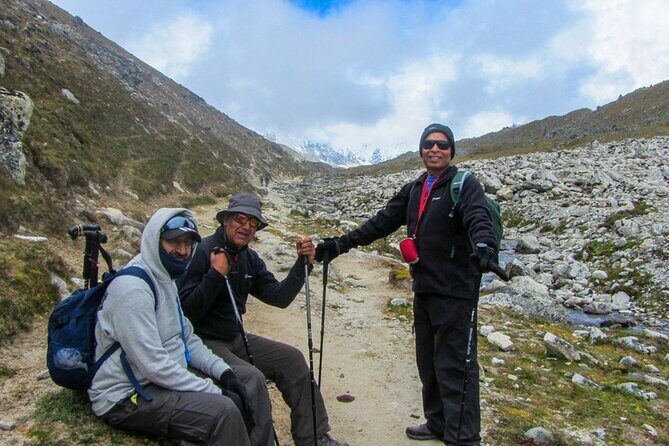
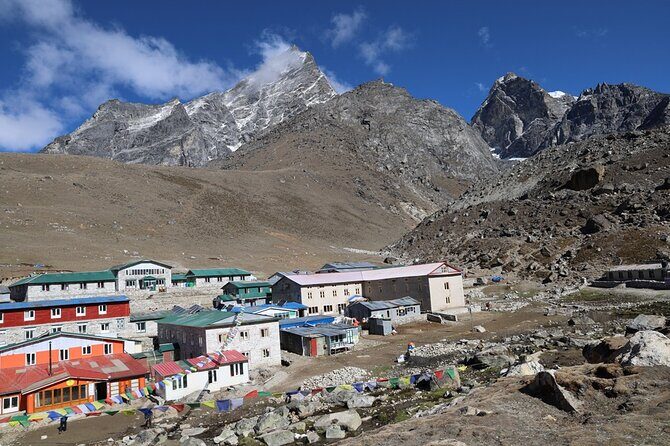
Days 7 and 8 take you through more rugged terrain, with the landscape transforming into an icy, lunar-like environment. You’ll cross Dughla, marked by shrines honoring mountaineers, and then approach Lobuche, a small settlement next to the Khumbu Glacier.
Finally, you arrive at Gorak Shep, your base for the next day’s Everest Base Camp visit. This part of the trek is physically demanding but breath-taking—many hikers describe feeling a mix of exhaustion and exhilaration. Guides are praised for their expertise, ensuring safety and comfort despite the challenging terrain.
Reaching Everest Base Camp
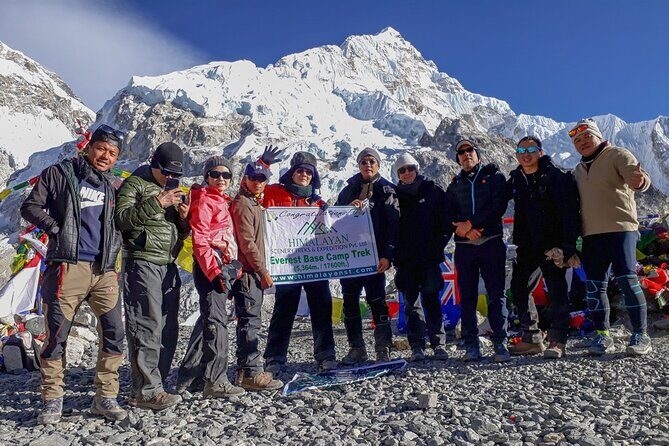
Day 8 is the big one: from Gorak Shep, you trek along the glacier to Everest Base Camp. The views of Everest looming above the rocky landscape make every step worth it. Travelers say it’s a surreal experience to stand so close to such a colossal mountain, and many mention that it’s a perfect spot for photos and stories to tell for years.
The trail is rocky and at times steep, but the guides’ support makes it manageable. Listening to climbers’ stories at base camp adds an emotional layer to the journey.
The Iconic Sunrise at Kala Patthar
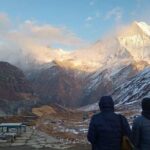
Early morning on Day 9, you wake up for a steep climb to Kala Patthar, which offers arguably the most iconic panoramic views of Everest—an almost otherworldly scene at sunrise. The ascent is rocky and demanding but incredibly rewarding. Many reviews highlight that witnessing Everest bathed in dawn’s first light is a bucket-list moment.
Descending back to Gorak Shep and retracing your steps, you’ll feel a mixture of achievement and nostalgia for the rugged landscapes you’ve just traversed.
Coming Down and Reflecting in Namche
The trek back to Namche Bazaar is a downhill delight, following familiar paths through forests and villages. It’s a chance to absorb the scenery one last time and perhaps pick up souvenirs from local shops. Travelers often mention how the descent feels easier physically, but emotionally, it’s bittersweet.
Final Day and Return to Kathmandu
Your journey concludes with a flight from Lukla back to Kathmandu. Many reviewers talk about how this flight is a fitting end to the adventure—scenic and a little nerve-wracking in the best way. Once back in Kathmandu, you’ve got free time to relax, explore, or shop for souvenirs, with many treks ending with a celebratory dinner.
Overall Value and Experience
At just $500 per person, this trip covers most essentials—flights, accommodations, guiding, and entry permits—making it an attractive option for those wanting a comprehensive Everest experience without a hefty price tag. Reviewers highlight that the guides are experienced, friendly, and knowledgeable, which adds a layer of safety and comfort.
The included meals are a plus, with many describing the food as hearty and satisfying after long days of walking. The trek’s logistics run smoothly, with porters carrying most luggage, allowing you to focus on the scenery and your physical effort.
That said, some mention that food options can vary as you ascend, and the accommodations in remote areas are basic but comfortable enough for this type of adventure. It’s not a luxury trip, but the authentic mountain lodge experience adds charm and character.
Who Is This Trek Best For?
This trek suits adventurers of all levels who are reasonably fit and eager to see Everest up close. It’s suitable for beginners, seniors, and solo travelers, thanks to the well-organized logistics and accommodating guides. If you’re looking for a value-packed, culturally enriching Himalayan journey with plenty of breathtaking vistas, this trek hits the mark.
FAQs
Is this trek suitable for beginners?
Yes, as long as you have a moderate physical fitness level and are prepared for some long days and high altitude. The included acclimatization days help minimize altitude sickness.
Are meals included?
Yes, three meals a day (breakfast, lunch, and dinner) are provided during the trek, which helps you refuel after walking.
How are the accommodations?
You’ll stay in twin-sharing guesthouses and lodges. While basic, many reviews mention the friendliness of the staff and the overall comfort in the mountain settings.
What’s the main highlight of this trek?
The stunning panoramic views of Everest from Kala Patthar and the close-up experience at Everest Base Camp are the biggest draws.
Is the guide experienced?
Absolutely. The guides are highly praised for their knowledge, helpfulness, and professionalism, making the challenge safer and more enjoyable.
What about the cost?
At $500, it’s a competitive price considering flights, permits, guiding, and accommodations are included. It offers a good balance of value and quality.
Can I trek if I’m not an experienced hiker?
While some trekking experience is helpful, the moderate difficulty and well-organized itinerary make it accessible to many healthy travelers who are prepared for altitude.
What should I pack?
Bring layers for variable weather, sturdy hiking boots, a hat, sunglasses, and some personal essentials. The tour provides a duffel bag and trekking poles to help with comfort and safety.
12 Days Everest Base Camp Trek
Final Thoughts
This 12-day Everest Base Camp Trek offers a well-rounded experience that combines stunning mountain scenery, friendly local culture, and expert guiding—all at a reasonable price. It’s a fantastic choice for those seeking something authentic, memorable, and engaging without the need for extreme mountaineering skills.
Travelers consistently praise the professionalism of the guides, the beauty of the views, and the warm hospitality they receive along the way. Whether you’re a first-timer or a seasoned trekker, this journey promises plenty of moments that will stay with you long after you leave the mountains.
If you dream of standing at the foot of Everest, capturing its icy summit at sunrise, and sharing stories with fellow adventurers, this trek is hard to beat. It’s a genuine Himalayan adventure that’s about more than just the scenery—it’s about the experience, the people, and the sense of achievement that comes with it.
Remember: Proper preparation, a good pair of hiking boots, and an open mind are key to making the most of this trip. The Himalayas are calling—are you ready?