If you’re dreaming of a trek that combines jaw-dropping mountain vistas, cultural encounters, and the thrill of standing at the foot of Mount Everest, this 14-day Everest Base Camp trek might be just what you’re looking for. Although we haven’t personally trekked it ourselves, reviews and detailed itineraries paint a vivid picture of an adventure that’s both challenging and deeply rewarding.
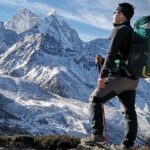
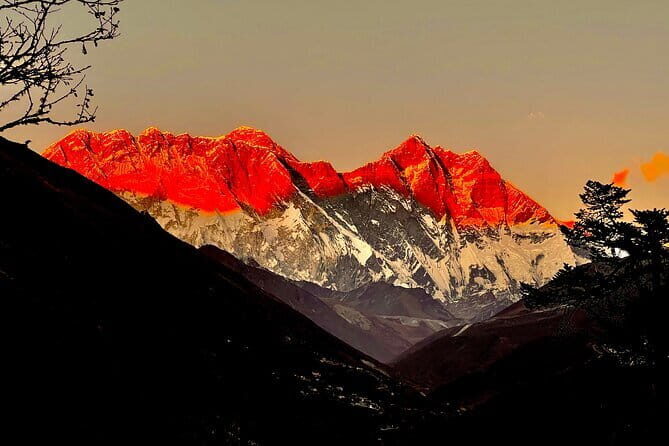
What makes this tour stand out? First, the professional guides who are praised for their knowledge and care—an essential ingredient in high-altitude trekking. Second, the spectacular views of Everest, Lhotse, Ama Dablam, and other giants of the Himalayas—views that often leave trekkers speechless.
However, a possible consideration is the physical demand of the trek, which requires travelers to be in good shape. The 14-day duration also means committing time and energy, but for those craving an authentic mountain journey, this trek offers outstanding value and a chance to connect with Nepal’s Sherpa culture. It’s best suited for physically fit travelers eager for a well-organized, immersive Himalayan experience.
- Key Points
- Day 1-2: Arriving and Reaching Lukla
- Navigating Sherpa Villages and Cultural Highlights
- Day 4-5: Acclimatization and Spectacular Views
- Approaching Everest: Tengboche and Dingboche
- The High Altitudes: Lobuche, Gorak Shep, and Everest Base Camp
- The Return: Kala Pathar and Downhill Days
- Celebrating the Journey
- Returning to Kathmandu
- Practical Considerations for Travelers
- Who Would Benefit Most?
- More Hiking & Trekking Tours in Kathmandu
- More Tour Reviews in Kathmandu
Key Points
 1 / 8
 2 / 8
 3 / 8
 4 / 8
 5 / 8
 6 / 8
 7 / 8
 8 / 8
- Stunning scenery and mountain vistas at every stage, especially from iconic viewpoints like Kala Pathar.
- Expert guides and porters who support your journey, making the experience safer and more enjoyable.
- Authentic Sherpa villages and cultural stops, such as Tengboche Monastery and Khunde Hospital.
- Comprehensive logistics including flights, accommodations, and permits, simplifying your adventure.
- Good value for the price, considering accommodations, guides, permits, and flights included.
- A physically demanding trek that’s suitable for travelers with solid fitness levels.
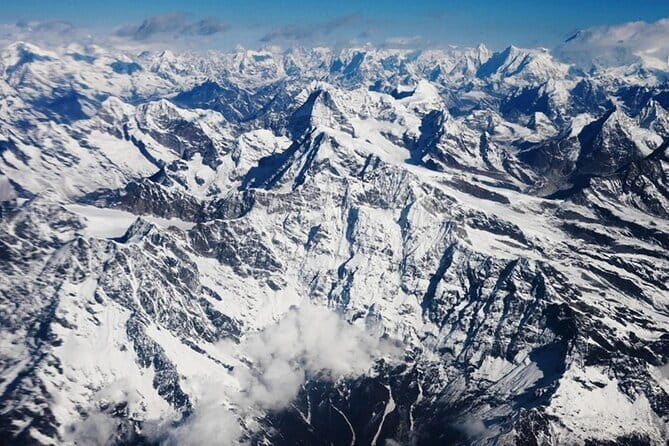
The journey begins in Kathmandu, where the excitement is palpable. Flying into the Nepalese capital on a clear day offers an unforgettable view of snow-capped peaks that seem to stretch forever. Your support team will meet you at the airport, and from there, the adventure really kicks off.
Day 1-2: Arriving and Reaching Lukla
The flight to Lukla (2,850 meters) is a highlight in itself—this tiny airport with its steep runway is famed among aviators and travelers alike. You’ll land amidst stunning mountain scenery, and the trek officially begins with a walk down the Dudh Koshi Valley. Over the next day, you’ll pass through Phakding, enjoying lush forest scenery and the chance to acclimatize gradually.
You can also read our reviews of more hiking tours in Kathmandu
Navigating Sherpa Villages and Cultural Highlights
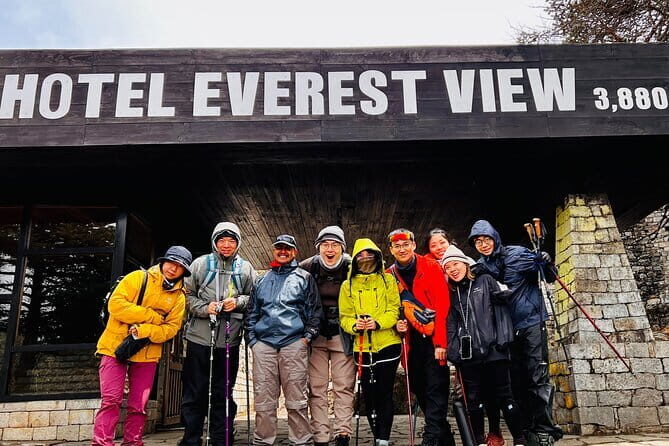
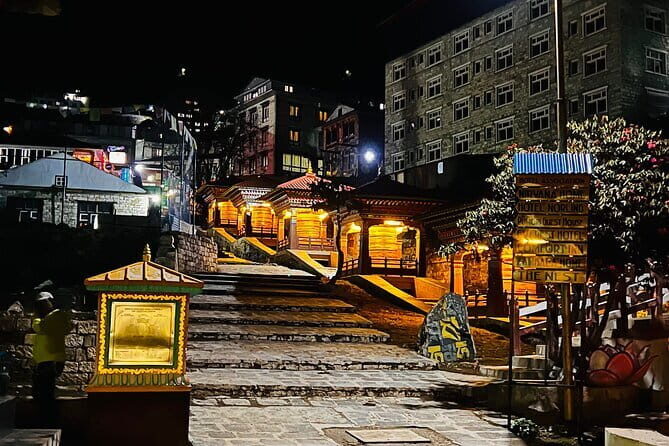
The third day brings you to Namche Bazaar, the bustling hub of Khumbu valley. From the suspension bridges crossing the river to the vibrant Saturday market, Namche offers a lively sense of local life amid breathtaking mountain views. Guided tours to Khunde Hospital or an optional visit to Everest View Hotel enrich your understanding of Sherpa culture.
Day 4-5: Acclimatization and Spectacular Views
Rest days in Namche are vital for altitude adjustment. Here, you’ll get your first glimpses of Everest and the surrounding giants. Many trekkers love the short hikes to vantage points like the Everest View Hotel or the National Park Centre. The sense of anticipation builds as you prepare to venture higher.
Approaching Everest: Tengboche and Dingboche
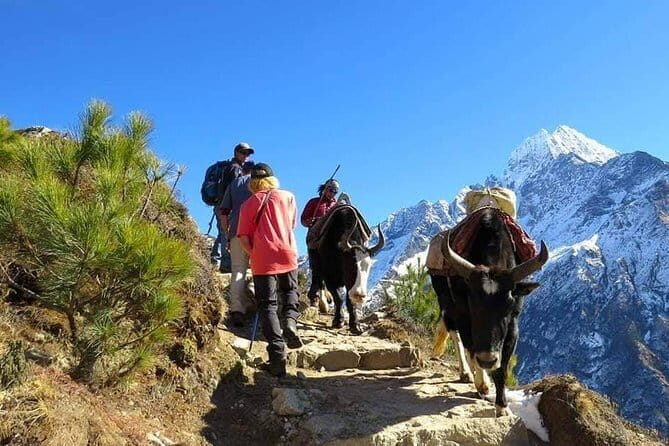
Moving onward, the trail contours the mountain side, passing through rhododendron forests and offering spectacular views of peaks such as Ama Dablam. Tengboche Monastery is a stop not just for spiritual reflection but also for stunning vistas of Everest, Nuptse, and Lhotse.
Descending into Dingboche, you’ll find a landscape full of unique mountain flora and traditional gompas. Rest and acclimatization here prepare you for the higher elevations to come.
The High Altitudes: Lobuche, Gorak Shep, and Everest Base Camp
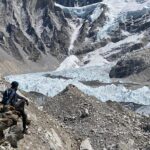
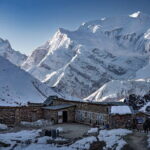
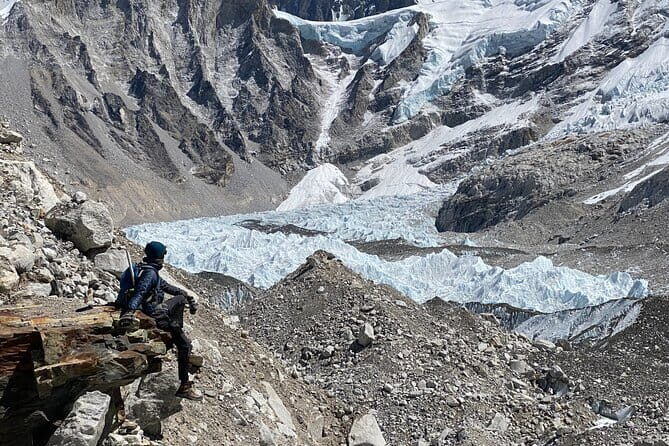
The route continues upward to Lobuche, where memorials to Sherpa mountaineers stand as poignant reminders of Everest’s dangers. Then comes the move to Gorak Shep, the last stop before the Everest Base Camp. Walking across the Khumbu Glacier, you’ll witness the ice pinnacles and crevasses that define this frozen landscape.
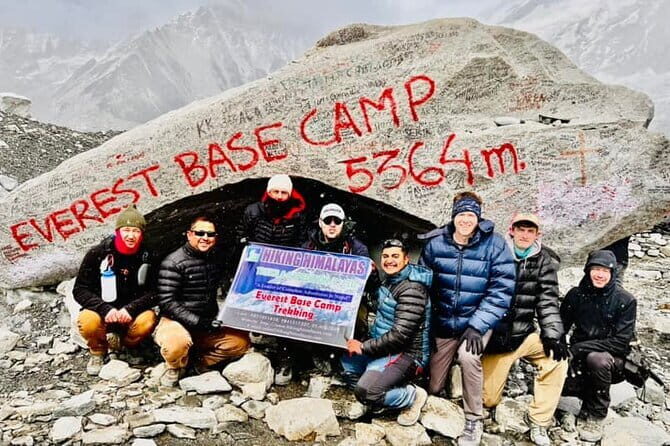
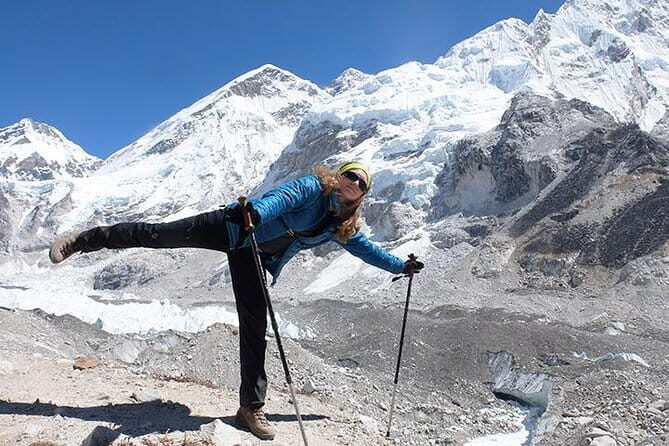
Reaching Base Camp (5,364 meters) is a profound moment—standing at the foot of the highest mountain in the world, surrounded by ice and towering peaks, is an experience that words can hardly do justice. Many reviews rejoice in this achievement, describing the trail through ice pinnacles as “spectacular” and the moment at Base Camp as “life-changing.”

The Return: Kala Pathar and Downhill Days
The trek back involves a climb to Kala Pathar (5,565 meters), renowned as the best viewpoint for Everest’s summit, along with panoramic views of Nuptse, Pumori, and more. After soaking in this vista, you’ll descend through villages like Pheriche, visiting the Himalayan Rescue Association—a meaningful stop that highlights local efforts to improve health and safety at high altitudes.
Celebrating the Journey
The last night in Lukla feels like a celebration, with a lively gathering of trekkers, guides, and porters. Many reviewers mention the camaraderie, the shared stories, and even enjoying locally brewed chang beer. This bonding experience often becomes a cherished memory.
Returning to Kathmandu
A short flight takes you back to Kathmandu, where your free time might include last-minute shopping, visiting Thamel, or simply relaxing after your adventure. The final day’s transfer to the airport wraps up this Himalayan adventure, leaving you with stories, photos, and a sense of achievement.
Price-wise, at $1,450 per person, this trek offers significant value. It includes all ground transportation, lodging, permits, and flights—factors that can easily add up if arranged separately. The accommodations are in twin-sharing lodges, which strike a good balance between comfort and authenticity, with local flavor and rustic charm.
Guides and porters are highlighted as a major strength. Reviews mention guides like Kapil and Namo who are “knowledgeable, friendly, and part of the family,” making the journey not just about reaching Everest but about feeling supported every step of the way. The presence of experienced guides and safety measures, including insurance and first aid kits, add peace of mind.
Logistics are well-organized, with permits, flights, and transfers included, reducing hassle for travelers. The trek is designed to optimize acclimatization and scenic vistas, with enough rest days to help adjust to high altitude.
The culture is genuine. Stops at monasteries, hospitals, and local markets give a deeper understanding of Sherpa life, making the journey more than just a hike—it’s an encounter with a resilient mountain community.
Reviews consistently praise the guides’ professionalism and the excellent value for money. One reviewer notes that their guide was “highly experienced, professional, and incredibly observant,” which is vital when trekking at these altitudes. Others mention the delicious meals and the camaraderie shared with porters.
Practical Considerations for Travelers
This trek is demanding but manageable for those in good physical condition. The itinerary’s careful pacing allows for acclimatization, but hikers should be prepared for steep ascents and rugged terrain. Since the trip involves flights, travelers should be comfortable with small aircraft and potential weather delays.
The 14-day duration provides a thorough experience, but it requires a moderate level of commitment. Those seeking a shorter or more relaxed trip might find this a bit intensive. The trip is best suited for adventure lovers who want a comprehensive Everest experience with support and structure.
14 Days Everest Base Camp Trekking
Who Would Benefit Most?
This tour is perfect for travelers who want a well-supported and authentic Himalayan trek, enjoying both stunning scenery and local culture. It’s ideal for those wanting a challenging yet organized adventure, and who value safety, knowledgeable guides, and a good sense of camaraderie.
This 14-day Everest Base Camp trek offers a compelling mix of breathtaking natural beauty, cultural authenticity, and solid logistical support. For solo adventurers, couples, or groups eager to do a serious trek with expert guides, it delivers excellent value. The inclusion of flights, permits, and accommodations simplifies the experience, letting you focus on the journey rather than logistics.
The trek’s reviews highlight the professionalism of guides, the quality of the scenery, and the genuine warmth of Sherpa hospitality. It’s a demanding trip, but if you’re in good shape and ready for an immersive Himalayan adventure, this tour will likely leave you with stories to tell for a lifetime.
In short, if standing beneath Everest’s towering summit, walking through Sherpa villages, and experiencing the raw power of the Himalayas appeals to you, this trek is worth considering. It’s a well-organized, culturally enriching, and visually stunning way to tick Everest off your bucket list.
What is included in the tour price?
The $1,450 fee covers all ground transportation, lodge accommodations during the trek, flights between Kathmandu and Lukla, permits, guides, porters, meals on trek days, and the necessary trekking map and achievement certificate.
Are flights included?
Yes, both the Kathmandu-Lukla and Lukla-Kathmandu flights are included, along with all departure taxes. This helps simplify your planning since flight logistics can be tricky on your own.
What about accommodations in Kathmandu?
The tour price does not cover hotel stays in Kathmandu, which are at your own expense. It’s recommended to budget around $45 per day for lodging and other expenses there.
Is this trek suitable for beginners?
While the itinerary is well-paced with acclimatization days, it still demands good physical fitness and comfort with high-altitude conditions. It’s best suited for active travelers with some trekking experience.
What if I want to customize the trip?
Since this is a private tour, you can discuss with the provider about adding extra days or other activities like sightseeing in Kathmandu or a river rafting trip.
Are meals provided during the trek?
Yes, breakfast and dinner are included during the trek, along with seasonal fruits. Lunch is also provided, with some options at each stop.
Will I have internet access?
Many lodges offer Wi-Fi, but service quality varies at higher elevations. Expect limited or no connectivity in remote areas.
Can I expect hot showers?
Hot showers are available for around USD 5 per person—an indulgence after long days of trekking.
What is the recommended fitness level?
Trekkers should be in good physical shape, comfortable with steep ascents and rugged terrain. Altitude acclimatization is crucial, so take it seriously.
How does tipping work?
While not explicitly stated, reviews mention a celebration with Sherpa guides and porters, which suggests tipping is customary and appreciated for their hard work.
To sum it up, this Everest Base Camp trek offers an outstanding blend of natural beauty, cultural insight, and professional support. With well-organized logistics, experienced guides, and stunning vistas, it’s a compelling choice for those ready to challenge themselves and embrace the unique allure of the Himalayas.