Our review of the Gokyo to Everest Base Camp Trek offers a detailed look at one of Nepal’s most celebrated trekking adventures. While we haven’t done it ourselves, dozens of travelers have praised the experience, and we’ve gathered insights that will help you decide if this trek is right for you.
This route takes hikers through dramatic mountain scenery, high-altitude passes, and the vibrant Sherpa villages that make the Everest region so special.
What we love most about this trek are the spectacular panoramic views—especially from Gokyo Ri and Kala Patthar—and the chance to experience Sherpa culture firsthand. The route is thoughtfully designed for acclimatization, helping reduce the risks of altitude sickness. Plus, the trek’s comprehensive package, including flights, permits, and accommodations, offers a lot of value for the cost.
However, one potential consideration is the altitude and the physical demands of crossing high passes like Cho La, which require good fitness and mental preparation. This trek is best suited for travelers with moderate physical fitness who want a challenging but manageable Himalayan adventure.
If you’re looking for a trip that combines stunning views, culture, and a sense of personal achievement, this trek could be your ideal adventure.
- Key Points
- An In-Depth Look at the Gokyo to Everest Base Camp Trek
- The Starting Point: Kathmandu and Lukla
- First Days on the Trail: Phakding and Namche Bazaar
- Gokyo and the High Lakes
- Crossing Cho La Pass: An Adventurous High-Altitude Challenge
- Everest Base Camp and Kala Patthar
- The Return Journey
- Practical Aspects: What Makes This Trek Stand Out
- Logistics and Value
- Accommodations
- Guides and Support
- Equipment and Extras
- Who Should Consider This Trek?
- The Sum Up
- FAQ
- More Hiking & Trekking Tours in Kathmandu
- More Tour Reviews in Kathmandu
Key Points
 1 / 4
1 / 4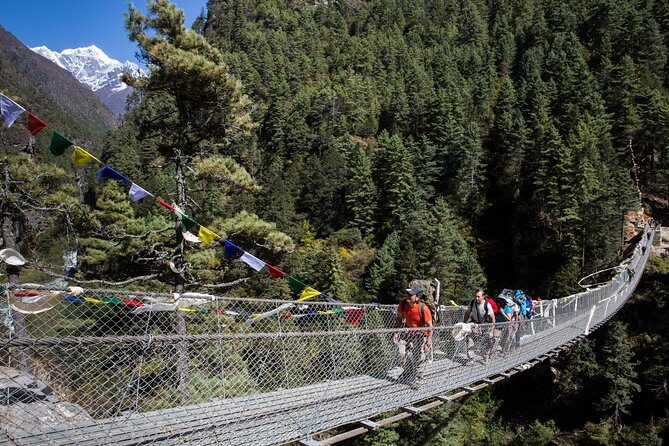 2 / 4
2 / 4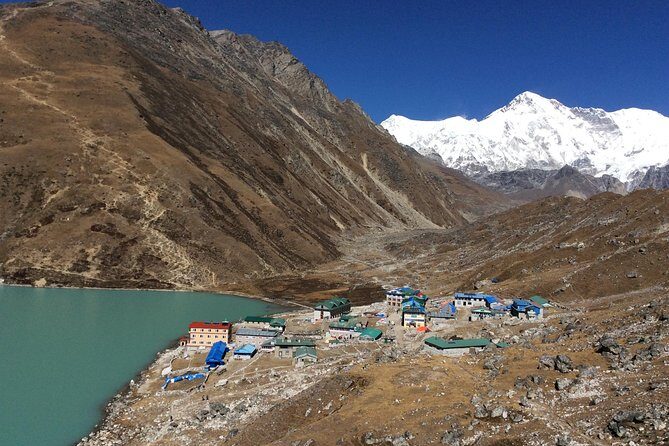 3 / 4
3 / 4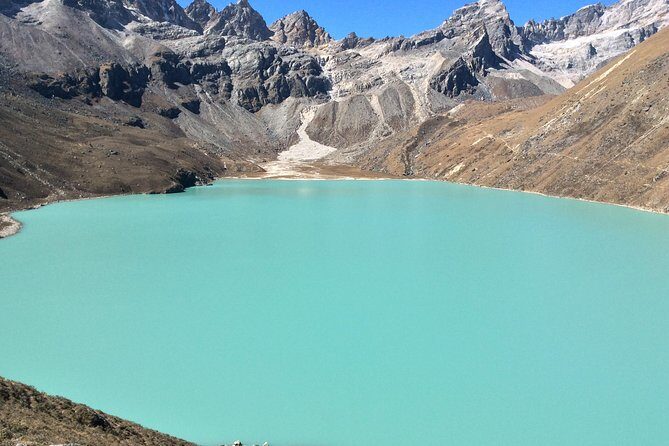 4 / 4
4 / 4- Stunning Himalayan panoramas from Gokyo Ri and Kala Patthar highlight this trek’s visual rewards.
- Experienced guides and porters ensure safety and ease, enhancing the overall experience.
- Thorough planning and logistics—flights, permits, accommodations—deliver excellent value for the price.
- High-altitude acclimatization days help reduce risks and improve your comfort during the trek.
- Authentic Sherpa culture and monasteries add a spiritual dimension to the journey.
- Limited group size (max 15) fosters a personalized experience, often praised by participants.
An In-Depth Look at the Gokyo to Everest Base Camp Trek
This 17-day trek is a route that many consider one of the most adventurous ways to experience the Everest Himalayas. It’s often called the Everest Circuit Trek because of its comprehensive route that includes Gokyo Lakes, Cho La Pass, and Everest Base Camp. The journey begins with a scenic flight from Kathmandu to Lukla, a tiny airstrip nestled among the mountains, and continues through Sherpa villages, high mountain passes, and glacial terrain.
You can also read our reviews of more hiking tours in Kathmandu
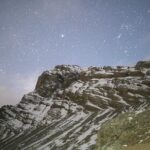
The Starting Point: Kathmandu and Lukla
You’ll be greeted at Tribhuvan International Airport by your guide and transferred to your hotel. The first few days are spent adjusting to the altitude, with a quick flight from Kathmandu to Lukla. This flight alone is a highlight—an exhilarating 35-minute journey over the Himalayan peaks, with views that make even seasoned travelers gasp.
First Days on the Trail: Phakding and Namche Bazaar
The trek officially begins with a walk along the Dudh Kosi River, crossing suspension bridges adorned with prayer flags—a feature you’ll see repeatedly. The trail climbs gradually into Sagamartha National Park, with lush forests of rhododendron, juniper, and conifers.
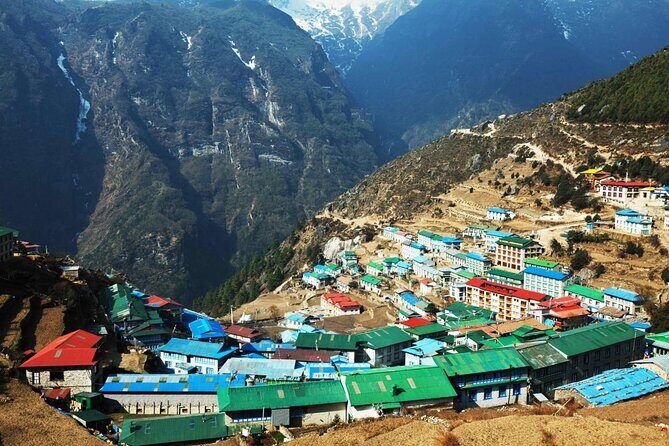
Namche Bazaar is the first major town and the “Gateway to Everest.” Many reviewers praise this part for its lively atmosphere and amenities like shops, cafes, and internet access. You’ll spend a day acclimatizing here, exploring the Sherpa culture, and enjoying spectacular views of Everest from the Everest View Hotel. As one reviewer put it, “We loved the way our guide made us feel safe and well-prepared.”
Gokyo and the High Lakes
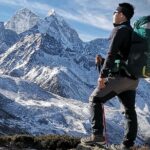
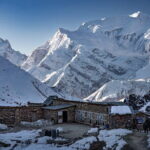
After Namche, the trail veers west toward Gokyo, a serene village perched beside turquoise lakes. Here, you’ll spend two nights, giving your body time to adjust and enjoy the high-altitude scenery. The highlight is the hike up Gokyo Ri, a climb that rewards you with sweeping views of Everest, Lhotse, Nuptse, and Makalu—an Instagram-worthy panorama.
Many trekkers mention that the ascent to Gokyo Ri is well worth the effort. One reviewer shared, “The panoramic views of Everest and the Ngozumpa Glacier are simply breathtaking. It’s a moment I’ll never forget.” This part of the trek underscores the importance of proper acclimatization, which the itinerary thoughtfully includes.
Crossing Cho La Pass: An Adventurous High-Altitude Challenge
From Gokyo, the trail pushes on to Thangnag at the foot of Cho La Pass. The crossing is one of the most exciting parts—starting early hours to avoid weather and snow hazards, crossing at 5,300 meters. The trail involves steep climbs and potentially snow-covered sections, making it challenging but manageable with a good guide.
Reviewers frequently mention the thrill of crossing Cho La. “It’s tough but incredibly rewarding,” a hiker said. Expect cold winds and a demanding climb, but the views from the top, looking down into the glacier-fed valleys, make it all worthwhile. After descending into Dzongla, you’re traveling further into the heart of the mountains.
Everest Base Camp and Kala Patthar
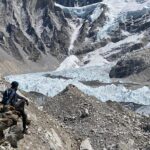
The closest you’ll get to Everest without mountaineering gear is the day walking up to Everest Base Camp. Expect a long, rewarding trek along the Khumbu Glacier, with sights of the icefall and the climbers’ base. Many reviewers emphasize the spectacular scenery and the sense of achievement: “The view of the Khumbu Icefall from Base Camp is spectacular,” one traveler noted.
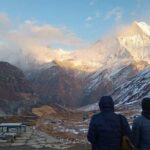
From Gorak Shep, you’ll ascend Kala Patthar at 5,555 meters—an arduous but essential climb. The panoramic vistas of Everest, Nuptse, Lhotse, and surrounding giants are often described as “mind-blowing.” As one review states, “It’s the view that makes every step worth the effort.” This vantage point is a peak moment for most trekkers.
The Return Journey
Descending through Tengboche and Pangboche, you’ll pass colorful monasteries and Sherpa villages, offering glimpses into mountain life. The final days are a mix of reflection and celebration, as you return to Lukla and take the flight back to Kathmandu—another scenic highlight.
Practical Aspects: What Makes This Trek Stand Out
Logistics and Value
The package includes airport transfers, domestic flights, permits, a guide, a porter for every two travelers, and accommodations. The cost of $1,920 per person is competitive for such a comprehensive experience. Many reviews highlight how well-organized the logistics are, reducing stress and allowing you to focus on the scenery and camaraderie.
Accommodations
You’ll stay in comfortable guesthouses with attached toilets in Lukla, Phakding, and Namche, and more basic but cozy dormitory-style rooms in remote villages like Thangnag and Dzongla. The mix of amenities ensures comfort without sacrificing authenticity.
Guides and Support
The guides are highly praised for their knowledge, safety awareness, and flexibility. One reviewer shared that their guide, Kishore, and assistant guide, Sauman, made the trip very special with their professionalism and friendliness.
Equipment and Extras
You will receive a down jacket and sleeping bag (which you return after the trek), and filtered water is supplied using a portable Katadyn filter. Seasonal fruits and meals are included, adding to the comfort during the trek.
Who Should Consider This Trek?
This journey suits adventurous travelers with moderate physical fitness who are ready for a demanding but rewarding experience. It’s ideal for those who appreciate spectacular mountain views, cultural encounters with Sherpa communities, and the thrill of crossing high-altitude passes. The trek’s well-organized logistics make it accessible for many, but it does require some acclimatization and mental resilience.
Travelers seeking a comprehensive Everest experience, with a side trip to Gokyo Lakes and high passes, will find this route offers excellent value and authentic Himalayan adventure. It’s perfect for those who want a balance of challenge, comfort, and breathtaking scenery.
The Sum Up
The Gokyo to Everest Base Camp Trek offers a remarkable blend of natural beauty, cultural richness, and physical challenge. With expert guides, well-organized logistics, and views that are truly hard to beat, it’s a journey that leaves a lasting impression. Whether you’re a seasoned trekker or an adventurous traveler craving a meaningful Himalayan experience, this route delivers on every front.
The route’s highlights—like Gokyo Ri, Kala Patthar, and crossing Cho La—are unforgettable moments that define high-altitude trekking. The value for money is evident when you consider the included flights, permits, accommodations, and guiding services. Plus, the positive feedback from past travelers underscores the professionalism and care of the operator.
This trek is best suited for those who seek a genuine challenge but want the support of experienced guides and decent accommodations. If you’re prepared for altitude, enjoy diverse scenery, and want to experience the Sherpa way of life, this adventure will meet and exceed expectations.
Gokyo to Everest Base Camp Trek
FAQ
How long is the trek?
This is a 17-day trip, including travel days, acclimatization, and the main trekking days.
What is included in the price?
The package includes airport transfers, flights between Kathmandu and Lukla, permits, accommodations, guides, porters, meals in trekking lodges, water filters, and some gear like a down jacket and sleeping bag.
What about accommodations?
You’ll stay in twin-share guesthouses with attached toilets in Lukla, Phakding, and Namche, and more basic dormitories in remote villages like Dzongla and Thangnag.
Is this trek suitable for beginners?
While moderate fitness is recommended, some trekking experience or good physical preparation will help. The journey involves high passes and elevation changes, so acclimatization days are built into the itinerary.
How difficult is crossing Cho La Pass?
It’s a challenging section at 5,300 meters, with steep climbs and possibly snow-covered paths. Starting early and having a knowledgeable guide helps ensure safety.
Can I extend the trip?
Yes, there are options for additional activities such as Chitwan safaris, river rafting, or exploring Kathmandu more deeply, which can be arranged after the trek.
Whether you’re motivated by stunning mountain vistas, cultural exploration, or the thrill of conquering high passes, this trek offers a comprehensive Himalayan adventure. Prepare well, bring your sense of adventure, and you’ll come away with stories and views that last a lifetime.