If you’re craving an adventure that takes you well beyond the usual crowded trails of Nepal, the Kanchenjunga Circuit Trek might just be what you’re looking for. This 19-day expedition promises a blend of jaw-dropping mountain scenery, quiet villages, and the chance to see some of the Himalayas’ most towering peaks from multiple angles.
Our review synthesizes what trekkers have experienced and what you can expect—highlighting the highs and a few considerations so you can decide if this trek fits your style.
What makes this trek special? First, the route’s less crowded nature means you won’t be elbow-to-elbow with fellow travelers, especially during peak season. Second, the expert guides with years of experience are noted for their warmth and knowledge, making the challenging days more manageable and the scenery even more rewarding.
However, a potential consideration is that the trail is newly established compared to more popular routes, which means some amenities along the way are still developing.
This trek suits adventurous travelers who are physically fit, enthusiastic about off-the-beaten-path experiences, and eager for a close-up encounter with some of Nepal’s most epic mountain scenery. If you’re after a quieter, more authentic trekking experience with breathtaking views, this might be your next adventure.
- Key Points
- Starting Off in Kathmandu
- Flight to Taplejung and the Drive to Sekathum
- Into the Mountains: Sekathum and Beyond
- Reaching Amjilosa and Gyabla
- Ghunsa and the Higher Camps
- Approaching the North and South Base Camps
- The Return Journey and Descent
- Final Day and Return to Kathmandu
- Practical Considerations and Tips
- More Hiking & Trekking Tours in Kathmandu
- More Tour Reviews in Kathmandu
Key Points
- Less Crowded Trails: The route is relatively new, meaning fewer fellow trekkers and more solitude.
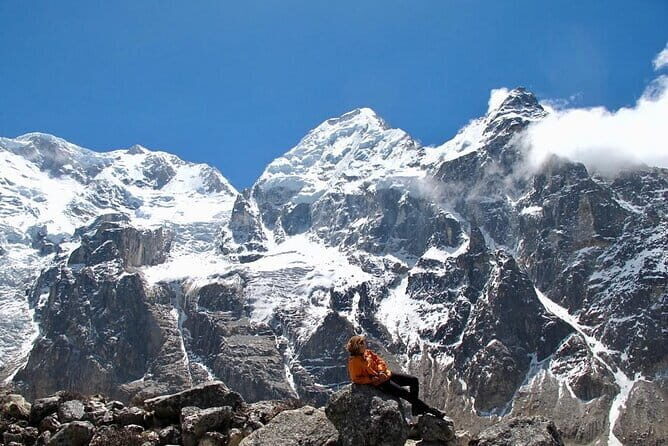
- Stunning Multi-Angle Views: Access to both North and South Base Camps of Kanchenjunga provides extraordinary mountain vistas.
- Expert Guidance: Guides are highly experienced and dedicated to making your trip memorable.
- Basic but Comfortable Accommodations: Tea-houses offer simple accommodations that let you feel part of local village life.
- Long Drives and Remote Areas: Expect some lengthy jeep rides to reach trailheads, reflecting the trek’s remote nature.
- Authentic Cultural Encounters: You’ll pass through Nepali villages still unspoiled by mass tourism, offering genuine cultural glimpses.
Starting Off in Kathmandu
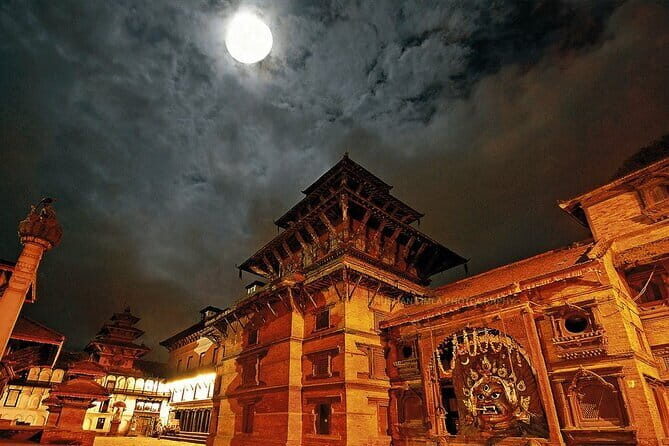
The adventure begins with a warm welcome in Kathmandu, where you’ll be picked up from Tribhuwan International Airport and transferred to your hotel in Thamel. The first day offers a chance to rest after your journey, with optional sightseeing of UNESCO World Heritage sites—an excellent way to soak in some of Nepal’s cultural riches before heading into the mountains.
The next morning, the team will handle permit preparations—an essential part of any Nepal trek—and there’s an opportunity to rent or buy gear in Thamel if needed. The group size is small (max eight), ensuring personalized attention and a relaxed atmosphere.
You can also read our reviews of more hiking tours in Kathmandu
Flight to Taplejung and the Drive to Sekathum
The journey quickly shifts to the skies with a 45-minute flight from Kathmandu to Bhadrapur, followed by a scenic drive through the tea plantations of Kanyam. The drive through villages like Mitlung, Chirwa, and Lelep offers a glimpse of rural life in eastern Nepal. You’ll cross the Kanchenjunga National Park entry point, where permits are checked, marking the official start of your trek.
This phase is notable because the route is ahead of the typical trekking crowds, giving you a sense of exploration from the outset.
Into the Mountains: Sekathum and Beyond
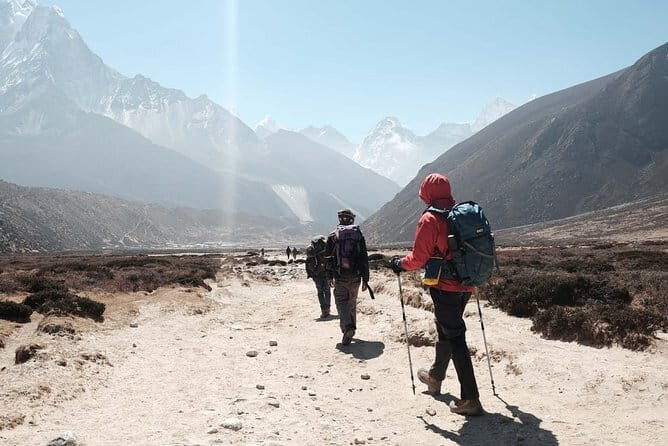
Starting your hike at Sekathum, you’ll trek along the Tamor River, crossing numerous bridges and passing through lush forests. The trail then climbs gradually through verdant scenery and tiny settlements like Jonggim and Ghaiyabari. The first few days focus on altitude gain and acclimatization, with an emphasis on the natural beauty and tranquility of the region.
Expect the trail to be relatively quiet, with fewer trekkers than other routes, enabling a more intimate experience with the landscape and local culture.
Reaching Amjilosa and Gyabla
The trek continues through dense forests, where the possibility of spotting rare wildlife like Red Pandas adds excitement. After a full day of hiking, you arrive at Amjilosa, situated near the Himalayan foothills. The next day, the trail takes you through more pristine forests, waterfalls, and mountain vistas as you make your way to Gyabla. This leg is particularly scenic, with waterfalls and the chance to spot wildlife, provided luck is on your side.
According to reviews, the guides’ knowledge about local flora and fauna enhances the experience, making the trek not just about the mountains but about the entire natural environment.
Ghunsa and the Higher Camps
Ghunsa village is one of the highlights. It’s a classic trekking village with stone houses and a warm local community. Many trekkers use Ghunsa as a rest or acclimatization stop, but our review indicates that the itinerary allows for acclimatization at Khambachen to better prepare for higher altitudes.
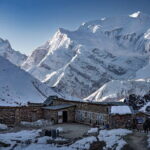
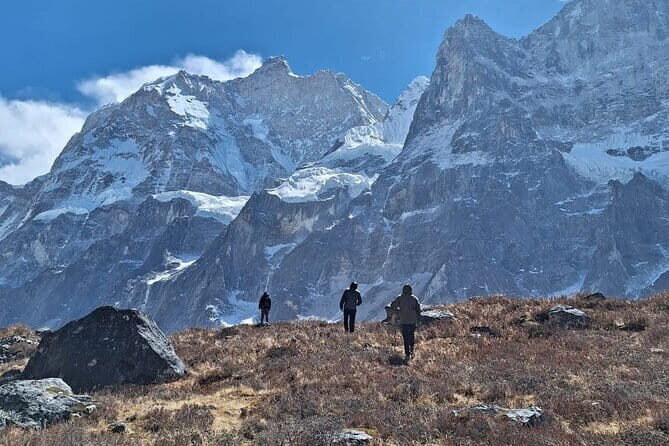
Khambachen is a small settlement offering spectacular views of Mt. Jannu and the glaciers. Here, you’ll find the opportunity to do short hikes to glaciers, lakes, and viewpoints—an excellent way to adjust to altitude and soak in the scenery.
Approaching the North and South Base Camps
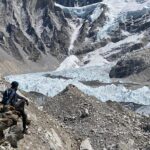
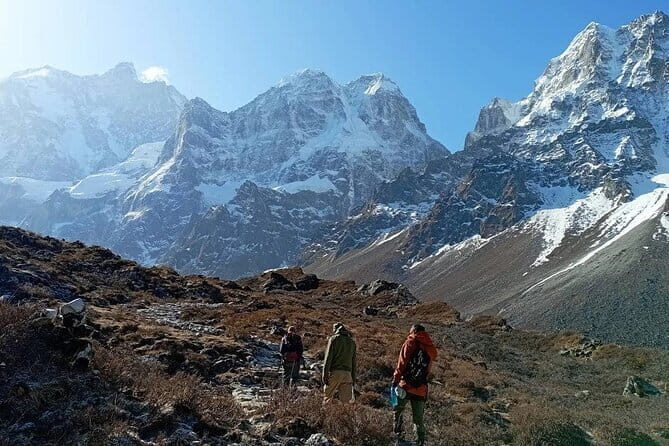
The trek then takes on a more challenging phase, with days spent walking on challenging terrain near the Kanchenjunga glacier. Lhonak, a tiny settlement, serves as a staging point for reaching the North Base Camp, known as Pang Pema. The route involves crossing moraine trails, with spectacular views of Mount Kanchenjunga and surrounding peaks.
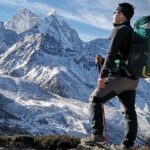
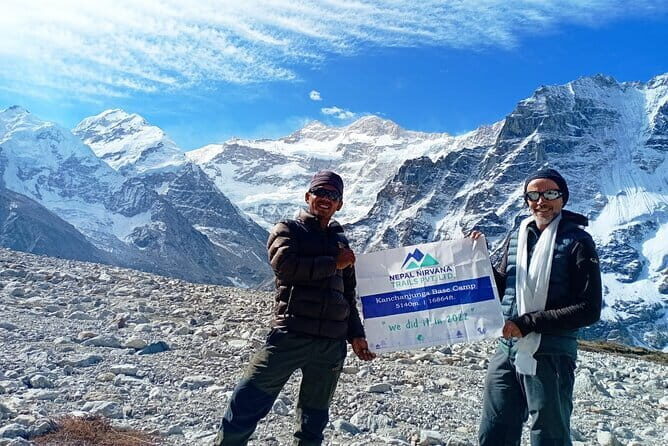
Hiking to the North Base Camp is an achievement in itself, with the rewarding sight of the towering third-highest mountain on Earth. The trek offers incredible close-ups of the mountain’s sheer faces and prayer flag-strewn campsites.
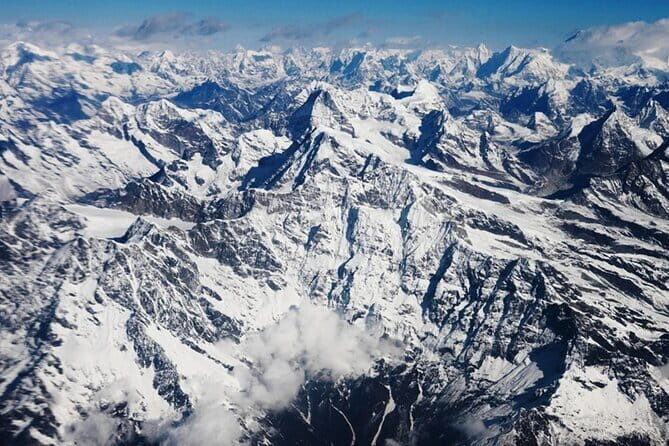
The journey also includes a detour to the South Base Camp, near Oktang, where you get even more panoramic views of Kanchenjunga’s three summits, along with peaks like Everest, Makalu, and Baruntse.
The Return Journey and Descent
After visiting the base camps, the trek retraces some of the route back to Ghunsa, passing through areas rich in flora and with the chance to spot elusive snow leopards in the forested sections. The descent takes you through Tortong, then down to Yamphudin, a typical mountain village where permits are checked again.
The journey back to lowlands includes a scenic drive through Kabeli Khola and ending at the lush tea gardens of Kanyam, where you can unwind with a cup of Nepali tea and reflect on your mountain adventures.
Final Day and Return to Kathmandu
The trek concludes with a drive to Bhadrapur and a short flight back to Kathmandu. After a long but fulfilling journey, you’ll be back in the capital city, ready to share stories or explore more of Nepal’s cultural treasures.
Travelers praise guides for their warmth and knowledge, with reviews quoting “KP was very friendly and provided us with a lot of information” and “our guide, Raj, was excellent.” Many highlight the stunning mountain views—from the towering Kanchenjunga to Everest and Makalu—calling the vistas “absolutely worth the effort.”
The experience’s authenticity is a common theme, with trekkers appreciating the chance to stay in simple tea-houses and pass through villages that are still relatively untouched by mass tourism. One reviewer mentioned, “the villages along the way are yet to develop and reach their potential for tourism,” which is a double-edged sword: fewer crowds, but fewer amenities.
The value for money is frequently noted as excellent, especially considering the inclusion of all necessary permits, flights, accommodations, and guiding services. A reviewer remarked, “the trip was just incredible, and KP organized it perfectly based on what we asked.”
Kanchenjunga Circuit Trek 19 Days
Practical Considerations and Tips
While the trek offers spectacular scenery, it’s important to note that the food during the trek is basic. Most meals are simple, hearty Nepali fare, and travelers often prefer to stick with vegetarian options. The long drives to and from remote trailheads can be tiring but are part of what keeps the experience authentic and off the beaten path.
Group sizes are kept small, which helps in managing logistics and maintaining a personal touch. The price of $2,560 per person reflects good value, considering the included flights, permits, guiding, and accommodations.
This journey is perfect for adventurous travelers who are comfortable with long days of trekking and challenging terrains. It’s ideal if you want to escape the crowds and experience Nepal’s mountains in a more authentic setting. The trek is suited for those with good physical fitness who can handle altitude and uneven trails, and who are eager for a less commercialized Himalayan experience.
It’s also great for travelers who value expert guides and want to learn about the region’s natural environment and local culture from knowledgeable locals. If you’re seeking spectacular mountain scenery and a taste of remote Nepali villages, this trek offers an unmatched opportunity.
For those who dream of standing beneath towering snow caps, surrounded by pristine wilderness, the Kanchenjunga Circuit delivers. The journey’s remoteness means fewer fellow travelers, fostering a peaceful, contemplative atmosphere. The guides are praised for their professionalism and friendliness, making even tough days more manageable.
While the trek’s basic accommodations and long drives might not appeal to everyone, the reward is a genuine, less commercialized Himalayan experience. If you’re eager to see breathtaking vistas from different angles of Kanchenjunga, enjoy authentic mountain villages, and challenge yourself physically in a stunning landscape, this trek offers extraordinary value.
This trip suits seasoned trekkers craving adventure and solitude, and those willing to embrace the rugged side of Nepal. For a truly unique Himalayan experience that combines epic views with culture, the Kanchenjunga Circuit is a compelling choice.
How physically demanding is this trek? The trek involves several days of walking on uneven terrain at high altitudes, with some long days—up to 12 hours—so good physical fitness is necessary.
Are the accommodations comfortable? The trek uses simple tea-houses, which provide basic but comfortable lodging, allowing you to experience local mountain hospitality.
What about food during the trek? The food is straightforward Nepali fare, often vegetarian, and quite basic. Many trekkers find it hearty and satisfying, but it’s not gourmet.
Is there a support team? Yes, the trek includes government-licensed, first-aid trained guides and porters, all focused on making your experience safe and enjoyable.
What’s included in the price? The cost covers all permits, flights within Nepal, hotel stays in Kathmandu, guide and porter services, and accommodations during the trek.
When is the best time to go? The tour is available from May to June 2024 through June 2026, with the best weather typically in spring and autumn.
To sum it up, the Kanchenjunga Circuit Trek offers a truly authentic Himalayan adventure with stunning scenery, quiet trails, and expert guiding. It’s ideal for travelers seeking a deeper connection with Nepal’s mountains and culture, willing to embrace some ruggedness and remoteness for a trek that rewards with unforgettable views and genuine encounters.