If you’re looking to taste Nepal’s culinary soul while gaining some practical kitchen skills, a momo making class in Kathmandu might be just the ticket. This experience, run by the welcoming women at Namaste Cooking School, offers more than just a cooking lesson; it’s a window into Nepali tradition, community, and flavors.
With a stellar 5-star rating from 35 reviews and a proven track record for delighting travelers, it’s a hands-on activity that balances fun, education, and authentic taste.
What we love most about this class is its focus on local ingredients sourced directly from farmers, ensuring every bite of your momo is as genuine as it gets. Plus, the friendly, hospitable atmosphere created by the instructors makes learning an absolute pleasure.
On the flip side, you’ll want to be prepared for a short, 1.5-hour session—perfect for fitting into your sightseeing schedule, but not a full-day affair if you’re craving more culinary immersion.
Ideal for food lovers, culture seekers, and curious travelers alike, this momo class provides a meaningful, tasty way to connect with Kathmandu’s local life without leaving Thamel’s bustling streets.
Key Points

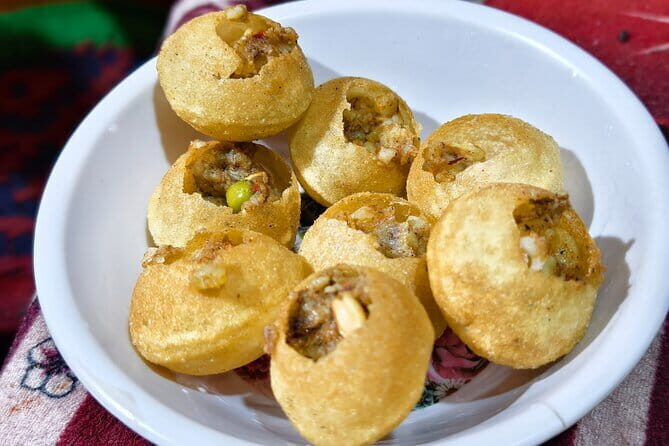
- Authentic Nepali flavors are front and center, with ingredients sourced from local farmers.
- The hands-on experience gives you practical skills and a real taste of Nepali cuisine.
- Friendly, patient instructors make learning accessible and fun, even for beginners.
- The cost of $18 offers great value for a cultural activity that includes a recipe book and lunch.
- The location in Thamel provides easy access and a lively neighborhood backdrop.
- Reviews consistently praise the hospitality, delicious food, and memorable experience.
What the Momo Class Offers: An Inside Look
The experience begins with a warm welcome, where you’re greeted with masala chai, a soothing symbol of Nepali hospitality. It’s a small touch that immediately sets a friendly tone—think of it as the culinary equivalent of a warm smile. The instructors, all women, create a relaxed, encouraging environment that makes even first-time cooks feel comfortable.
Next, you choose from a carefully curated menu of momo styles, which ensures you get a taste of what excites your palate. This menu flexibility allows for dietary restrictions and personal preferences, making the experience accessible to everyone. Once the menu is set, the class dives into an overview of Nepali spices—a quick but insightful taste of the flavors that define the region’s cuisine. You’ll learn about regional spices that give momo their distinctive taste, adding depth and authenticity to your creation.
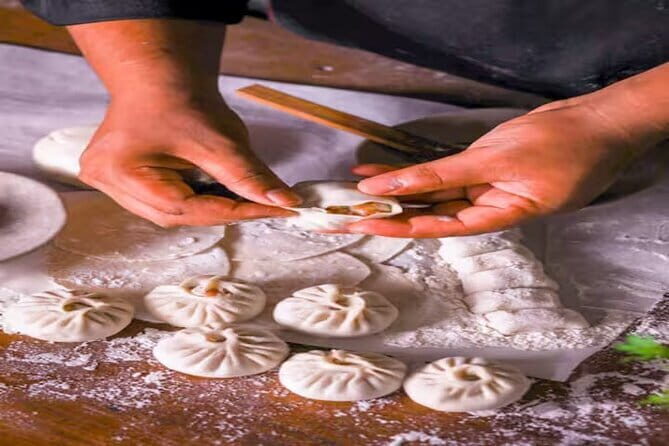
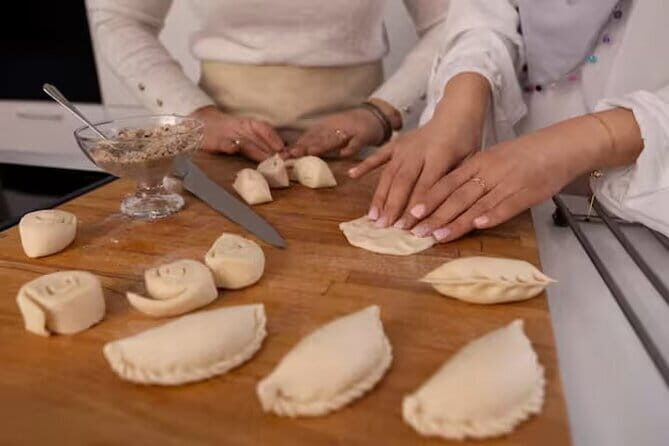
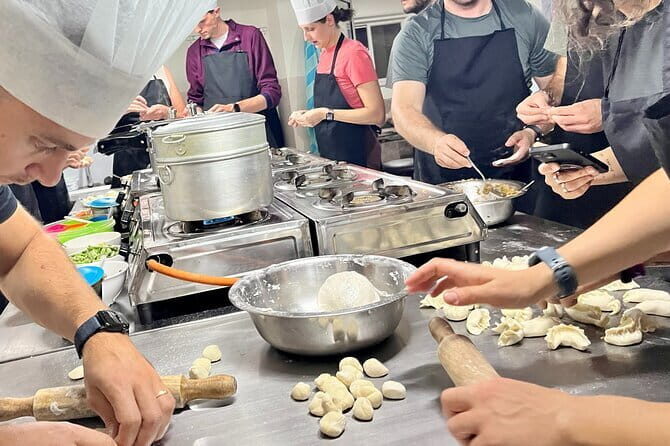
The core of the experience is the hands-on cooking, where you get to knead the dough, prepare the fillings, and learn different ways to shape the momos. Many reviews, like Melissa’s, highlight how making momos from scratch makes you appreciate the skill and effort involved. The instructors guide you patiently, sharing tips that turn a novice into a confident cook.
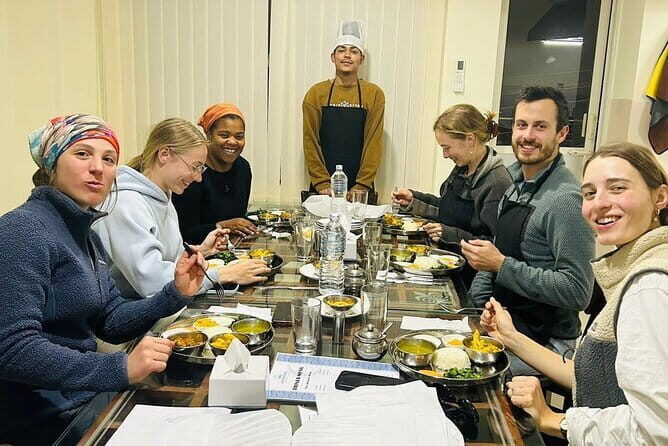
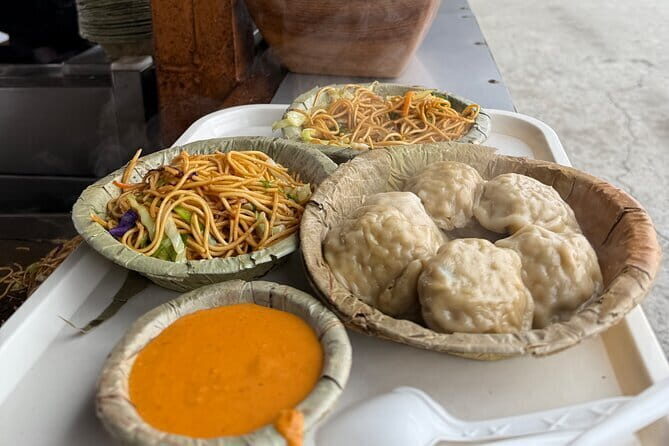
Finally, after stuffing, sealing, and steaming your momos, you’ll enjoy your freshly made snacks, often paired with additional offerings like masala tea or ginger-lemon tea—customized to your tastes if needed. As a keepsake, you’ll receive a recipe book to recreate the magic at home, helping you extend this taste of Nepal beyond your trip.
You can also read our reviews of more tours and experiences in Kathmandu
The Value of the Experience
For just $18 per person, this class offers remarkable value. It’s not just about the food—although the delicious, freshly made momos are a definite highlight—but also about the cultural insights and authentic ingredients. You get to see and taste the local farming practices involved in sourcing ingredients, giving your meal a new layer of meaning.
The short duration of 1 hour 30 minutes means you can easily fit this experience into a day of sightseeing or shopping. Located in Thamel, the activity is convenient whether you’re staying nearby or exploring the heart of Kathmandu. The group size is limited to 16 travelers, guaranteeing a friendly, intimate atmosphere where questions are encouraged, and everyone’s hands get involved.
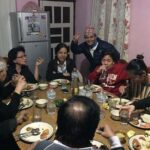
Many travelers raved about the hospitality of the instructors. As Francine noted, “the ladies made me feel so welcome,” which underscores how this experience is as much about community as cooking. The shared activity often turns into a social occasion, with some staying afterward to chat and enjoy local beers.
Detailed Breakdown of the Itinerary
Starting at Bhagwati Marg, the experience kicks off with a warm introduction and a traditional masala chai—an inviting gesture that sets the tone for a relaxed, friendly class. This moment of hospitality isn’t just a formality; it’s an opportunity to connect and feel part of a local tradition.
Once everyone is settled, you’ll select your preferred momo menu. Whether you want veggie, chicken, or a special regional variation, this choice makes the class feel personalized. The instructors then give a brief overview of Nepali spices—think cardamom, cumin, coriander—so you understand what makes the flavors so distinctive.
Next, the hands-on phase begins. You’ll learn how to knead the dough, which is surprisingly satisfying, and prepare your filling—vegetables, meat, or a mix. The instructors demonstrate different folding techniques, from traditional pleats to simpler shapes, ensuring you leave with both skills and confidence.
While some classes focus solely on making dumplings, here, the emphasis on authenticity shines through. Many reviewers mention the care and patience of the teachers, who are happy to share stories about Nepali cuisine and culture along the way. The class concludes with everyone enjoying their freshly steamed momos, often accompanied by tea, complemented by the warm, communal feeling of sharing food.
The takeaway? You not only leave with a full belly, but also with a recipe book that’s a helpful resource for recreating your favorite momos back home.
Authenticity, Hospitality, and Cultural Connection
Beyond the food, this experience is about understanding a key aspect of Nepali hospitality—sharing food as a sign of friendship. As Melissa pointed out, “The ladies were so hospitable and patient,” which truly captures the atmosphere. Their warmth and expert guidance transform what could be a technical cooking class into a cultural exchange.
The emphasis on local ingredients and sourcing from farmers elevates this from a mere cooking lesson to an immersive cultural activity. Many reviews mention how making momos “from scratch” enhances appreciation for Nepal’s culinary traditions.
On top of that, the location in Thamel puts you at the heart of Kathmandu’s vibrant street life. After class, you can easily explore the neighborhood’s shops, cafes, and temples, or relax with a cup of tea, reflecting on the experience.
Who Will Love This Experience?
This momo class is perfect for foodies who want to understand Nepali cuisine from the ground up. It’s also well-suited for families—many reviews mention how even children enjoyed the activity—and for solo travelers eager to connect with locals in a friendly setting.
If you’re seeking a meaningful, practical activity that leaves you with new skills and authentic flavors, this class hits the mark. It’s especially valuable for those who appreciate cultural authenticity and want to try their hand at making regional dishes rather than just tasting them.
However, if you’re short on time or not keen on cooking, this might be less appealing. The activity is brief, and while fun and educational, it’s not a full culinary tour or extensive workshop. Still, for its value and intimacy, it’s highly recommended.





The Sum Up
The Traditional Nepali Momo Making Class at Namaste Cooking School offers an authentic, friendly, and tasty introduction to Nepal’s beloved dumplings. For just $18, you get a hands-on experience that’s full of flavor, culture, and practical skills. The instructors’ warmth and the focus on local ingredients make this a memorable activity, especially if you enjoy food as a gateway to understanding a culture.
This experience is best suited for curious travelers, families, or anyone eager to bring a piece of Nepal’s culinary tradition home through their own cooking. It’s an affordable way to enjoy a cultural activity that’s as enriching as it is delicious.
If you’re in Kathmandu and want a fun, authentic culinary adventure, this class should definitely be on your list.
Traditional Nepali Momo Making Classes
FAQ
How long does the momo making class last?
The class is approximately 1 hour and 30 minutes, making it a perfect quick cultural activity.
What is included in the price?
You’ll learn how to make momos, enjoy a delicious lunch, and receive a recipe book to try at home.
Is the class suitable for beginners?
Yes, the friendly instructors are patient and guide you step-by-step, making it accessible even for first-timers.
Where does the class take place?
The class starts in Thamel at Bhagwati Marg, which is easy to reach from most central locations in Kathmandu.
Can dietary restrictions be accommodated?
Yes, the menu can be tailored based on dietary restrictions or allergies, which should be communicated during booking.
Do I need to book in advance?
Yes, it’s recommended to book about 9 days ahead to secure your spot, especially during peak travel seasons.
This momo making class combines the joy of cooking with cultural discovery, all in an environment that emphasizes authenticity and hospitality. It’s a lively, delicious way to connect with Kathmandu—one dumpling at a time.