- Introduction
- Key Points
- The Itinerary Breakdown
- Departure from Bali and Cross-Sea Journey
- The Transfer and Safety Briefing
- Climbing to the Crater
- Interacting with Miners
- Witnessing the Blue Flames and Sunrise
- Exploring the Crater and Lake
- Return Journey to Bali
- What’s Included & What’s Not
- Authentic Experiences and Cultural Encounters
- The Balance of Challenge and Reward
- Food and Hospitality
- Practical Tips for Travelers
- The Sum Up
- FAQ
- More Hiking & Trekking Tours in Kuta
- More Tours in Kuta
- More Tour Reviews in Kuta
Introduction
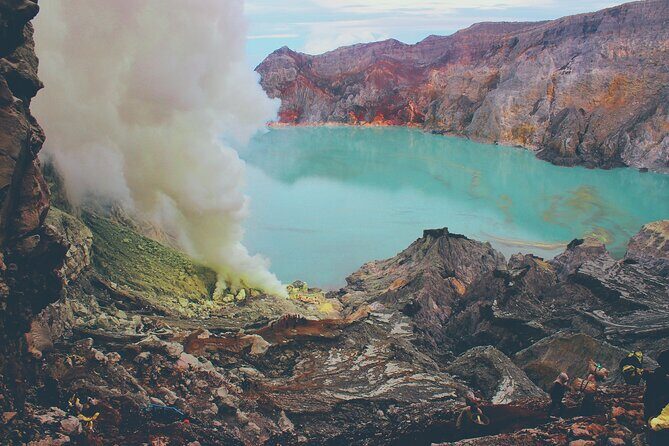
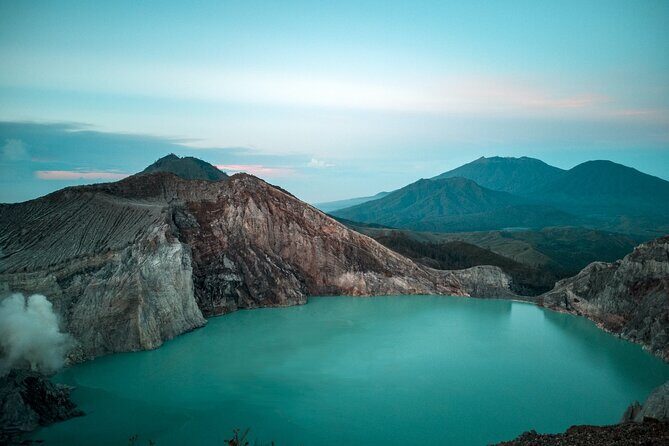
If you’re looking for a truly memorable adventure that combines natural wonder, cultural authenticity, and a bit of physical challenge, the Mount Ijen Crater Trekking Tour from Bali might just be your perfect match. This guided trip offers a rare glimpse into one of Indonesia’s most spectacular sights — the infamous blue flames of Ijen — all while taking you across the sea from Bali to East Java late at night.
What we particularly love about this tour is how it balances adventure with comfort. The small-group setup ensures personalized attention, and the inclusion of local guides and miners adds real depth to the experience. Plus, the chance to see Jawa’s largest acid lake and meet the hardworking sulphur miners is genuinely fascinating. That said, it’s important to remember this isn’t a casual walk — the uphill climb at dawn demands good physical health and stamina.
One aspect to consider is the long journey from Bali, which means this tour is best suited for those craving a full-on, authentic mountain adventure rather than a relaxed day trip. If you’re prepared for some early mornings, rugged terrain, and a bit of an adrenaline rush, this trek offers a compelling blend of natural beauty and cultural insight in a uniquely challenging setting.
This tour suits travelers who are physically fit, eager to witness a natural phenomenon that’s difficult to see elsewhere, and interested in local Indonesian culture.
Key Points
- Small group size ensures more personal attention and a better experience.
- Guided by local experts who know the terrain and culture intimately.
- Challenging overnight trek requires good fitness and stamina.
- Opportunity to see the blue flames and crater lake in a spectacular setting.
- Includes transportation, meals, and safety gear, adding to the overall value.
- Long, overnight journey from Bali, ideal for dedicated adventurers.
You can also read our reviews of more hiking tours in Kuta

The Itinerary Breakdown
Departure from Bali and Cross-Sea Journey
The experience kicks off in the late afternoon, with hotel pickups in South Bali, including Kuta, Legian, Seminyak, Jimbaran, or Nusa Dua. The luxury here is convenience; from your hotel, you’ll be driven to Gilimanuk Harbor, where a ferry takes you across the Bali Strait to East Java. The ferry ride is a quiet, contemplative moment that sets the tone for the adventure ahead. Expect to arrive in East Java around midnight, giving you enough time to rest before the early morning hike.
The Transfer and Safety Briefing
Once in East Java, you’re driven directly to the start point for your guided trek. Here, you’ll receive safety instructions, a flashlight, and a gas mask — essentials for navigating the volcanic fumes and dark trails. The small-group size means the guide can give personalized tips, especially about proper gear and what to expect physically.
Climbing to the Crater
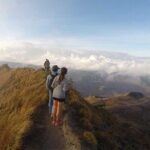
The ascent spans roughly 1 mile (3 km), a journey that takes about 1 to 2 hours. The terrain is a mix of uphill and flat sections, with some steep parts. You’ll be hiking in darkness, so a good flashlight and comfortable hiking shoes are necessary. The reviews highlight that safety and caution are vital; some comments mention the challenging descent and ascent into the crater, which can be tricky in difficult conditions.



Interacting with Miners
One of the tour’s unique features is the chance to meet local sulphur miners. They carry large loads of sulphur — sometimes weighing up to 132 pounds (60 kg) — using bamboo baskets. Visitors often find this part of the experience eye-opening, as it exposes the hard manual labor that goes into extracting sulphur the traditional way, without safety gear. Some reviews note that the miners’ activity is raw and unguarded, emphasizing the authentic, if tough, livelihood.
Witnessing the Blue Flames and Sunrise
Arriving at the summit before dawn, you’re rewarded with a chance to see the famous blue flames of Ijen — a phenomenon that only occurs in the darkness, when the burning sulphur emits an eerie, electric blue glow. Weather conditions can influence visibility, but when the flames are visible, the sight is astonishing. Afterward, a light breakfast is served on the mountain, giving you energy for the descent.
Exploring the Crater and Lake
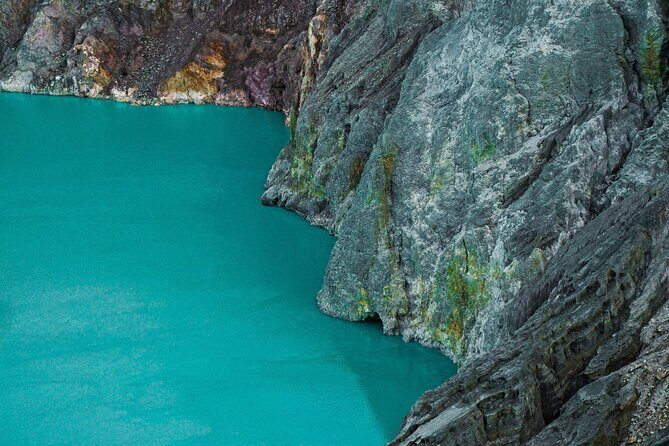
Back at the crater rim, you’ll have the opportunity to take photos of the stunning acid lake — Jawa’s largest — which offers surreal, otherworldly scenery. The views from the viewpoint are spectacular, providing ample opportunities for memorable photos. The guide will ensure you stay within the 500-meter safety boundary from the crater, respecting the park’s rules and your safety.
Return Journey to Bali
Following the descent, you’ll be transferred to Banyuwangi Harbor for the late-morning ferry back to Bali. The journey concludes with a lunch at a local restaurant, often featuring traditional Balinese or Indonesian dishes, before your hotel drop-off in the afternoon. This full-day adventure balances physical activity with culture, making it a rewarding experience.
What’s Included & What’s Not
The cost of roughly $154 per person covers a lot: hotel pickup, local guide, mountain safety gear, meals, and all taxes/fees. The inclusion of meals — a light breakfast and a restaurant lunch — adds value, especially since dining options in remote mountain areas are limited.
However, drinks and dinner are not included, so travelers should plan accordingly. The tour is designed to provide a comprehensive experience, but you should be prepared for the physical challenge and bring essentials like gloves, hat, and appropriate clothing — especially since mount Ijen is closed on the first Friday of the month for cleaning, so check your dates.
Authentic Experiences and Cultural Encounters
This isn’t just about the scenery; it’s about connecting with local miners and understanding their tough daily reality. As one reviewer said, “The volcano is incredible but it isn’t for everyone,” and that’s true — it’s demanding but rewarding. The small group size means you get closer to your guide and fellow travelers, sharing the experience more intimately.
The Balance of Challenge and Reward
The trek’s difficulty is highlighted by reviews emphasizing the need for good fitness and preparedness. Participants mention that the conditions can be tough, especially during the descent, and some note the importance of exercise the day before. If you’re someone who enjoys a physical challenge, the scenery and the blue flames make it worthwhile.
Food and Hospitality
The inclusion of local Balinese and Indonesian dishes during lunch adds a nice cultural touch, giving you a taste of Indonesian hospitality after a long night. Reviewers appreciated the courteous drivers and friendly staff, which made the long journey smoother.
Practical Tips for Travelers
- Wear long pants, sports shoes, and a sweater or jacket for warmth at high altitude.
- Bring your own medicine and a health certificate if you have medical concerns — the tour notes that health restrictions apply.
- Expect a long journey from Bali, so be prepared for a full day of travel.
- Confirm your pickup time after booking and stay flexible for early mornings.
- The best time to see the blue fire is before sunrise, so punctuality is key.
- Avoid traveling on the first Friday of the month, as the crater is closed for cleaning.
The Sum Up
This Mount Ijen Trek from Bali offers a rare chance to witness one of nature’s most surreal phenomena — the blue flames — and experience the authentic life of sulphur miners. While demanding and not suited for everyone, it rewards those who arrive prepared with good fitness, appropriate gear, and a sense of adventure.
If you’re eager to push your limits, love striking landscapes, and want to gain insight into local Indonesian culture, this tour provides genuine value. The combination of stunning scenery, cultural encounters, and physical challenge makes it a memorable highlight for adventure travelers.
However, it’s not a casual trip; it requires commitment and a respect for the rugged environment. For travelers seeking an authentic, off-the-beaten-path experience that offers more than just scenery, this trek delivers.
Mount Ijen Crater Trekking Tour from Bali
FAQ
Is hotel pickup included in the tour?
Yes, pickup is provided from selected hotels in South Bali, including Kuta, Legian, Seminyak, Jimbaran, and Nusa Dua.
How long is the trek to the crater summit?
The hike is about 1 mile (3 km) and takes roughly 1 to 2 hours, depending on your pace and conditions.
What should I wear for the trek?
Long pants, sports shoes, a sweater or jumper, gloves, and a hat are recommended. Bring warm clothing as temperatures can be cool at altitude.
Is food included in the tour?
Yes, a light breakfast in the morning and a restaurant lunch are included. Drinks and dinner are not included.
Can I see the blue flames during the day?
No, the blue flames are best seen before dawn when it’s dark, as they glow in the darkness.
Is the tour suitable for children?
The minimum age is 16, and it’s not recommended for children under 15 or for those with serious medical conditions.
What is the maximum group size?
The tour accommodates up to 10 travelers, ensuring a more personal experience.
What about safety gear?
Safety equipment, including a flashlight and gas mask, is provided; wearing the mask is essential due to sulfur fumes.
What happens if the weather is poor?
The tour requires good weather; if canceled due to weather, you’ll be offered an alternative date or a full refund.
This engaging adventure from Bali to Ijen combines awe-inspiring sights, cultural encounters, and a physical test of stamina — a true highlight for intrepid travelers.