Introduction
 1 / 7
 2 / 7
 3 / 7
 4 / 7
 5 / 7
 6 / 7
 7 / 7
If you’re visiting Kyoto and want to get a true taste of Japanese tradition, a tea ceremony with a master at SHIUN AN offers an enriching glimpse into centuries-old customs. This isn’t your typical touristy moment — it’s a carefully curated, intimate experience that highlights the artistry, mindfulness, and subtle beauty behind Japan’s revered tea culture.
What we love about this experience is its focus on authenticity and personal connection. The small group setting (max six people) means you’ll receive personalized attention, and the detailed guidance makes it accessible—even if you’ve never made matcha before. Plus, its location near Daitoku-ji, a Zen Buddhist temple deeply linked to tea history, adds an extra layer of cultural depth.
However, a possible consideration is the location—it can be tricky to find and involves some stairs, which might be a challenge for those with mobility issues. Still, for anyone with a genuine interest in Japanese culture or looking for a meaningful local experience, this tea ceremony is a perfect fit.
This experience appeals especially to curious travelers, culture enthusiasts, and those seeking a peaceful, immersive activity that goes beyond typical sightseeing.
Key Points
- Authentic experience: Led by a qualified tea master, this isn’t a staged demonstration but a genuine cultural lesson.
- Small group size: Maximum of 6, sometimes 8 people during peak seasons, ensuring personalized attention and a relaxed atmosphere.
- Deep cultural roots: Located near Daitoku-ji, a Zen monastery with historical ties to the tea ceremony, adding significance to the experience.
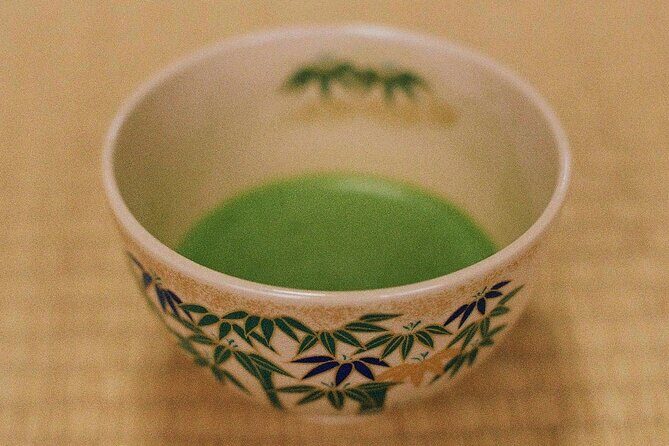
- Hands-on participation: You’ll get to make your own matcha, learn the proper steps, and enjoy two bowls of tea with traditional sweets.
- Value for money: At around $32.61, this 45-minute experience includes all utensils, tea, sweets, and instruction—great for a meaningful cultural activity.
- Accessible details: Includes necessary items like tea bowls, scoops, and a fold fan, along with a quiet, respectful setting.
You can also read our reviews of more tours and experiences in Kyoto.

The Itinerary Breakdown
Starting Point and Setting: The tour begins at 955-1 Idach in Kyoto, in a quiet neighborhood that might take a little effort to locate. While reviews mention it being “difficult to find” and involving some stairs, many feel the effort is well worth it for the intimate and authentic environment.
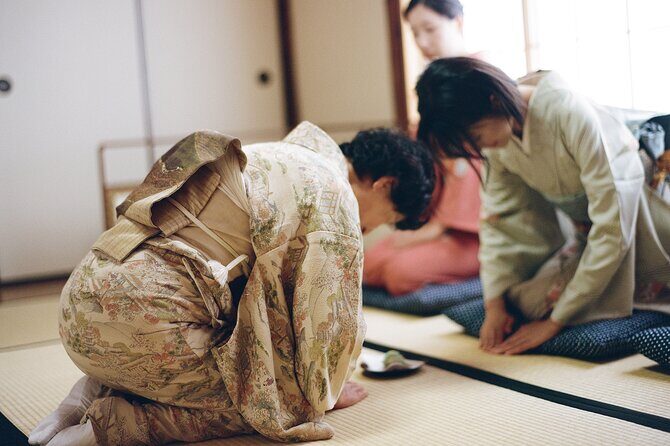
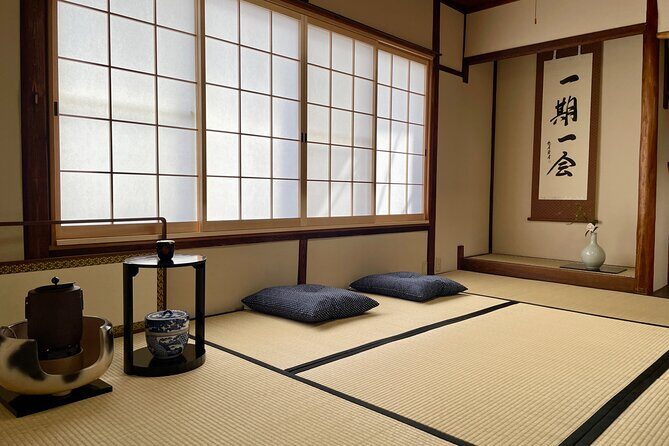
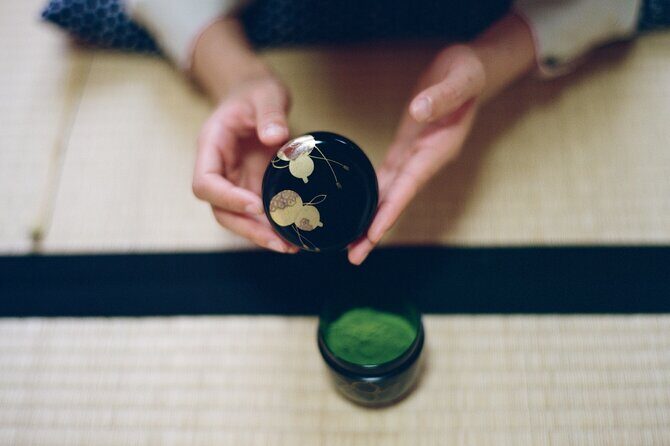
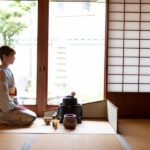
Admiring the Decor and Setting: Upon arrival, your host will introduce you to the hanging scrolls and flower arrangements — elements that set the tone for the ceremony. This part of the experience emphasizes the aesthetic values that are integral to Japanese tea culture.
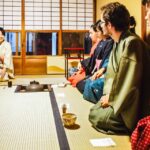
Learning the Steps: The host, all qualified with a Tea Name (indicating a full professor qualification), explains each step involved in the ceremony — from the utensils used to the significance of room layout and decorations. This educational component is appreciated by many; one reviewer noted, “the host was clearly very knowledgeable and experienced.”
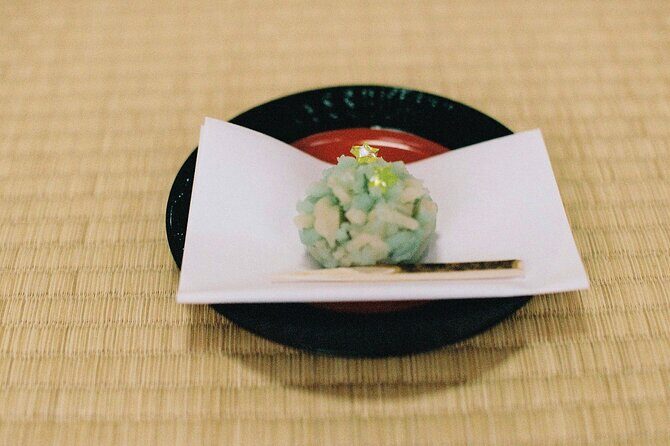
Enjoying Sweets and Tea: While watching the host prepare and serve the tea, guests will indulge in seasonal Japanese sweets that complement the matcha. This pairing isn’t just about taste but about appreciating the harmony of flavors and aesthetics.
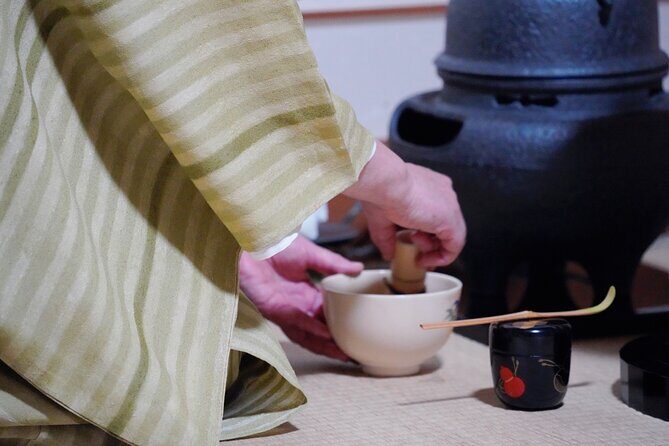
Hands-On Making of Matcha: The highlight for many is the opportunity to make your own bowl of matcha. Under expert guidance, you’ll learn how to scoop, whisk, and serve — a skill that can seem simple but actually requires a delicate touch. Several reviews emphasize that participants walk away feeling they’ve gained a true understanding of the process.
Ending with Reflection: The experience concludes with the chance to savor two bowls of matcha and reflect on the cultural significance. Many guests mention feeling calmer, more connected, or enlightened after this brief but meaningful ritual.
What Makes This Experience Special
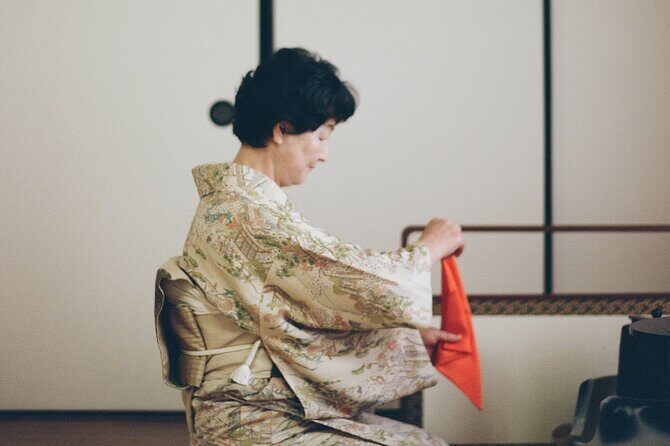
Authenticity and Tradition: The fact that all tea masters are fully qualified and wear traditional kimonos adds to the genuine feel. Guests often comment on how the host’s knowledge and grace elevate the entire experience.
Learning the Significance: As one reviewer put it, “the tea ceremony is a spiritual journey,” and this tour encapsulates that idea. It’s not just about drinking tea but understanding its role in Zen Buddhism, self-awareness, and Japanese aesthetics.
Cultural Context: Being near Daitoku-ji and the Golden Pavilion means you’re exploring areas rich with history and beauty. The proximity allows for optional further exploration, making it an efficient addition to a day of sightseeing.
A Value-Driven Choice: For less than $33, you get a comprehensive experience—including utensils, sweets, tea, and hands-on participation. Compared to other cultural activities, this is a well-priced way to deepen your appreciation of Kyoto’s traditions.
Limited Group Size: The small group format ensures a personalized and relaxed atmosphere. Several reviews highlight how the host makes everyone feel comfortable, even if it’s their first time making matcha.
Practical Details and Tips
Location and Transport: The tour starts in a quiet Japanese neighborhood, accessible by public transportation. Many reviewers suggest arriving early or leaving extra time for navigation, especially if stairs or uneven paths are involved.
Duration & Schedule: The experience lasts about 45 minutes, making it a perfect short activity between other sightseeing plans.
Group Size and Atmosphere: Limited to six travelers, sometimes eight during busy times, which fosters a friendly, intimate environment that many find appealing.
What’s Included: All utensils—tea bowls, scoops, whisks—plus a fold fan and white socks (for those who prefer sitting on tatami). You also get to enjoy two bowls of matcha and two sweets, making it both an educational and tasty activity.
Cost & Value: At approximately $32.61, this is a budget-friendly way to incorporate an authentic cultural lesson into your trip. Many reviews mention how much they learned and enjoyed for the price.
Accessibility: While the experience is generally suitable for most, be aware of the stairs and location’s slightly remote setting. Contact the provider if you have mobility concerns.
Booking & Cancellation: Confirm your spot early, especially during peak seasons. Cancellation is free up to 24 hours before, giving flexibility if your plans change.
Authenticity and Guest Feedback
The positive reviews reinforce what makes this tour special. Many mention how the host’s professionalism and warmth made the experience memorable, with comments like “the host was very knowledgeable,” and “the setting was beautiful.” Several guests noted feeling a sense of enlightenment or calmness afterward, aligning with the tea ceremony’s spiritual roots.
Guests also appreciate the attention to detail: from the carefully explained steps to the inclusion of traditional sweets and utensils. One reviewer said, “the experience was very authentic and memorable,” highlighting that this isn’t a staged or overly commercialized activity.
Notably, even those with previous experience, like someone who lived in Japan, learned new insights about the ceremony, demonstrating the depth and educational value of this tour.
The Sum Up
For travelers seeking an authentic, hands-on introduction to Japanese tea culture in a peaceful setting, this Kyoto tea ceremony by SHIUN AN offers tremendous value. The small group size fosters a personal experience, and the professional, qualified host ensures that you’ll come away with both knowledge and appreciation. Its proximity to Daitoku-ji and the Golden Pavilion means it can be easily integrated into your Kyoto itinerary.
This tour is ideal for those curious about Zen practices, Japanese aesthetics, or simply looking for a serene cultural activity. While the location might be a little tricky to find and involves stairs, many consider the effort worthwhile for the authentic encounter it provides. Expect to leave not just with a new skill but with a deeper understanding of Japan’s subtle yet profound traditions.
If you’re after a meaningful, memorable cultural moment that combines learning, tasting, and tranquility, this tour fits the bill perfectly.
Tea ceremony by the tea master in Kyoto SHIUN AN
FAQ
Is this experience suitable for children?
While the tour is generally calm and respectful, the focus on traditional etiquette and the walking involved might be best suited for older children or teenagers interested in Japanese culture.
Are there any food allergies I should mention?
Yes, you should inform the staff if you have food allergies, especially since Japanese sweets are included.
What should I wear?
Guests are provided with white socks, and comfortable clothing is recommended. It’s a seated experience on the floor, so dress appropriately.
Is transportation included?
No, transportation to and from the meeting point is not included. You’ll need to arrange your own travel, but the location is near public transit.
How long does the experience last?
It lasts approximately 45 minutes, making it a manageable addition to a busy sightseeing day.
What’s the group size?
A maximum of 6 travelers, sometimes 8 during peak times, ensuring an intimate and engaging environment.
Can I participate if I don’t speak Japanese?
Yes, the experience includes an English translator, making it accessible for non-Japanese speakers.
Is the location easy to find?
It can be tricky; reviews suggest arriving early and using maps to navigate the stairs and neighborhood.
What’s included in the price?
All utensils (tea bowls, scoops, whisks), a fold fan, white socks, two bowls of matcha, and Japanese sweets.
Can I cancel if my plans change?
Yes, free cancellation is available up to 24 hours before the experience.